| Author |
 Replies: 28 / Views: 2,970 Replies: 28 / Views: 2,970 |
|
|
|
Valued Member
 United States
422 Posts |
On a side note. I was reading that a tetradrachm, although weighing much more than a denarius was considered equal in value. Is this true across the board? Or just in certain periods of time?
|
|
Pillar of the Community
3352 Posts |
oxos => geeeesh okay, ya caught me, Dawg!! => sure okay then, you win => I'll trade you my denarius' for your TETs!! (man, you drive a hard bargain!!)  |
|
Valued Member
United States
422 Posts |
Steve you slay me man! You do know you were the inspiration on buying this Nero?  I'll gladly trade you my Nero Tet for a Caligula denarius. I'll even throw my Gallienus Tet on top of that! What'd think?  |
|
Pillar of the Community
3352 Posts |
|
|
Valued Member
United States
422 Posts |
You as well Steve! 6 beers?  |
|
Pillar of the Community
United States
1549 Posts |
In the first century (Nero) denarii were relatively good silver but the tetradrachms were heavily debased so the larger tetradrachm has about the same amount of silver mixed in with its copper as a denarius has. This varies from time to time until in the third century neither coin had much silver by the time production of both stopped. I suspect the exchange rate varied quite a bit over those centuries so the idea of an equal value is a bit of an oversimplification.
|
|
Bedrock of the Community
Australia
21792 Posts |
Is there any published metallurgical analysis on the Syrian and Alexandrian tetradrachms?
|
|
Pillar of the Community
United States
1549 Posts |
|
|
Pillar of the Community
United States
2596 Posts |
These are some nice coins I might have to add a few to my collection.
|
|
Bedrock of the Community
Australia
21792 Posts |
A quick search of the 'net shows that the Alexandrian tetradrachms of Nero were around 70% siver, 30% copper, with trace elements.
|
|
Pillar of the Community
United States
1549 Posts |
Quote:
A quick search of the 'net shows that the Alexandrian tetradrachms of Nero were around 70% siver, 30% copper, with trace elements. I'll need to see this and then I won't believe it. I believe the Nero Alexandrian tetradrachms I have would be lucky to be 30% silver and certainly not 70%. 70% should look like denarii of the late Antonine period (Aurelius - Commodus) but the Nero tetradrachms I have look more a match of Trebonanius Gallus to early Valerian. My specialty, Septimius Severus was close to 50% and Neros are certainly under that. Syrians are better. My Nero of Antioch looks like it should be 70% and the Vespasian-Trajan ones still look better than Nero of Alexandria. All this is just eyeball measurement; I would like to see the reference you found on the matter. Nero Alexandria: 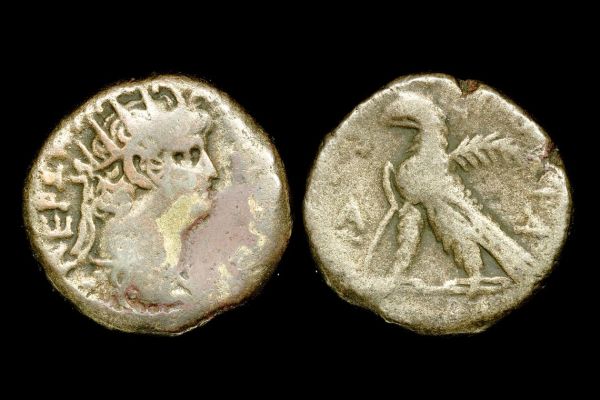 another 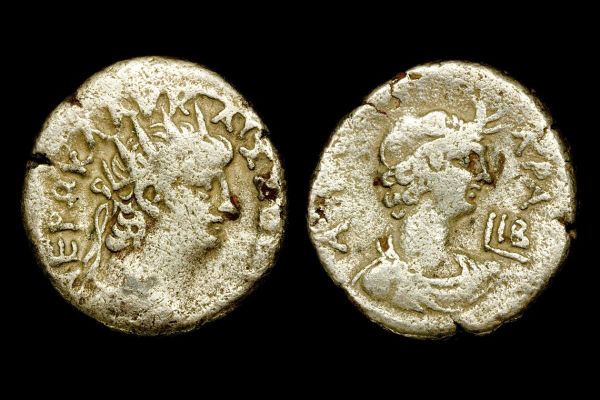 Vespasian Antioch: 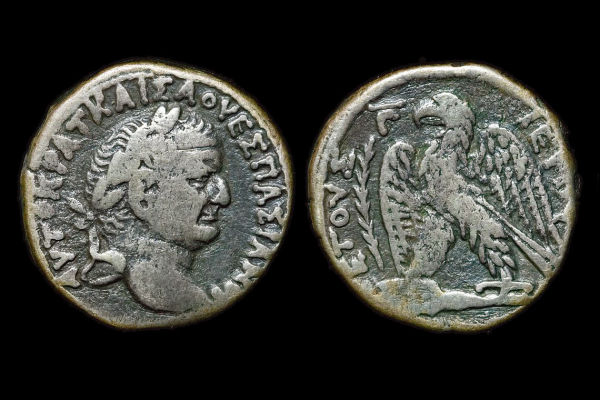 This last one is missing most of its legend except for the emperor's name so I'll not label it and let those who like to ID coins have fun. It is Alexandria but not Nero. 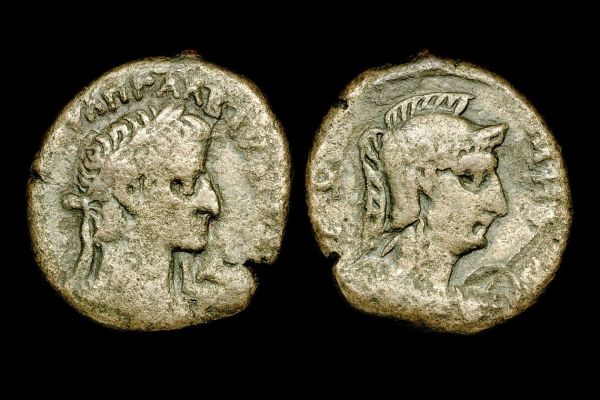 |
|
Valued Member
United States
422 Posts |
All good information. I haven't actually seen my Tet' yet so I don't know if it is as silver looking as it appears in the photos. Your Nero Tets seem to have a more brassish hue to them Dougsmit. The Antioch Vespasian certainly looks more silverish. I guess until I receive the Nero Tet I won't know if it also has a more brass look to it. Thanks for the information.
|
|
Bedrock of the Community
Australia
21792 Posts |
My mistake. The paper that I was looking at by Ponting and Butcher, related to SYRIAN tetradrachms, mainly of Nero.
|
| |
Replies: 28 / Views: 2,970 |






 First Page


 Posted 04/14/2012 9:28 pm


