Coin Community Family of Web Sites Join Thousands of Coin, Bullion, & Money Collectors
Coin, Banknote and Medal Collectors's Online Mall Royal Estate Auctions - $1 Coin Auctions300,000 items to help build your collection! Royal Canadian Mint products, Canadian, Polish, American, and world coins and banknotes. Specializing in Modern Numismatics Vancouvers #1 Coin and Paper Money Dealer Join Thousands of Coin, Bullion, & Money Collectors


Username:
Password:
Save Password
Forgot your Password?


This page may contain links that result in small commissions to keep this free site up and running.

Welcome Guest! Registering and/or logging in will remove the anchor (bottom) ads. It's Free!

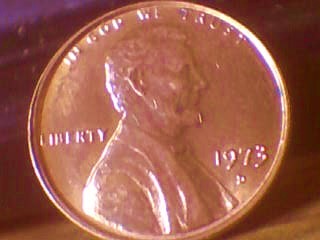
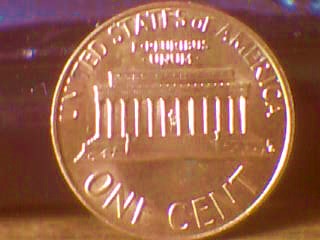
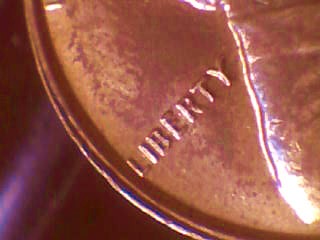
Is This A Patial Collar? ('73d LMC)

To participate in the forum you must log in or register.
Author Previous TopicReplies: 1 / Views: 802Next Topic  
Pillar of the Community
fioti's Avatar
United States
4212 Posts
 Posted 07/15/2012  2:05 pm Show Profile   Bookmark this topic Add fioti to your friends list Get a Link to this Message Number of Subscribers
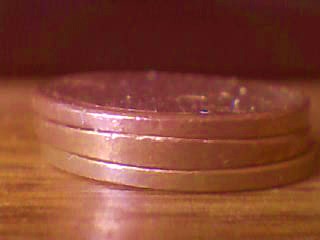
I generally call it right with reeded coins, but I'm always scratching my noggin with cents& nics. What do I put on my 2x2? Would one with 3 "rims" be another designation? I have one in my pile of aUNC copper savers that I'm still looking for. thanks


Is-This-A-Patial-Collar?-'73d-LMC


Is-This-A-Patial-Collar?-'73d-LMC


Is-This-A-Patial-Collar?-'73d-LMC

coin in question is the middle piece.


Is-This-A-Patial-Collar?-'73d-LMC
Rest in Peace
pyrbob's Avatar
United States
1943 Posts
 Posted 07/15/2012  2:30 pm  Show Profile   Bookmark this reply Add pyrbob to your friends list Get a Link to this Reply
A partial collar is an error that affects the edge of the coin as much as the rim. When the collar does not engage the full distance the coin the pressure of the strike will cause the planchet to squeeze out to have the proper diameter on one side and have a larger diameter on the other side. The coin pictured above is not a partial collar. The collar was in contact the entire edge giving the proper diameter on both sides. The die shanks are slightly smaller in diameter than the collar so the strike causes metal to flow out until it hits the collar and then flow upward (or perpendicular to the collar). If the strike is strong enough the metal flows up between the edge of the die and the collar giving what is called a fin. Small fins are rather common but high fins can bring a premium.
  Previous TopicReplies: 1 / Views: 802Next Topic  

To participate in the forum you must log in or register.


Disclaimer: While a tremendous amount of effort goes into ensuring the accuracy of the information contained in this site, Coin Community assumes no liability for errors. Copyright 2005 - 2026 Coin Community Family- all rights reserved worldwide. Use of any images or content on this website without prior written permission of Coin Community or the original lender is strictly prohibited.
Contact Us  |  Advertise Here  |  Privacy Policy / Terms of Use

Coin Community Forum © 2005 - 2026 Coin Community Forums
It took 0.2 seconds to rattle this change. Forums