| Author |
 Replies: 5 / Views: 2,161 Replies: 5 / Views: 2,161 |
|
|
Pillar of the Community
Canada
1700 Posts |
#1: UNC 1969 My Opinion: AU 58 The yellow line is apperantly a camera flash. Nothing to notice on the emblem, however, there are distracting dashes under the chin caused by scissors. 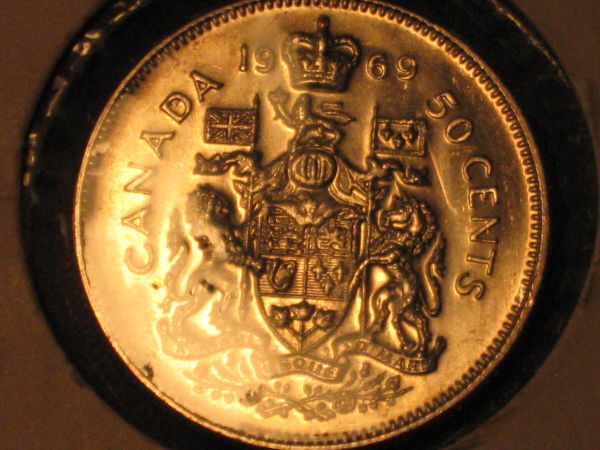 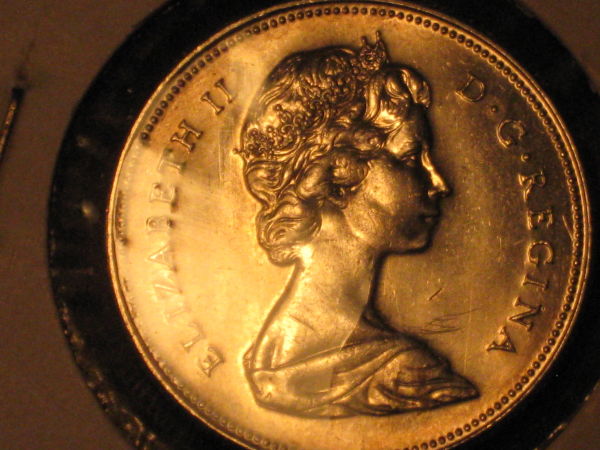 #2 UNC 1969 My Opinion: MS 62 No major scratches, minor scratches still appear 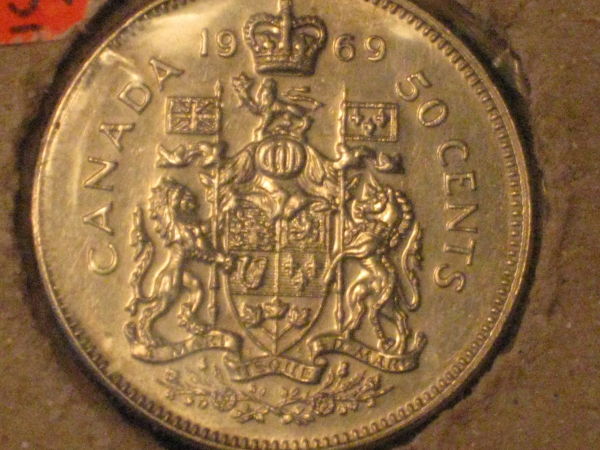 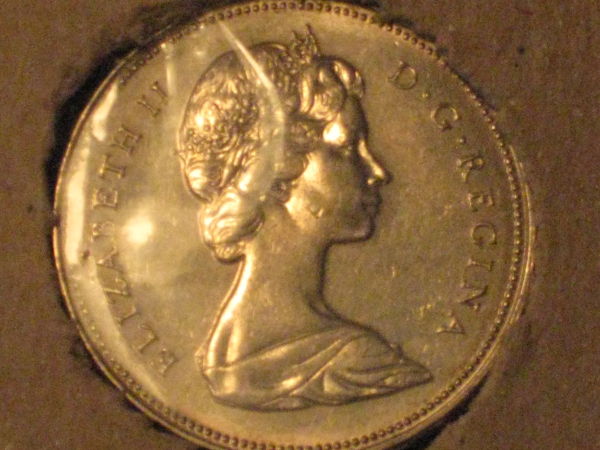 #3 1968 Proof-Like My Opinion: PL 64 There are minor scratches, probably caused by poor mint processing and handling. 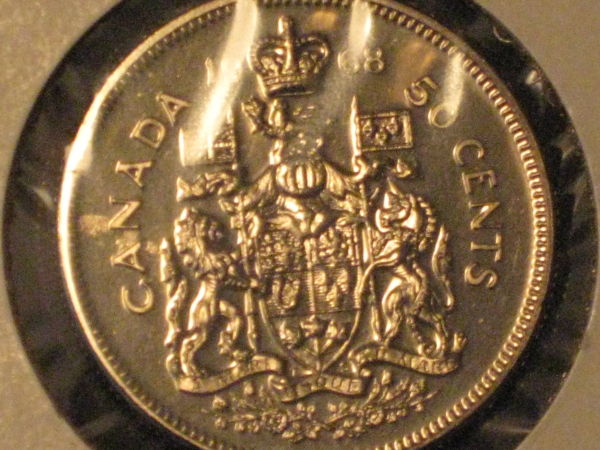 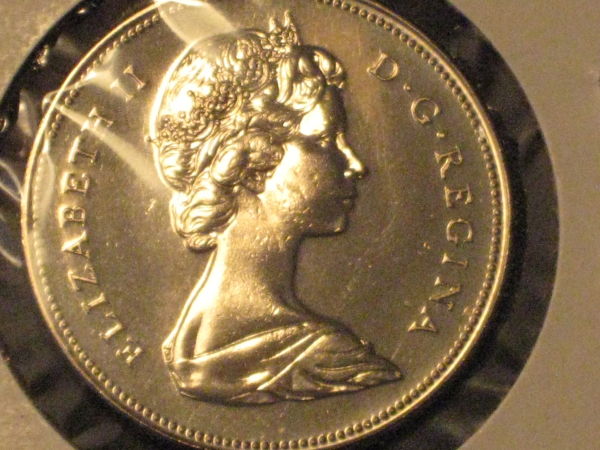 #4 1977 My Opinion: PL 66 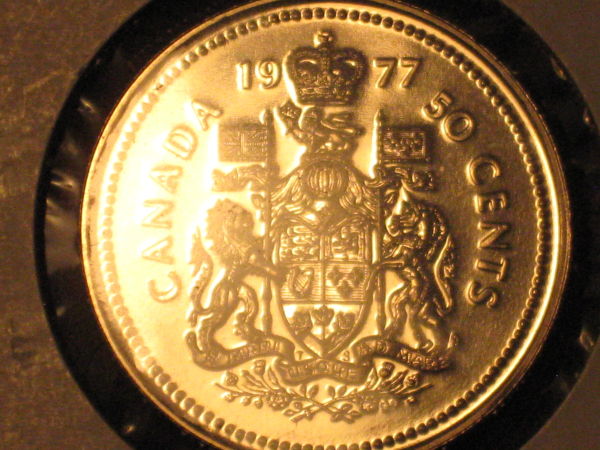 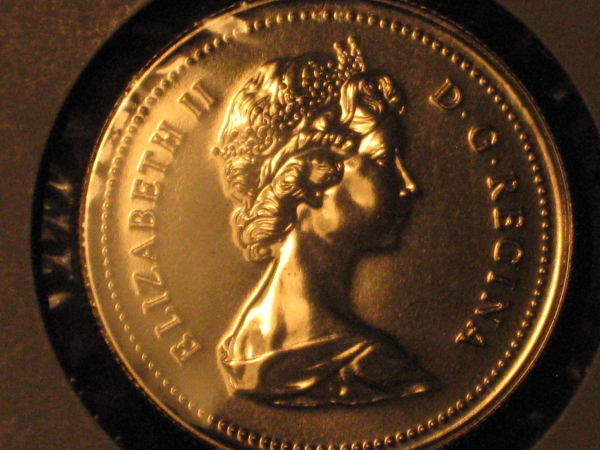 #5 1997 My Opinion: PL 69 Good Grain 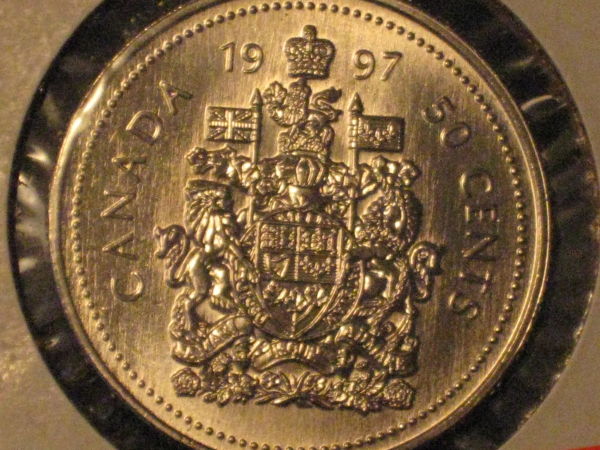 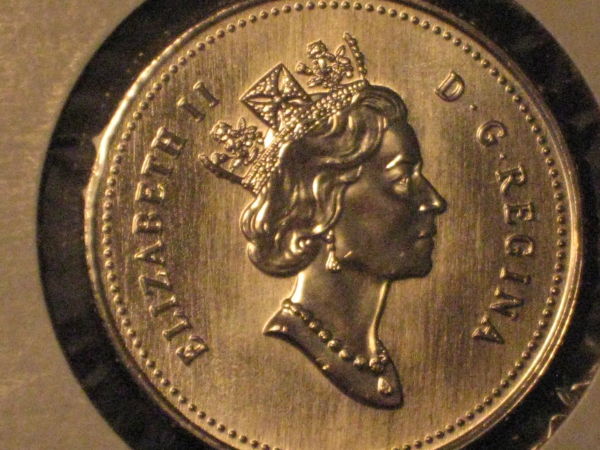 I am truly unsure about my own grades and weither I should slab them or not. Please correct my opinions if you have another one. Please also provide trends for the PL ones since the prices are not found in many places, especially the 1997 one. Thank you. |
|
|
|
Pillar of the Community
 Canada
9902 Posts |
Can't give grades on coins photoed through plastic,too much glare,and internet grading of uncirculated coins is an educated guess at best.The reality is that very very few nickel 50cents are worth slabbing,maybe one out of a thousand mintstate coins.Your '68 and '69 sell for about $2 each,and your '77 and '97 about $3 each.Coins don't have to be valuable to be collectible,if YOU are happy with them leave as they are.
"Dipping" is not considered cleaning...
-from PCGS website
Edited by DBM
08/29/2012 11:34 pm
|
|
Pillar of the Community
 Canada
1700 Posts |
Proof like coins don't worth a lot of money even with a high grade, right?
If they are sent to a grading service company, are the proof like coins goingto be graded with integers or are they going to be graded with just words such as gem uncirculated without any numbers?
Edited by Petersun
08/30/2012 12:39 am
|
|
Pillar of the Community
Canada
617 Posts |
Nickel circulation 50 cents start being worth third party grading if they're MS65 or better (with the exception of the 1974 missing S variety, and the 1982 small beads variety), or maybe MS66 or better for the newest ones.
For the coins from sets, ICCS calls them, say, MS65 Numismatic BU. CCCS would call the same coin UNC65. Don't know how the US graders would do it.
|
|
Pillar of the Community
Canada
9902 Posts |
Petersun,I assume from your posts that you are a YN.You have plenty of time to hone your grading skills and learn about the value of series you collect.Hang on to the coins for a few years,then reasssess them.Spending $80 to slab $10 worth of coins is a lesson you can avoid learning by being patient.
"Dipping" is not considered cleaning...
-from PCGS website
|
|
Pillar of the Community
Canada
1700 Posts |
This is basically how I got those coins:
Last year, when I started to collect coins, I didn't recognize the difference between uncirculated and proof like. Therefore, I purchased a set of 15 proof like 50 cent pieces (1968-1977, 1997, 1998, 1999, 1999P, 2000, 2000W) at approximately $1.50 each. I first thought that proof like coins worthed the same amount of money as UNC coins. After this lesson, I never purchased any more coins other than circulation packs, US halves from the Philedelphia Mint, and other UNC sets (given from others as gifts). (I purchased the two 1969 UNC pieces for $1 each from a dealer that went bankrupt).
Since then, I had forgotten about these until yesterday, when I started thinking about their grades. I have never sent any coins for grading. Thank you all for your comments. If grading costs $80 and the trend is only $3, I would just hold on to them. The are simply beautiful coins.
|
| |
Replies: 5 / Views: 2,161 |
|










 Posted 08/30/2012 12:37 am


