| Author |
 Replies: 5,138 / Views: 386,682 Replies: 5,138 / Views: 386,682 |
|
|
|
Pillar of the Community
United Kingdom
945 Posts |
"And it is struck in the town of Lund, back then in Denmark, today in south of Sweden . By a moneyer named Toke, a common Viking name."
Thanks for that - I had promised myself to look up Lund, but you have saved me that effort.
|
|
Pillar of the Community
United Kingdom
945 Posts |
Another couple arrived today - 1688 over 7 Shilling and 1734 Crown: 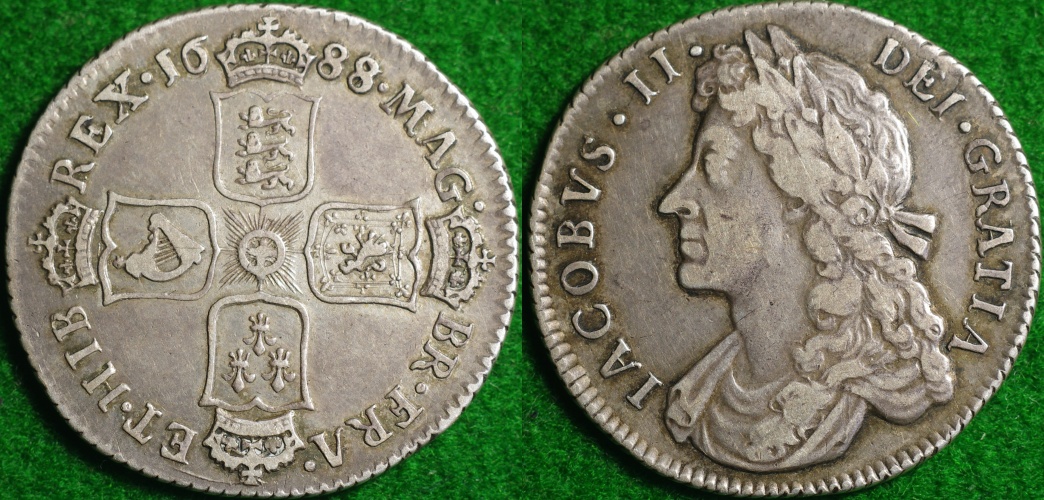 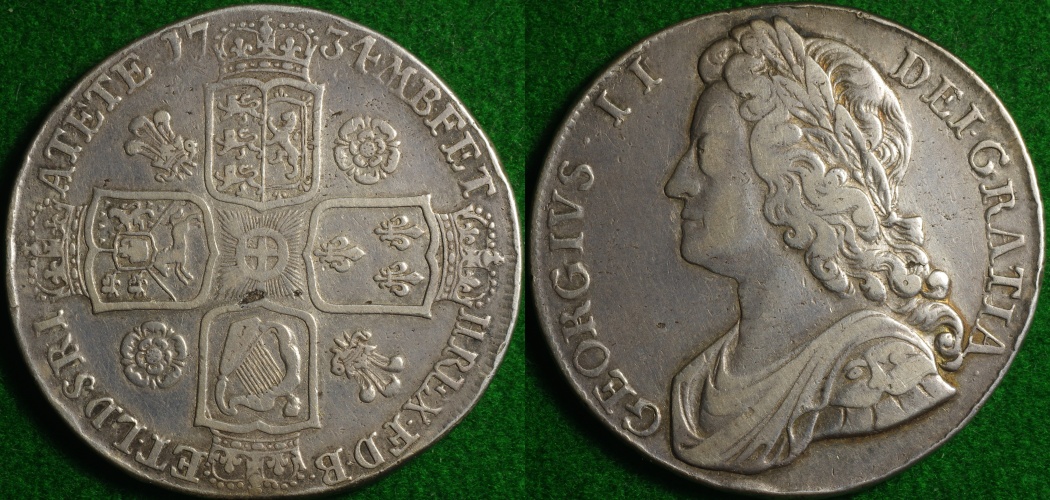 |
|
Moderator
 United States
195810 Posts |
Quote:
Another couple arrived today - 1688 over 7 Shilling and 1734 Crown: Wonderful!  |
|
Bedrock of the Community
United States
37154 Posts |
Quote:
Another couple arrived today - 1688 over 7 Shilling and 1734 Crown: Very nice! |
|
Pillar of the Community
United States
1077 Posts |
PaddyB, that Harthacnut penny is fascinating!
Hamlet's ancestors or their real-life analogues could have used that coin in everyday commerce -- although I wouldn't know whether Danish "royals" ever stooped to actually handling money.
A premier addition to your collection, I'm sure. Congratulations!
"If everything seems to be under control, you're just not going fast enough."
--- Mario Andretti
|
|
Pillar of the Community
United States
1077 Posts |
From Morston in Norfolk, a tiny port town on Britain's North Sea coast, comes my penny-sized copper token dated 1817 with a good-for value of one pint at William Buck's pub, the Anchor, which is still in business in 2023.
Little is certain, but it is believed that the token was issued to celebrate and commemorate -- and perhaps also to help raise funds for -- the launch of Buck's merchant vessel, a brig christened The Cruizer of Morston. Wikipedia informs us that the brig was the workhorse of coal transport around the British Isles for much of the 19th century but, interestingly, "Cruizer" was at that time the label for an entire class of 18-gun warships active in Royal Navy service and thus in extensive combat at sea since 1797.
Meanwhile, Google defines the category "brig" as "...an 18th-century shortening of the word brigantine, but to mean a different type of rigging. The gaff-rigged mainsail on a brigantine distinguishes it from the brig, which is principally square-rigged on both masts." All of this makes it likely, it would seem, that the three-masted craft depicted on Buck's token is a generic or idealized depiction rather than an actual portrait of his own Cruizer of Morston.Morston, Yorkshire, 1817 Pint token, 35mm, 18.8g. Unnumbered in Withers, but listed as an "Associated Item" in Appendix 1 with a scarcity rating of RR, or Very Rare.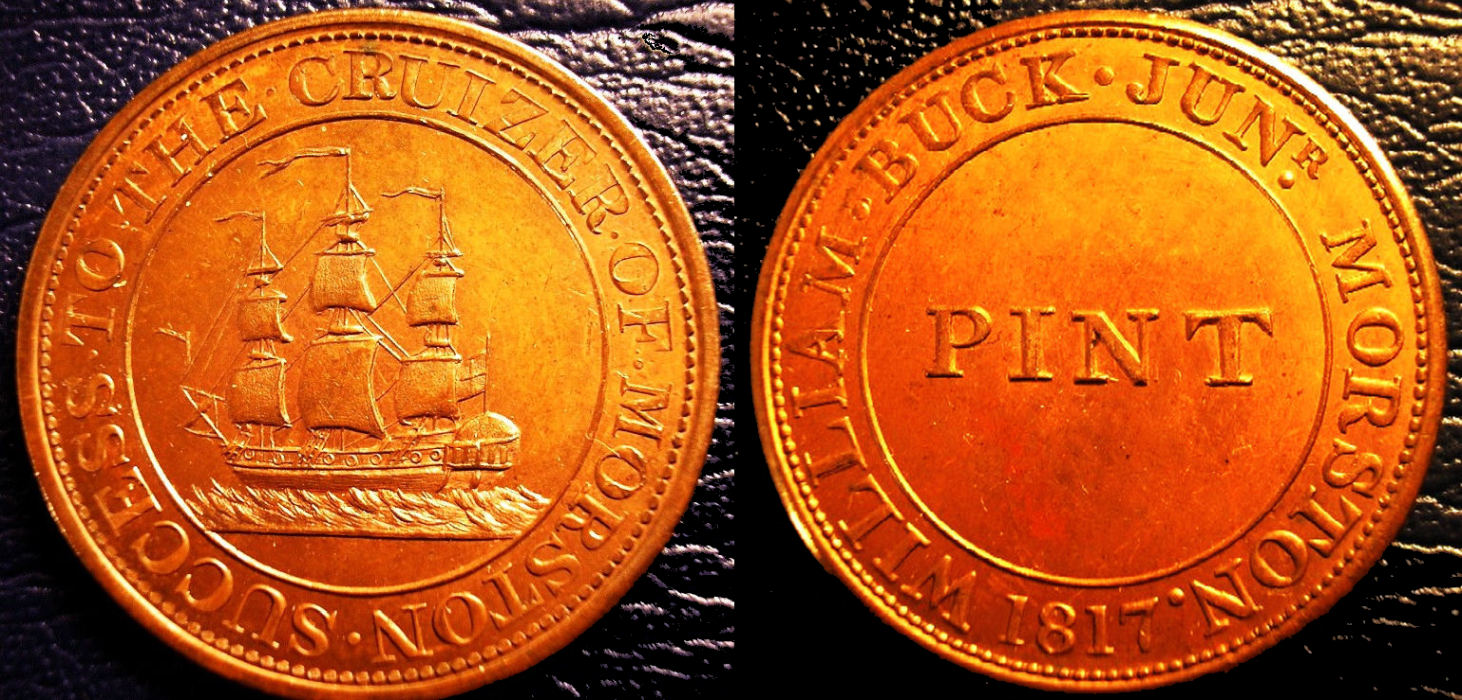 Happy holidaze to all!
"If everything seems to be under control, you're just not going fast enough."
--- Mario Andretti
|
|
Moderator
United States
195810 Posts |
Quote:
From Morston in Norfolk, a tiny port town on Britain's North Sea coast, comes my penny-sized copper token dated 1817 with a good-for value of one pint at William Buck's pub, the Anchor, which is still in business in 2023. Very nice! |
|
Pillar of the Community
United Kingdom
700 Posts |
|
|
Pillar of the Community
United Kingdom
700 Posts |
sory forgot a pic  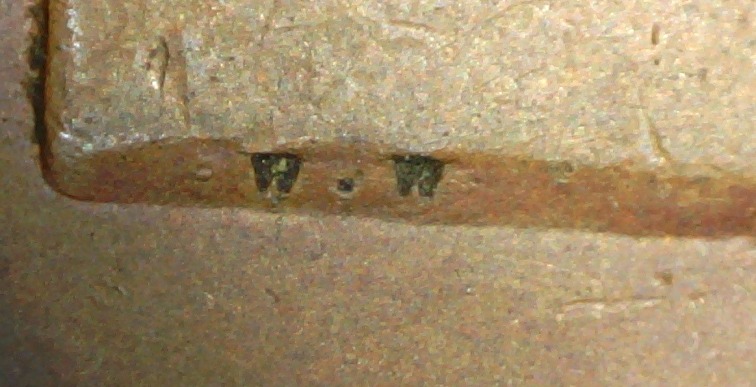 |
|
Bedrock of the Community
United States
37154 Posts |
|
|
Moderator
United States
195810 Posts |
Fantastic! |
|
Pillar of the Community
United States
1077 Posts |
From Norwich in Norfolk, this recent auction win is one of only a handful of two-pence tokens that circulated during the Regency Period. This one was issued by Robert Blake, a "Cotton & Bombazine Manufacturer," as advertised on the obverse. The arms of Norwich grace the reverse.
Yes, I had to look it up: Back in Blake's time, "bombazine" was a variety of twill used in apparel that incorporated a silk warp and a worsted wool weft. As for "worsted," "warp" and "weft," further research is required, as they say, but the shuttle depicted on the obverse suggests to me that those terms might have something to do with looming techniques. Just a guess.  Norfolk, Norwich, Withers 910, 2d (1811-13 presumed); 41mm, 44.9g. PCGS-slabbed at MS63BN. Norfolk, Norwich, Withers 910, 2d (1811-13 presumed); 41mm, 44.9g. PCGS-slabbed at MS63BN.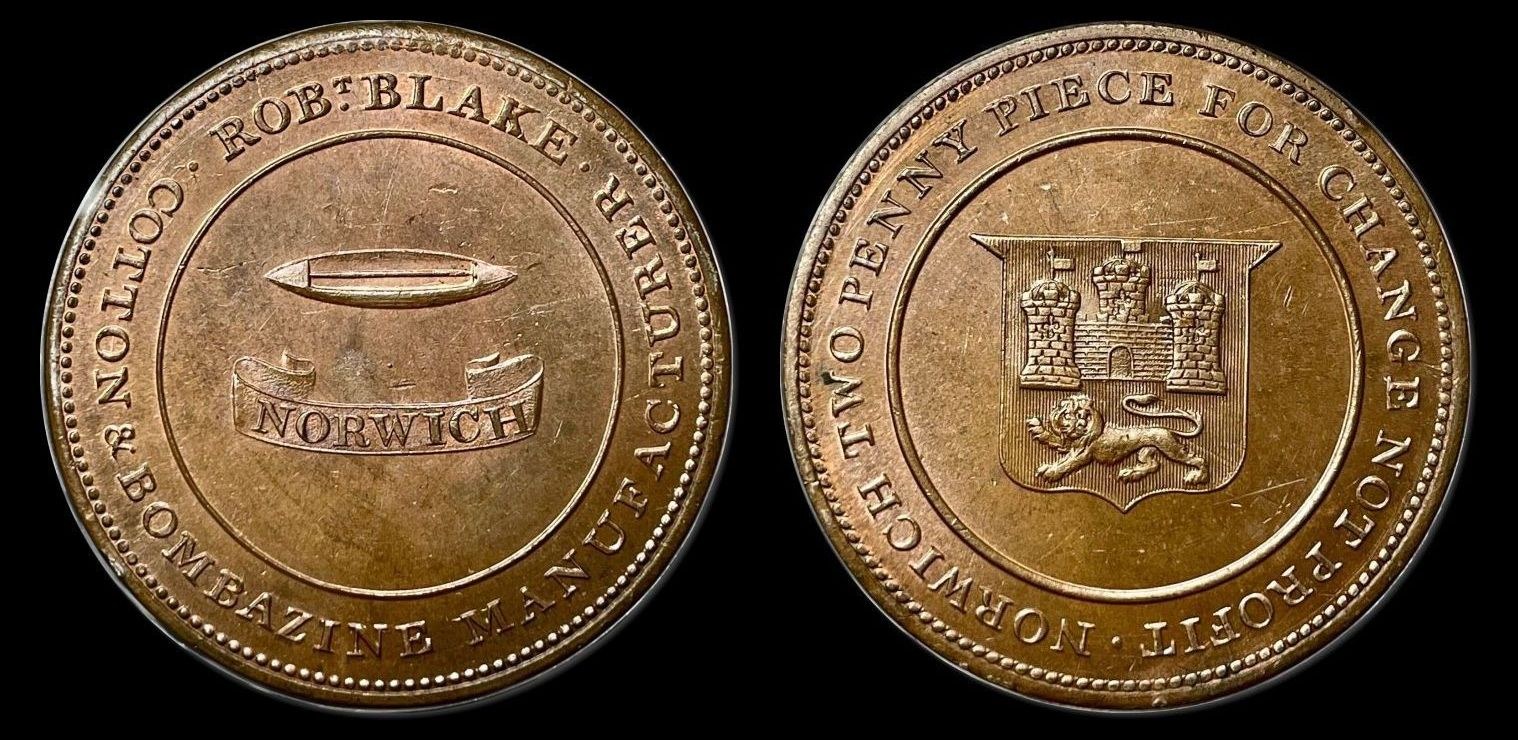 "If everything seems to be under control, you're just not going fast enough."
--- Mario Andretti
Edited by daltonista
01/11/2024 7:14 pm
|
|
Pillar of the Community
Australia
2583 Posts |
Very nice, Daltonista er hmm Quote:
Bombazine is a fabric that holds a significant place in the history of textiles. It is a twilled or corded fabric known for its distinctive lustrous appearance and its excellent draping qualities. The term "bombazine" is derived from the obsolete French word "bombasin," which means "a cotton cloth."
Characterized by a combination of silk and wool or cotton, bombazine fabric typically consists of a silk warp (lengthwise threads) and a worsted wool or cotton weft (crosswise threads). This blend creates a fabric that is both durable and lightweight, making it suitable for various applications, particularly in the realm of fashion.
The production process of bombazine involves weaving the silk and worsted wool or cotton threads in a twill or diagonal pattern. This weaving technique enhances the fabric's resilience and lends it a distinct diagonal ribbed texture. The fabric's lustrous appearance is further accentuated by the use of high-quality silk threads, giving bombazine a sophisticated and luxurious aesthetic.
Bombazine has historically been associated with mourning attire due to its dark colors and somber elegance. In the Victorian era, it was a popular choice for mourning clothes and was often dyed in shades of black. The fabric's dense weave made it suitable for creating garments that were durable and provided a sense of formality and dignity during periods of mourning.
Apart from mourning wear, bombazine has also been utilized in other fashion applications. It has been used for formal evening wear, such as gowns and dresses, thanks to its elegant drape and luxurious appearance. The fabric's versatility extends to upholstery and interior decoration, where it has been employed for curtains, cushions, and other home furnishings.
In terms of its top users and manufacturers, several notable textile companies have produced bombazine fabric over the years. One renowned manufacturer is William Hollins & Company, a British textile firm established in the early 19th century. The company specialized in producing bombazine and became renowned for its high-quality fabrics.
Other manufacturers of bombazine included notable names such as Thomas Houldsworth & Sons, a Manchester-based textile company known for its production of various fabrics, including bombazine. Additionally, the firm Lister & Co. also played a significant role in the manufacturing of bombazine in the late 19th century.
As for the top users of bombazine, they were primarily individuals seeking elegant and formal attire. Wealthy individuals, especially those in mourning, would commission garments made from bombazine due to its luxurious appeal and association with dignity. The fabric's use extended to the middle class as well, particularly for occasions demanding a sophisticated and refined appearance.
While bombazine has a rich historical background, its popularity has diminished over time due to changing fashion trends and the availability of alternative fabrics. Nonetheless, it remains an important part of textile history and continues to be appreciated for its unique characteristics and associations with mourning attire and formalwear.
I thought you would have known all of that  The Ox moves slowly, but the Earth is patient.
Edited by ttkoo
01/11/2024 11:13 pm
|
|
Pillar of the Community
United Kingdom
700 Posts |
|
|
Moderator
United States
195810 Posts |
Quote:
Norfolk, Norwich, Withers 910, 2d (1811-13 presumed); 41mm, 44.9g. PCGS-slabbed at MS63BN. Quote:
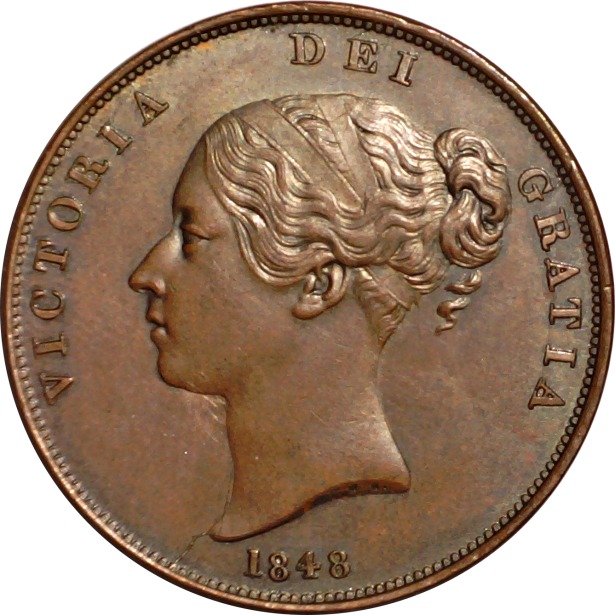
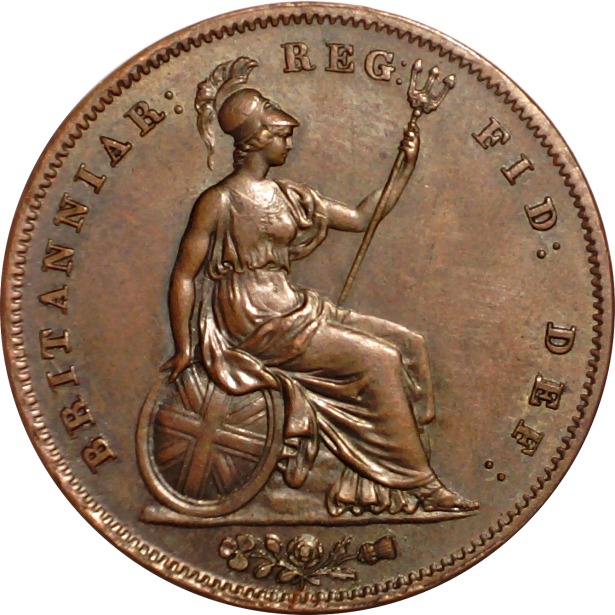
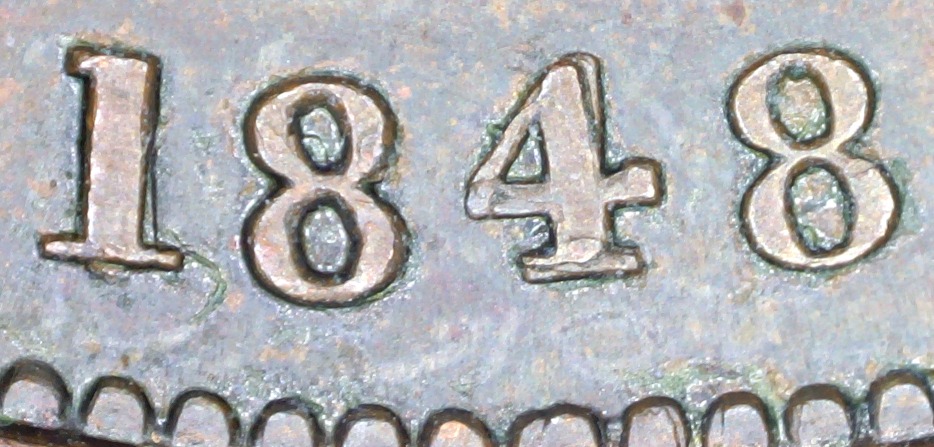
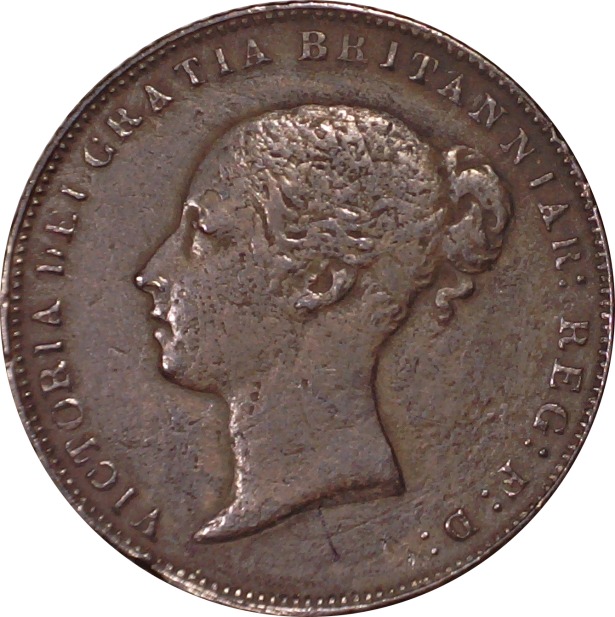
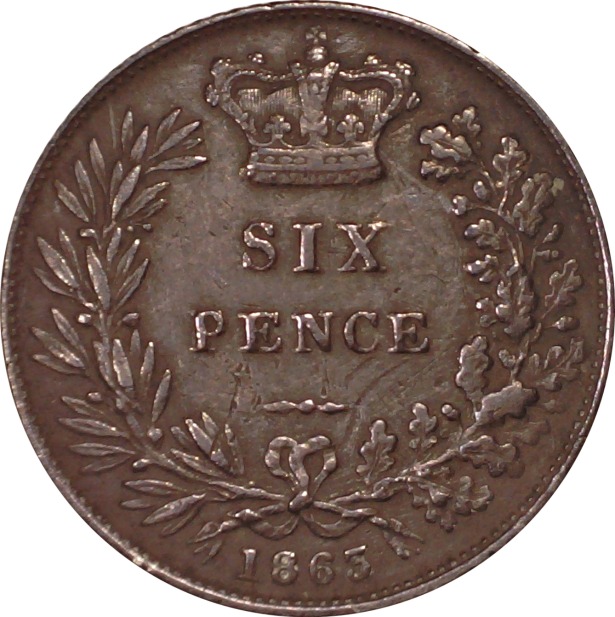
Queen Victoria Copper Penny 1848 unaltered date possibly 1 over inverted 1 and 4 is re-punched. And a sorry state 1863 sixpence but these are just rare in any grade. Interesting a few I's are missing top and bottom serifs but it fills the placeholder for now Nice adds! |
| |
Replies: 5,138 / Views: 386,682 |







 First Page
 Previous Page


 Posted 12/20/2023 06:23 am





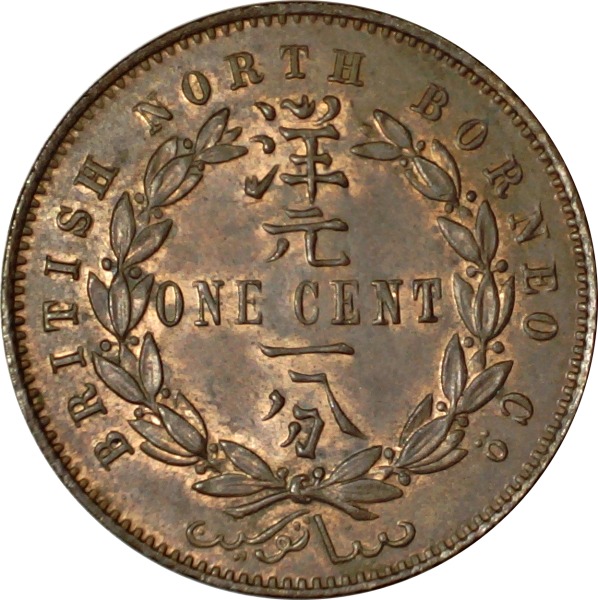
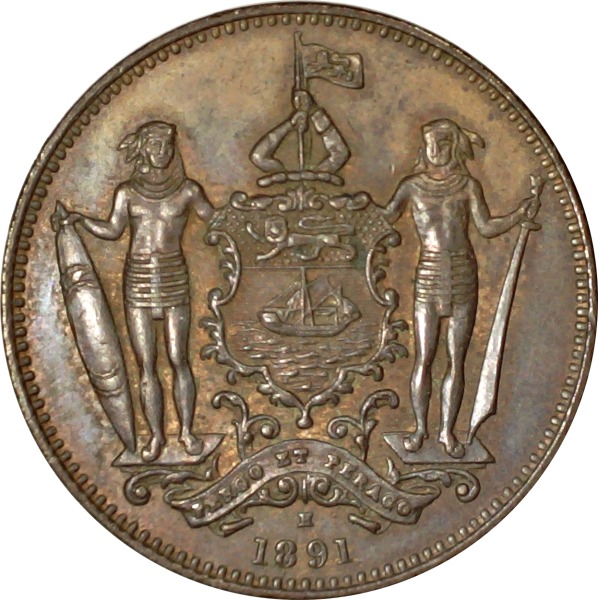
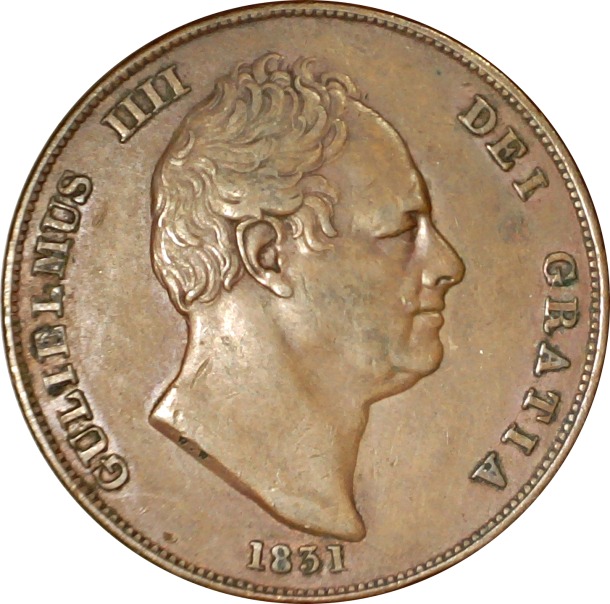
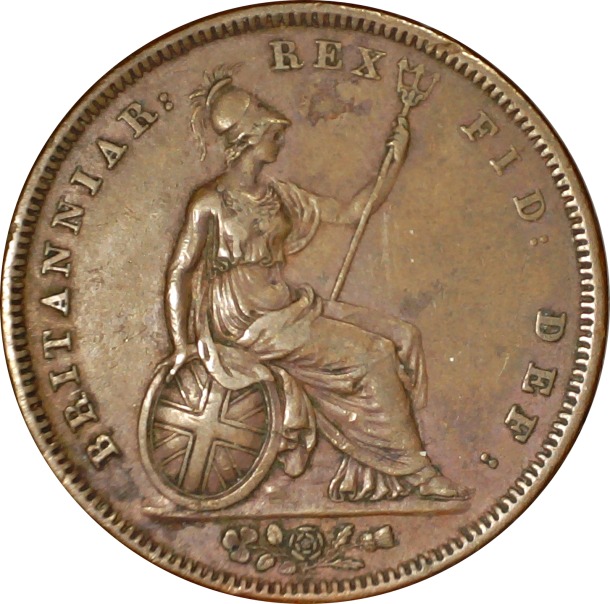
 British & North Borneo 1891H 1 cent AEF and a wrongly attributed 1831 .w.w Copper Penny which is the scarcer variety. Was described as w.w. around VF