| Author |
 Replies: 25 / Views: 7,109 Replies: 25 / Views: 7,109 |
|
Pillar of the Community
United States
5904 Posts |
So I have heard some of you have used acetone to 'conserve' coins, I wanted to find this out for myself, and recently bought a small group of coins at a decent price, arrived today. One of the coin I notice had some green gunk and black dirt built up that I though would be perfect for this test, the reverse around 9 O'clock area has a rough built up that was a bit hard to come off, I brush it with a q-tip lightly under acetone after each soak up. Then I rinses under tap water for about 30 seconds and used a q-tip again to lightly tap dry before going for another 30 minute soaking. The results depends upon individual approval, but its a improvements I like for my first try out, but I wouldn't want to do it to any other coins unless I see similar built up like the original. Any suggestions or comments... 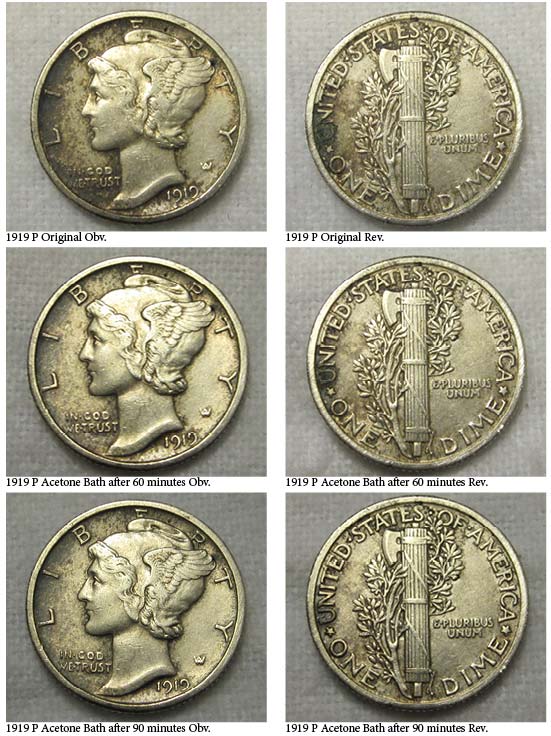 |
|
|
|
Valued Member
United States
280 Posts |
Looks like it worked, macmercury! I need to try that. I have a Mercury dime covered in black stains(for lack of a better word) that will NOT come off. I tried acetone, but it was weak(nail polish remover). I have some industrial strenght stuff that I will put to the test later. |
|
Pillar of the Community
 United States
5904 Posts |
jlgudlitz95,
Be careful with nail polish remover, if you read some of the past posts that nail polish remover is not pure acetone, go to some hardware store like home-depot to buy 100% acetone.
|
|
Valued Member
United States
419 Posts |
Goo gone also works well :)
|
|
Valued Member
United States
280 Posts |
Thanks, macmercury! I'll keep that in mind. HelzelsCoins, I don't think goo gone will work in this situation. Thank you!
|
|
Pillar of the Community
Australia
674 Posts |
Just read this thread- fine results and even better photos- just the right size for easy viewing.  |
|
Valued Member
United States
366 Posts |
Not too bad. I've never tried acetone on non-copper coins.
|
|
Valued Member
United States
419 Posts |
jlgaudlitz95, I've gotten results like those with goo gone, but perhaps you are right.
|
|
Pillar of the Community
United States
1536 Posts |
I know that many consider soaking in acetone and distilled water acceptable forms of cleaning within the numismatic community. I notice it works great at removing PVC damage from coins. I know that I found a very corroded coin in a roll and soaked it in distilled water for like a month and the corrosion came off and even stuck to a worthless foreign coin in the same dish. I don' t that it is not cleaning to soak your coins in acetone or water but it is acceptable unlike harsh cleaning. I have soaked cruddy and corroded coin in acetone and distilled water with positive results. The longer you soak, the better.
|
|
Rest in Peace
United States
10625 Posts |
Quite an improvement! Any thoughts about additional soak time?
|
|
Valued Member
United States
77 Posts |
Even the acetone from home depot isn't actually void of all water.
Reagent grade (what I use from a lab for cleaning stuff) is 99.5% acetone (.5% water is still enough to cause damage), anything claiming 100% is lying and likely cheaper than the lab grade ($200/liter).... But you can make lab grade pretty easily... You need to bake some epsom salts for 4 hours to make magnesium sulfate and put them in the acetone seal + shake, let settle-- it absorb all the moisture and creates a truly anhydrous acetone. If you are cleaning coins I'd highly highly suggest that... I've never cleaned a coin but it works wonders on sticky card cases (100% removed rather than 90% of the gunk)
|
|
Pillar of the Community
United States
1536 Posts |
Quote:
Quite an improvement! Any thoughts about additional soak time? I have heard like an hour but before you do that many start with distilled water. I soak this coin in acetone and distilled water with some improvement but I think to have some real affect, I would have to soak it for like a month in distilled water to remove most of the corrosion. First is before the second is after: 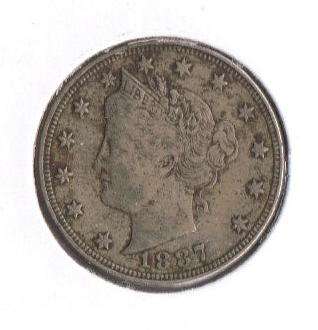 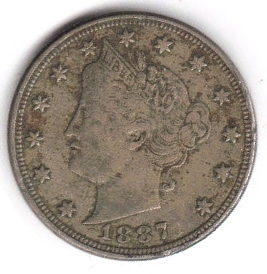 |
|
Pillar of the Community
United States
1536 Posts |
Quote:
Not too bad. I've never tried acetone on non-copper coins.
Really? I hear many not to use acetone on copper since it can change the color. The purpose of using acetone is to remove non-coin related substances from coins not to alter them. |
|
Pillar of the Community
United States
1721 Posts |
Acetone will not alter color or surface. I soaked an Indian Head penny for days and there was no change to color. You may get a change in color due to dirt removed because under the dirt may be corrosion. |
|
Bedrock of the Community
United States
20052 Posts |
Quote:
likely cheaper than the lab grade ($200/liter).... Actually, ACS grade is under $50/L. There's no need to dry acetone for use on coins. Lincoln Cent Lover!VERDI-CARE™ INVENTOR https://verdi.care/
|
|
Pillar of the Community
United States
5904 Posts |
I decided not to soak it any longer, waiting to see how it react in a week or two, take it out and check.
|
| |
Replies: 25 / Views: 7,109 |










 Posted 12/07/2012 11:09 pm


