Coin Community Family of Web Sites Join Thousands of Coin, Bullion, & Money Collectors
Shop for APMEX Bullion on eBay!Vancouvers #1 Coin and Paper Money Dealer 300,000 items to help build your collection! Specializing in Modern Numismatics Coin, Banknote and Medal Collectors's Online Mall Royal Canadian Mint products, Canadian, Polish, American, and world coins and banknotes. Join Thousands of Coin, Bullion, & Money Collectors


Username:
Password:
Save Password
Forgot your Password?


This page may contain links that result in small commissions to keep this free site up and running.

Welcome Guest! Registering and/or logging in will remove the anchor (bottom) ads. It's Free!

Manchu Cash Coins?

To participate in the forum you must log in or register.
Author Previous TopicReplies: 8 / Views: 2,029Next Topic  
New Member
Switch's Avatar
United States
47 Posts
 Posted 07/07/2013  4:02 pm Show Profile   Bookmark this topic Add Switch to your friends list Get a Link to this Message Number of Subscribers
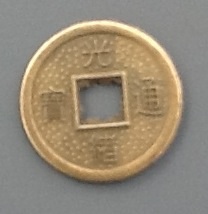
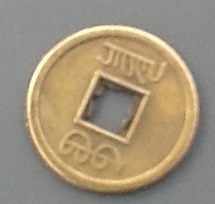
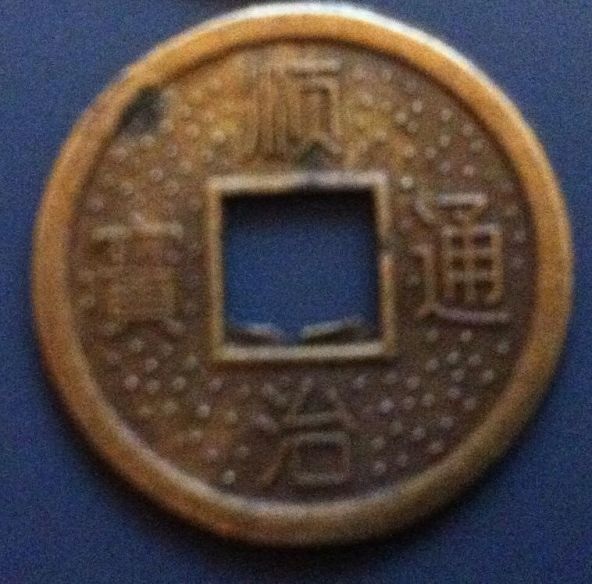
My little brother picked these up at a flea market but I am not sure weather they are real or what exactly they are. Some specifics: they are all the same size and thickness. The Chinese characters vary and have little studs in the backgrounds of the fields. The Manchu script says Boo Ciowan(?)(board of revenue mint). They appear to be brass. I notice die cracks which make these appealing and die struck.

Can anyone give me any information regardless of authenticity about these coins and how to tell if they are real or not?

I have attached pictures of one example, I have 10 of these with varying Chinese characters, but the same mint.

Manchu-Cash-Coins?

Manchu-Cash-Coins?

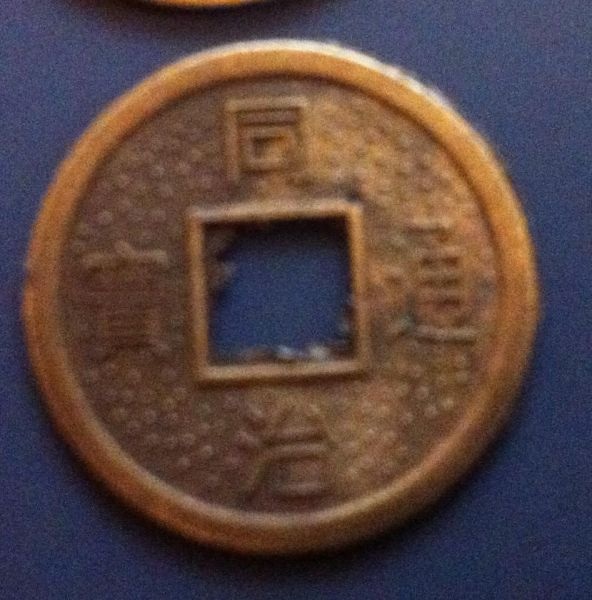
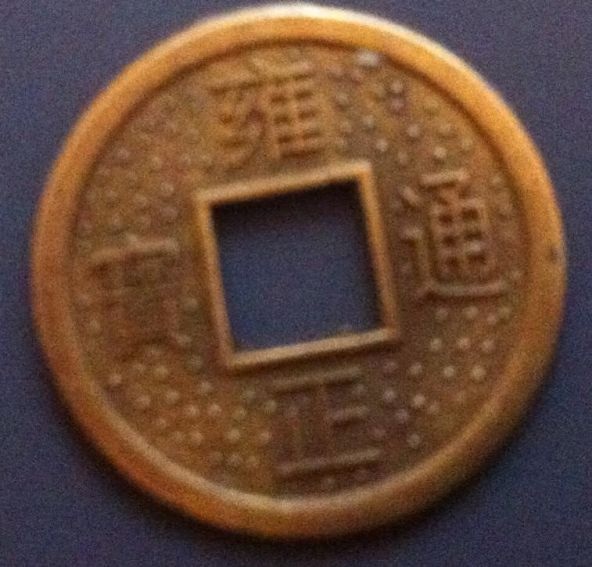
Here are pictures of the varying Chinese characters, all coins share the symbols on the left and right sides.


Manchu-Cash-Coins?

Manchu-Cash-Coins?

Manchu-Cash-Coins?

I appreciate your help and time on this :)
Edited by Switch
07/07/2013 4:24 pm
Pillar of the Community
Archraz's Avatar
United States
3499 Posts
 Posted 07/07/2013  4:16 pm  Show Profile   Bookmark this reply Add Archraz to your friends list Get a Link to this Reply
Switch- I'm sorry to say, but your coin is a struck copy. It is obviously machine-struck, and has other features of modern-day copies and reproductions (the dots in the fields simulating the rough "cast" look of real cash coins,surfaces that are too smooth to be a cast coin, and the rim of the coin indicates that the coin was struck with modern dies.).

So your coins only really have value as novelties.
New Member
Switch's Avatar
United States
47 Posts
 Posted 07/07/2013  4:27 pm  Show Profile   Bookmark this reply Add Switch to your friends list Get a Link to this Reply
No problem. And so I don't mis understand - I thought they started to actually strike these coins (the real ones) in the late 18 / early 19 hundreds. Your post above sounds as though they never struck coins.
Pillar of the Community
Archraz's Avatar
United States
3499 Posts
 Posted 07/07/2013  4:54 pm  Show Profile   Bookmark this reply Add Archraz to your friends list Get a Link to this Reply
Switch- They actually used to cast cash coins up until the last quarter of the 19th century. While there were a couple of types of struck cash coins produced during that time in large numbers, the vast majority of cash coins every produced in china were cast in sand molds.
Pillar of the Community
Archraz's Avatar
United States
3499 Posts
 Posted 07/07/2013  4:55 pm  Show Profile   Bookmark this reply Add Archraz to your friends list Get a Link to this Reply
Also, never did a legitimate cash coin have the dots in the field. They are only present on copies that poorly simulate the rough surface of the fields caused by the casting process.
New Member
Switch's Avatar
United States
47 Posts
 Posted 07/07/2013  4:57 pm  Show Profile   Bookmark this reply Add Switch to your friends list Get a Link to this Reply
Ah cool, thanks. So those dimples are what set it apart from real ones? If they did strike coins during the period these coins represent, why simulate casting?

Also, if the dimples are put there to simulate cast, why not on the back?
Edited by Switch
07/07/2013 5:00 pm
New Member
Switch's Avatar
United States
47 Posts
 Posted 07/07/2013  5:02 pm  Show Profile   Bookmark this reply Add Switch to your friends list Get a Link to this Reply
Got it. :) thanks for the help. Do you know what these would have been if they actually existed in the first place?
Moderator
Learn More...
Sap's Avatar
Australia
16826 Posts
 Posted 07/07/2013  6:28 pm  Show Profile   Bookmark this reply Add Sap to your friends list Get a Link to this Reply

Quote:
So those dimples are what set it apart from real ones?

That, and other things. The style of the script - the "font", if you like - is quite different to the official script used on the coins. While the Chinese characters on the obverse (dimpled side) are technically correct, the Manchu script on the other side is very badly rendered.

Quote:
If they did strike coins during the period these coins represent, why simulate casting?

They did not make struck cash coins until the late 1800s; such machine-struck coins do not have dimpling on them. Prior to this, all cash coins were cast. These copies are machine-struck, because these days, making machine-struck copies is cheaper and easier than making cast copies from sand moulds. The dimples are there to give an at-first-glance similarity to a cast coin.

Quote:
Also, if the dimples are put there to simulate cast, why not on the back?

I would attribute that to "laziness". There are many purposes such replica cash coins are sold for - particularly from Feng Shui supply stores (apparently, the demons can't tell the difference between genuine 300 year old cash coins and modern replicas). But I most frequently see this particular variety of replicas glued onto a piece of cardboard in sets of 10, each coin showing a different emperor of the Qing Dynasty. These guys, for example, sell these replica coins individually, in bundles of three, tied up in assorted lucky arrangements, or in the card-of-ten (about halfway down the page). When they're glued onto a card, only the fronts need to be "realistic-looking", so only the fronts get the dimpling.

Quote:
Do you know what these would have been if they actually existed in the first place?

The first coin imitates a coin of the Guang Xu Emperor (ruled 1875-1908). The second is from the Tong Zhi emperor (1861-1875), the third is from the Yong Zheng emperor (1722-1735) while the fourth is from the Shun Zhi emperor (1643-1661). To get a feel of what genuine cash coins look like, this page is an excellent introduction to Qing Dynasty cash.
Don't say "infinitely" when you mean "very"; otherwise, you'll have no word left when you want to talk about something really infinite. - C. S. Lewis

New Member
Switch's Avatar
United States
47 Posts
 Posted 07/07/2013  6:56 pm  Show Profile   Bookmark this reply Add Switch to your friends list Get a Link to this Reply
That's great, I really appreciate this educational post. Thanks a lot for the answers. :)
  Previous TopicReplies: 8 / Views: 2,029Next Topic  

To participate in the forum you must log in or register.


Disclaimer: While a tremendous amount of effort goes into ensuring the accuracy of the information contained in this site, Coin Community assumes no liability for errors. Copyright 2005 - 2026 Coin Community Family- all rights reserved worldwide. Use of any images or content on this website without prior written permission of Coin Community or the original lender is strictly prohibited.
Contact Us  |  Advertise Here  |  Privacy Policy / Terms of Use

Coin Community Forum © 2005 - 2026 Coin Community Forums
It took 0.29 seconds to rattle this change. Forums