











 Posted 08/26/2013 09:40 am


Hello and welcome. 
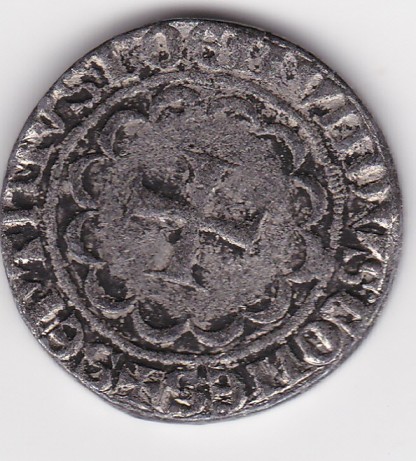
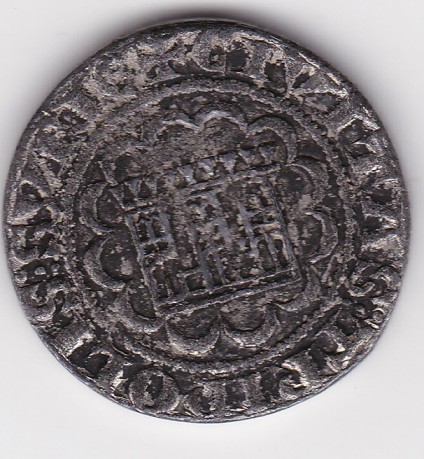
I hate to bring up the subject, but the Tripoli coin is very commonly faked, for such obscure coinage; this company at least includes one in its sets of "Crusader coins". The only ones that have turned up on the forum before, such as here and here, have turned out to be fakes. They all, like yours, appear fuzzy and "grainy" - a typical sign of a cast replica.
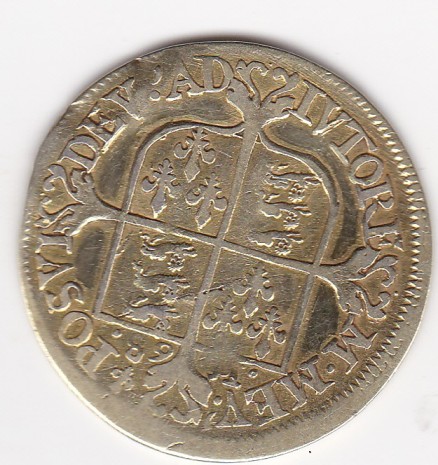
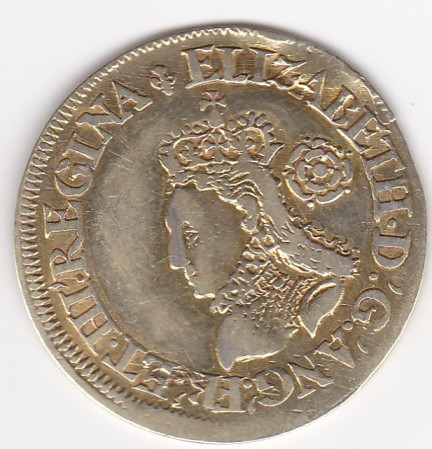
As for your "hammered gold shilling", sorry, but I'm afraid that's incorrect on all three counts. This coin is actually from the brief Milled series of Elizabeth I, not hammered. Although this coin is about the size of a latter-day shilling, this is actually a sixpence; shillings did not bear dates, whereas your coin is dated 1568. And no, neither sixpences nor shillings were struck in gold. Gold coins roughly sixpence-sized were struck at about the same time as this sixpence (milled gold crowns); they have a similar design but the shield is crowned and the motto is different; compare with this example.
Gold and silver coins usually had distinctly different designs; this made it harder for someone from gold-plating a silver coin and attempting to pass it as gold. Some people tried to do this anyway; this may explain why your shilling was gold plated. Another explanation is that someone plated it simply to look nicer when mounted in jewellery; given the damage to your coin around the ZA in ELIZABETH, I'd say your coin was mounted in some fashion at some stage.
I hate to bring up the subject, but the Tripoli coin is very commonly faked, for such obscure coinage; this company at least includes one in its sets of "Crusader coins". The only ones that have turned up on the forum before, such as here and here, have turned out to be fakes. They all, like yours, appear fuzzy and "grainy" - a typical sign of a cast replica.
As for your "hammered gold shilling", sorry, but I'm afraid that's incorrect on all three counts. This coin is actually from the brief Milled series of Elizabeth I, not hammered. Although this coin is about the size of a latter-day shilling, this is actually a sixpence; shillings did not bear dates, whereas your coin is dated 1568. And no, neither sixpences nor shillings were struck in gold. Gold coins roughly sixpence-sized were struck at about the same time as this sixpence (milled gold crowns); they have a similar design but the shield is crowned and the motto is different; compare with this example.
Gold and silver coins usually had distinctly different designs; this made it harder for someone from gold-plating a silver coin and attempting to pass it as gold. Some people tried to do this anyway; this may explain why your shilling was gold plated. Another explanation is that someone plated it simply to look nicer when mounted in jewellery; given the damage to your coin around the ZA in ELIZABETH, I'd say your coin was mounted in some fashion at some stage.
Don't say "infinitely" when you mean "very"; otherwise, you'll have no word left when you want to talk about something really infinite. - C. S. Lewis


