| Author |
 Replies: 11 / Views: 1,364 Replies: 11 / Views: 1,364 |
|
|
Valued Member
United States
401 Posts |
Ever since I started participating on CCF after trolling foe years, I've always been amazed at the knowledge of guys like Philly & Vermont and their ability to identify Colonial coins. This ugly nugget of American history should be a good challenge for them, or anybody else. All I can tell is it is dated 1788 and I'm pretty sure it's from Connecticut given what looks like "Auctori" on the obverse and "inde ...." on the reverse, and the 8 in the one position is noticeably larger than the tens. Good luck! obv 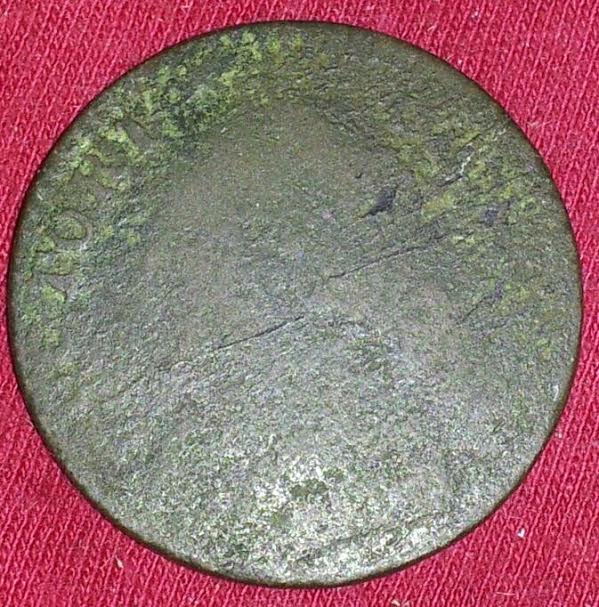 rev 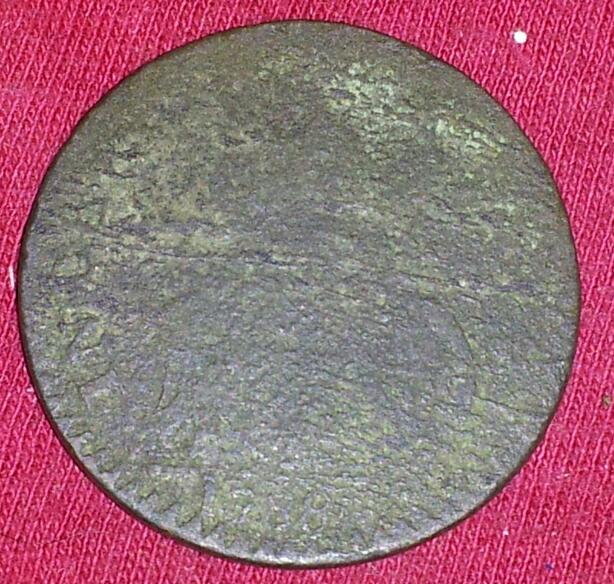 Image with date viewable  |
|
|
|
Pillar of the Community
United States
3253 Posts |
Those big triangular denticles are screaming Machin's Mills Connecticut! And I think the reverse that has them pointing at the letters in the date in that configuration is Miller-E. What does everyone else think? And any thoughts on the obverse? 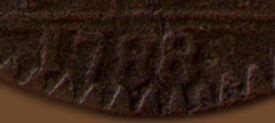 Edited by philadelphian
02/16/2014 12:09 pm
|
|
Moderator
 United States
23522 Posts |
Leave it to philadelphian to not only identify this electrical box knockout, but come up with an attribution.  |
|
Rest in Peace
United States
4078 Posts |
Quote:
to not only identify this electrical box knockout,  Nice quiz Paddy Murphy! |
|
Valued Member
 United States
401 Posts |
these guys are good, I forgot to mention the teeth shaped denticles...
|
|
Moderator
United States
16695 Posts |
AUCTORI and INDE plainly visible. 1788 would definitely put this at the Mills.
Miller-E .
I think we can rule out the 7 and 9 obverses.
swcoin.ecrater.com
|
|
Pillar of the Community
United States
3253 Posts |
Really, v? What rules out 7 and 9 for you?
|
|
Valued Member
United States
401 Posts |
Anothert hint that might help in identifying. In hand there appears to be a major die crack through the middle of the coin
|
|
Moderator
United States
16695 Posts |
Well, I've ruled out 7-F.2 and 7-K based on the positioning of TORI.
9-E? Again same. Only obverse.
12.1-F.1 and 12.1-E are also looking elusive to this obverse.
Not sure if I can attribute the die crack to any known reverse. p?
My observations at least :-)
swcoin.ecrater.com
|
|
Pillar of the Community
United States
3253 Posts |
I don't think that's a die crack, but rather, a ridge formed by planchet striations, made more prominent as corrosion took away the softer metal to either side.
|
|
Pillar of the Community
United States
3253 Posts |
Have another look at obverse 9. See how T and O are closer together than they are to the C and the R? Also, see how the upright of the T tapers from bottom to top, like a pyramid? 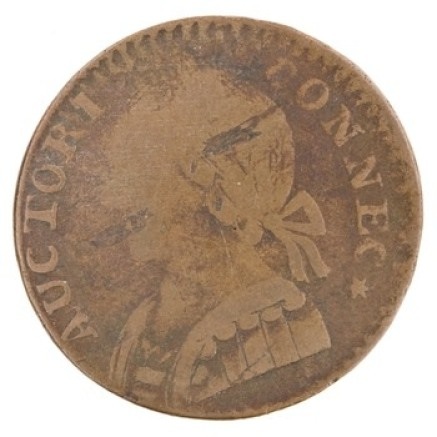 |
|
Pillar of the Community
 United States
2366 Posts |
OK, I'm just an observer in this thread and once again so impressed with our experts. Vermontensium, P, and others just keep bringing so much talent to these threads.
Member ANA and EAC "You got to lose to know how to win". Dream On by Aerosmith |
| |
Replies: 11 / Views: 1,364 |
|










 Posted 02/16/2014 1:05 pm


