| Author |
 Replies: 7 / Views: 1,830 Replies: 7 / Views: 1,830 |
|
|
New Member
United States
18 Posts |
I am wondering if the 4 coins below are modern forgeries (I know that there is a difference between "ancient fake coins" and "fake ancient coins"). They were part of a lot of "uncleaned" coins I bought (that were not a random lot) not too long ago. I have read some of the links posted on this site about "fake ancient coins" but I don't seem to be absorbing the information. I'm wondering if there is a basic "how to identify fake ancient coins for dummies" link that simplifies everything. Even with pictures, I'm still not understanding how to tell simple differences. I know the photos aren't that good. I'm not sure if these Roman coins are from the same time period but they all look similar (same emperor perhaps?). Keep in mind I'm still "new" to collecting. So if these are modern forgeries of ancient coins, these coins would be a good starting point for learning. Assuming they're genuine and real historical coins, is it possible to date them? Here they are anyway... Coin 1: 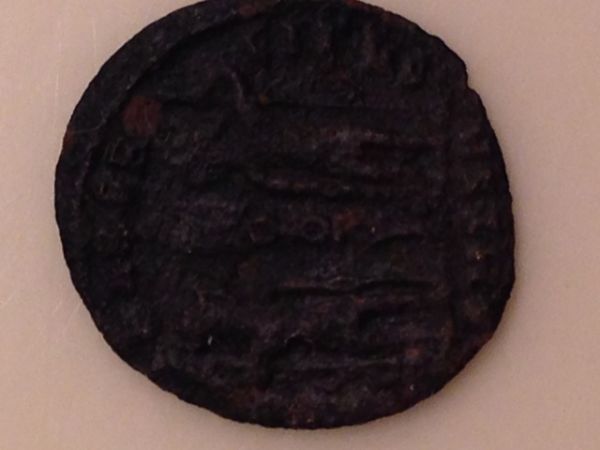 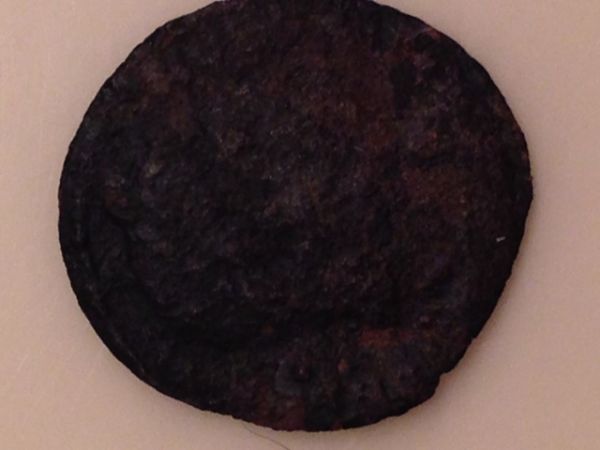 Coin 2: 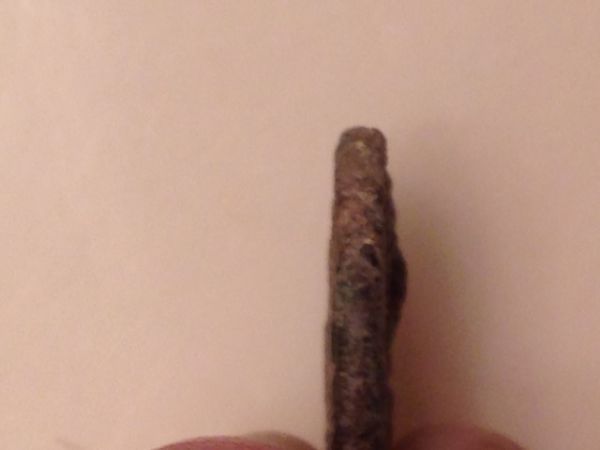 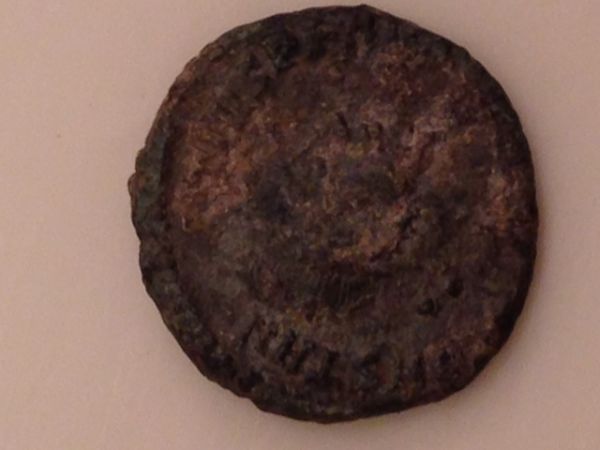 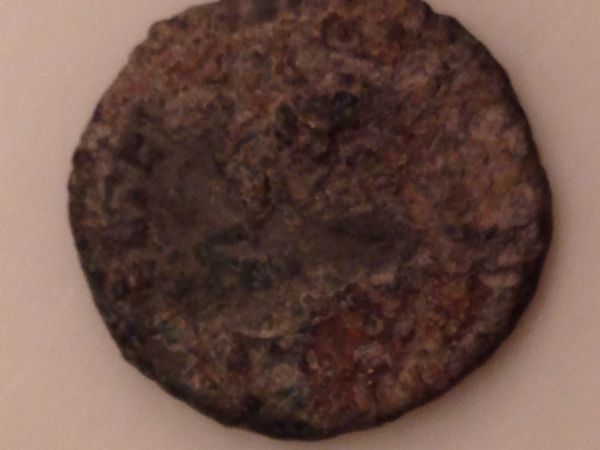 Coin 3: 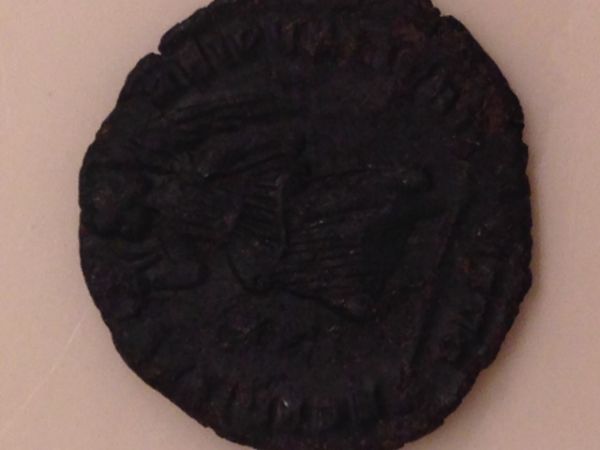 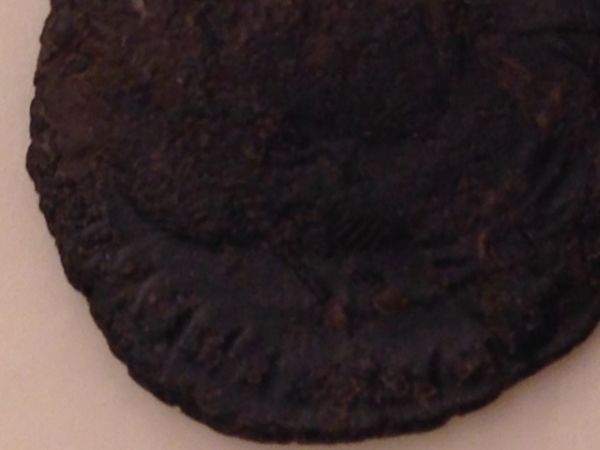 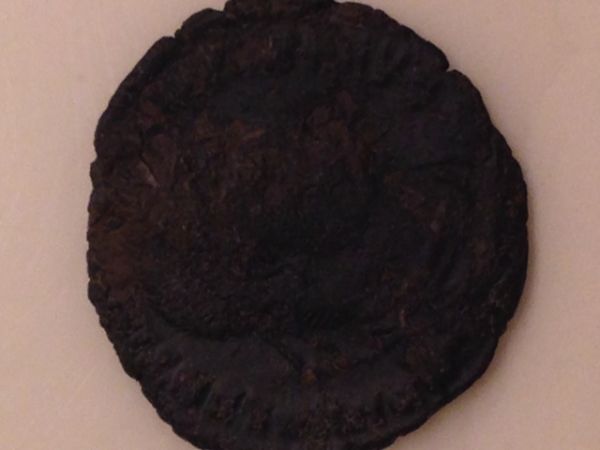 Coin 4: 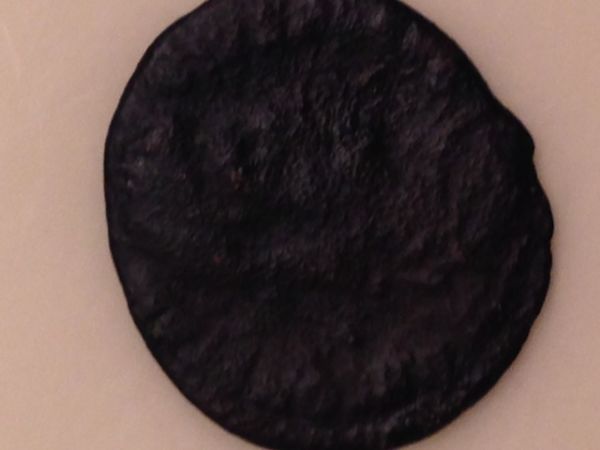 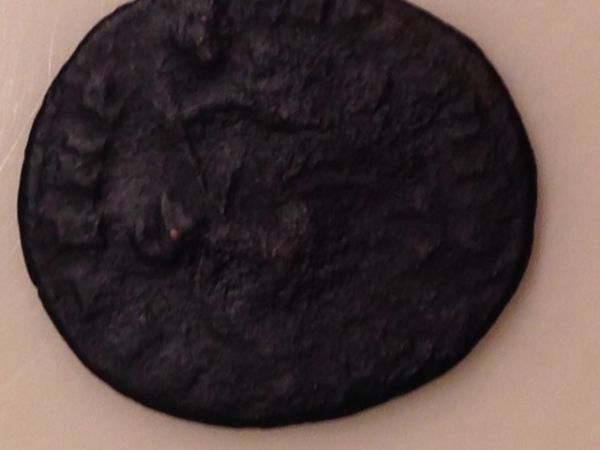 They seem oddly suspicious to me. I don't know if you can tell whether they are fakes or not from the photos however. |
|
|
|
Moderator
 United States
23731 Posts |
Please only post one or two coins at a time. The coins appear to be real just corroded and dirty.
|
|
New Member
 United States
18 Posts |
Okay sorry about that. I will make sure to only post one or two coins at a time from now on.  Is the best way to start cleaning them simply by soaking them in water for a period of time? |
|
Moderator
Australia
17007 Posts |
Quote:
I'm wondering if there is a basic "how to identify fake ancient coins for dummies" link that simplifies everything. The problem with providing such general information is that it is almost useless. This is because just about every symptom you can name on a fake coin can also appear on genuine coins, given the right (or wrong) conditions. Corrosion on a genuine coin can resemble casting bubbles, for example. Likewise, signs that a coin is genuinely old (such as silver crystallization) can sometimes appear on fake coins. Hard and fast rules that a beginner might like to find and follow rigidly (like "bubbly surfaces are fake") simply have too many exceptions to the rules. Even really simple rules (like "cast coins are fake") have exceptions (in this case, early Roman and Sicilian bronzes and Chinese coins). Quote:
So if these are modern forgeries of ancient coins, these coins would be a good starting point for learning. Assuming they're genuine and real historical coins, is it possible to date them? Here is part of the problem. You're working backwards. Your first question should be, "what is this coin?". You cannot verify the authenticity of something whose identity is unknown. Once you have the coin properly identified, you can then compare it with genuine examples of that coin and see if the style, appearance, fabric etc. match what you see. If, for example, we identify one of your coins as a silver tetradrachm, it would be safe to conclude that that one is fake - because none of your coins are silver. Don't say "infinitely" when you mean "very"; otherwise, you'll have no word left when you want to talk about something really infinite. - C. S. Lewis
|
|
Pillar of the Community
United States
5010 Posts |
accipiter, go to our sticky one books and websites...tons of good stuff there.
the first two links posted there my be especially useful for iding your coins.
they look fine to me, just in rough shape. in the pictures, I can't really guess if they'd clean up or not. putting them in distilled water, pricking with a toothpick and scrubbing with a toothbrush is a good way to clean them. some people use olive oil ( I do myself sometimes).
|
|
Bedrock of the Community
Australia
21792 Posts |
Sap has said it exactly right.
I love buying poor condition ancient coins out of dealers' junk bins, just for the challenge of identification.
Not much money is needed to buy them. You can double your money (or more), if you can fully identify them.
Once the coin has been identified, you are then on the first step towards authentication.
If it is genuine, it goes into my collection of genuine 'rat' ancient coins; if it is fake, it goes into my reference collection of fake coins
In this case because of their poor condition, they would be really hard to identify from pictures only. I would like to own them and take my time to closely examine them 'in hand'. I would start off with the idea that they ARE genuine, but my mind would remain open.
I have three different approaches to the identification of ancient coins:
1. My book references I am fortunate enough to have quite a reasonable library on ancient coins.
2. Comparison with data bases for
a) ancient coins
b) fake ancient coins. I have about 100 fake ancient coins in a reference collection for my own education.
c) Wildwinds
d) coins for sale, the best and largest data base for this is VCOINS.
3. If all else fails, I will humbly take my coin, cap in hand, to a couple of coin dealer friends of mine, both of whom would be considered to be the best authorities on ancient coins in Australia.
Edited by sel_69l
07/11/2014 05:54 am
|
|
Pillar of the Community
United Kingdom
946 Posts |
Low grade run-of-the-mill Late Roman Bronzes.
You will be relieved to know they are all genuine.
|
|
Valued Member
Jordan
137 Posts |
toothpick and scrubbing with a toothbrush is a good way to clean them. some people use olive oil ( I do myself sometimes).
|
| |
Replies: 7 / Views: 1,830 |
|










 Posted 07/09/2014 7:54 pm


