








 Posted 07/16/2014 11:41 pm


Hello and welcome. 
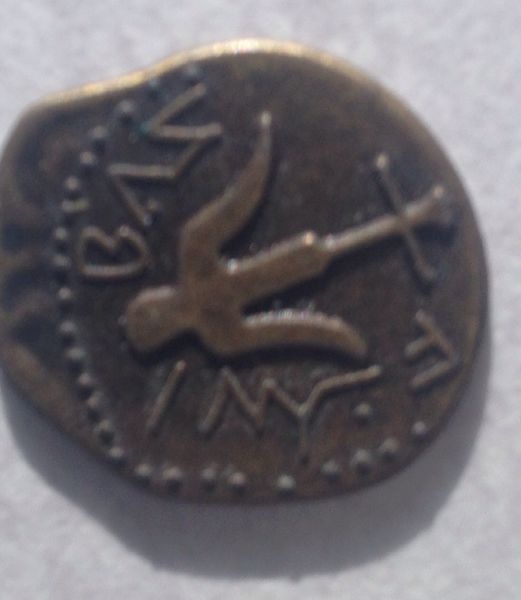
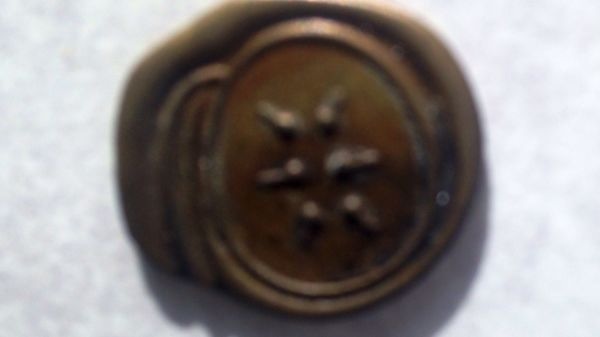
Sadly, nalaberong is (almost*) correct. It's a replica of a "Widows mite", more properly known as a bronze prutah of Maccabean king Alexander Jannaeus. They sell these replicas by the bagful to be given away in Sunday Schools, youth groups, churches etc. We see them several times a year here on the forum. Here's a recent thread with another one just like it.
* - Nalaberong is confusing two Biblical coin-stories. The coins given to Judas for betraying Jesus were "thirty pieces of silver", usually represented in coin collections by shekels or tetradrachms from the city of Tyre; Tyrian tetradrachms are also fairly commonly replicated also because of their "biblical" connection, but nowhere near to the extent that these replica Widows Mites can be found. The genuine Widow's Mite is not silver, but a tiny copper coin, used by Jesus in a story that illustrates truly generous giving.
Sadly, nalaberong is (almost*) correct. It's a replica of a "Widows mite", more properly known as a bronze prutah of Maccabean king Alexander Jannaeus. They sell these replicas by the bagful to be given away in Sunday Schools, youth groups, churches etc. We see them several times a year here on the forum. Here's a recent thread with another one just like it.
* - Nalaberong is confusing two Biblical coin-stories. The coins given to Judas for betraying Jesus were "thirty pieces of silver", usually represented in coin collections by shekels or tetradrachms from the city of Tyre; Tyrian tetradrachms are also fairly commonly replicated also because of their "biblical" connection, but nowhere near to the extent that these replica Widows Mites can be found. The genuine Widow's Mite is not silver, but a tiny copper coin, used by Jesus in a story that illustrates truly generous giving.
Don't say "infinitely" when you mean "very"; otherwise, you'll have no word left when you want to talk about something really infinite. - C. S. Lewis


