Not worth anything according too these guys but maybe interesting to note that they are dealing with millions of a type of coin and when
occurs its on many many coins but since NCLTs have mintage's of 7500 10000 20000 etc, who is to say a
is rare or not as it may only affect a few coins..and then hence could be called "rare"
Quote:Unlike genuine doubled dies for which the doubling is on the die itself (hence the term "doubled die"),
Mechanical Doubling is the result of loose parts in the coining press. These loose parts allow the dies to shift and/or bounce slightly at the moment of impact when the coin is being struck. This slight shifting and bouncing of the dies is what causes the flat, shelf-like appearance of
Mechanical Doubling.
The loose coining press parts result from the continuous pounding of the presses as they strike coin after coin, and from wear on the coining press parts. The coining press operators have reported that when they see this doubling on the coins, all they have to do is grab their tools and tighten up all of the loose parts in the coining press. As soon as those loose parts are tightened, the doubling no longer occurs.
As we indicated before, this form of doubling is extremely common with numerous examples being produced on all denominations every year. Most serious doubled die collectors view this type of doubling as a form of damage to the coin rather than a collectible form of doubling. We are not saying that you cannot collect this form of doubling, if you are interested in it. Rather, we are saying that you should know the difference between the two forms of doubling and label them properly. Knowing that
Mechanical Doubling is an extremely common form of doubling you also need to be very realistic about any values that are assigned to coins with this common form of doubling.
Quote:You just found a coin that clearly has doubling to one or both sides of the coin. You have been reading about doubled dies being found and you have been watching them bring nice prices at the on-line auctions sites such as
ebay. It is somewhat apparent to you that doubled dies are usually worth more than "normal" coins. At this point it is natural for you to start getting a bit excited. However, you need to be aware that there are other forms of doubling on coins.
Unfortunately these other forms of doubling are quite common and basically worthless to serious collectors of die varieties with doubling such as doubled dies. Most serious collectors of doubled dies view these other forms of doubling as a type of damage to the coin rather than a collectible form of doubling. As such, there is no extra value assigned to coins that feature these common forms of doubling.







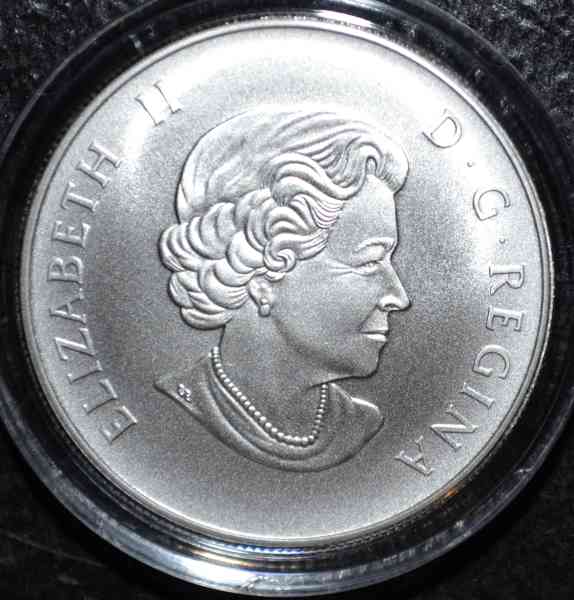
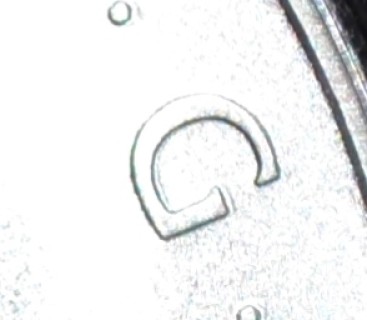
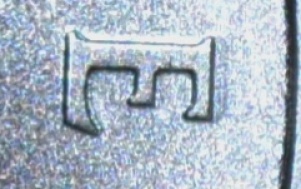


 !!
!!
 Posted 10/07/2014 12:08 pm





