Oh, and I forgot your question...
quote:
Why would coins have been issued after Alexander the Great died and without a date on the coin how can you tell?
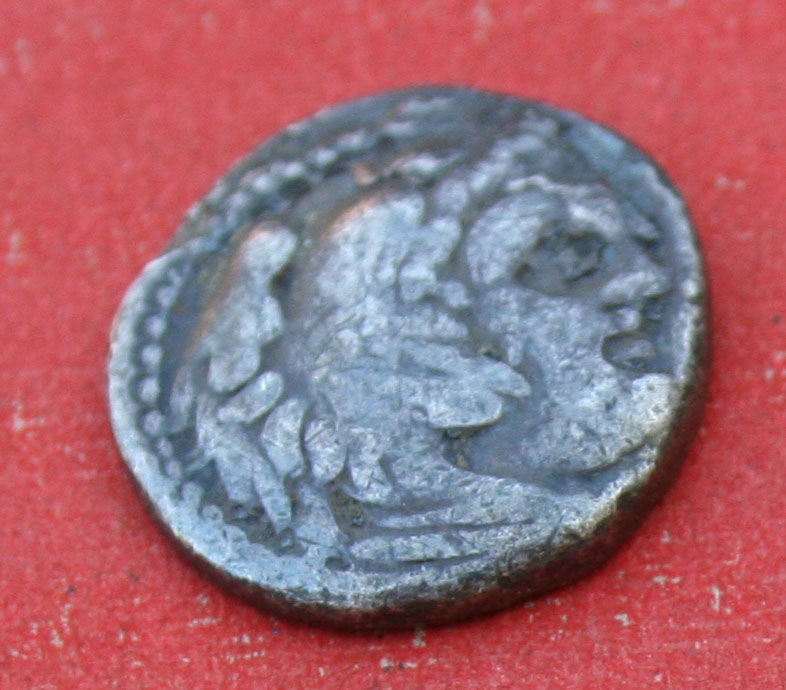
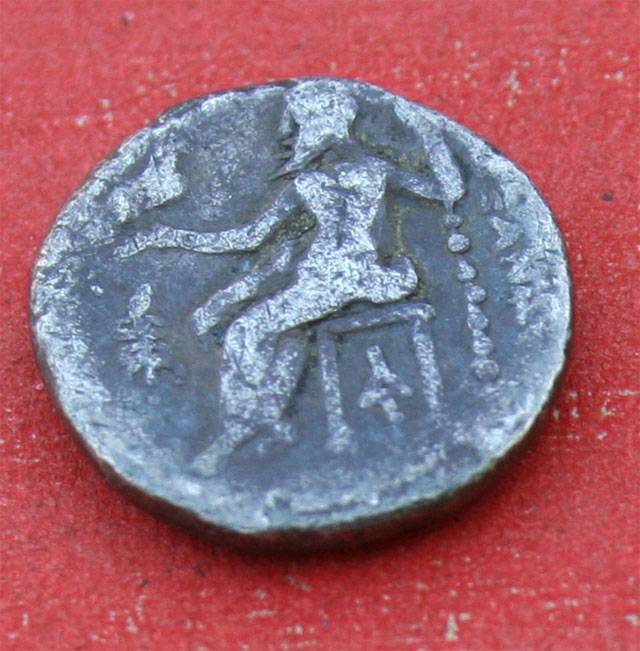
Why would coins be issued in the name of a dead king, sometimes even a century or more after he had passed away?
Well, the times following Alexander's death were chaotic and tumultuous, with rival splinter kindgoms vying for control of the most lucrative parts of Alexander's empire. Coinage had to still be made, but in a time when a city could be punished for choosing the losing side in what amounted to a civil war, coins bearing Alexander's name were a nice safe bet no-one would object to.
Also, they were issued as a "remember the good old days" piece, effectively a commemorative coin in honour of the man that led the Greeks to greatness - and whom each of the kings and warlords claimed to be the rightful heir of.
Finally, a warlord or city that hadn't earned a reputation yet (or worse, had earned a reputation for issuing shoddy, debased coinage) could attempt to disguise their coinage my making it appear similar to the widely accepted and still commonly encountered coins of Alexander.
As to how to date or determine the mint-location for coins of such a series, the only thing that can be done is meticulous study of hoard evidence and such. People have written specialist books on how to determine date and mint of these coins (which I don't have). There is a general rule of thumb for tetradrachms that "crossed legs means it wasn't made during Alexander's lifetime", but on reading Sear it seems this rule may not apply to drachms. It may well be a lifetime issue after all.
Don't say "infinitely" when you mean "very"; otherwise, you'll have no word left when you want to talk about something really infinite. - C. S. Lewis







 ancient1.jpg
 ancient1a.jpg
 ancient2.jpg
 ancient2a.jpg
 ancient3.jpg
 ancient3a.jpg
 ancient4.jpg
 ancient4a.jpg


 Posted 09/04/2007 04:15 am


