| Author |
 Replies: 9 / Views: 1,676 Replies: 9 / Views: 1,676 |
|
|
Pillar of the Community
United States
1599 Posts |
I have been focusing on varieties, errors in my wheat cents lately (particularly rpm's). I have found a couple of DDO's but have a question about thickness. I have gotten a little better at spotting the DDO on the devices, but cant get in my brain the idea of thickness as it relates to the DDO. I can clearly see thickened devices especially when there is an evident second strike and on some they are clearly PMD and wear. However, on many I cant see anything that clearly indicates PMD or not but the devices are thicker than normal. The second coin below has thickened devices from the first but no evident secondary strike; so, on these coins, is there something specifically that I need to be looking for? The absence of something clearly indicating PMD would not automatically suggest a DDO, so.....any help? Please excuse the rambling. 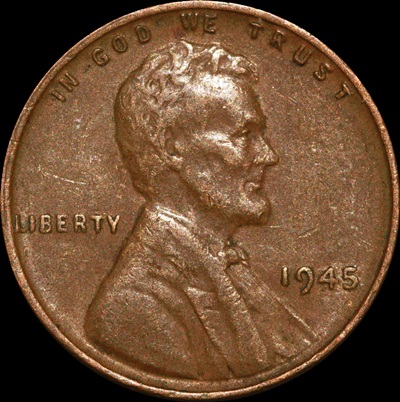 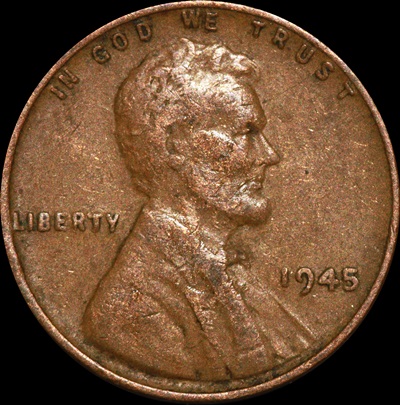 |
|
|
|
Moderator
 United States
56855 Posts |
Some years and some mint mark types have a normally thick look because of the way the dies were designed. A full strike might also give the appearance of thicker looking devices and an over abraded die would give the appearance of thinner devices because some of the intended "thickness" has been removed. I hope that helps a bit,coop can tell you more and make more sense then I. John1  |
|
Pillar of the Community
United States
3362 Posts |
I have been struggling with that question also. Many posts here will have responses that say "No that's not doubling" when it appears that there is extra thickness, but there is no explanation given as to why. Explanations of why it is not would help.
On your coin here, when I see those, I think extra wear because the devices (especially the date in this case) appear flatter rather than slightly rounded. Maybe that is not a legitimate way of looking at it?
|
|
Bedrock of the Community
United States
62064 Posts |
Thickness of the devices and RPMs are caused when the die was created. On a doubled die the die was hubbed differently from the first/second/third hubbing. Different hubs were used, or the die get distorted from heating/creating the new dies. Keep in mint when a die is created, they are usually hundreds of dies created. On the pre-single squeeze dies they were heated, cooled, hubbed several times to create a die. This process was a longer process. The heating, cooling and even giving the dies a rest were done on each die where, 4 or 1,000 die created. During this process the hubs may warp, causing distortion (We love) and refer to these as doubled dies. The coins are only struck once on business strike coins. They are created at a very fast pace. Machine Doubling damage happens with just one strike that may move in several directions on the planchet. Each strike may be different until they adjust the machine to make it run normal again. Proof coins are struck twice and on some denomination even more times. So the thickness of the devices are on the die. Each coin will show the same hub doubling from that die. Some die wear may affect some of the outside edge devices like we would find on class 2 doubled dies. But the interior devices will not show the die wear that makes some doubled die not show the doubling we like to see. On RPMs the punch is used to create a mint mark and is punched several times. If they don not land in the desired area and are not exactly on top of each other with the punches, then a RPM is created. Again the thickness is on the die. If the machine damages the devices/mint mark, they are not a variety, just a coin with machine damage on the devices, called MD. Sounds like someone should start a new thread with these questions? Keep the questions simple per post and show an example and I can add an image show show what is referred to. I have so many on different subjects. I have some images that have never been posted before because a question hasn't been asked yet on that subject. |
|
Pillar of the Community
United States
3644 Posts |
If clear seperation lines can't be seen on a doubled die then is notching a good indicator to look for? Will we always find either seperation lines or notching on a doubled die?
|
|
Pillar of the Community
United States
3362 Posts |
|
|
Pillar of the Community
United States
853 Posts |
Pete:
The one you are referring to is after the single squeeze method was started. The single squeeze process creates a "different" type of doubled die. Multi-squeeze hubbings created the "normal" doubled die; as in the 1972, 1955 majors. Most times, the newer, single squeeze doubled dies don't show notching, just thickness. I wish the mint would have just stuck with the old style of hubbing. Confusion would have been at a minimum.
|
|
Pillar of the Community
United States
3362 Posts |
jay - thanks. When did the single squeeze start?
|
|
Bedrock of the Community
United States
62064 Posts |
Sometime in the 1980's. I'm not sure of the year right now. The devices profile reduced a lot with this process. Shallow dies reduced the height of the devices.
|
|
Pillar of the Community
 United States
1599 Posts |
I think it started in 89.
|
| |
Replies: 9 / Views: 1,676 |
|








 Posted 11/28/2014 09:20 am


