










 Posted 02/24/2015 10:53 pm


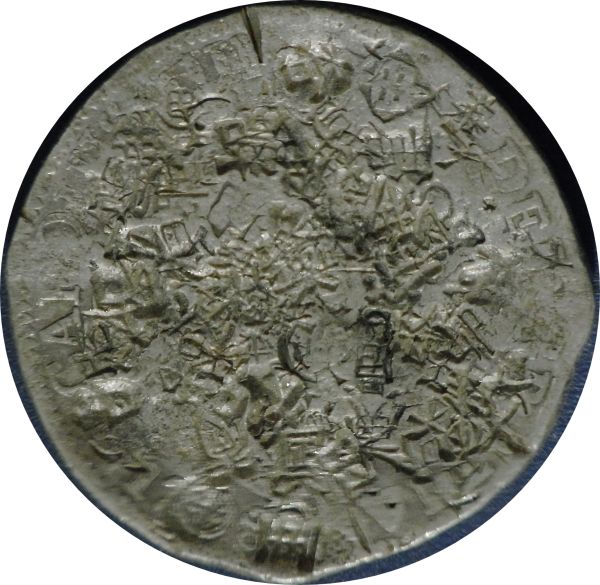
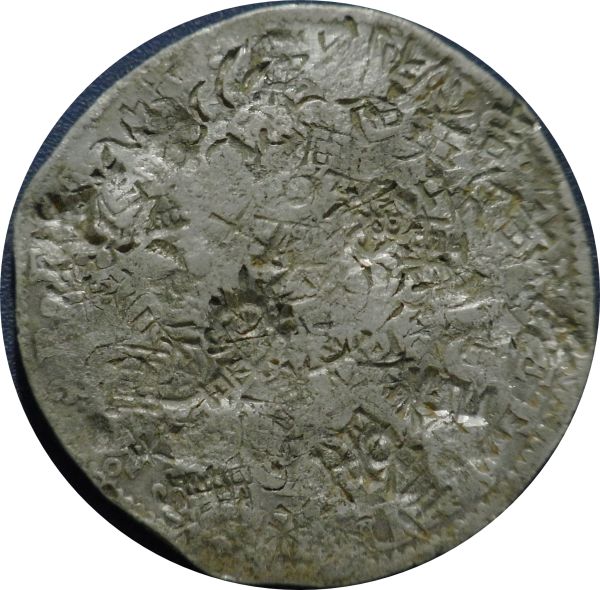
At times, counterfeiters and forgers have both used chops to obscure problems with their work - however, in this case, I tend to agree with Numismat.
Typically forgers (making numismatic fakes) leave the date, mint and assayer clear so that the coin sells as a distressed rarity. This example damages all three elements and the coin - 1778 Mo FM - is NOT A RARITY. The margin at sale is too low to justify a silver forgery so unless the coin is NOT silver there is no justification as a forgery.
On the other hand, counterfeiters (making fakes to circulate) tend to use chops in a more random way to authenticate their work. They pre-chop their work in hopes of avoiding other tests. After too much damage Portrait 8 reales lost their premium value (at least in China) so a portion of the incentive for counterfeiting was lost by over-chopping their work.
So a heavily chopped common date 8R is unlikely to be a fake unless it is largely base metal.
Typically forgers (making numismatic fakes) leave the date, mint and assayer clear so that the coin sells as a distressed rarity. This example damages all three elements and the coin - 1778 Mo FM - is NOT A RARITY. The margin at sale is too low to justify a silver forgery so unless the coin is NOT silver there is no justification as a forgery.
On the other hand, counterfeiters (making fakes to circulate) tend to use chops in a more random way to authenticate their work. They pre-chop their work in hopes of avoiding other tests. After too much damage Portrait 8 reales lost their premium value (at least in China) so a portion of the incentive for counterfeiting was lost by over-chopping their work.
So a heavily chopped common date 8R is unlikely to be a fake unless it is largely base metal.


