| Author |
 Replies: 20 / Views: 3,549 Replies: 20 / Views: 3,549 |
|
Valued Member
United States
249 Posts |
I've had a customer bring in these two (apparently?) Roman coins: I've had them under magnification and they're not cast... but there are good copies I guess of anything. Any thoughts appreciated! regards, mitch 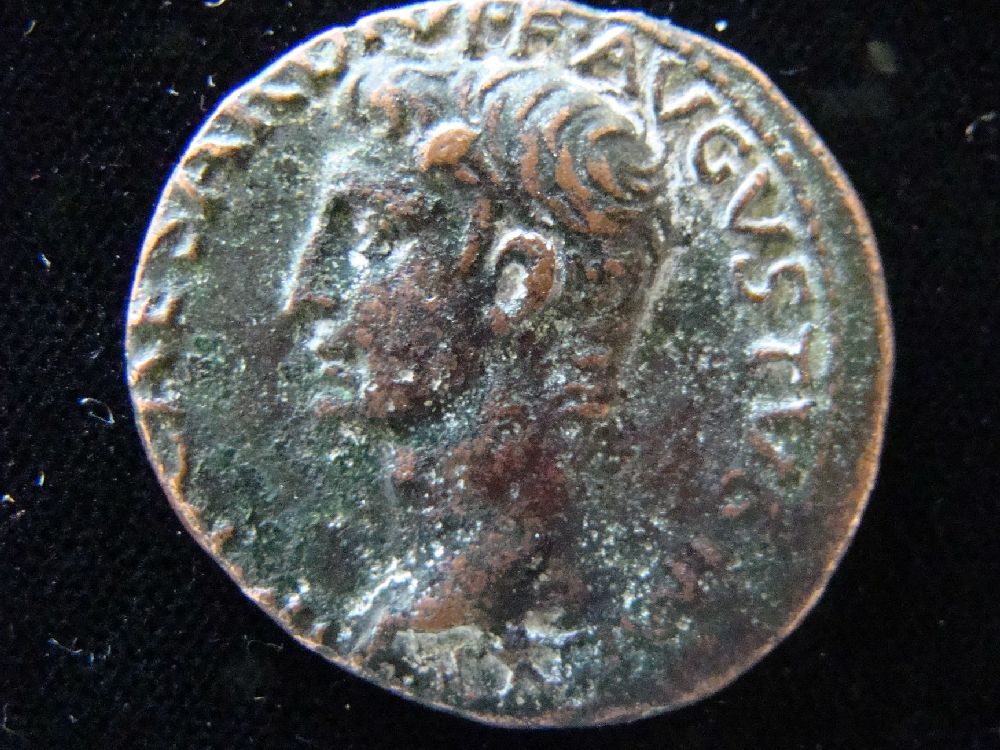 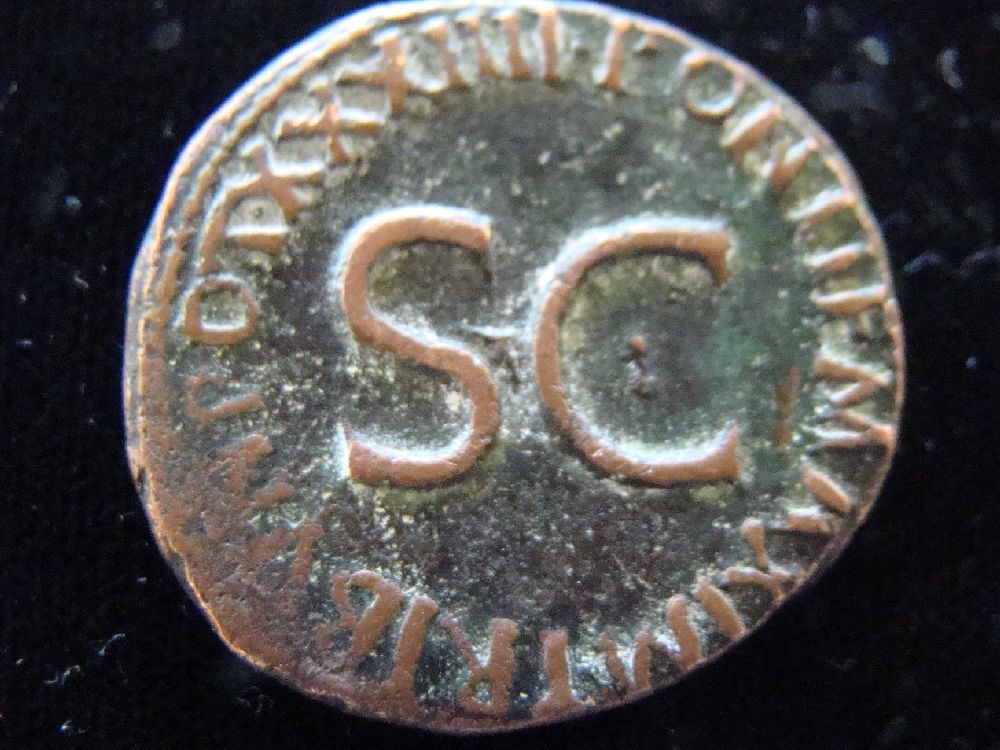 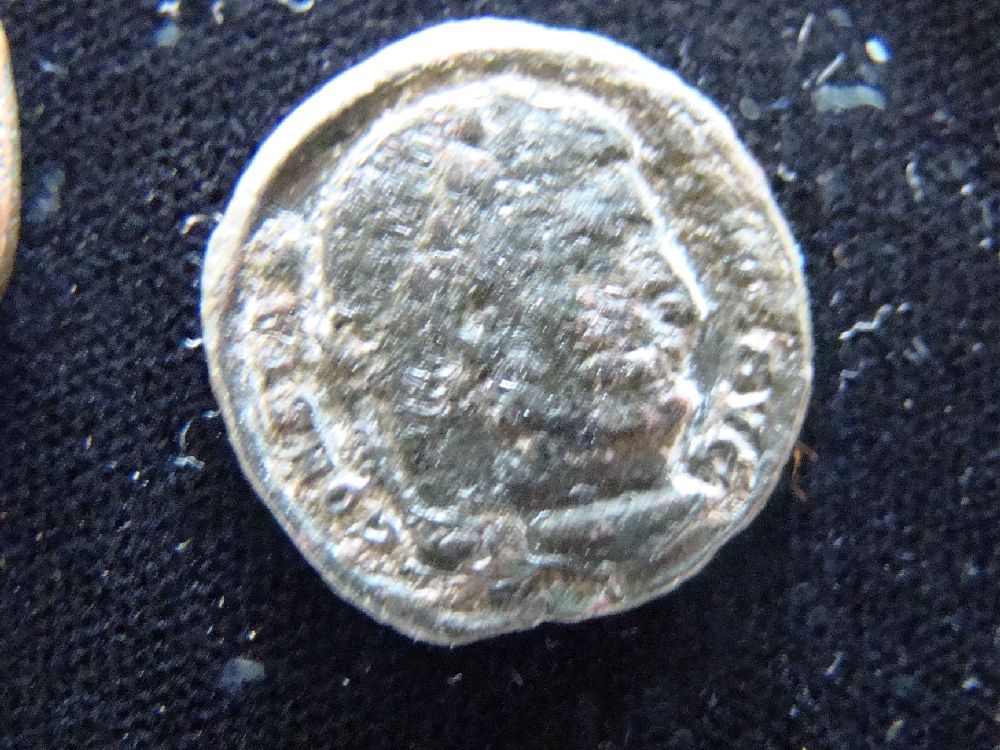 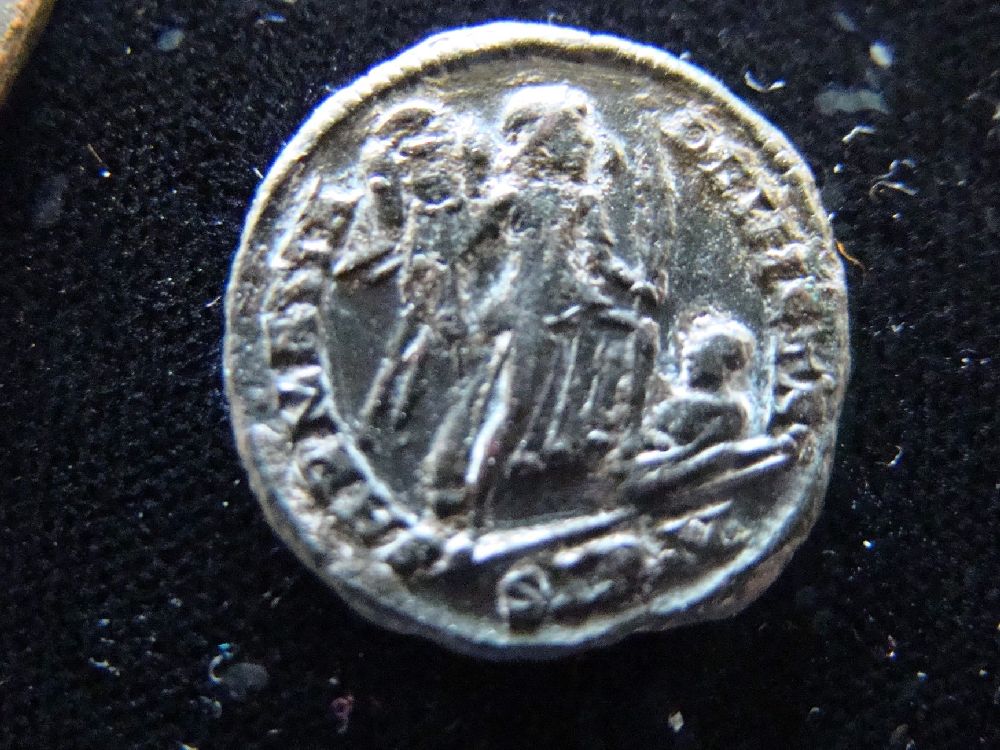 Edited by rynegold
03/25/2015 4:52 pm
|
|
|
|
Pillar of the Community
United Kingdom
3626 Posts |
I am a bit confused. It seems like the same picture. May we please see each side of the two coins and if you have information on size and weight, it might help.
|
|
Moderator
 United States
23731 Posts |
Can you post a picture of the reverse? Try using the upload service provided here. Use the Reply to Topic and go to upload image.
|
|
Pillar of the Community
Italy
1790 Posts |
Its the Divine Augustus!  |
|
Pillar of the Community
United Kingdom
3626 Posts |
AHA! Click on the flickr link
|
|
Pillar of the Community
Italy
1790 Posts |
I take it he likes knives  Looks like a SC reverse for that Augustus As.  Edited by Augustus Maximus
03/24/2015 6:20 pm
|
|
Valued Member
 United States
249 Posts |
Ok, I've used your photo do-dad.... now the pix are up.
Comments appreciated.
regards, m
|
|
Pillar of the Community
Italy
1790 Posts |
First coin is an As of Emperor Augustus Caesar.
The second is of Constantine I.
Hope this helps.
|
|
Pillar of the Community
United States
1046 Posts |
Coin #2 is indeed Constantine the Great. See info here: http://www.coinproject.com/coin_det...p?coin=53744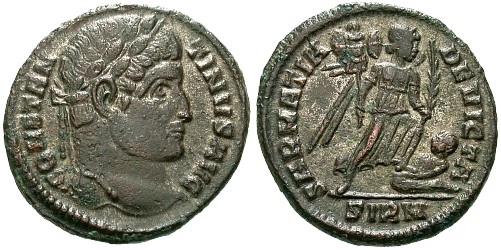 SARMATIA DEVICTA reverse meaning "On the occasion of Sarmatia being conquered" I believe 'dad' actually sent his son Constantine II to run the campaign in Sarmatia that ultimately led to the killing of 100,000 Goths and the capturing of Ariaricus the son of the Goth king Edited by Biancasdad
03/25/2015 5:44 pm
|
|
Valued Member
United States
249 Posts |
Ok.. so what does As stand for ( "First coin is an As of Emperor Augustus Caesar.")?
and ditto second coin's denom. of AE 3? If there's an faq on ancient coins a link would be much appreciated. Finally, what are the "rules" (I looked and found nothing prohibiting such) about asking what something is worth? Ok or no?
|
|
Pillar of the Community
Italy
1790 Posts |
Edited by Augustus Maximus
03/25/2015 6:01 pm
|
|
Pillar of the Community
Spain
629 Posts |
Augustus (27 BC-AD 14). Æ as (27mm, 10.5 gm, APROX).
Rome, ca. AD 11-12 AD.
Obv: IMP CAESAR DIVI F AVGVSTVS IMP XX, bare head of Augustus left
Rev: PONTIF MAXIM TRIBVN POT XXXIIII around S C.
Ref: RIC 471.
|
|
Valued Member
United States
249 Posts |
Thanks to all for the responses... so in measuring a Roman coin to ascertain "what" denom. it is, are you measuring from the greatest distances across? or the shortest? I ask as it seems they're usually oblong, slightly ovoid in profile due to the strike.
the larger (As?) is approx. 28.75 x 27.1mm. That would make it an AE1 no?
Edited by rynegold
03/31/2015 1:09 pm
|
|
Pillar of the Community
United States
513 Posts |
For the earlier imperial coins (at least through the 12 Caesars, possibly after that) the weight is more indicative of denomination than the width.
The Ae3, Ae2 etc denominations are what we classify coins as because we don't know what they were really called, but for the earlier coins (like your first) we do. Even for later coins if we know the denomination we call it by its proper name, like the follis.
|
|
Pillar of the Community
Spain
629 Posts |
That is the USA costum...
In Spain we try to understand what coin was a centenionalis, or a reduced follis, or a nummus, or a decargyrus...
I can assure to you that we are getting absolutely mad...
..but we enjoy it!
jejeje
|
|
Valued Member
United States
249 Posts |
Thanks chuy...
The large Augustus coin weighs 10.69 grams.
|
| |
Replies: 20 / Views: 3,549 |





 Posted 03/24/2015 5:59 pm





