| Author |
 Replies: 21 / Views: 3,749 Replies: 21 / Views: 3,749 |
|
Pillar of the Community
Canada
1275 Posts |
Here's an interesting coin that I thought I'd share in the hopes I could find something new about it. The coin is only half the thickness of a normal 1959 and weight is 1.6 grams. looks like this split planchet went through all the normal minting procedures as there is clear design on both the obverse and reverse. Not all coins minted on split planchets are the same I see some with detail on only one side and some split after minting some before. Does one type have more desirability or more difficult to find then the others? All comments will be greatly appreciated. TIA Cheers, SIC 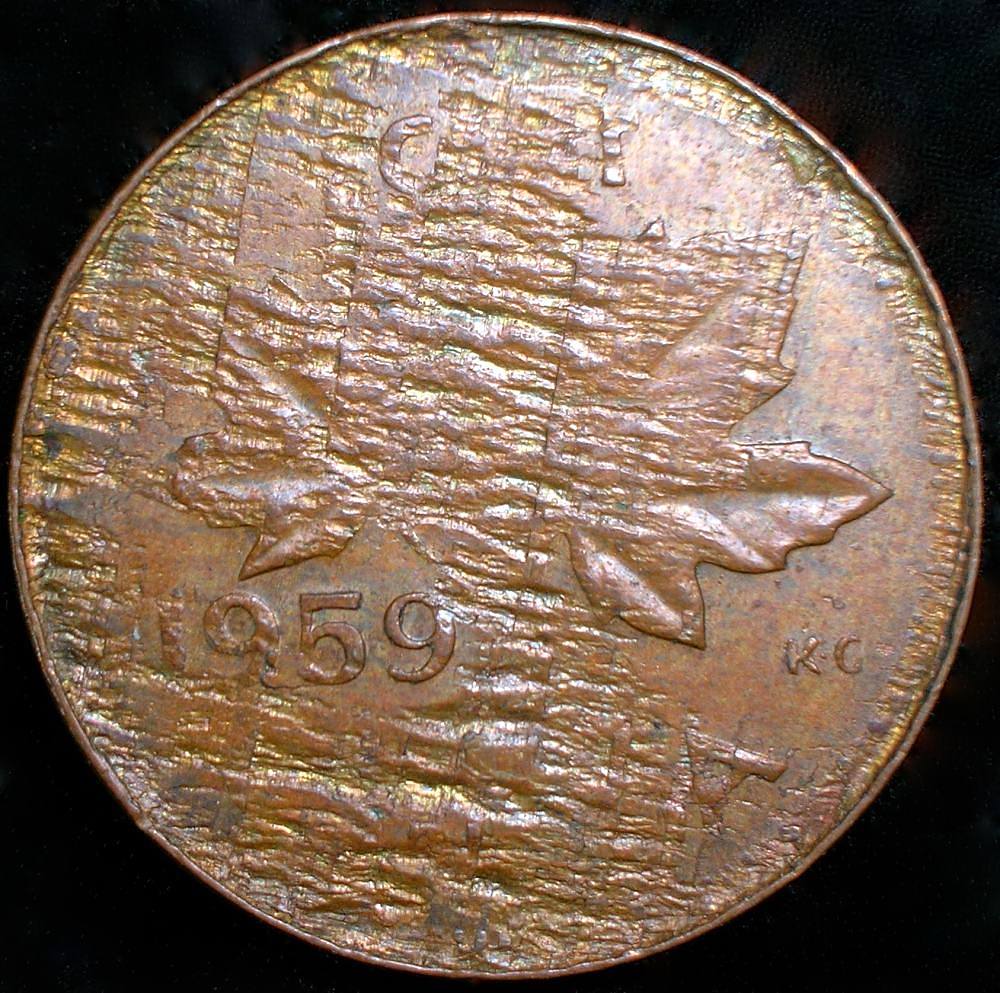 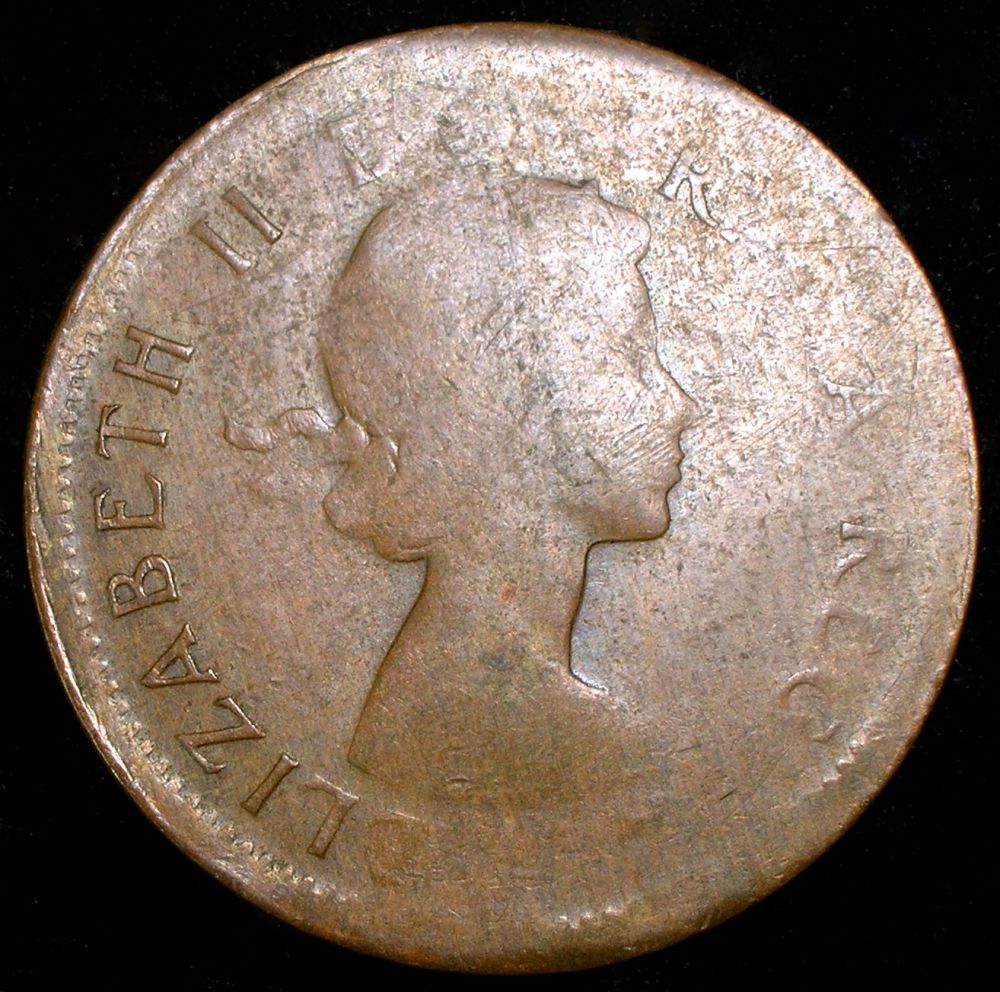 |
|
|
|
Moderator
 Canada
10477 Posts |
Definitely struck on a split planchet. I suspect these split in the upset mill (rimming phase into Type II planchets). Very cool, thanks for sharing!!
"Discovery follows discovery, each both raising and answering questions, each ending a long search, and each providing the new instruments for a new search." -- J. Robert OppenheimerContent of this post is licensed under a Creative Commons Attribution-NonCommercial 3.0 Unported License. See: http://creativecommons.org/licenses...0/deed.en_USMy eBay store
|
|
Pillar of the Community
United States
1781 Posts |
What a cool lamination! I collect laminations on Canadian cents by date. I have not added anything to the set in a long time. It kind of fell by the wayside. Now you got me interested in seeing what I still need.
|
|
Pillar of the Community
United States
1781 Posts |
BTW, this kind off Lamination where an entire portion of the planchet fell away is called Split Planchet (not that you needed me to tell you that). Splits can occur before or after the coin is struck (as you know). This one is a Split before Strk (again as you know). I don't know if there is a preference for before or after Splits. I think most folks like 'em both. Neat! Here is a 1953 Jefferson 5c that was struck on a planchet that split after the strike. Notice the strength of strike on the obverse due to all the planchet metal being present at the time of the strike. Your coin shows weakness of the obverse due to the absence of planchet metal. You really got a neat one there. Ken 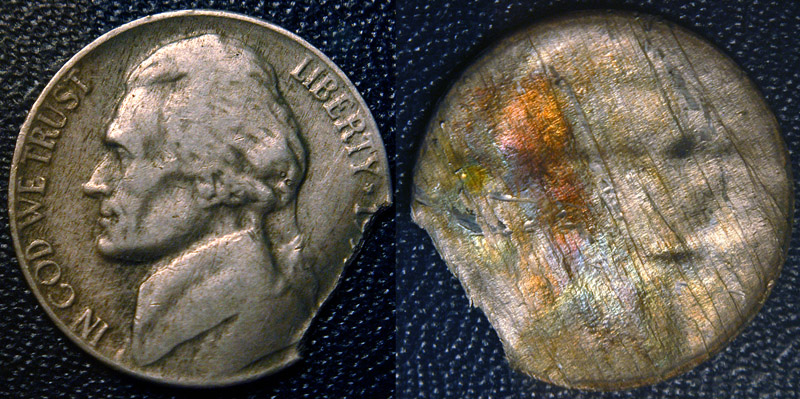 Edited by koinpro
04/21/2015 4:01 pm
|
|
Pillar of the Community
 Canada
1275 Posts |
I appreciate both of you commenting and confirming what I have. I was somewhat surprised SPP that you never recognized this coin you did an ERF test on this one a while back. To refresh your memory my handle was Hounddog on a couple of previous forums. I have the 1942 nickel on a copro-nickel planchet.
Ken the reason I ask if there was a preference is because searching for this error ( A split planchet properly going through the minting process ) I just haven't been able to come up with any. It seems that most split after or during minting and are like the coin you presented or if the split planchet entered the chamber it would not be ejected properly allowing a additional blank to enter the chamber. I'm sure there are similar ones out there but I just haven't been able to find them.
Cheers, Bill
|
|
Pillar of the Community
Canada
1275 Posts |
Here's another view comparing the thickness to a normal 1959. Cheers, Bill 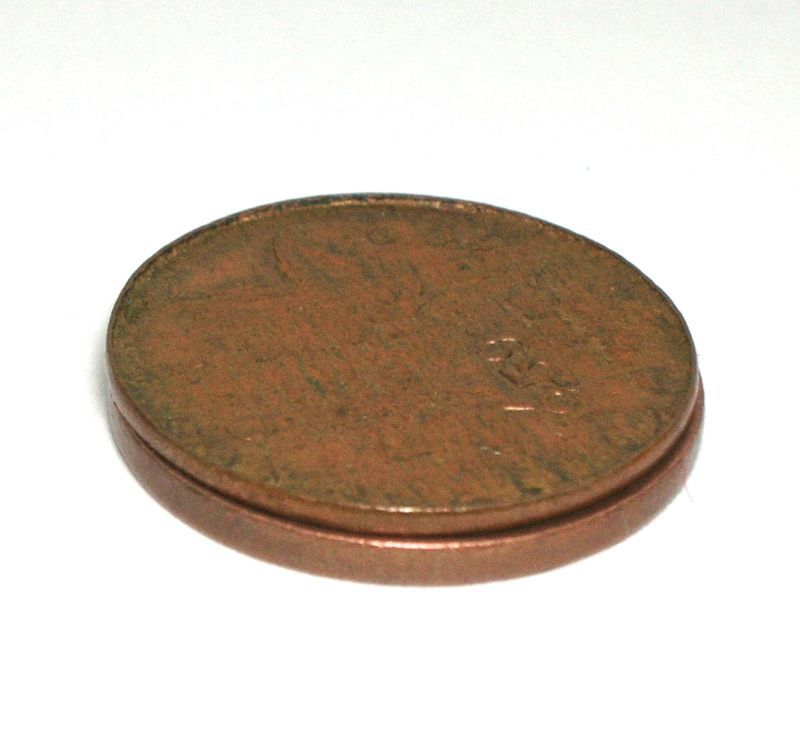 |
|
Pillar of the Community
Canada
695 Posts |
Quote:
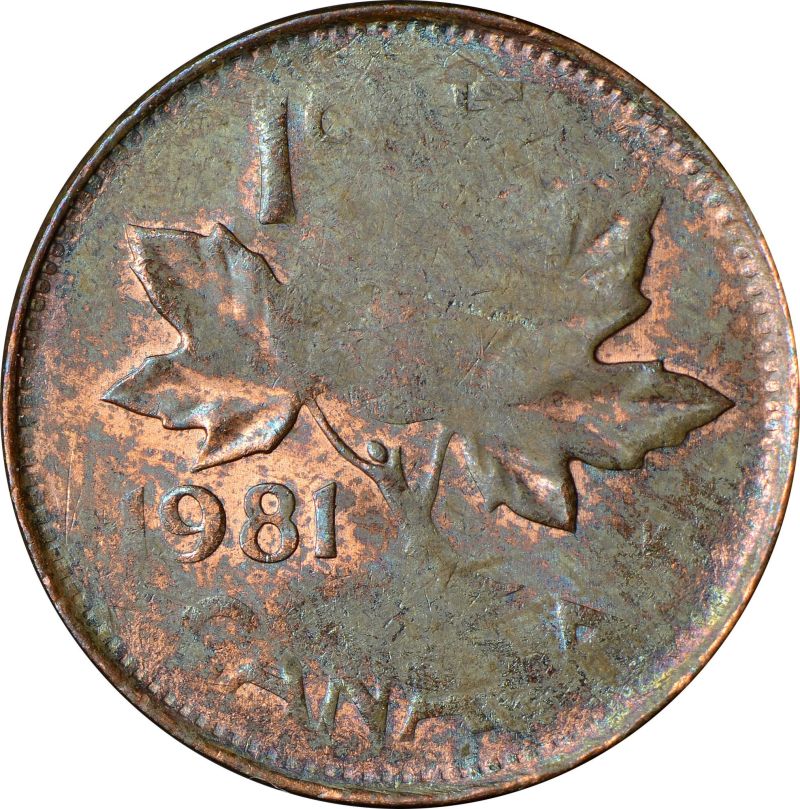
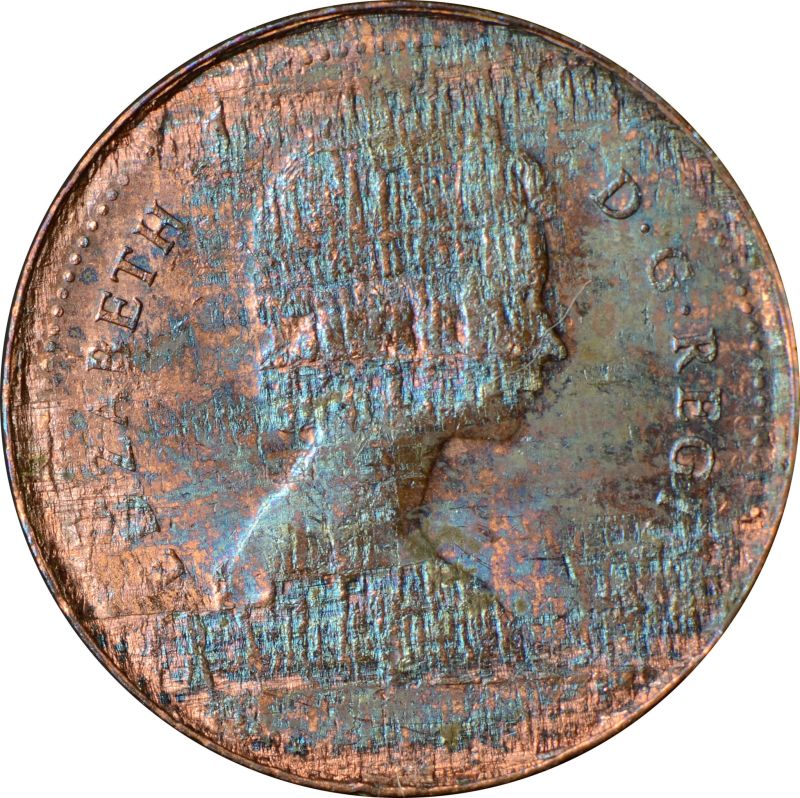
I'm sure there are similar ones out there but I just haven't been able to find them. Hello Houndog. Here's a couple more images of cents split before being struck: 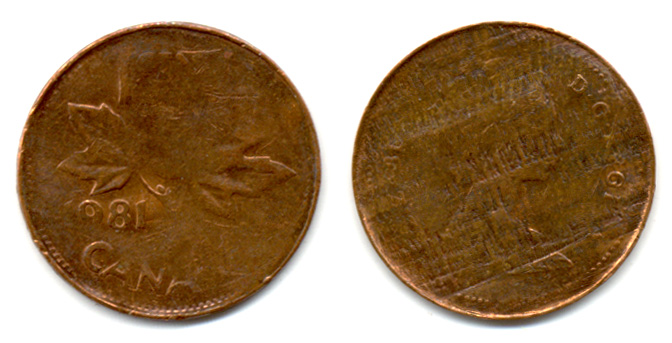 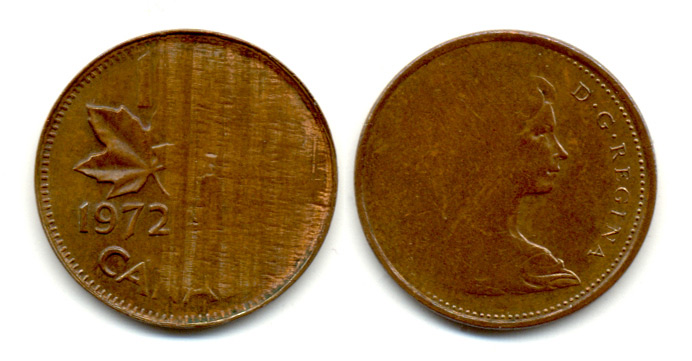 It seems to me they are harder to find than coins that are split when struck in the coining chamber. |
|
Pillar of the Community
Canada
1275 Posts |
Thank you Scissel I really like these but as you say they seem to be few and far between. I had to change my handle as someone already has Hounddog apparently.
Cheers SIC
|
|
Moderator
Canada
10477 Posts |
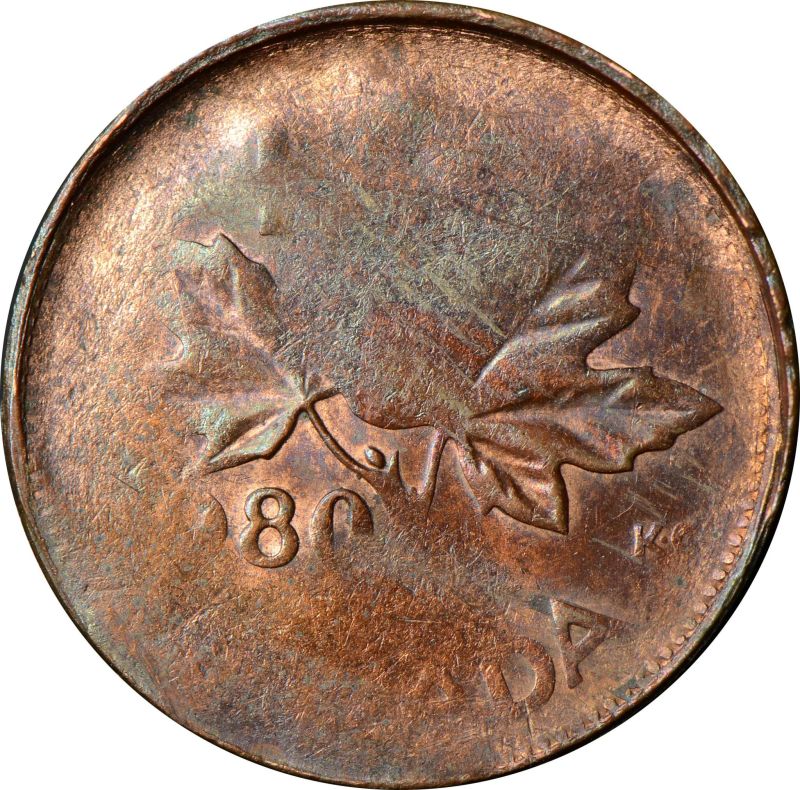
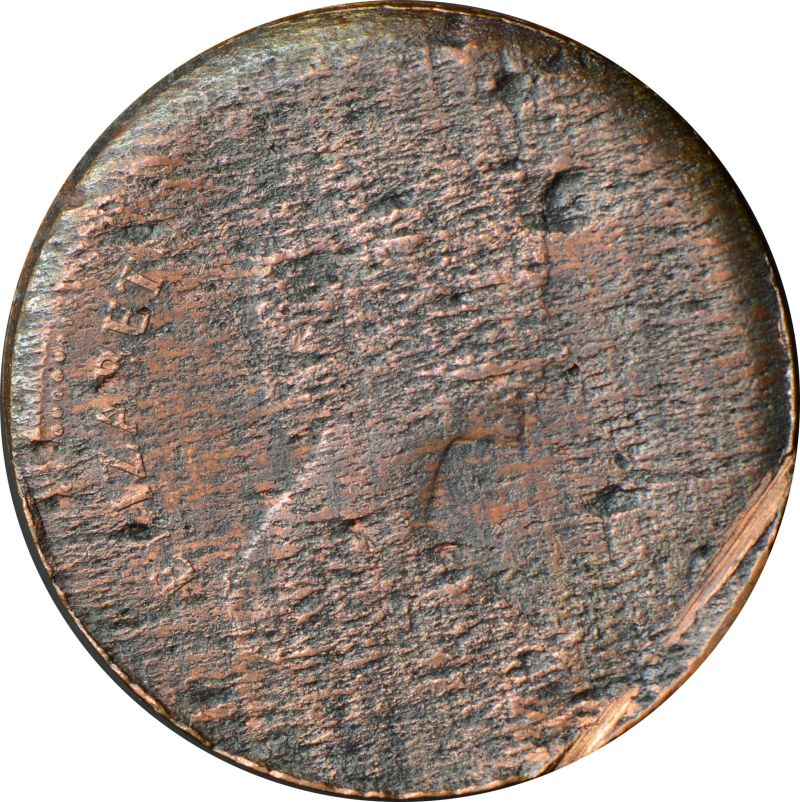
Here is one split after the strike...   "Discovery follows discovery, each both raising and answering questions, each ending a long search, and each providing the new instruments for a new search." -- J. Robert OppenheimerContent of this post is licensed under a Creative Commons Attribution-NonCommercial 3.0 Unported License. See: http://creativecommons.org/licenses...0/deed.en_USMy eBay store
|
|
Pillar of the Community
United States
1781 Posts |
Bill, I think those split after the strike are more common. I'm just now going through my personal collection so I'm not quite sure how that's going to work out in numbers. I'm sure more will be split after strike. I'm happy about my US 5c collection though. I have both sides of splits for the Shield, Buffalo and Jefferson. All I need now is a Liberty nickel. I probably have it but not both halves. I don't know if I have any that were split before strike. Ken |
|
Pillar of the Community
United States
1781 Posts |
|
|
Moderator
Canada
10477 Posts |
"Discovery follows discovery, each both raising and answering questions, each ending a long search, and each providing the new instruments for a new search." -- J. Robert OppenheimerContent of this post is licensed under a Creative Commons Attribution-NonCommercial 3.0 Unported License. See: http://creativecommons.org/licenses...0/deed.en_USMy eBay store
|
|
Pillar of the Community
Canada
2632 Posts |
These are all very cool splits thanks for sharing them. I'm still hoping to find one someday.
|
|
Pillar of the Community
 Canada
5653 Posts |
Still in Circulation SIC: Pls email me about your study that we talked about at the T.O. Coin Expo. Bill
|
|
Pillar of the Community
Canada
2430 Posts |
Seems like 1980 and 81 were the big years for split planchets.
|
|
Pillar of the Community
Canada
1275 Posts |
Sorry okiecoiner but I lost your e-mail address when my last computer ate itself up along with everything else. I did try to reply here but I don't have the required amount of post to use this system. Can I give you my email address in this thread? I don't want to be breaking the rules.
Cheers, SIC
|
| |
Replies: 21 / Views: 3,749 |










 Posted 04/21/2015 3:49 pm