| Author |
 Replies: 19 / Views: 3,001 Replies: 19 / Views: 3,001 |
|
Pillar of the Community
United States
5964 Posts |
|
|
|
|
Valued Member
United States
110 Posts |
looks like a error to me what do you guys think
|
|
Pillar of the Community
United States
4809 Posts |
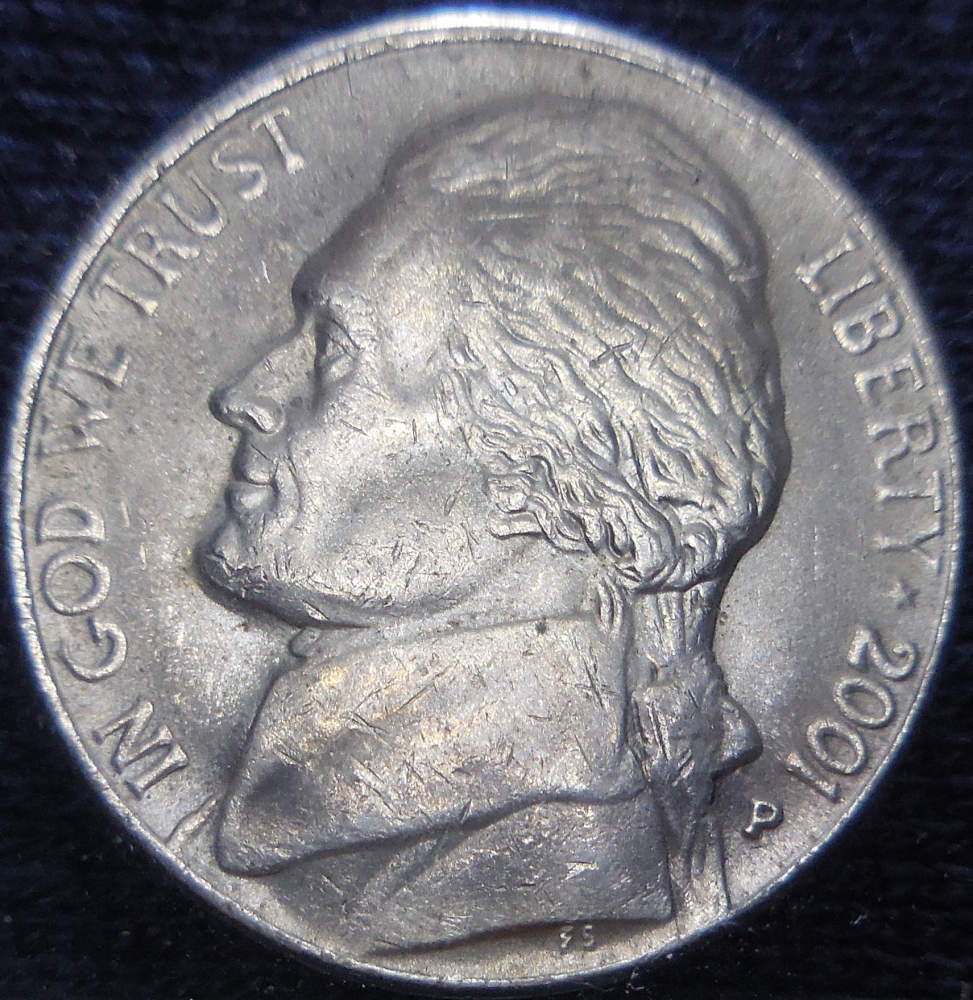
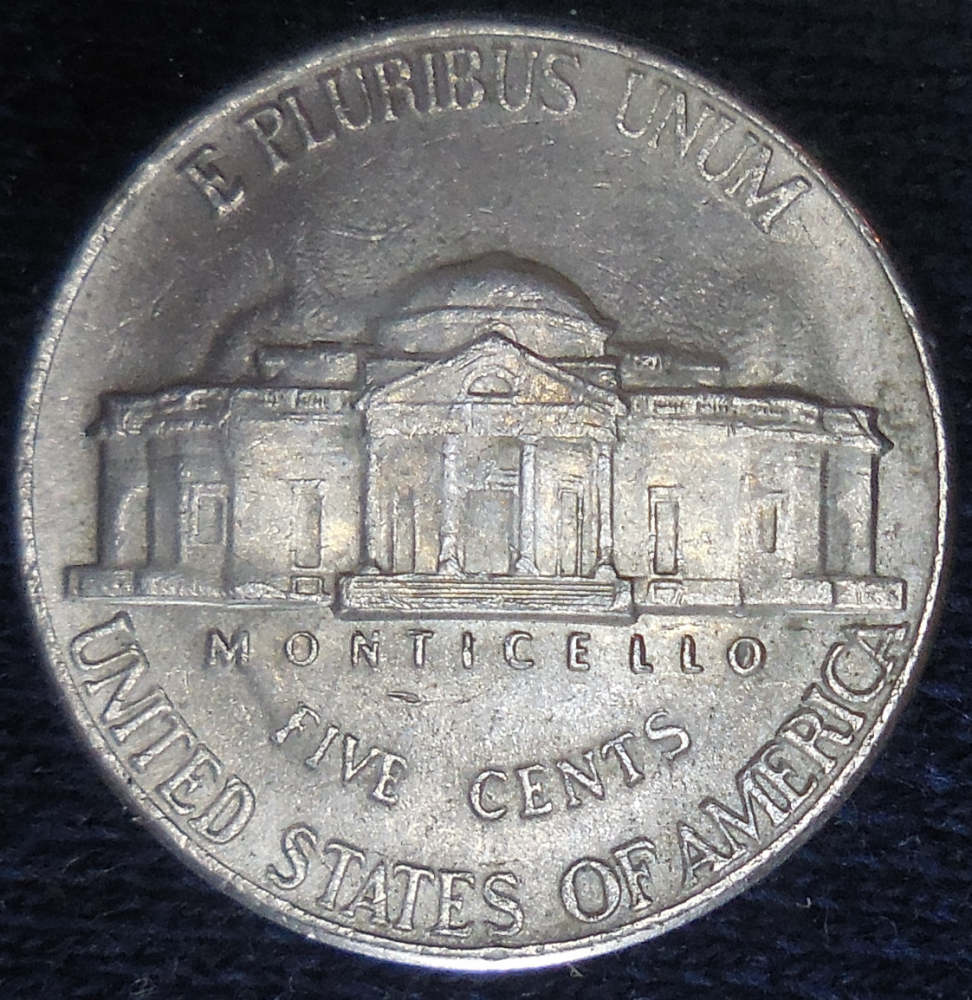
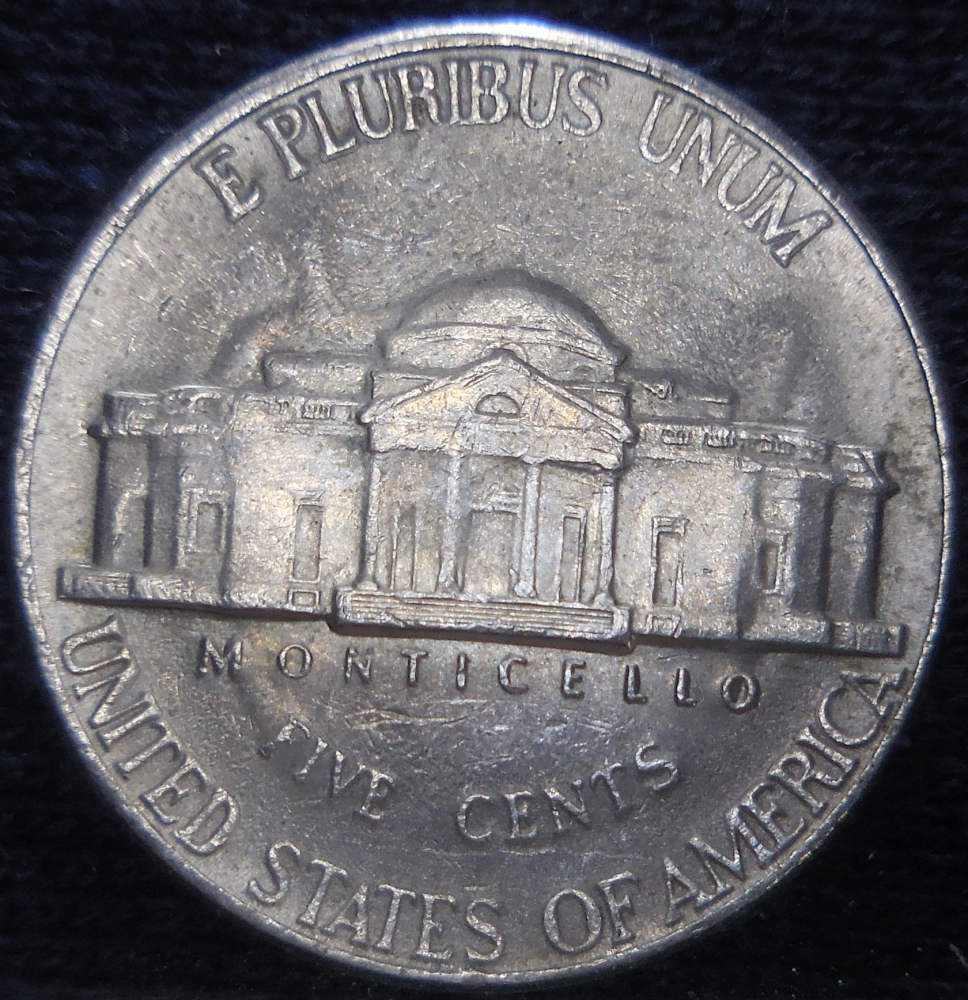
Seems like a clash transfer but the features are soft. Wonder why that is?
|
|
Pillar of the Community
 United States
5828 Posts |
VLDS, you see this on many early branch mint LWCs. Either VLDS or the dies were too far apart...
|
|
Rest in Peace
United States
1943 Posts |
This is progressive die transfer. You can look it up on error-ref.com. It is common on late die state coins.
|
|
Pillar of the Community
United States
6478 Posts |
|
|
Pillar of the Community
 United States
5964 Posts |
An overlay would be very helpful. I am not so sure this is common on Jeffersons.
|
|
Pillar of the Community
United States
6478 Posts |
Even if it was there is no demand for it. Common.
|
|
Pillar of the Community
United States
5828 Posts |
 These are common, and generally people don't like them because they aren't sharp strikes. |
|
Pillar of the Community
United States
5964 Posts |
I appreciate everyone's input. I am still tickled with it though. It's a first for me, and I like it enough to make up for all the people that don't. Heck, most people wouldn't have any idea what it is. lol
|
|
Pillar of the Community
United States
5964 Posts |
I posted three coins today, all were confirmed. A lam, clash, and ghost. Whooo! I might just float away.
|
|
Moderator
 United States
23522 Posts |
Quote:
I am not so sure this is common on Jeffersons. Not really uncommon - as hard as nickel is to strike, dies wore at a greater rate and were pushed harder. Are the dies oriented correctly to each other? I'm having a hard time getting the ghosting details right. |
|
Pillar of the Community
United States
2752 Posts |
Progressive indirect design transfer (a.k.a. ghosting, heavy design transfer, internal metal displacement phenomenon.) Common in 1954-S nickels, quite uncommon in nickels of recent vintage. Nevertheless, since it's a form of Die Deterioration, it doesn't draw any interest. Error coin writer and researcher.
|
|
Pillar of the Community
United States
5230 Posts |
And almost a 5 full steps per TPG standards  For the 5¢ face value I would keep it. |
|
Pillar of the Community
United States
1781 Posts |
The CONECA Glossary refers to this type of die variety as "Heavy die transfer" and describes it as: When a die nears the end of its usefulness, often it exhibits the major central design of its opposing mate. This design is transferred from one die to the other through the striking of the coin metal. Alan Herbert gives this illustration: "The best example I can offer of this phenomenon is the toy which you've all seen which has five or six metal balls hanging in a row, touching each other. When you pull back the end ball and allow it to strike the row, it causes the ball at the far end to swing away from its neighbor. The same thing occurs with design transfer, the outline of the design being transferred from one die to the other." (Alan Herbert, Minting Varieties and Errors, fifth edition, New York: House of Collectibles, 1991, page 158). This variety is fairly common on the early wheat cents. It is often called the "ghost of Lincoln." The technical term for this is IMPD (Internal Metal Displacement Phenomenon)." Below is an image of a Heavy Design Transfer on a 1947-S Lincoln Cent. The lower image is of an overlay that has been inverted and horizontally flipped so you can get a better view of the Lincoln profile showing through.  I described this in part on the CONECA Web Site on July 10, 2010 as: "I thought I'd take a look at another kind of "Ghost" that collectors run into from time to time. Robert Pelletier sent in a 1947-S cent that I featured in Numismatic News back in January. His coin has an effect that occurred quite prominently during the Wheat-back cent era to a small percentage of these coins than at any other time on modern U.S. coinage. It's sometimes referred to as a "Ghost of Lincoln" since you can see a strong outline of Lincoln's bust upside down on the reverse. While weaker examples this variation are common on many denominations, strong ones are not nearly so. The variation does not seem to have ever caught on to any degree. While it was well-known by many error-variety collectors decades ago, it appears to be almost forgotten today. This might be because what we most commonly encounter today are Memorial cents where the effect does not show up to the same degree. It also shows up to a greater or lesser degree on other denominations including foreign coins." Addendum: I should note that more minor examples of this effect are common. Edited by koinpro
04/27/2015 2:23 pm
|
|
Pillar of the Community
United States
3644 Posts |
Great info! And you really thinks theres almost 5 full steps? I dont see it.
|
| |
Replies: 19 / Views: 3,001 |









 Posted 04/26/2015 8:15 pm





