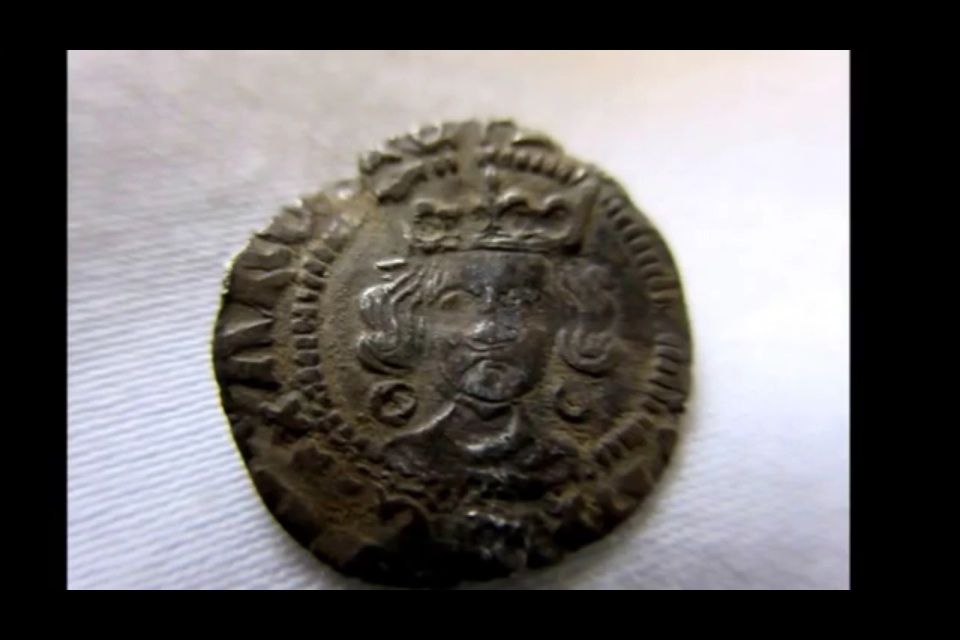
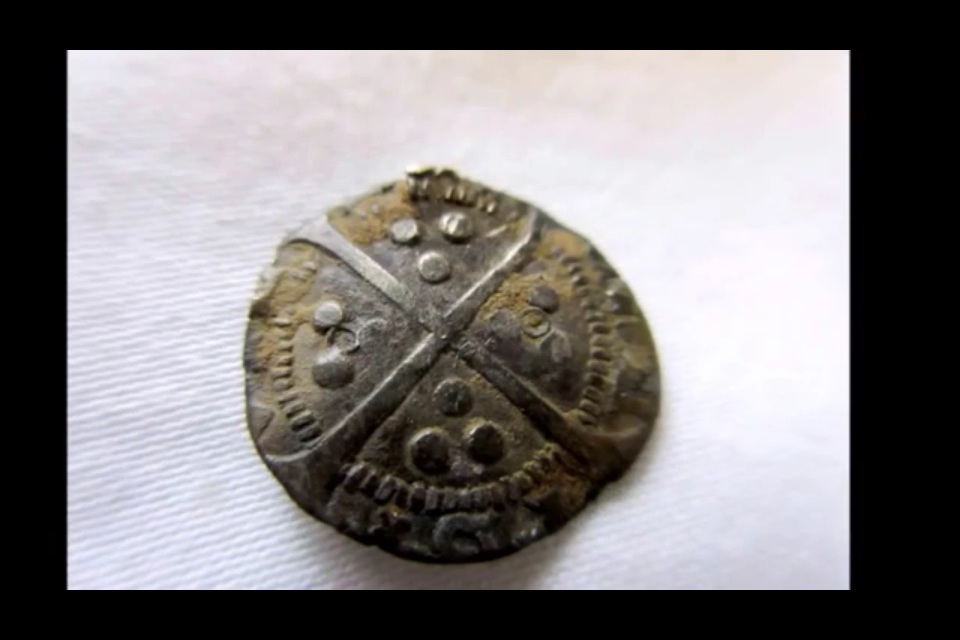
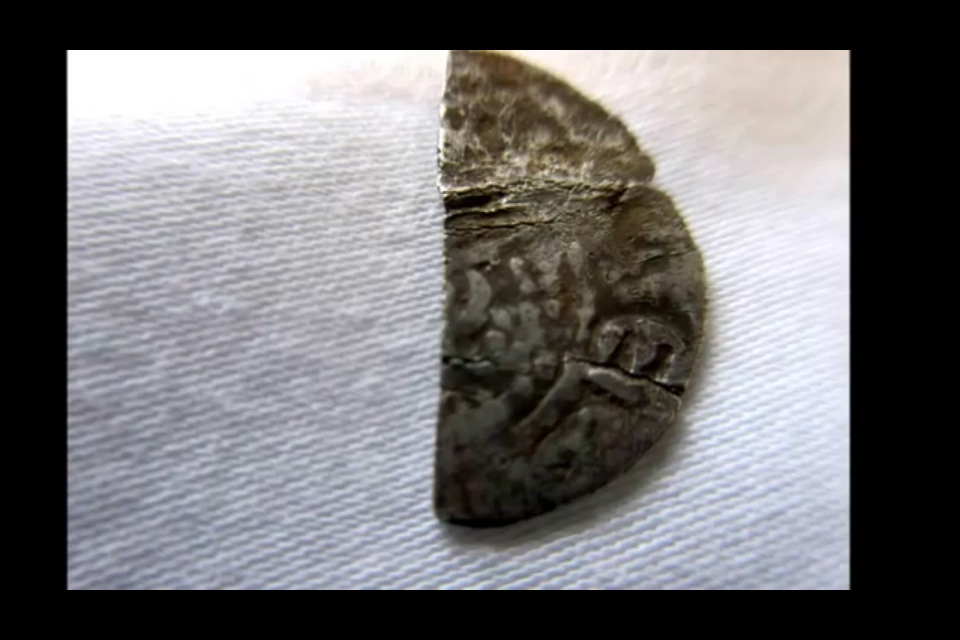
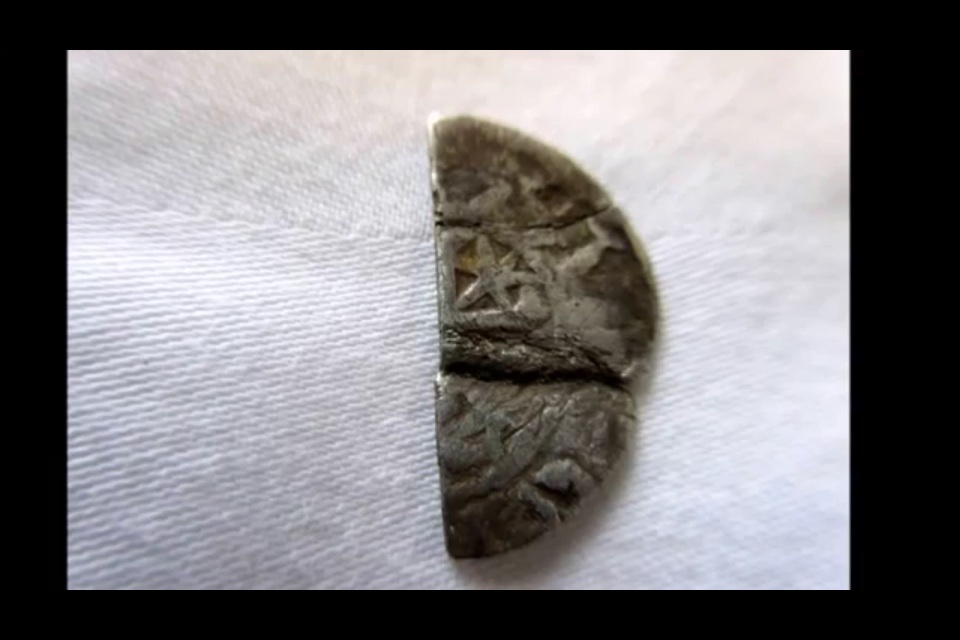
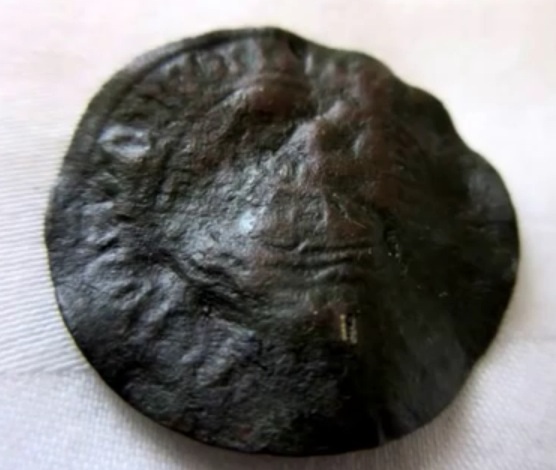
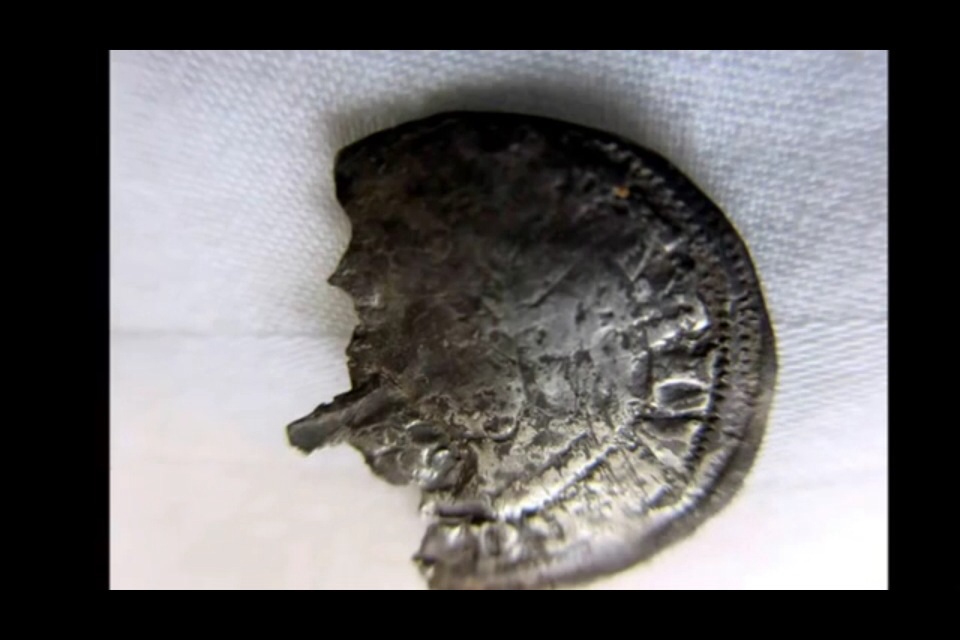
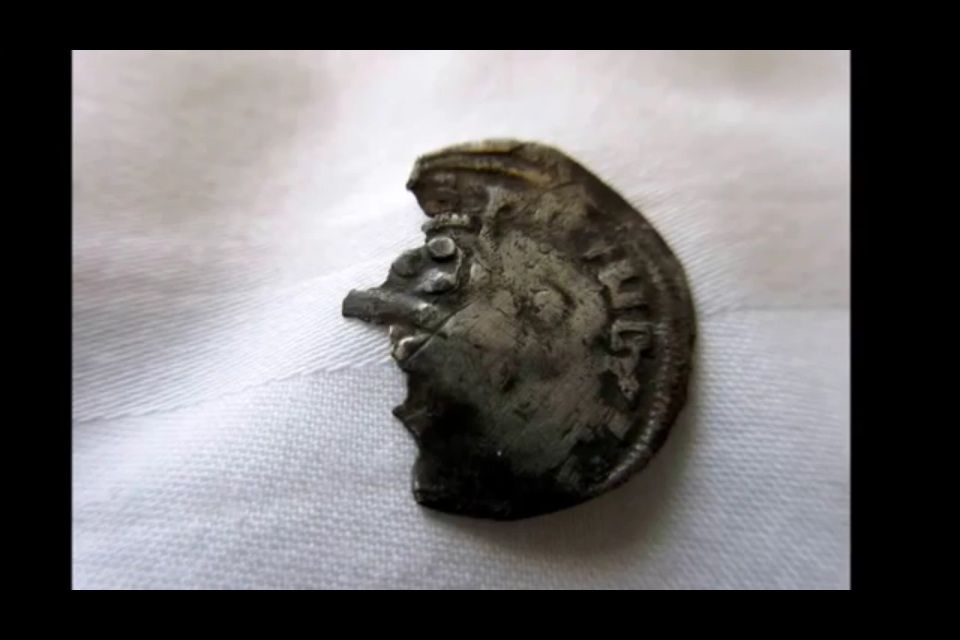
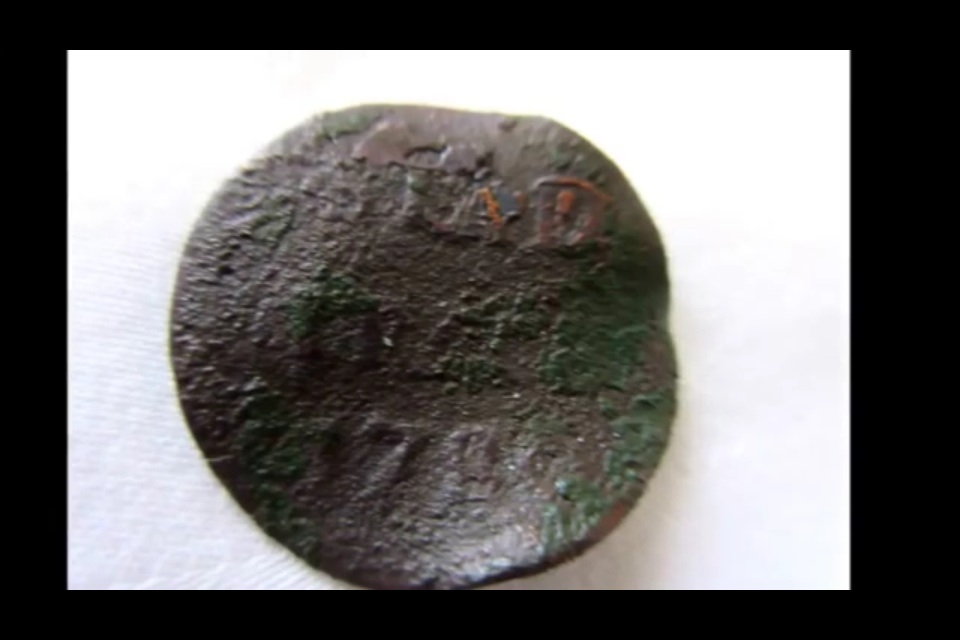
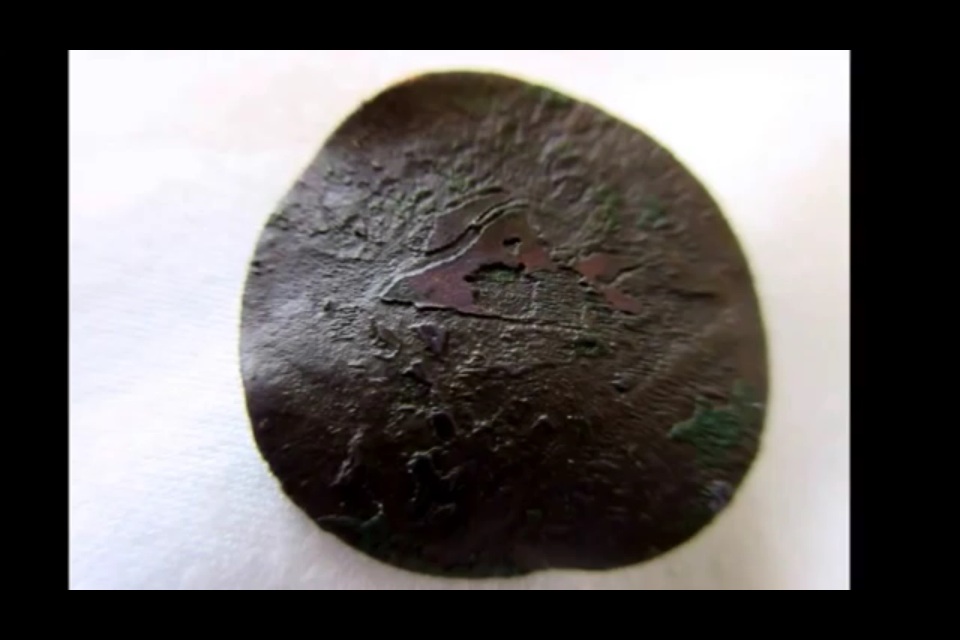
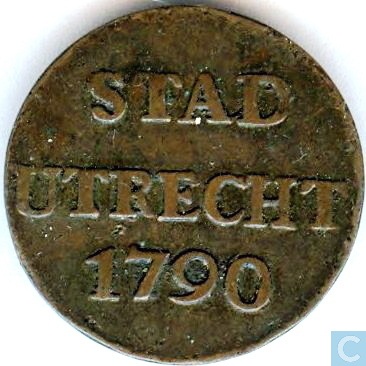
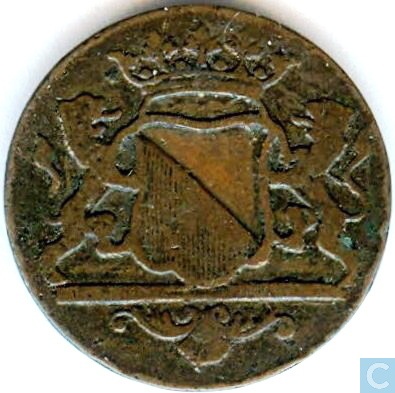
Please help me identify these coins found in the South of England:
LXlWRsEAD1A
*** Edited by Staff to add YouTube tags. [youtube][/youtube] Please use them in the future. We prefer embedded video. ***
Notes from the Metal Detectionist:
Found in Arelsford Essex ..near Colchester ...got a field that just keeps surprising us ..if you Google this place it had civil war ..Roman occupation at Arelsford creek ..many coins found here ..i gave the farmer a Charles 1 half crown and a commonwealth coin (Oliver Cromwell) .
* Gold coloured is a forgery from 1700 ..not gold * Soldini * Half Reale * Viking stirrup mount
*** Moved by Staff to a more appropriate forum. ***
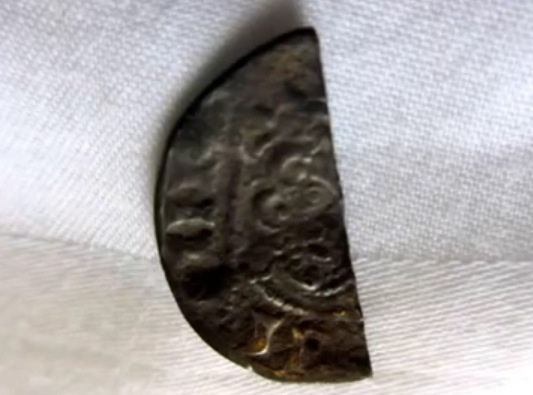
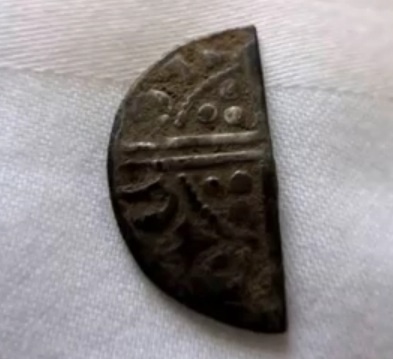
The stars in the angles of the short cross indicate this is a Scottish penny of the reign of either William I, Alexander II, or the first coinage of Alexander III:
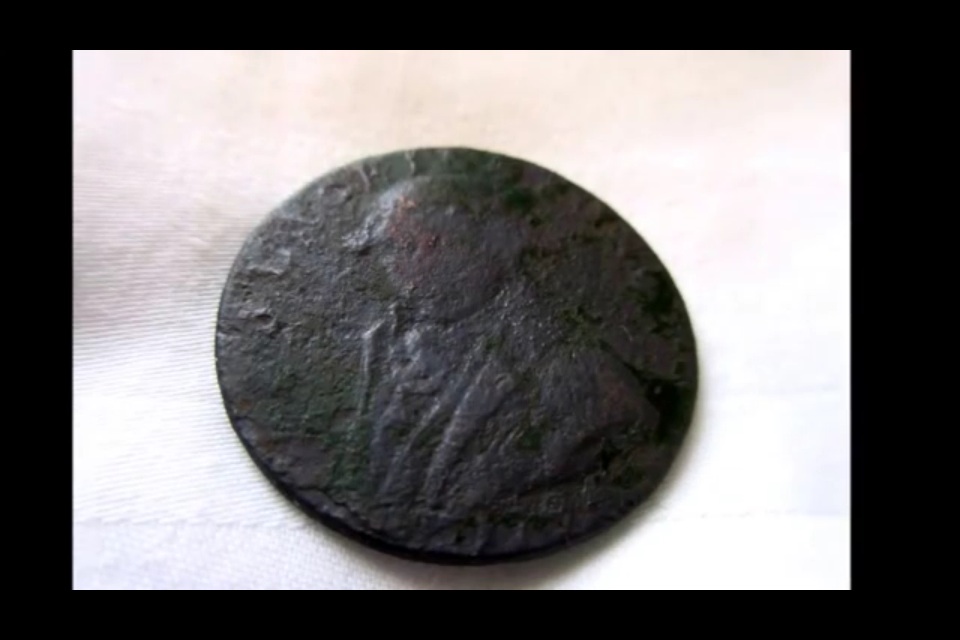
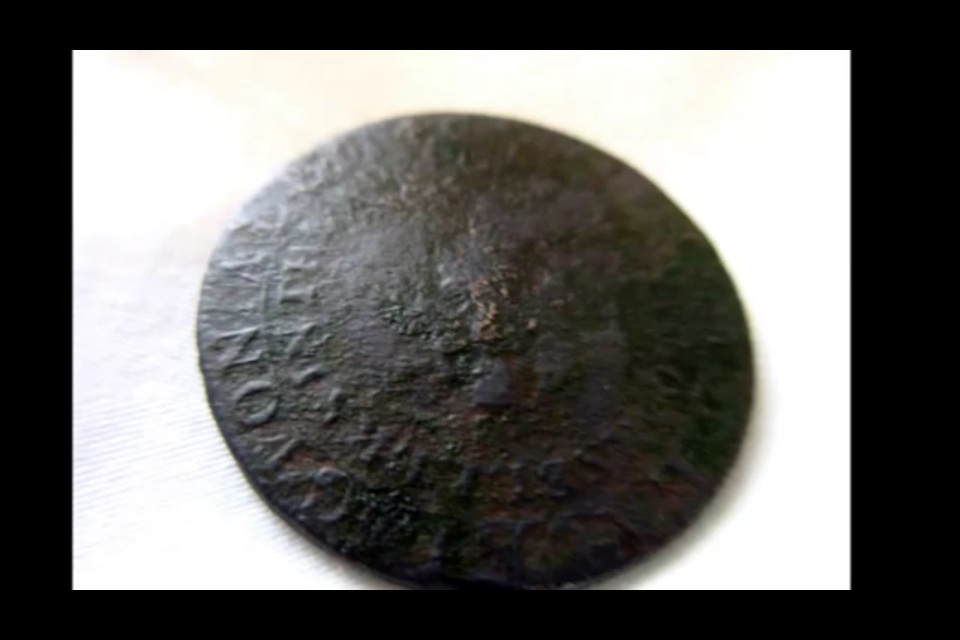
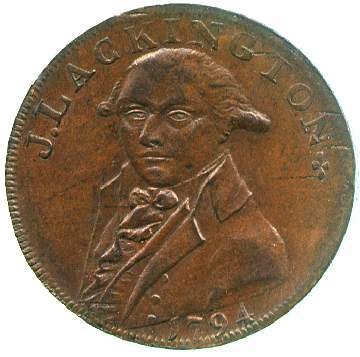
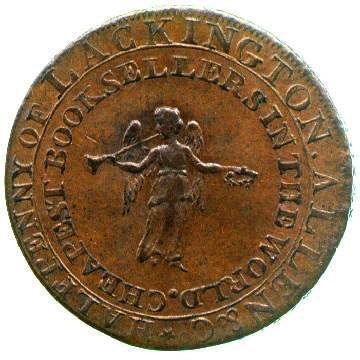
...is a "Conder token" (a privately-minted 18th-century copper token), specifically, of J. Lackington 1794. HALFPENNY OF LACKINGTON, ALLEN & Co. CHEAPEST BOOKSELLERS IN THE WORLD.
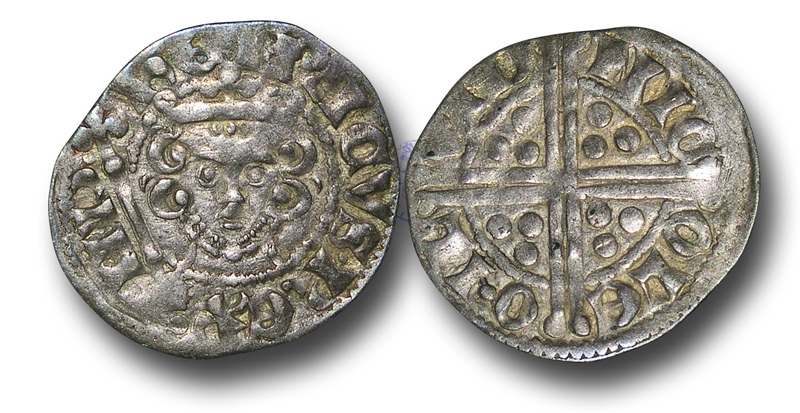
This is long cross penny of Henry III (his regnal number "III" is well preserved). It's certainly Class 5. I think the X in REX pegs it as Class 5a3, which may fit with the reverse: though obscured by dirt, I believe the two quarters of the legend read OLE and (ligatured ON)L, for NICOLE ON LVND. Nicholas de Sancto Albano, moneyer of the London Mint, died in 1253, in the period when the early class 5 pennies were being coined.
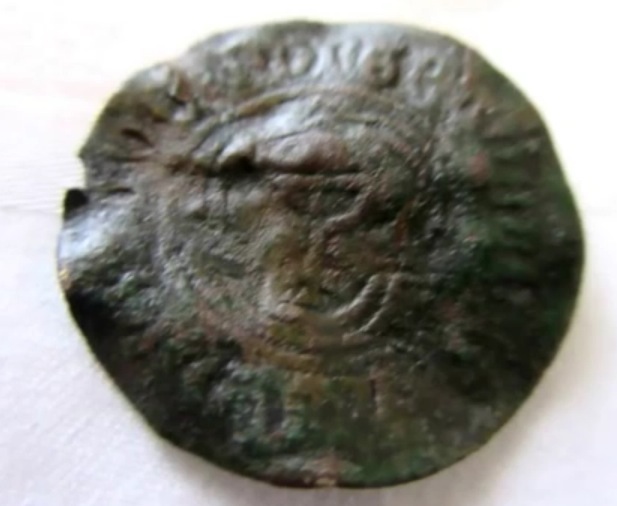
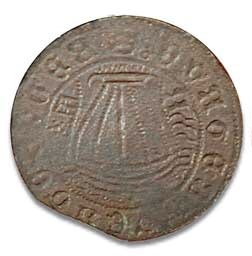
This one is a medieval or post-medieval jeton (counting-token) minted in the city of Nuremberg. The obverse shows an imperial orb in a tressure of three arches.
The most common jeton by far with the orb obverse has a reverse with a central rose encircled by crowns and fleurs-de-lys (the "rose-orb" jeton). This one does not. The wavy lines at the bottom are making me think this might be the more uncommon "ship-orb" jeton:
Though there were earlier halfpennies and farthings with this obverse legend, if this coin has the diameter of a penny, the full monarchs name EDWARDVS REX (probably followed by ANGLIE) should make this a penny of Edward III, minted after 1351.
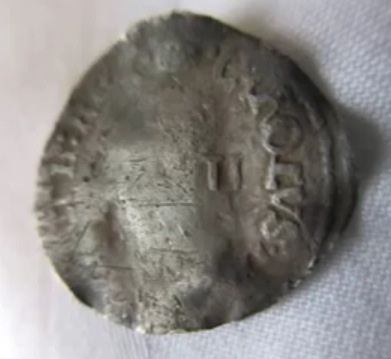
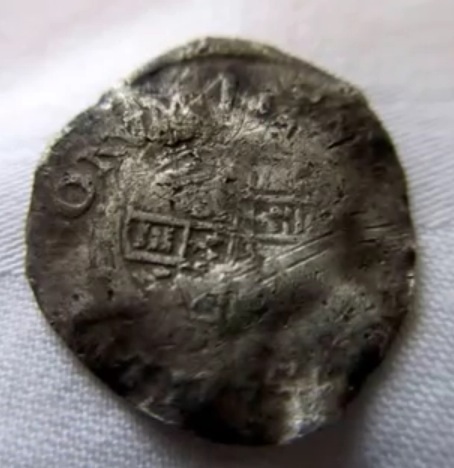
This one is a half groat (Roman numeral II in the right obverse field, for tuppence) of Charles I. (CAROLVS DG M B F ET H REX / IVSTITIA THRONVM FIRMAT) The mint mark at the top of the obverse is the "tun," which means this half groat was struck at the Tower mint in London, between 1636 and 1638.
Disclaimer: While a tremendous amount of effort goes into ensuring the accuracy of the information contained in this site, Coin Community assumes no liability for errors. Copyright 2005 - 2026 Coin Community Family- all rights reserved worldwide. Use of any images or content on this website without prior written permission of Coin Community or the original lender is strictly prohibited. Contact Us | Advertise Here | Privacy Policy / Terms of Use







 Posted 05/22/2015 11:02 am