| Author |
 Replies: 8 / Views: 3,689 Replies: 8 / Views: 3,689 |
|
|
Pillar of the Community
United States
1781 Posts |
Reviewing an April 2005 letter from the United States Mint about the 2004-P Peace Nickel Doubled Die Obverse, I noted a couple interesting passages. Collectors should know that doubled dies like this are considered "inherent" and are of no concern to the US Mint. They don't even look for them. I pass this on because one of the members of this forum asked about this not too long ago. Here are a coupe passages from that letter: "Subtle imperfections on circulating quality coins, such as the image found on the 2004 Peace Medal nickel that was examined, are inherent in the coin making process. Such slight imperfections do not affect the coin's use in commercial transactions." "As a note on coin and die inspection, operators at the press use low power magnification (3X to 7X) to inspect coins against a visual standard. Operators focus on problem areas such as crack propagation and areas known to have high wear. It is highly doubtful that the type of imperfection found on the 2004 Peace Medal nickel would be caught by an operator at the press. The photographs published of the specimen were at much higher magnification, 30X-100X. The quality systems in place at the Mint are not designed nor intended to screen out these very small, subtle imperfections." Coop,the rest of the images are up: 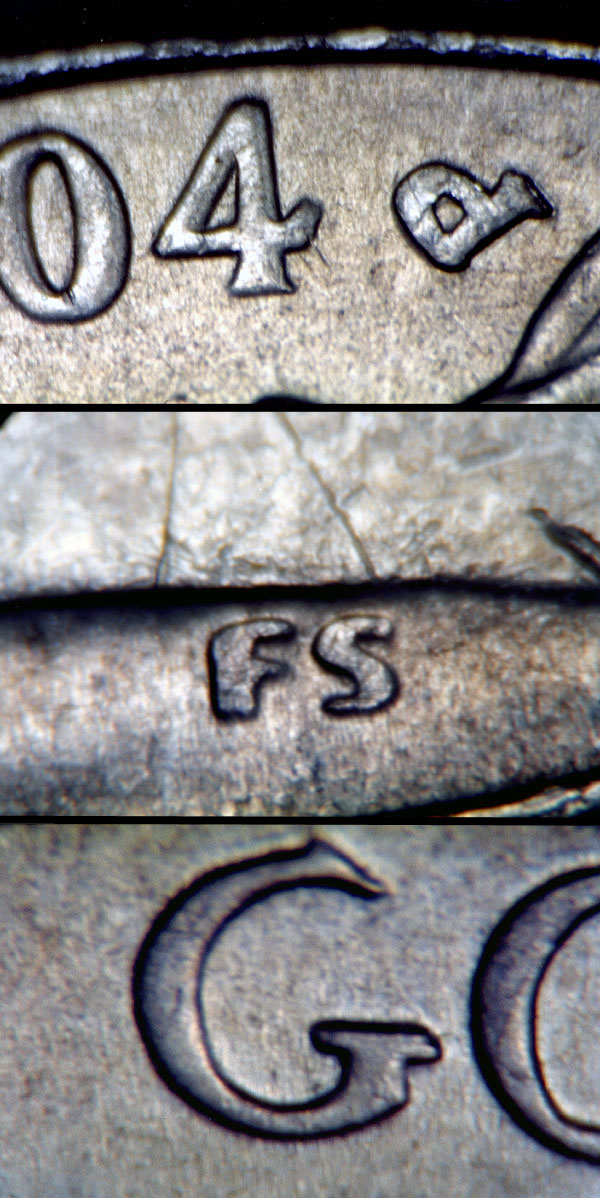 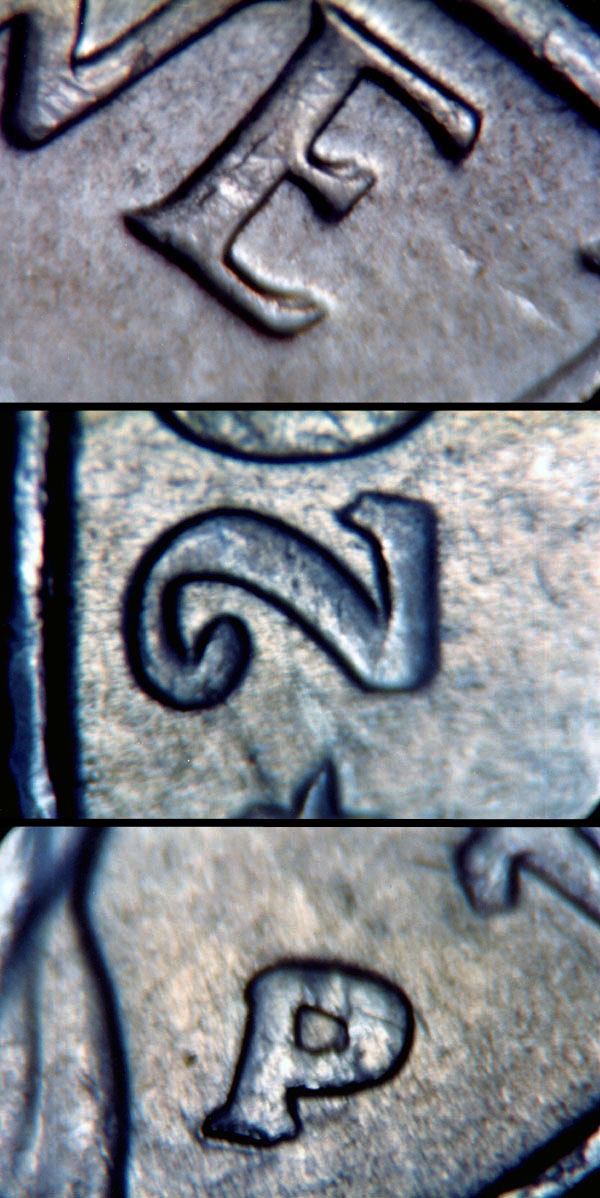 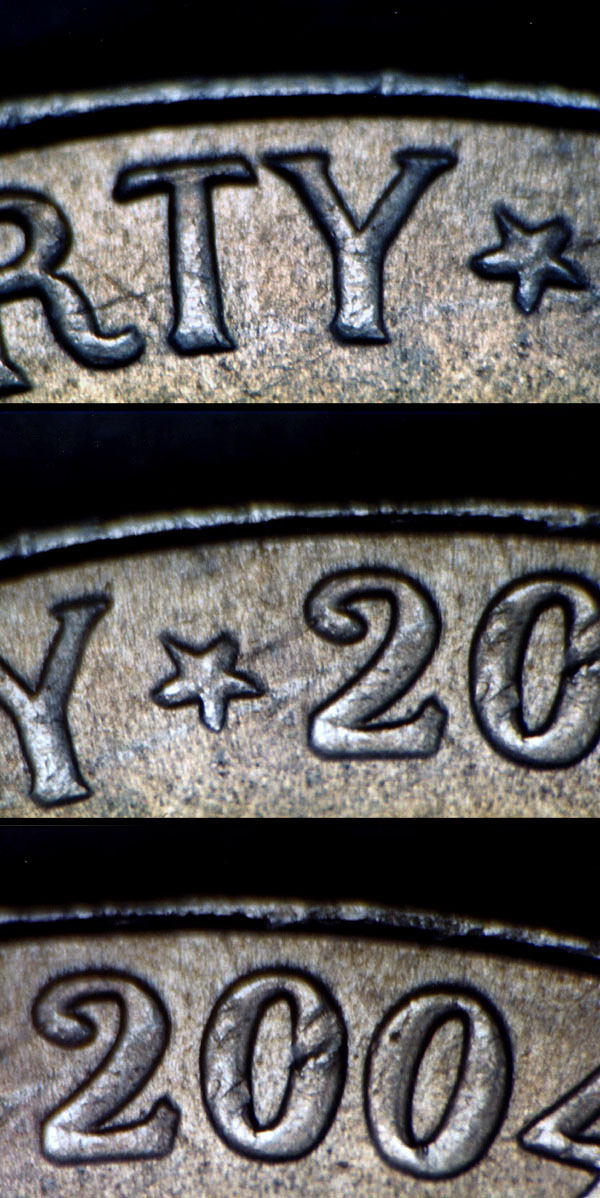  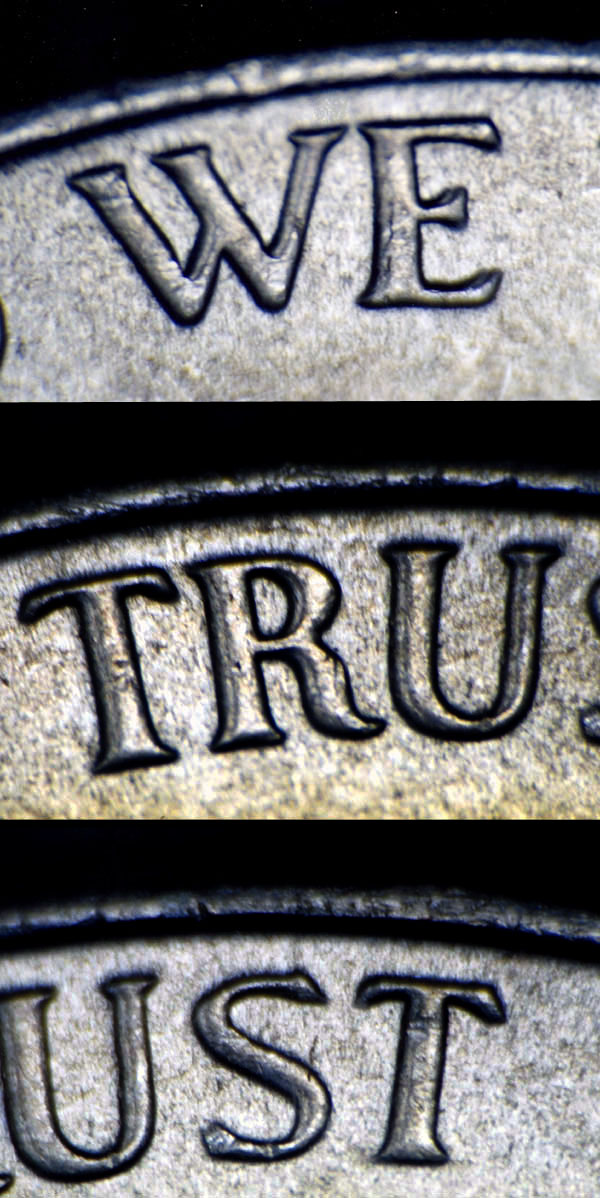 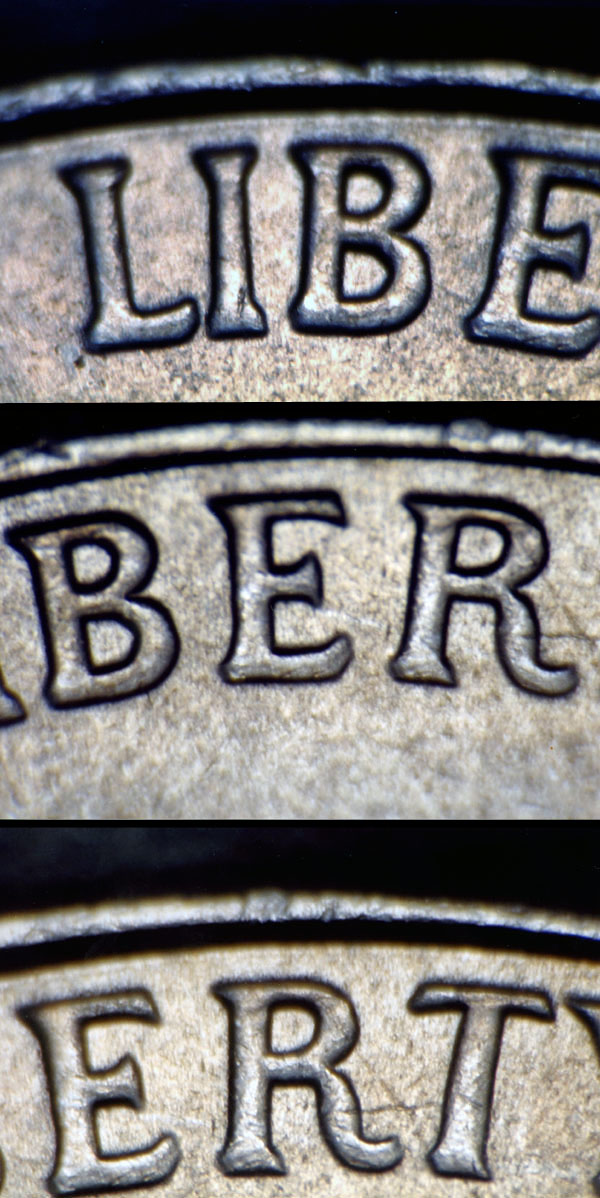 Edited by koinpro
05/22/2015 4:48 pm
|
|
|
|
Pillar of the Community
United States
1249 Posts |
Hmmmm interesting. Prob why they usually don't carry a big premium. But proofs I wonder what the standard is for those since they aren't for circulation?
|
|
Bedrock of the Community
United States
62064 Posts |
Nice images Ken. I remember When Gabe found this variety. The thinking then was that a doubled die could no longer happen. His coin was the one that proved that theory wrong. I would love to make a side by side of this die if you have more images?
|
|
Pillar of the Community
 United States
1781 Posts |
Coop, I think you are largely correct in terms of 99% of collector thinking that way. However, from my perspective the 1997 Doubled Ear proved the US Mint wrong. I stated that it was my opinion that they (the Mint) was wrong on usenet.collecting.coins in 1997, saying we will see many more doubled dies from the process as I had been listing doubled dies on Canadian coins for dates long after the RCM introduced the single-squeeze "restrained hubbing" process in 1978. From what I could tell my opinion was largely ignored and the 1997 considered a fluke. In 1992 I wrote about a Canadian coin, the 1991 Snowy Owl $300 Platinum coin with a nice doubled die obverse and reverse. This coin shattered an illusions that the single-squeeze hubbing process could/would eliminate centralize or classic hub doubling. But for all practical purposes it did take the 2004-P 5c to wake up the majority of collectors. I'll post more images when I get back from walking the dog. She likes a good five-mile walk and I could use it to.  Here is the Coin World article: http://koinpro.tripod.com/Articles/...rticle-W.jpgHere are better images/Update: http://koinpro.tripod.com/Articles/...SnowyOwl.htmEdited by koinpro
05/22/2015 3:04 pm
|
|
Pillar of the Community
United States
1781 Posts |
Coop,
The images you requested are up. You are free to use.
KP
|
|
Bedrock of the Community
United States
62064 Posts |
Now if I had a nice 2004-P Nickel to take images of. LOL I find one eventually.... I really like the side by side images. It helps to show differences better. You might enjoy this thread. It was from a few years back: http://www.coppercoins.com/forum/vi...2004p+nickelNote the date on it? Edited by coop
05/22/2015 5:21 pm
|
|
Bedrock of the Community
United States
62064 Posts |
OK, I couldn't make a side by side yet, but I raised the bar upward a bit. See what you think Ken? 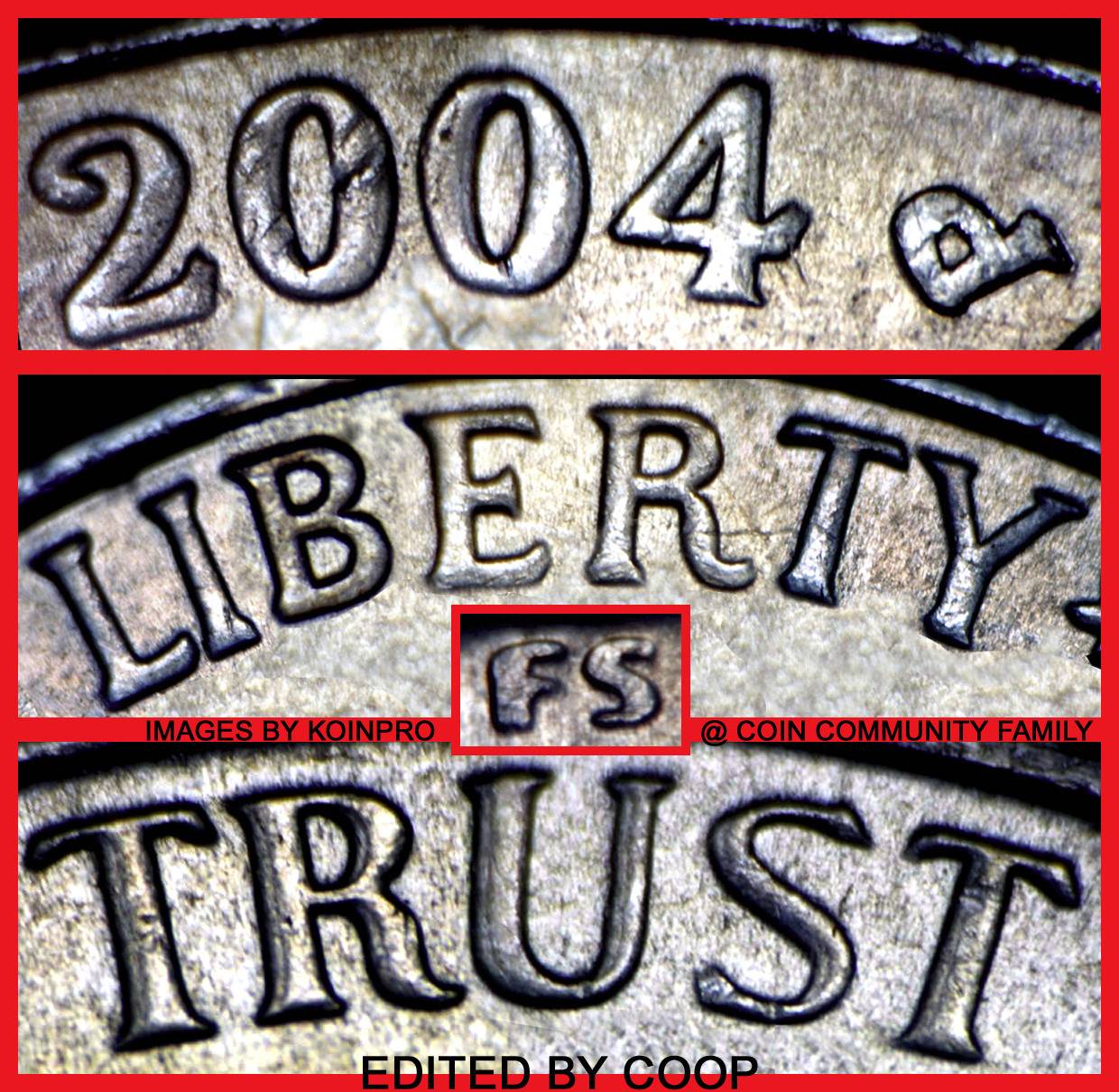 |
|
Pillar of the Community
United States
1781 Posts |
|
|
Bedrock of the Community
United States
62064 Posts |
I turned 10 pictures into one image.
|
| |
Replies: 8 / Views: 3,689 |
|









 Posted 05/22/2015 11:26 am


