| Author |
 Replies: 17 / Views: 7,150 Replies: 17 / Views: 7,150 |
|
Pillar of the Community
United States
663 Posts |
It seems as it 95% of all of the 1985-D and I'd say 33% of all 1985-P look like this: 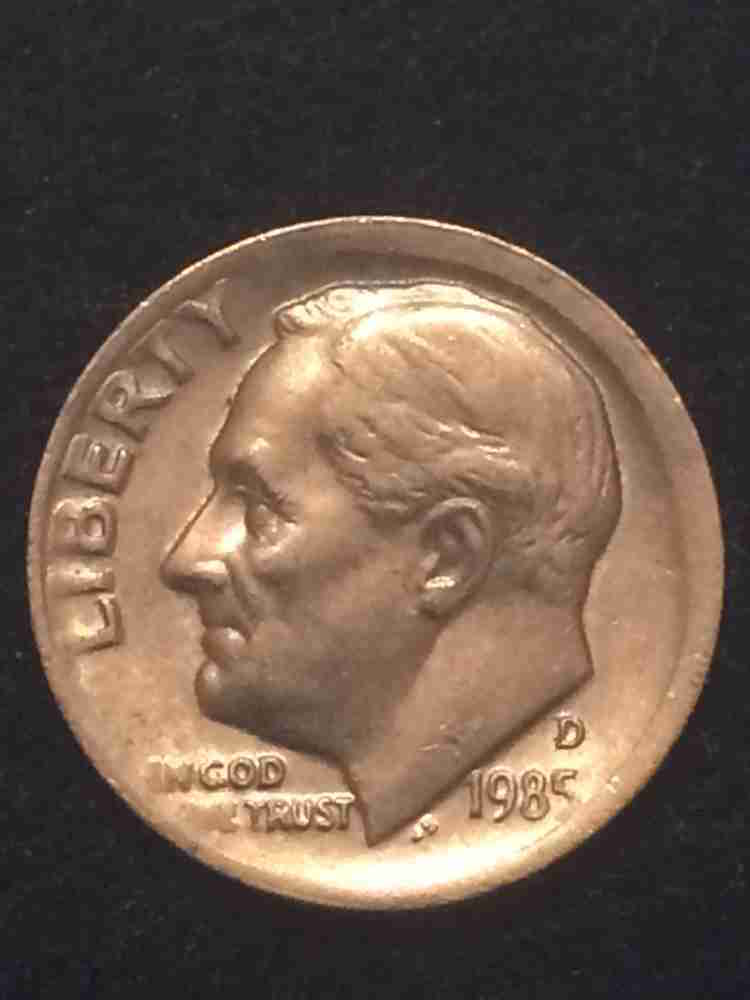 And the reverse always looks like it has Struck Through Grease on the top part of "DIME"/bottom right of the torch. Like this: 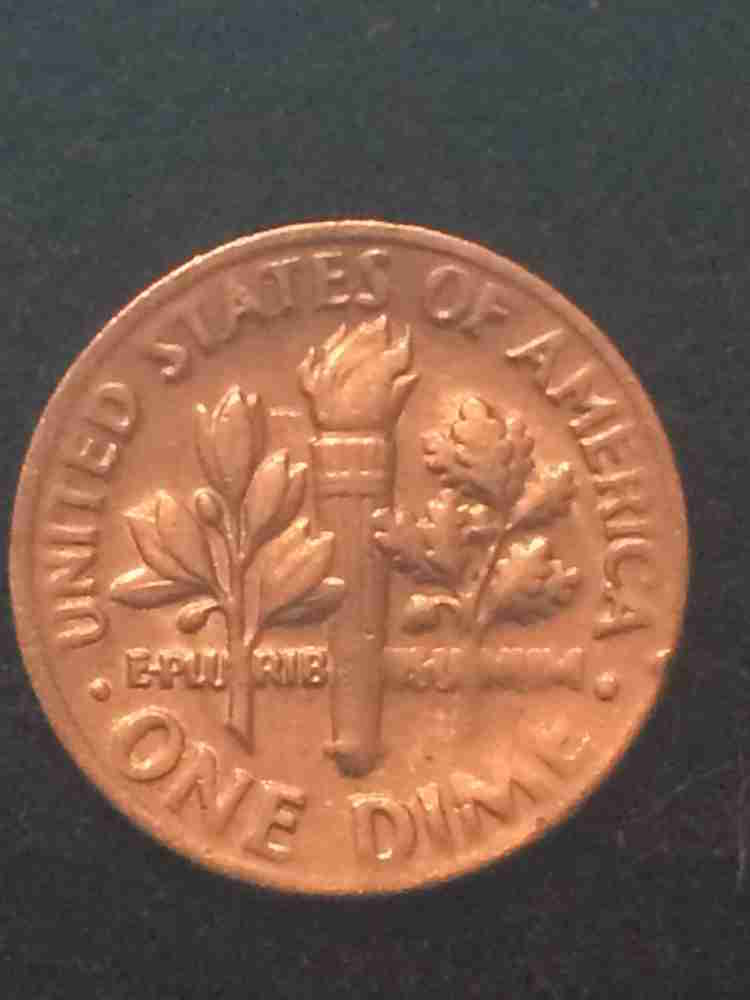 I could probably come up with rolls of them. 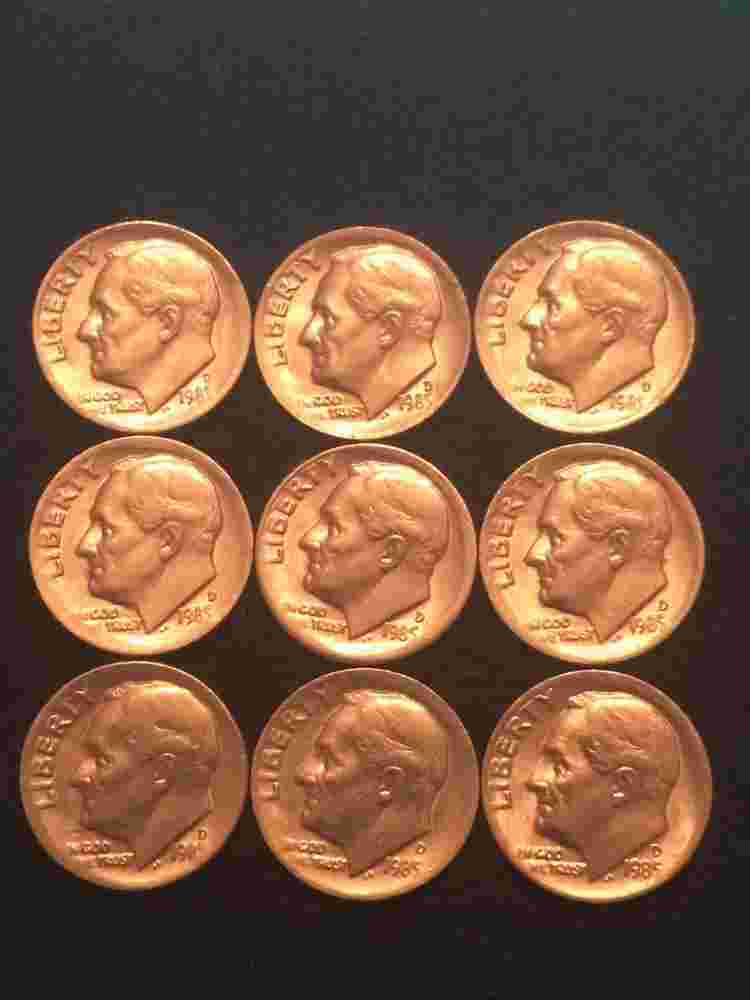 Are these actually "Broadstruck"? If so, why are they so prevalent in 1985? If they are broadstruck, does that also effect the reverse as indicated? |
|
|
|
Pillar of the Community
United States
3644 Posts |
I can't answer why there are so many of them but yes if they are broadstruck it effects both sides-I think these are MAD's..are they the same size as normal dimes?
|
|
Pillar of the Community
United States
5964 Posts |
They look Broadstruck to me, complete with the absence of rims. They probably let the guy at the mint finish the year out. As far as the reverse, I'm thinking probably so.
|
|
Pillar of the Community
 United States
663 Posts |
Both sides! Got it! Thanks! Yes, they are slightly larger.
|
|
Moderator
 United States
56855 Posts |
|
|
Pillar of the Community
 United States
5828 Posts |
Oh... That helpled me for sure!
|
|
Pillar of the Community
United States
1781 Posts |
A ton of these came out of Denver that year. I have a letter here from the US Mint on this but I'll have to find it as I forget what it said and it seems I did not agree. Since the problem did not show up in Philadelphia and they made all the dies, I'd have to rule out die design as a problem -- though it might have been a contributing factor with other issues. This leaves it as being a planchet issue and/or unusual wear from a particular press. I have one here on my desk that I haven't looked at in 20 years and will find it (one day) and take a closer look.
|
|
Pillar of the Community
United States
663 Posts |
Thanks for all of the info! The link to the other thread was very interesting. Much appreciated!
|
|
Bedrock of the Community
United States
12437 Posts |
Broadstruck errors are struck without the collar in place so if those dimes are reeded(as I suspect they are), then they are definitely not broadstruck.
|
|
Pillar of the Community
United States
2752 Posts |
As Ken said, Denver-minted dimes with this appearance are extremely abundant in 1985. I attribute it to a combination of excessive die convexity (a design flaw) and inadequate upset (a planchet preparation flaw).
Error coin writer and researcher.
|
|
Bedrock of the Community
United States
62064 Posts |
If they were broadstruck, there would be no reeding on the edge.
|
|
Pillar of the Community
United States
663 Posts |
That's really interesting! Thanks for all of the info! It seems I also find a good number of 1984's that look like this as well. Coop, you're right. These still have reeding. Although, it's kind of smoothed out in the area of that looks flat. Can't tell if it's from wear or otherwise.
How does all of this explain the weak strike, grease, blur on the reverse? Always in that same spot over the "DIME"?
|
|
Moderator
United States
23522 Posts |
Dies need to be slightly concave to strike up the periphery properly. In the Classic days this used to be a separate process called basining; I don't know if Modern dies are squeezed with basining or ground afterward. Mike's words from the other thread are intuitively true - this is obviously a procedural imperfection on Denver's part. The fact that they fixed the problem with later issues pretty much proves it.
|
|
Pillar of the Community
United States
1781 Posts |
SsDd, The basin is formed during hubbing. I think the problem (if there was one with the basining dies) would have been in Philadelphia since they made the dies - not Denver. However, since this issue only affected a small - though significant number of the dies in Denver and none of the dies in Philadelphia, and none of the dies in the previous or following year, I have to wonder if it may have had something to do with improper heat treat of some of the dies and these dies all going to Denver. These coins appear to be late die state or suffering from premature die fatigue which could occur if the dies were improperly heat treated. It is known that just two years earlier a significant number of Jefferson nickel dies were improperly heat treated resulting in premature die fatigue on many of the coins struck in that year. Edited by koinpro
05/29/2015 08:39 am
|
|
Bedrock of the Community
United States
17884 Posts |
Quote:
Dies need to be slightly concave to strike up the periphery properly. The dies are convex. Since they are slightly closer together in the center it helps "push" the metal outward to help fill the periphery. Since all the dies are name at Philadelphia and the problem is endemic to Denver I would doubt the problem is with the dies (Unless Denver ground the dies rebasining them after they arrived. Which does not seem likely.) I would think the culprit is more likely in how the edges of the planchets were upset because that could easily vary between mints. |
|
Pillar of the Community
United States
1781 Posts |
Conder101,
At first I thought planchets may have been a factor because as you point out, the supply is different for Denver than Philadelphia. However, after remembering that the US Mint identified the upset on planchets are the cause for excessive die wear and ridges around the periphery on the copper plated zinc cents, (getting worse the more the planchets are upset), I've backed away from that explanation. It seems like an upset would cause more of a ridge (as seen on other coins besides cents) rather than a flat rim. With that said, this is just a guess on my part based on known effects to cents. My feeling may run counter to what the Mint told me about the 1985-D dimes back in 1985 (or so). I just don't remember what is contained in that letter or if I was in agreement with their assessment.
Edited by koinpro
05/29/2015 12:18 pm
|
| |
Replies: 17 / Views: 7,150 |





 Posted 05/27/2015 01:01 am





