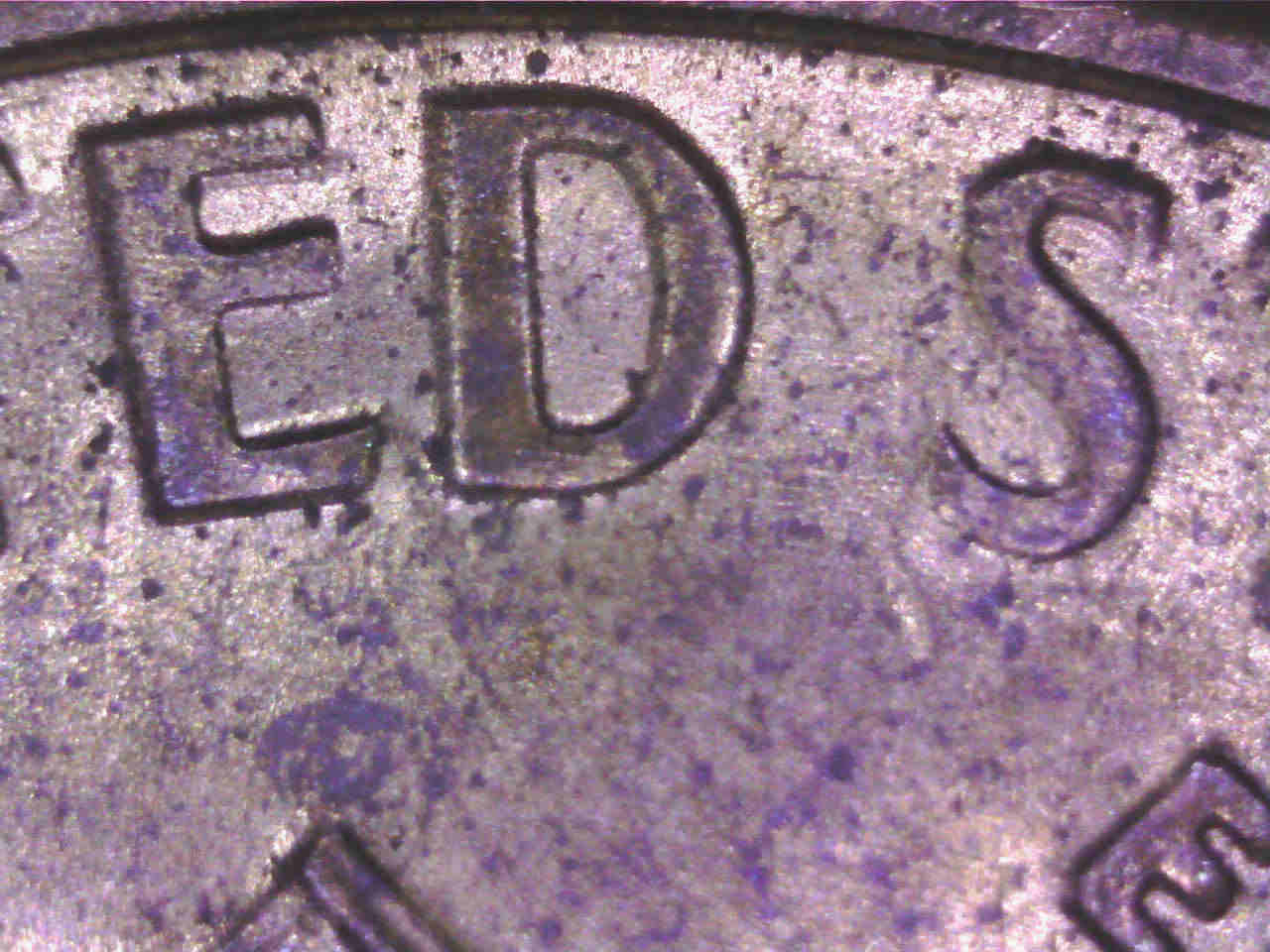
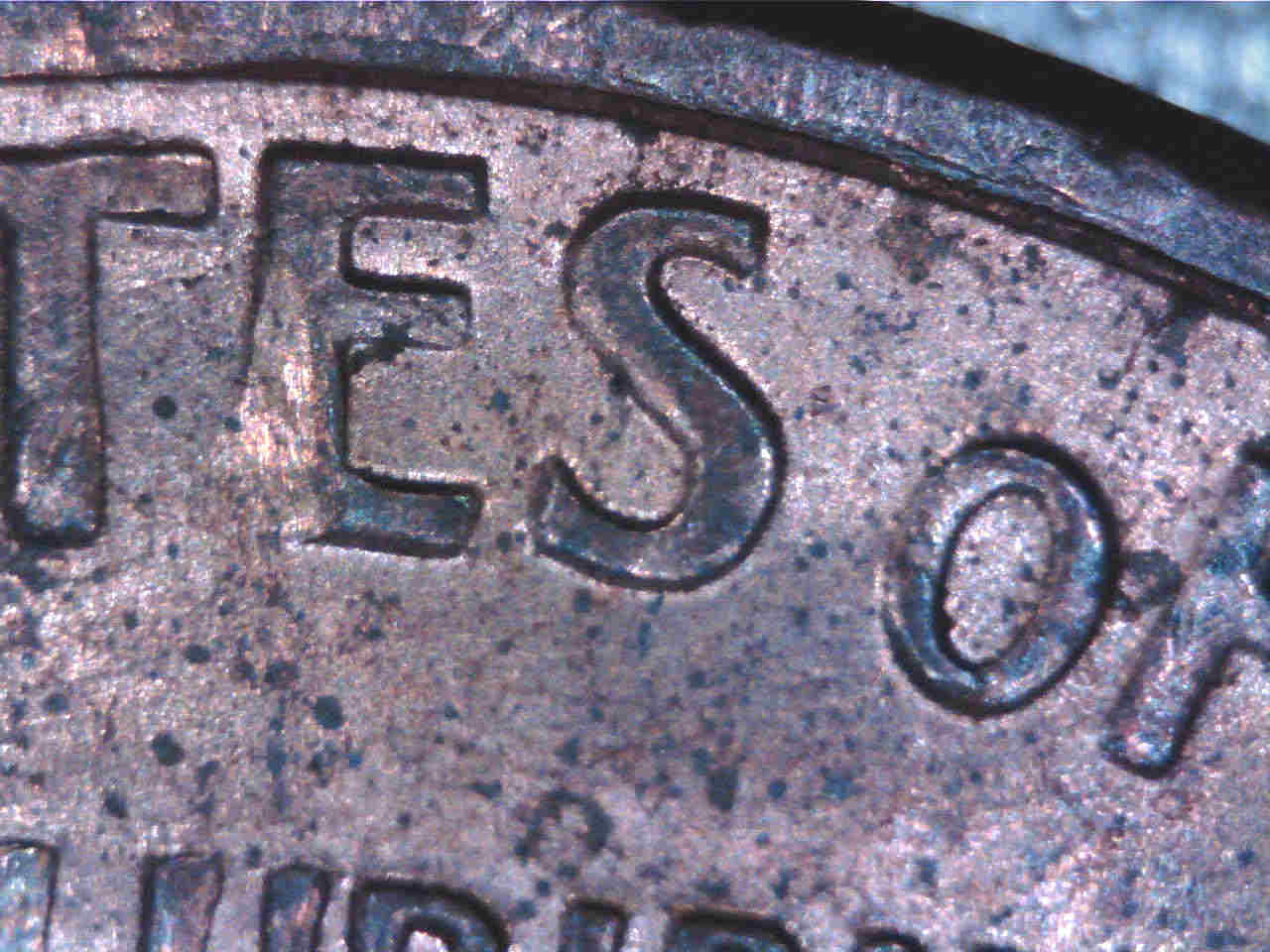
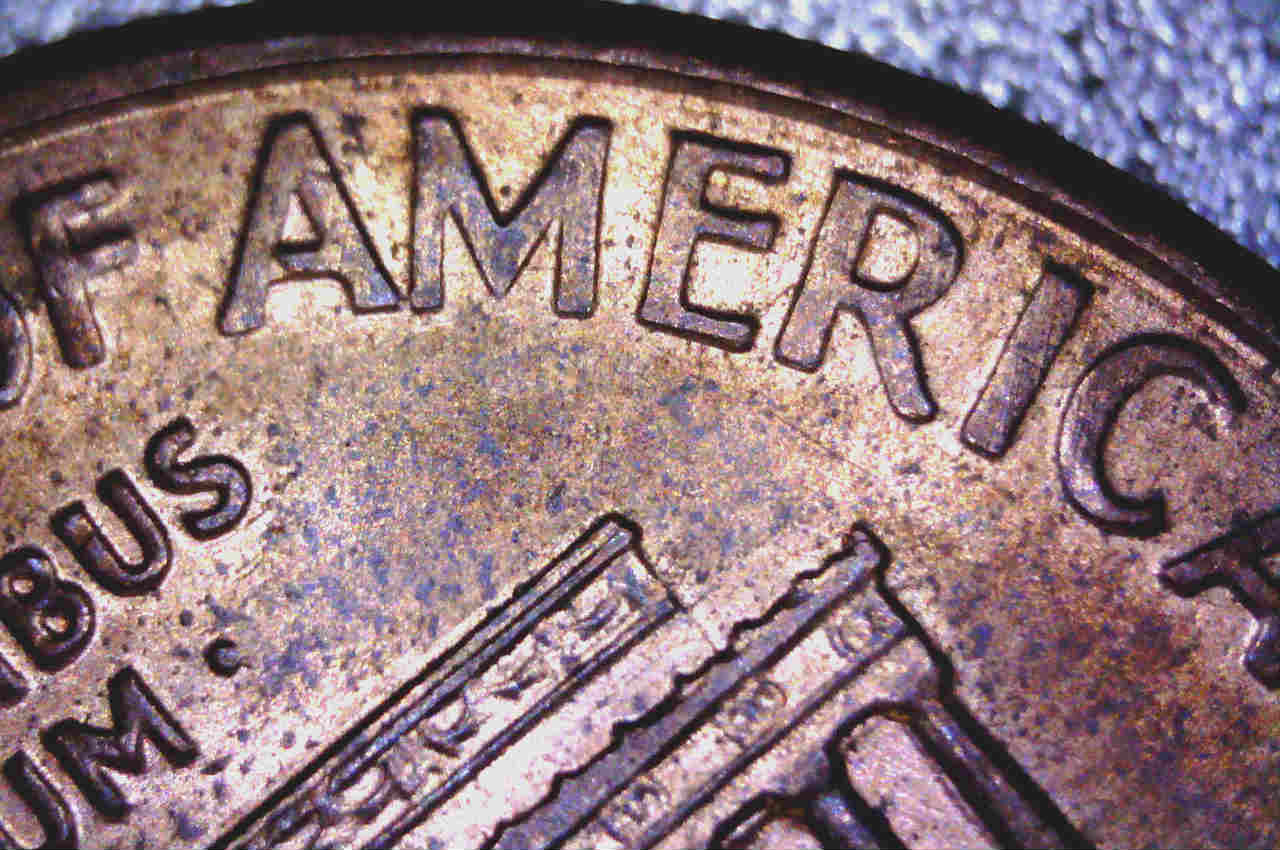
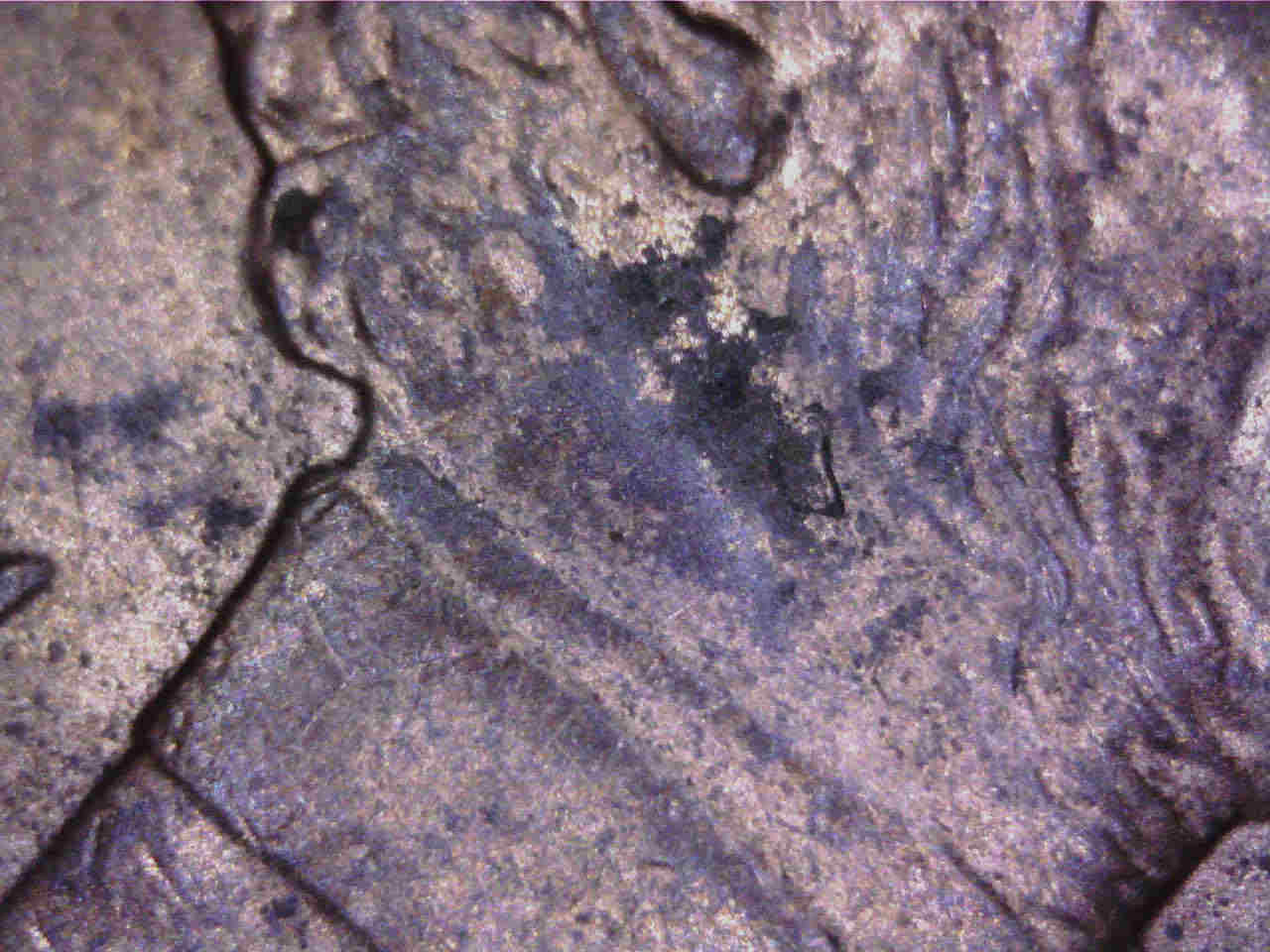
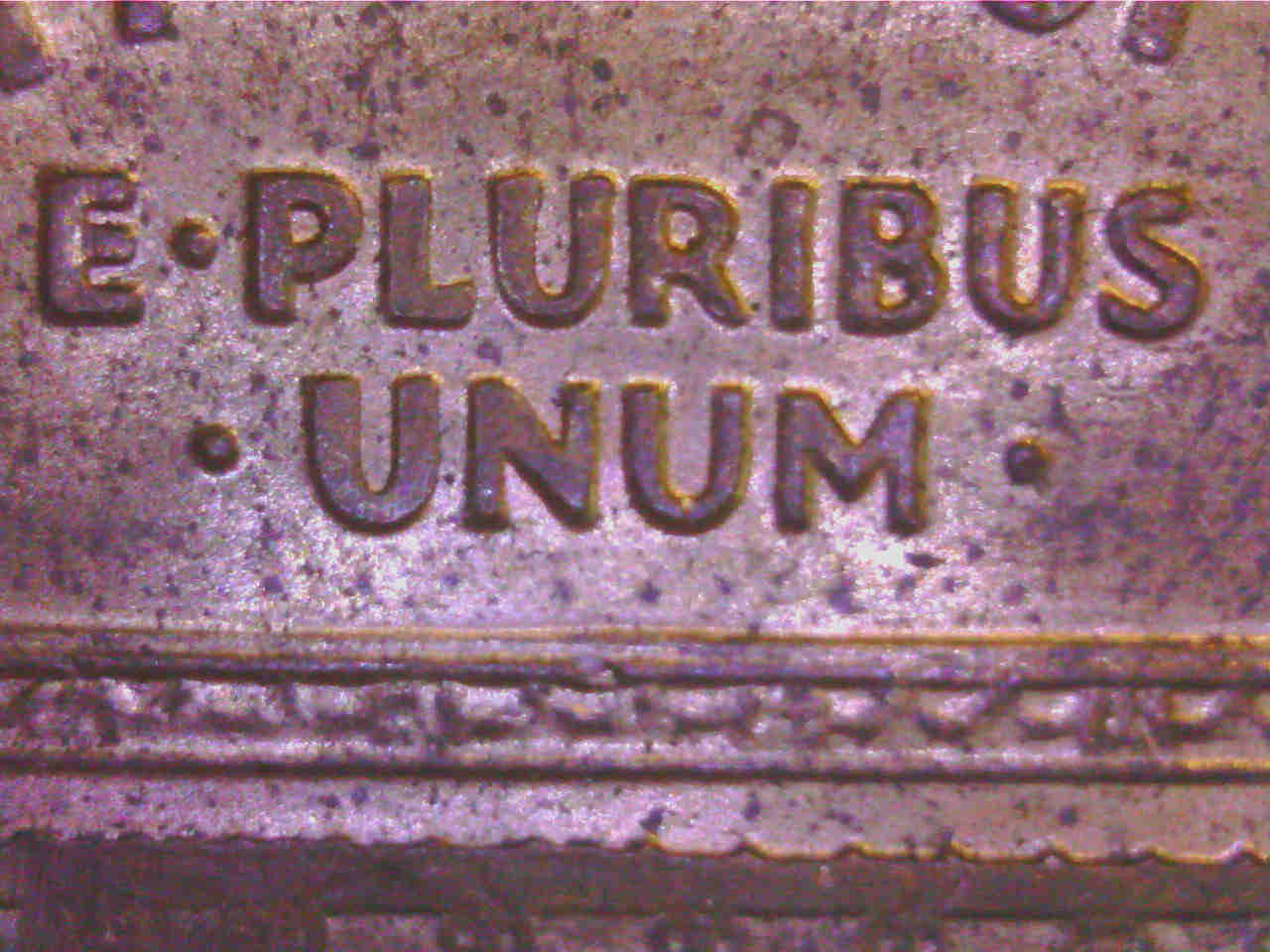
I'm thinking your looking to hard for something that is not there. A doubled die just leaps out at you. Also the single squeeze dies are more often affected on the central devices. On the 2004P-1DR-002 Note the EPU and the Dots:
http://www.coppercoins.com/lincoln/...ie_state=mdsIf these areas (the stronger doubling) is not there, looking for the fainter doubling on the outside edge is a waste of time. Also consider: some images on coppercoins are marker images. Which means they may/may not every coin. If it is a die scratch, it might not be there on earlier die examples and on later die examples if they flatten with use. So check for the obvious doubling first. On that die, note elongated dots and the EPU devices,
first. If they are not there, then it is not from that die. Hub doubling is distinct because it is on the die. On the 1972
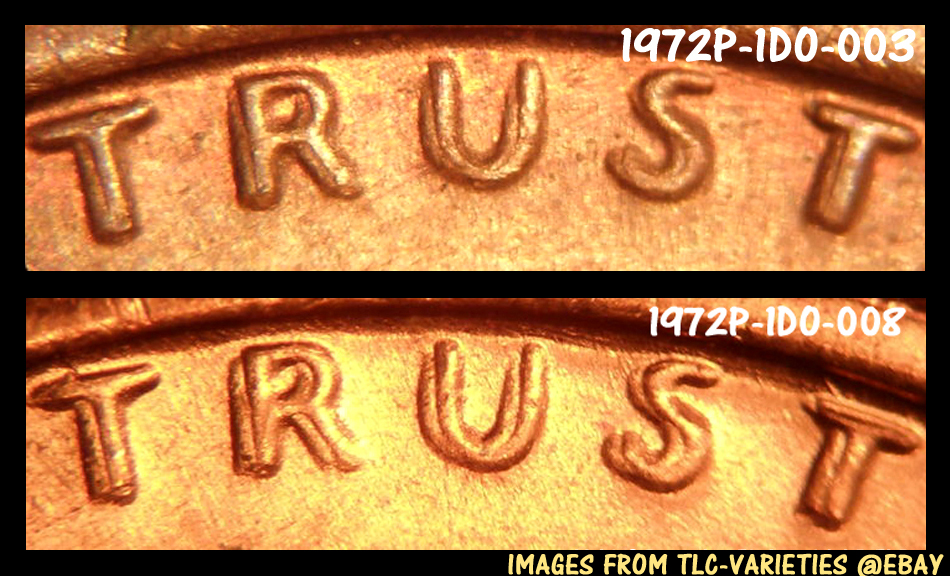
DDO examples, noticing the differences on the hubbing is the only way you can tell the dies apart. Case in point: The 1972P-1DO-003 and the 1972P-1DO-008. They look a lot alike. But noting the mint differences can help you to know which is which. Markers didn't stay on the coins for the whole run.
http://www.coppercoins.com/lincoln/...ie_state=mdshttp://www.coppercoins.com/lincoln/...ie_state=edsI used to use the "S" in truck to help tell the differences:
Then I discovered the differences on the date:
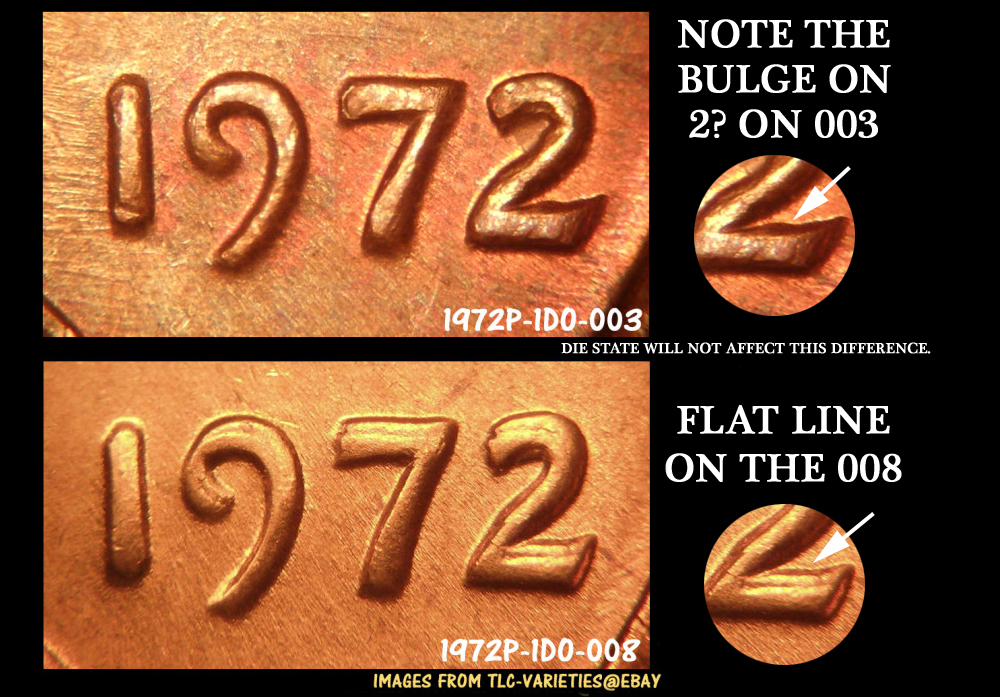
But using the other devices on the coin may leave you wondering. But the hub doubling (which creates a doubled die) will help you ID a coin. It just take time to develop your eye. Seeing what is there, rather than looking for something that is not there will help you train your eye. If the doubling is not there, it can't be from that die. Hope this helps.
Tip for the dayUse the full description of the die numbers. This will help. on coppercoins numbers the date/mint mark is listed first the the denomination/variety is next. Then the die number (the die that created your coin/listed die number.
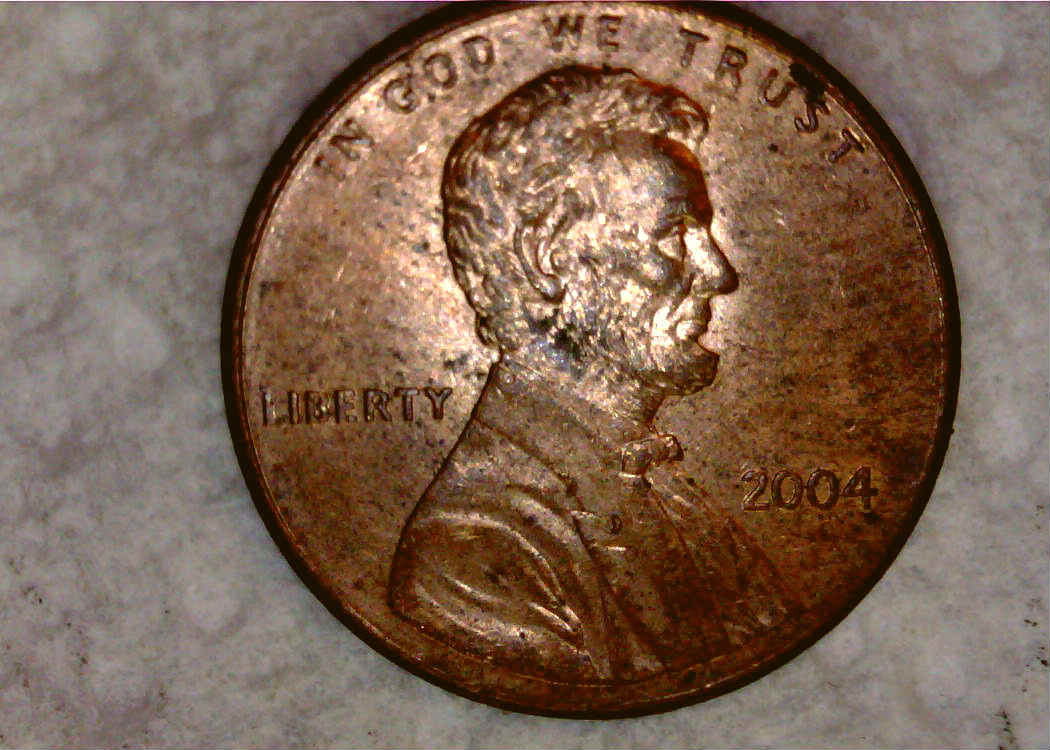
2004P- tells us it is a 2004 Philadelphia cent
1DR tells us it is a cent doubled die reverse
002 tells us it is die number 2.
If we use just part of the description, then we don't know from what source a die is listed. If it is a FS number then it is from the
Cherry Pickers Guide. If it is a WDDO, WDDR, WRPM, then it is a Wexler listing. If it is date/mint mark RPM number it is from CONECA. If it is a CDDO, CDDR or CRPM it is a Crawford number. There are several different listing for the same die, but they are different number. So it is important to give the full number so we know if we can help with your coin. Date/mint and die number don't tell us what source you are comparing your coin with. What if you coin is date/mint mark and listed with a RPM # 001. Or a 1936 1c 4-O-V number? These are older listing for CONECA/Wexler files. So having the full number helps us alot.









 Posted 07/08/2015 12:02 pm