Coin Community Family of Web Sites Join Thousands of Coin, Bullion, & Money Collectors
Vancouvers #1 Coin and Paper Money Dealer Shop for APMEX Bullion on eBay!300,000 items to help build your collection! Royal Canadian Mint products, Canadian, Polish, American, and world coins and banknotes. Join Thousands of Coin, Bullion, & Money Collectors Specializing in Modern Numismatics Coin, Banknote and Medal Collectors's Online Mall


Username:
Password:
Save Password
Forgot your Password?


This page may contain links that result in small commissions to keep this free site up and running.

Welcome Guest! Registering and/or logging in will remove the anchor (bottom) ads. It's Free!

Understanding Early Die Stage

To participate in the forum you must log in or register.
Author Previous TopicReplies: 4 / Views: 1,234Next Topic  
Valued Member
my76strat's Avatar
United States
128 Posts
 Posted 08/10/2015  4:17 pm Show Profile   Bookmark this topic Add my76strat to your friends list Get a Link to this Message Number of Subscribers
I often see comments from people far more knowledgeable than I, in this hobby, showing a preference for coins of an early die stage, (EDS). Please help me understand this concept better; with images and research-able links if possible. Thank you.
Pillar of the Community
OldSkoolMadSkilz's Avatar
United States
2077 Posts
 Posted 08/10/2015  4:30 pm  Show Profile   Bookmark this reply Add OldSkoolMadSkilz to your friends list Get a Link to this Reply
A die has a certain life, either determined by when they swap it out for maintenance, or it breaks during use. There really isn't any clear dividing line between when a die goes from EDS to LDS, but those minted when the die is fairly new are EDS and those before it was retired are LDS. In some cases, there's a very distinct noticeable defect like a crack or Cud that defines if as LDS, but in many cases, it's just that it's more worn or shows signs of reconditioning.

Pillar of the Community
Learn More...
ChildOfTheWheat's Avatar
United States
5828 Posts
 Posted 08/10/2015  4:41 pm  Show Profile   Bookmark this reply Add ChildOfTheWheat to your friends list Get a Link to this Reply
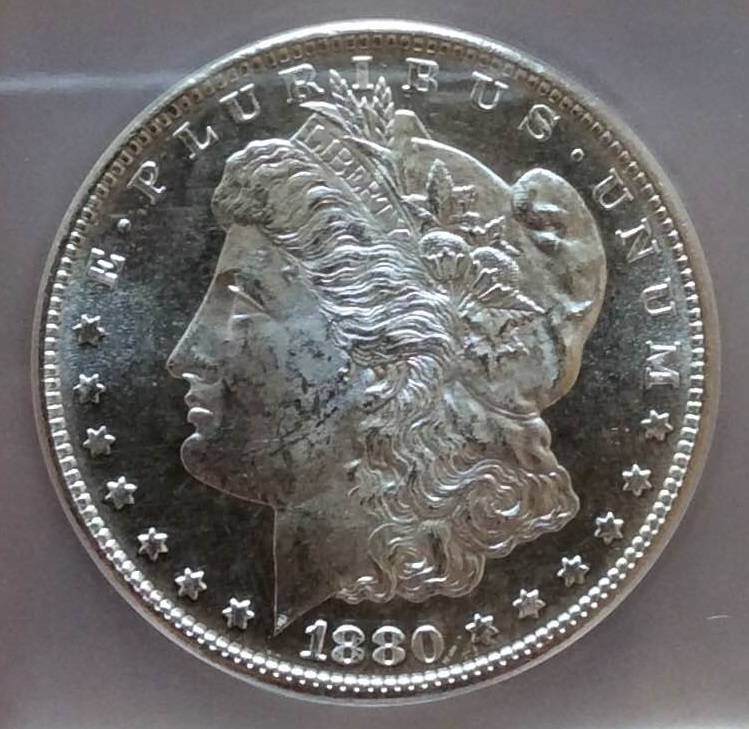
Also coins minted from a fresh die tend to be proof like


Understanding-Early-Die-Stage
Moderator
Learn More...
SsuperDdave's Avatar
United States
23522 Posts
 Posted 08/10/2015  4:50 pm  Show Profile   Bookmark this reply Add SsuperDdave to your friends list Get a Link to this Reply
It's easier to visuize as a scale than a point, just like grading.

At one end are the fresh dies creating nice sharp strikes just like the prototypical design. At the other end are the old, worn out die pairs showing detail loss and maybe features being a little "drawn" towards the rim. Some commonality exists but again, just like grading, individual issues show differing symptoms. Let me look around and see if I can find image examples of what I mean.
Pillar of the Community
Learn More...
ChildOfTheWheat's Avatar
United States
5828 Posts
 Posted 08/10/2015  4:57 pm  Show Profile   Bookmark this reply Add ChildOfTheWheat to your friends list Get a Link to this Reply
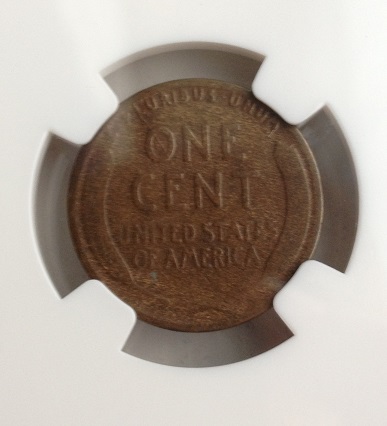
Here's an old worn out die for ya... 1922 D LWC. Note weak details on the reverse and lots of die cracks.


Understanding-Early-Die-Stage
  Previous TopicReplies: 4 / Views: 1,234Next Topic  

To participate in the forum you must log in or register.


Disclaimer: While a tremendous amount of effort goes into ensuring the accuracy of the information contained in this site, Coin Community assumes no liability for errors. Copyright 2005 - 2026 Coin Community Family- all rights reserved worldwide. Use of any images or content on this website without prior written permission of Coin Community or the original lender is strictly prohibited.
Contact Us  |  Advertise Here  |  Privacy Policy / Terms of Use

Coin Community Forum © 2005 - 2026 Coin Community Forums
It took 0.24 seconds to rattle this change. Forums