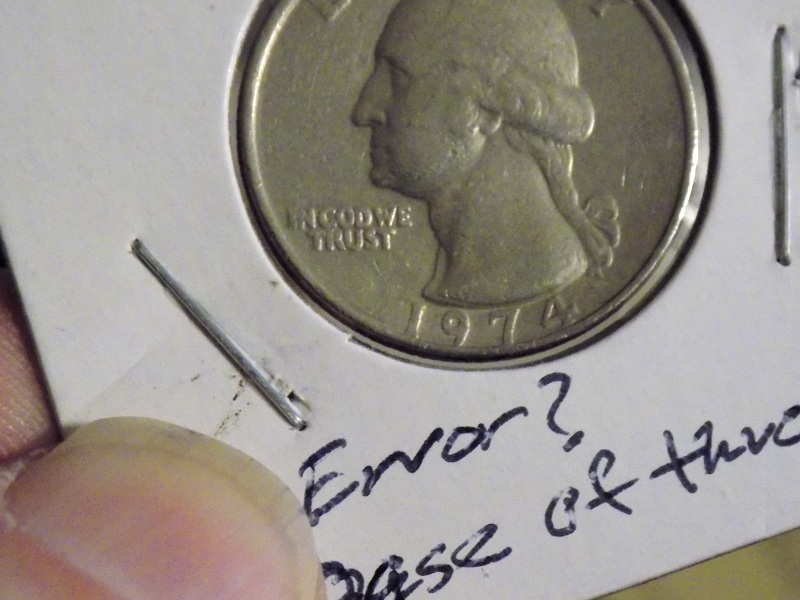
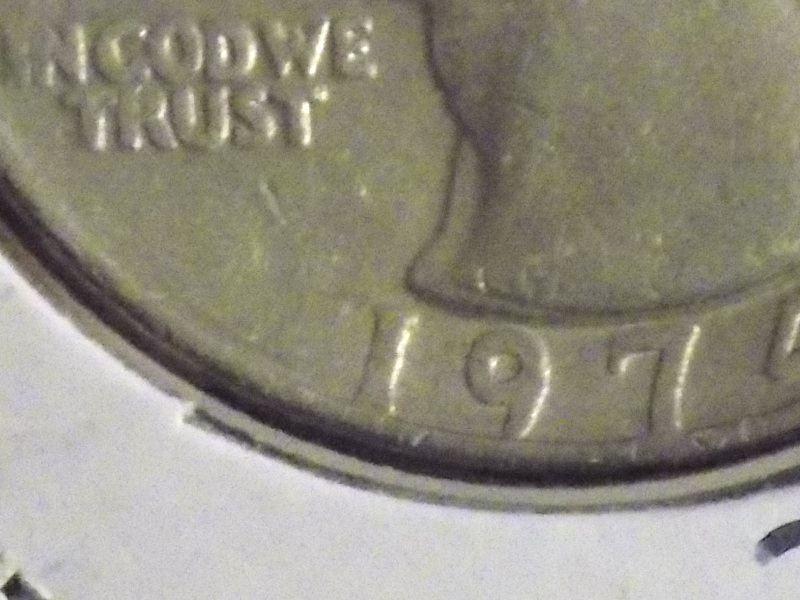
OK. Might as well learn the technique with your Nikon, and once you've mastered it your decision as to how to proceed will be a better-informed one.

The L330 has very little manual adjustment capability. The standard Auto Mode (as opposed to Smart Auto) gives you a little control over ISO and White Balance, but that's about it. Not many point-and-shoot cameras have the manual settings we need to get the most out of coin imaging. This will make the learning process simpler, but imposes an upper limit to quality.
These are the things common to every coin imaging system:
1) Firm camera mount. This can take the form of a tripod, a copy stand or similar, but the camera cannot be allowed to move while the image is being snapped. Very few of us are steady enough to take effective coin shots handheld; in ten years here I've met
one person who could do it. That person wasn't me.
2) Camera lens plane and coin parallel. In Macro photography, one has little depth of field to work with and in many cases a slight tilt to the coin relative to the camera is enough to keep the whole surface of the coin from being in focus. Further, the moment coin and lens are not parallel, perspective starts being distorted (moreso with macro photography than normal photography) and you can no longer trust the position relationships which are vital to attribution.
This is normally accomplished by laying the coin on a flat surface and pointing the camera straight down upon it. You can lay a small mirror where the coin is going to be, and adjust the camera so you can see the lens reflected in the exact center of the viewfinder. This will cause the lens and coin planes to be perfectly parallel.
3) Delayed or remote shutter actuation. The act of pushing the shutter button introduces vibration which can kill an image. In your case, remote shooting is not possible so you'll want to use the camera's delay timer to shoot.
And, of course, never shoot a coin in a flip.
This is just a start. Play around a bit, see what it takes to get the above suggestions implemented, and we'll work from there.









 Posted 09/05/2015 02:32 am