| Author |
 Replies: 10 / Views: 1,601 Replies: 10 / Views: 1,601 |
|
|
Valued Member
United States
297 Posts |
|
|
|
|
Valued Member
 United States
297 Posts |
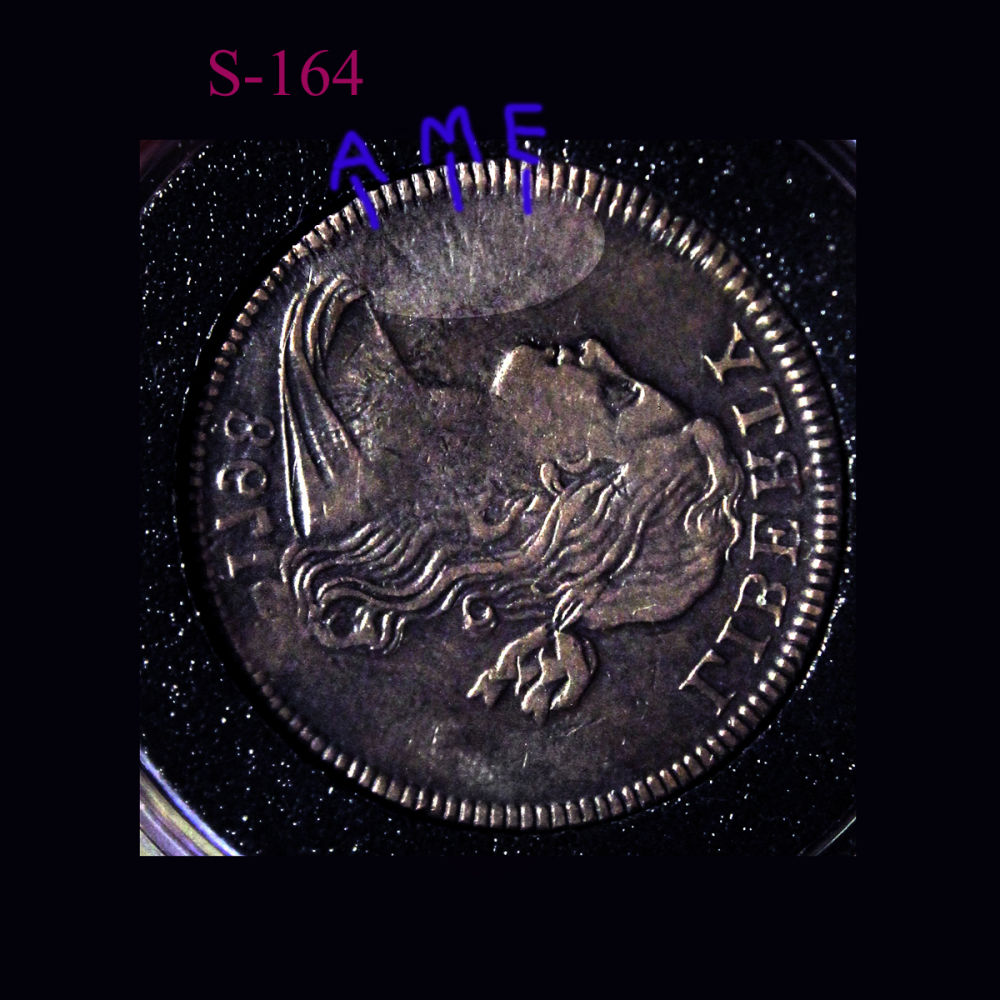
I see no one knows what the heck I'm talking about-- Clashed coins are on the original mold as the lettering of the previous dies were not completely taken out. A excellent example is the Wreath cent S11c obverse has a clearly non finished un removed Clash marks--creating an incuse impression of the previous remaining image. I find these errors unique and exotic and very cool. The Sheldon 164 obverse has multi left over clash impressions ,one more prominent is the word Ameri at 3:00-5:00 and other parts on bust and within the date -ect . This is on all higher graded 164s above F grade non porous*. Have looking at your 164 to see this
|
|
Pillar of the Community
Germany
1856 Posts |
Breen does not mention any S-164's with ghost lettering. However, his book was written some years ago, and also, he obviously did not view all 164's out there. An interesting feature for sure. Maybe a recycled/spent planchet from a previous year?
|
|
Valued Member
United States
297 Posts |
German-- They are on all of em-- but only the few higher graded ones your able to see this -
|
|
Pillar of the Community
United States
4409 Posts |
|
|
Valued Member
United States
297 Posts |
Medowview-- Thank u for that retrieve . excellent examples showing this ghost lettering. I think this variety just went up a dollar--lol
|
|
Pillar of the Community
United States
1304 Posts |
Clash marks are so ubiquitous on early US coins I fail to see how the presence of them on this variety will add any more interest or value beyond the collecting value of the variety itself. I would be more inclined to say that a high grade example of this variety showing NO clash marks would be of advanced interest to a collector, if such an example were to exist. |
|
Valued Member
United States
297 Posts |
O but that's not possible Eflarge cents--- Mold was set in stone-(die cast Irion )for the final to mint the Sheldon 164*. See I think that's a new learning tip--Intresting fact. So a mint could yes have a bad day---or sloppy one at that. Life was tuff then in 1798 -Mint was good but far from perfect
|
|
Pillar of the Community
United States
1304 Posts |
I was under the impression that clash marks are formed on the dies because the dies came together without a planchet between them, thus impressing the details onto the opposing die rather than into the planchet. Here is a link on how dies were prepared for early cents. Dies were hubbed with major design features and engraved to some extent and date punches were used. http://www.pcgs.com/books/earlycent...ade-002.aspxEdited by EFLargeCents
09/13/2015 3:29 pm
|
|
Valued Member
United States
297 Posts |
Maby that did happen as a mistake really early on this one Variety die 164 -- And so this means it was damaged early on completing a cycle impression with out the planchet ready to be impressed.hmmm --But the damage was minor so they decided to continue using this set till it cracked and failed completely and so most if not all have this Ghost impression left on. Interesting -I think its the best answer.
|
|
Bedrock of the Community
United States
17884 Posts |
Quote:
Breen does not mention any S-164's with ghost lettering. Breen State IV "Heavy clash marks in the right obv field from AME." State V "Extra clash marks from AMERICA" He does not mention any clash marks on States I - III. Many early date varieties are known with multiple clash marks. As EFLargeCents says they are caused by the dies coming together without a planchet between them. Typically early states don't have them and after they are created they can disappear on late states due to either die wear or sometimes repolishing of the dies. Edited by Conder101
09/14/2015 08:02 am
|
| |
Replies: 10 / Views: 1,601 |
|









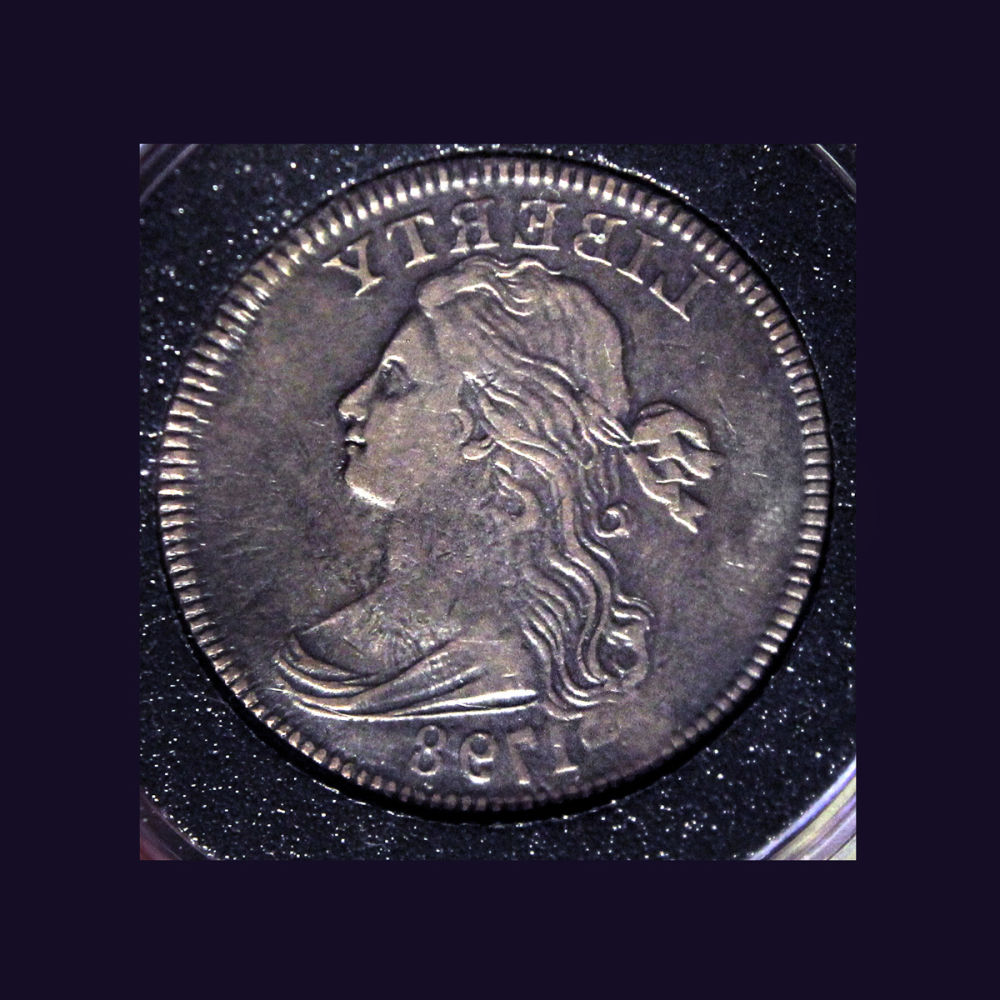
 If U look closely, you can see correctly the error as I disfigured the image backwards so u can see the ghost lettering correctly sided. Very cool stuff. I did not add the rev of coin so we can focus on this side only. I like that the whats correctly called Clash Marks--is seen with the word America---- Very cool discovery of mine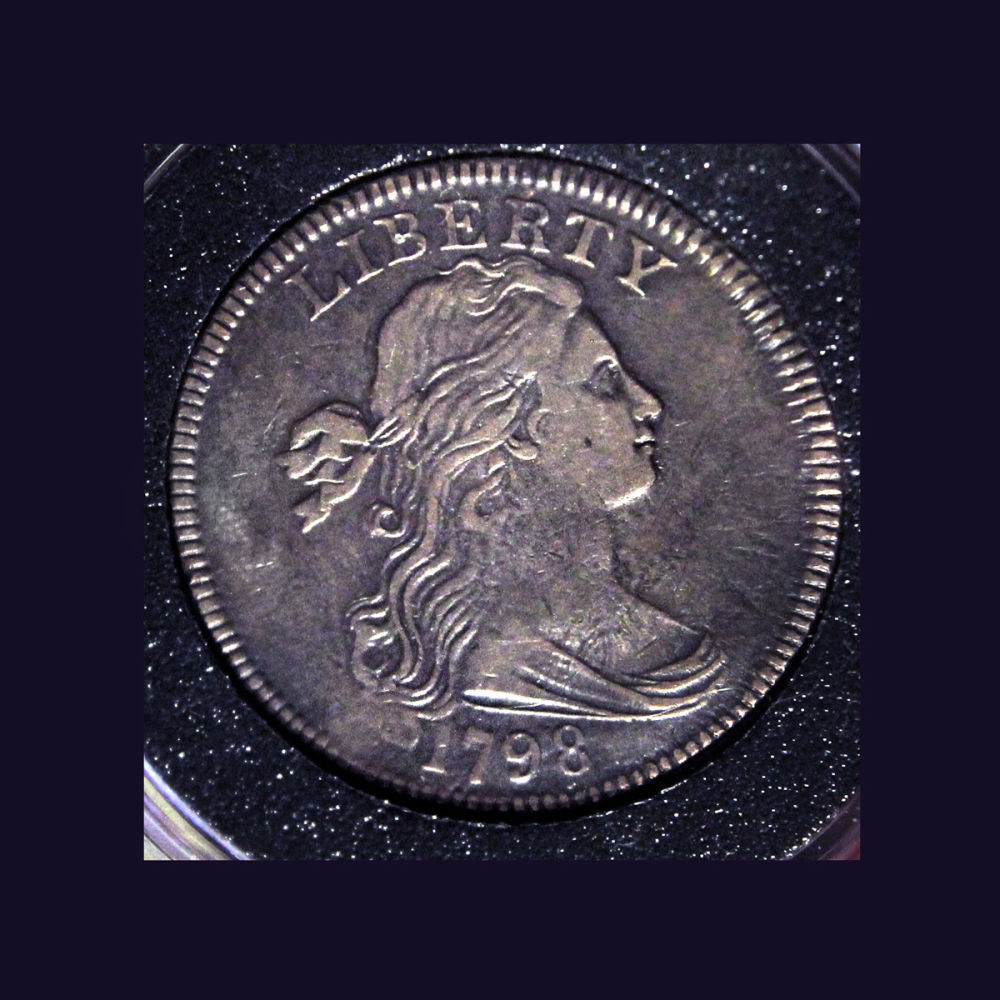


 Posted 09/13/2015 12:03 pm


