| Author |
 Replies: 17 / Views: 4,283 Replies: 17 / Views: 4,283 |
|
Valued Member
Canada
444 Posts |
|
|
|
|
Pillar of the Community
New Zealand
1679 Posts |
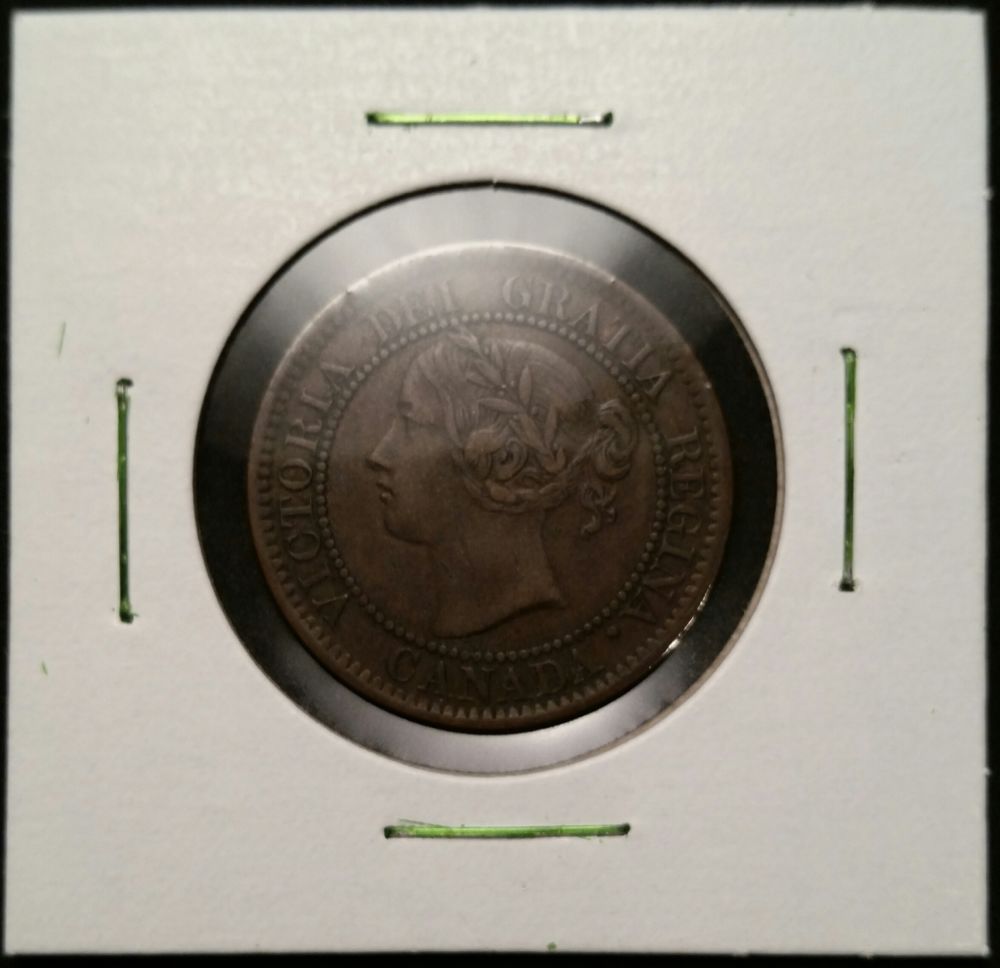
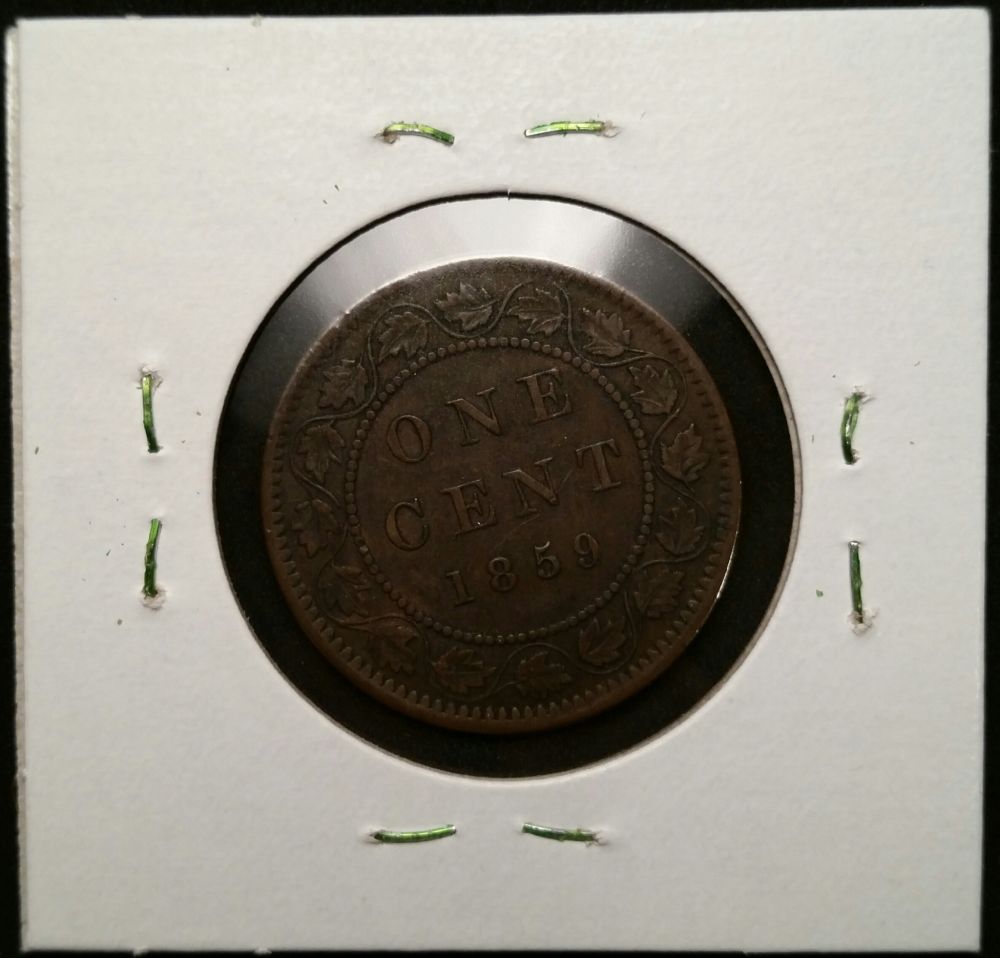
Looks like Wolverine got to her neck and cheek (planchet flaws) but I cannot tell the die combo as you need to take the coin out of the 2x2 and re photo with sharper photos (poss group E) 10-15% rotation
Cheers Don
Vickies cents and GB Farthings nut.
"Old" is a figure of speech and nothing more
|
|
Pillar of the Community
Canada
638 Posts |
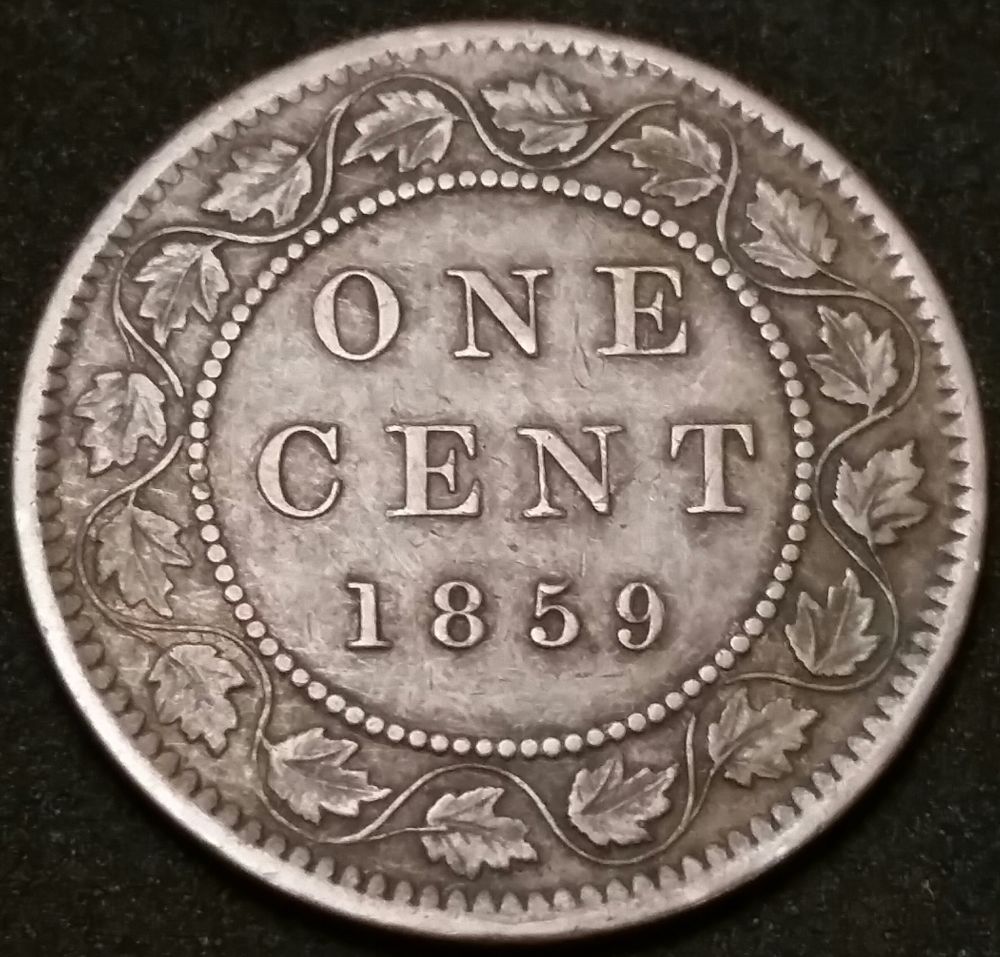
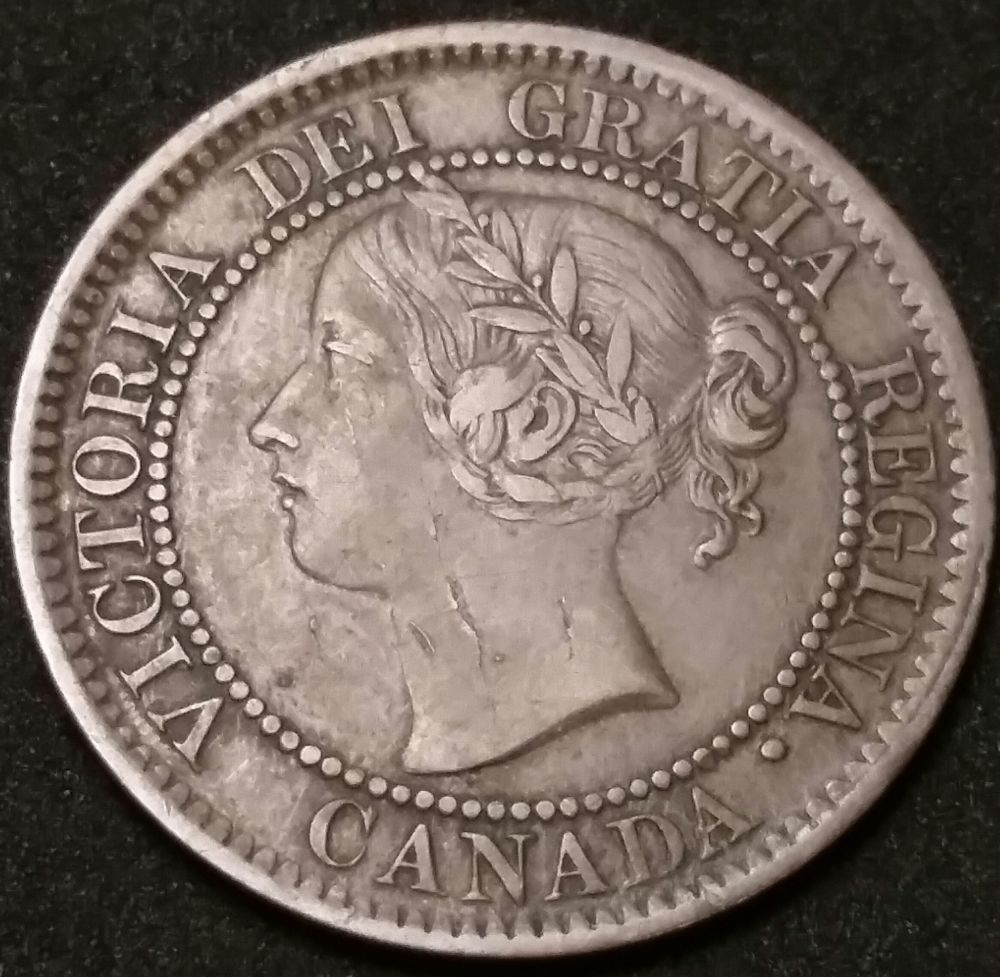
Nice coin! I do believe that it is Haxby 45a+I7a. You can see the D/C through the E of DEI and a D/C at leaf 13
MG
|
|
Pillar of the Community
 Canada
5644 Posts |
Wow! If you can see a D/C at 13, then you have better eyes than I. I look closely at any one that has the vine break like that at 2, but saw nothing at 13. I'd say 10% or less rotation and not out of the ordinary.
|
|
Pillar of the Community
Canada
638 Posts |
He is a photo of mine okiecoiner which I believe is the same as Coin Scavenger's coin! And it also has a small rotation. Look closer and you can see a faint D/C on top of leaf 13? or maybe it's my eyes this morning....   MG |
|
Pillar of the Community
Canada
5644 Posts |
Well, I see the D/C at 13, and it has every other marker for a 9/6, but there's dirt to see inside the 9..
Edited by okiecoiner
09/22/2015 08:38 am
|
|
Pillar of the Community
New Zealand
1679 Posts |
I could not see anything .
Well done Viper
Cheers Don
Vickies cents and GB Farthings nut.
"Old" is a figure of speech and nothing more
|
|
Pillar of the Community
Canada
5644 Posts |
The C in Canada is tripled in the notch, there is a D/C in the N in Canada upper R serif, the T in Gratia is doubled bottom R stem, the C in Vicky is doubled bottom right, the brak is right at 2 and the D/C at 13. When you guys give Haxby numbers, I have no idea what you are talking about, but I think, if you could see the 9 well, it would be a 9/6.
|
|
Pillar of the Community
Canada
1269 Posts |
Okiecoiner this is the same obverse as the 9/6 but a different reverse this is the second rev. used with this obverse. Remember the crack for the 9/6 is at leaf twelve not thirteen.
I would agree with viper these are both the same coin and it's Haxby PC59-45a2. If your looking for a 1859 coin with substantial rotation try PC59-77a1
I have two of these and they both have about a 40-45 degree rotation.
Cheers, Bill
|
|
Valued Member
 Canada
444 Posts |
Everything appears the same, the 8 has doubling on the bottom, but I can't see anything inside the 9. When I get home I'll get out a wire brush and clean out the nine, see what I can find... kidding  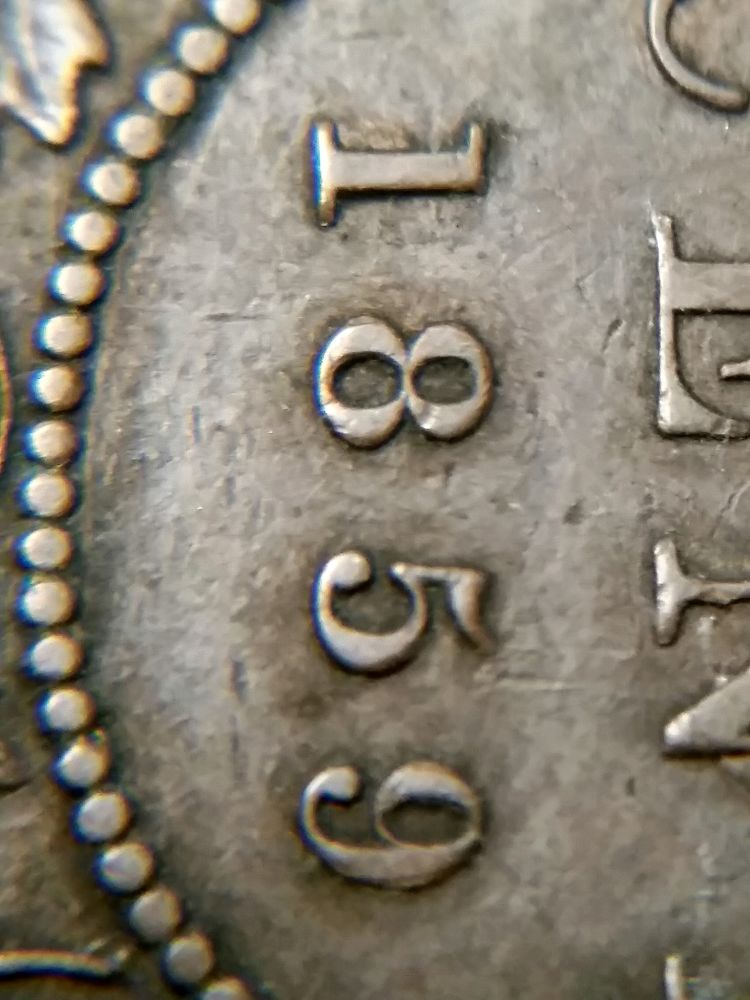 I will try some more photos, this is the best close up, on my phone. |
|
Pillar of the Community
Canada
5644 Posts |
Yep, couldn't read my own writing on my notes .. it's 12.
|
|
Valued Member
Canada
444 Posts |
I've looked over the details and everything matches except the part that counts, the 6 under the 9. Could someone explain? Is this coin produced after the flaw was found and fixed? 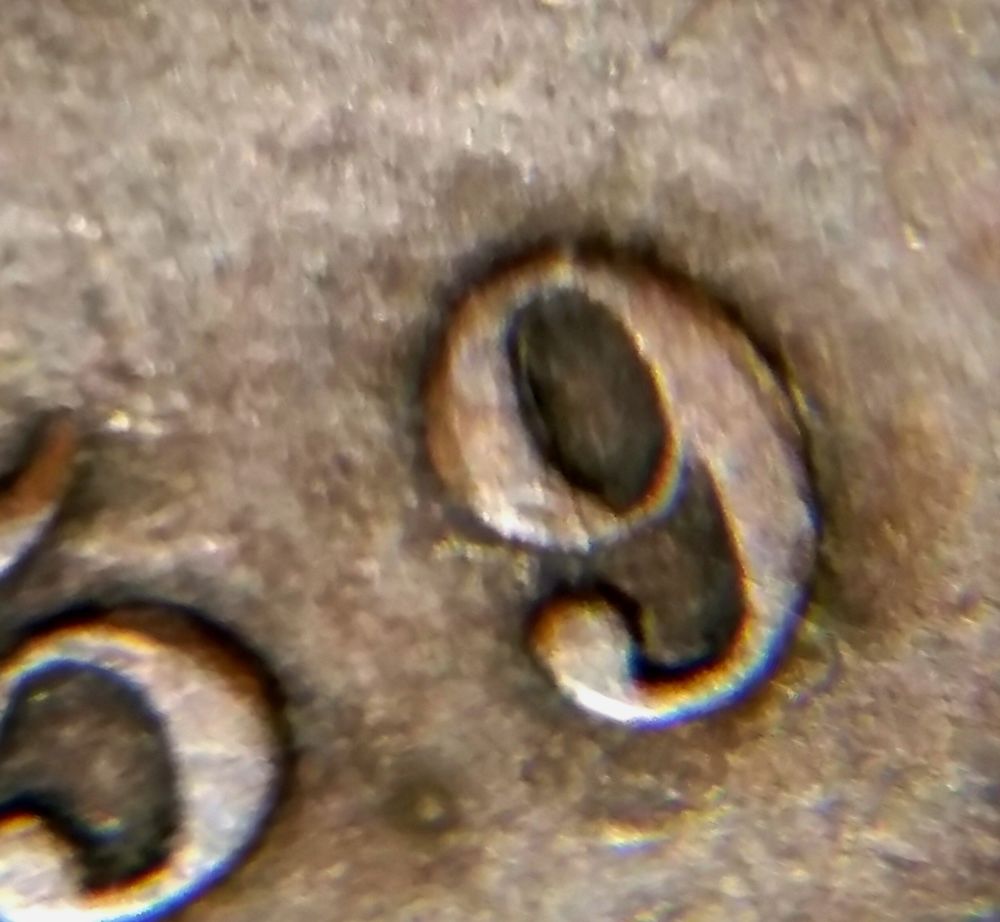 |
|
Pillar of the Community
Canada
5644 Posts |
There were about 200 different reverse dies used for the issue, with every one with a hand-punched last digit. Since it took 2-4 whacks of the hammer to finish the working die, there were multitudes of different types/numbers of dies with visible repunched 9's. A couple had the worker with the punch upside down on one of the whacks. As the 9/6 working die wore down through use, the inside of the 9 line disappeared or got harder to see. This was especially true with the Type 2 9/6 that doesn't have the D/C at 12, but the 5 is nicely repunched.
|
|
Valued Member
Canada
444 Posts |
I feel like I've signed up for a masters course, everytime my novice hands touch a 59, I learn a bit more. All the dies were old 58 dies? Does the die yield the premium or is it just the repunch? Does the quad C have a premium?
|
|
Pillar of the Community
Canada
1269 Posts |
I guess the re-punch is the notable aspect that would make it collectable but the prepunch is done to the die and you must remember most all 59's have multiple re-punched letters and numbers. The quad "C" in a outstanding re-punch but is also very prolific. This obverse was used with 11 different rev dies and just because of the number of coins with this re-punch I don't see any premium for the Quad "C". Back to your original post, here's the 59 I referred to above PC59-77a1. This is not a pretty coin but it's in a very late die state and has the most rotation I've found in the wild. Cheers, Bill 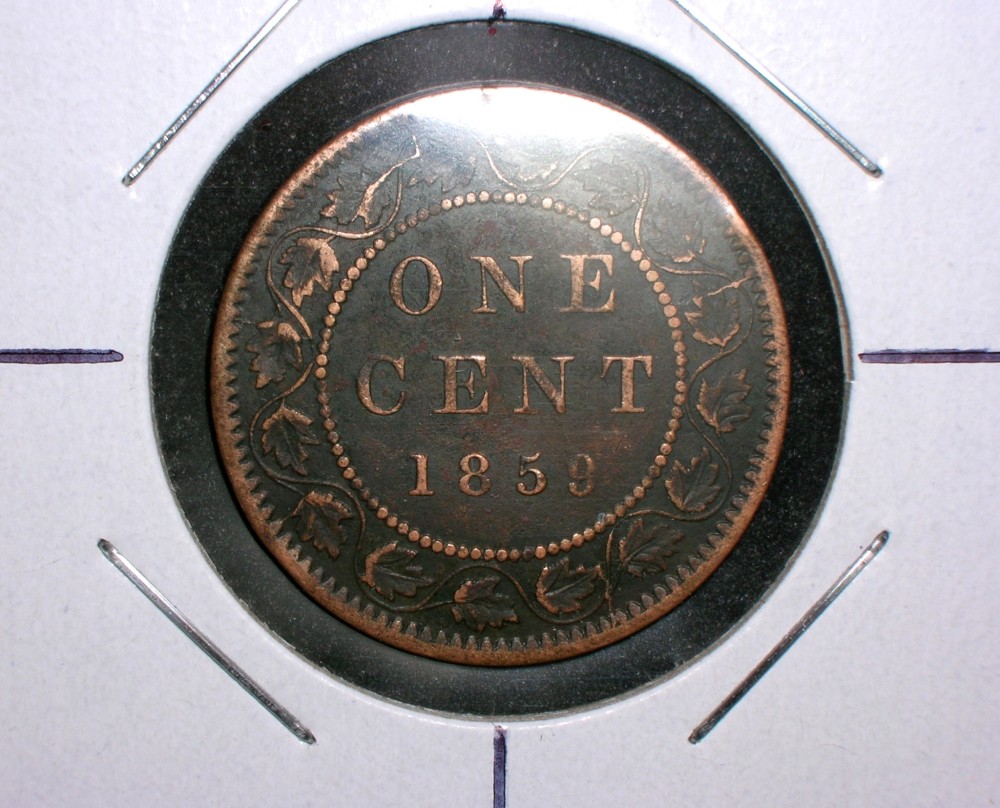 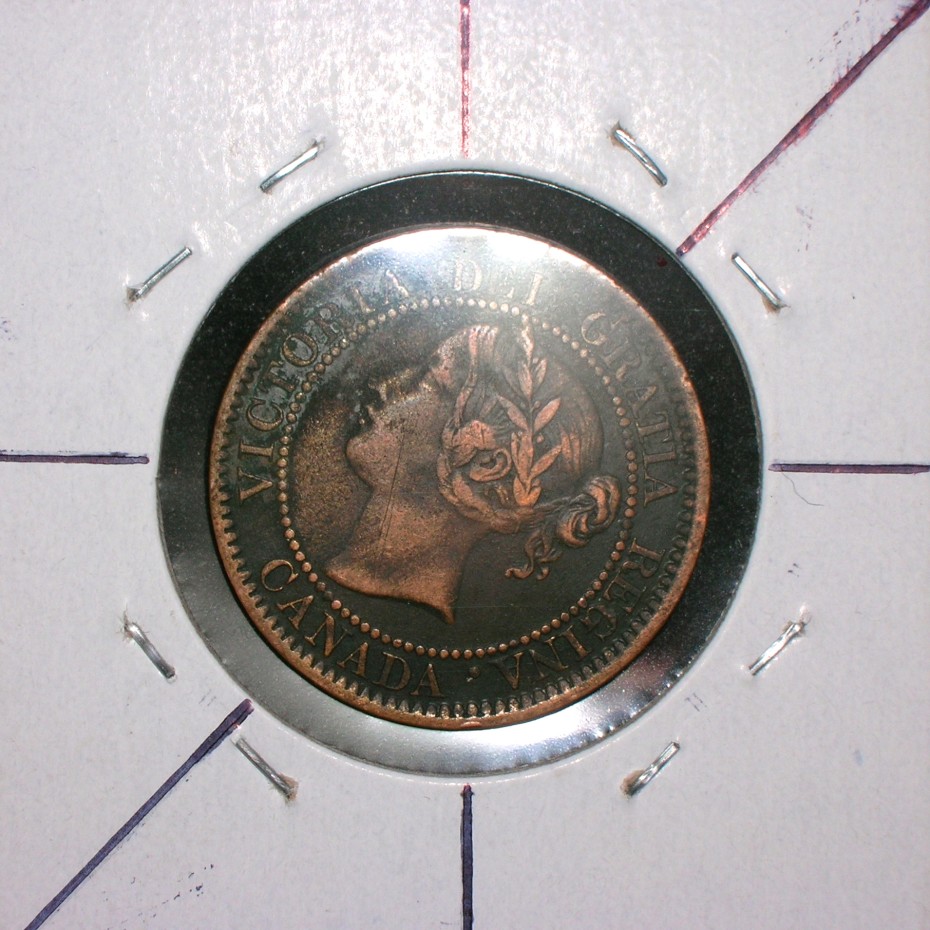 |
|
Pillar of the Community
Canada
5644 Posts |
"I feel like I've signed up for a masters course, everytime my novice hands touch a 59, I learn a bit more. All the dies were old 58 dies? Does the die yield the premium or is it just the repunch?" Coin Scavenger's post above.
No, all 1859's were NOT made using 1858 dies. It used the hub (master punch that makes the working dies) that started loife as 1858. It looks like a typewrite key, with the detail in "relief" or projecting out. The 1858 hubs had the final 8 ground down and smoothed out. Then every working die struck by presses(about 200 for 1859) came out originally as "185" and no last digit. Each working die had the 9 then handpunched, instead of machine-punched, final digit to complete the working die. Since each handpunch took 2-4 whacks of the hammer and, after each whack the punch was hardened(tempered and quenched) and the working die annealed (softened), there may have been days, weeks or more between the first whack, 2nd whack, etc. That is why there are so many doublings of the 9's every which way ... up, down, left, right, rotated, etc. It's what makes collecting the 1859 varieties so much fun as well as some so very hard to find. Each reverse die lasted between 5,000 and 60,00 strikes back then, although later 1880's-90's working dies lasted 100,000 or more. The Obverse dies lasted twice to 10 times longer than the Reverse dies. That's why, as Houndog and others have siad, you may have a singlew Obverse married to 5-10 different reverses. 1859's are a joy to be around.
BTW, there are other dates where the previous year's hubs were used with the final digit ground down and a new last digit put into the working dies by hand.
|
| |
Replies: 17 / Views: 4,283 |









 Posted 09/22/2015 04:47 am





