







 1.jpg
1.jpg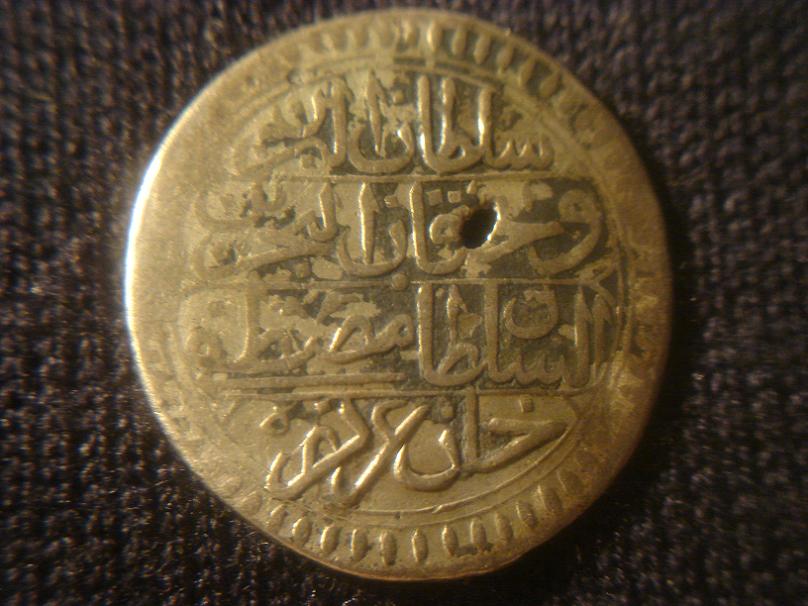 2.jpg
2.jpg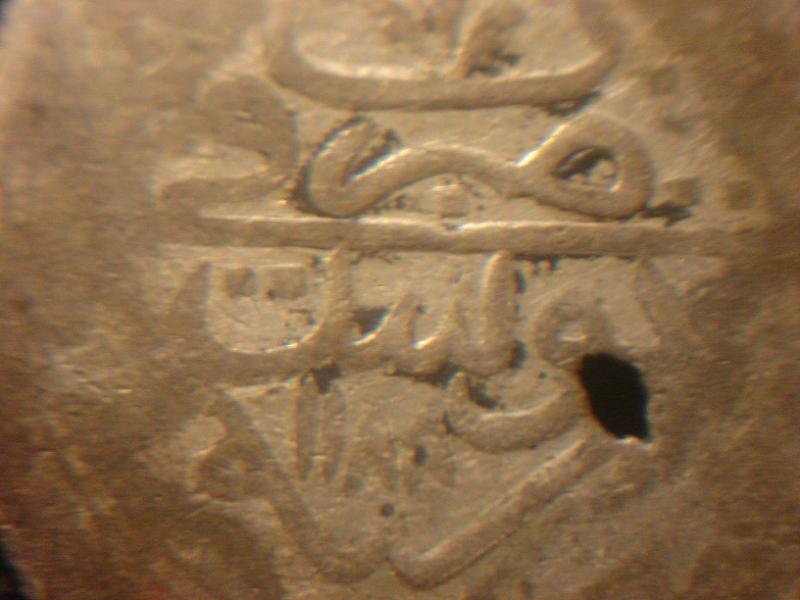 3.jpg
3.jpg


 Posted 01/15/2008 06:13 am


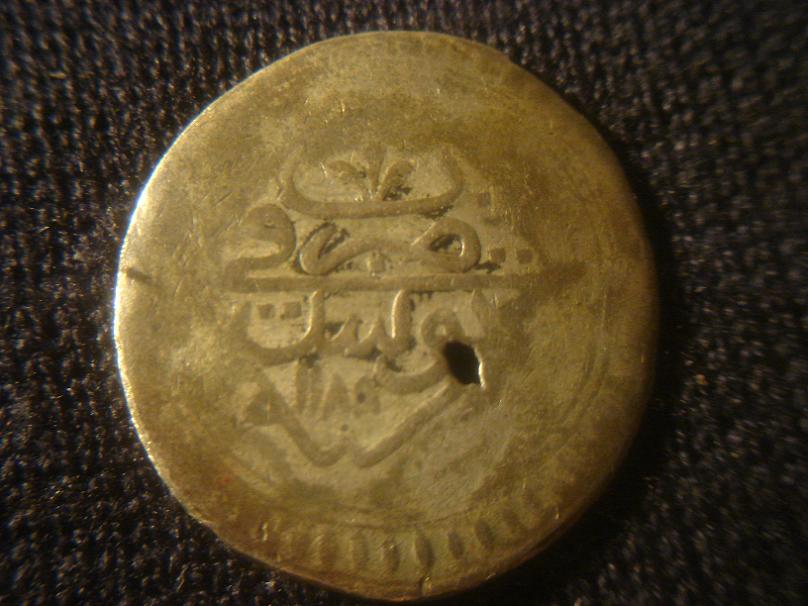
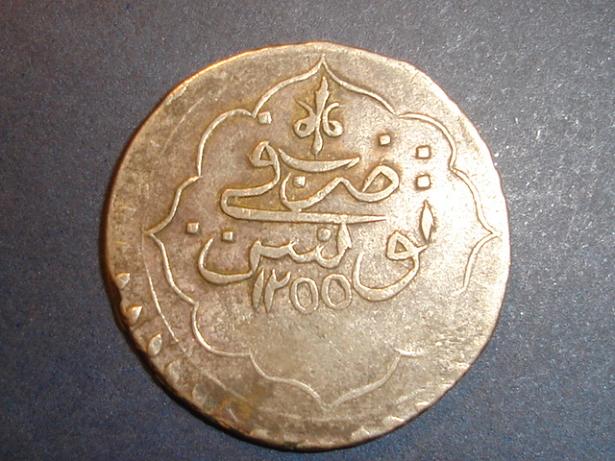
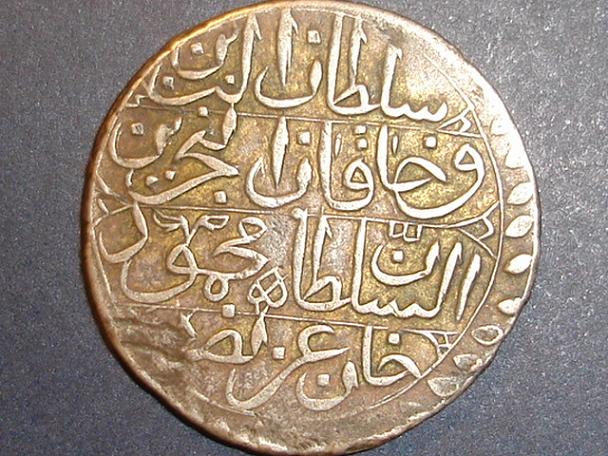
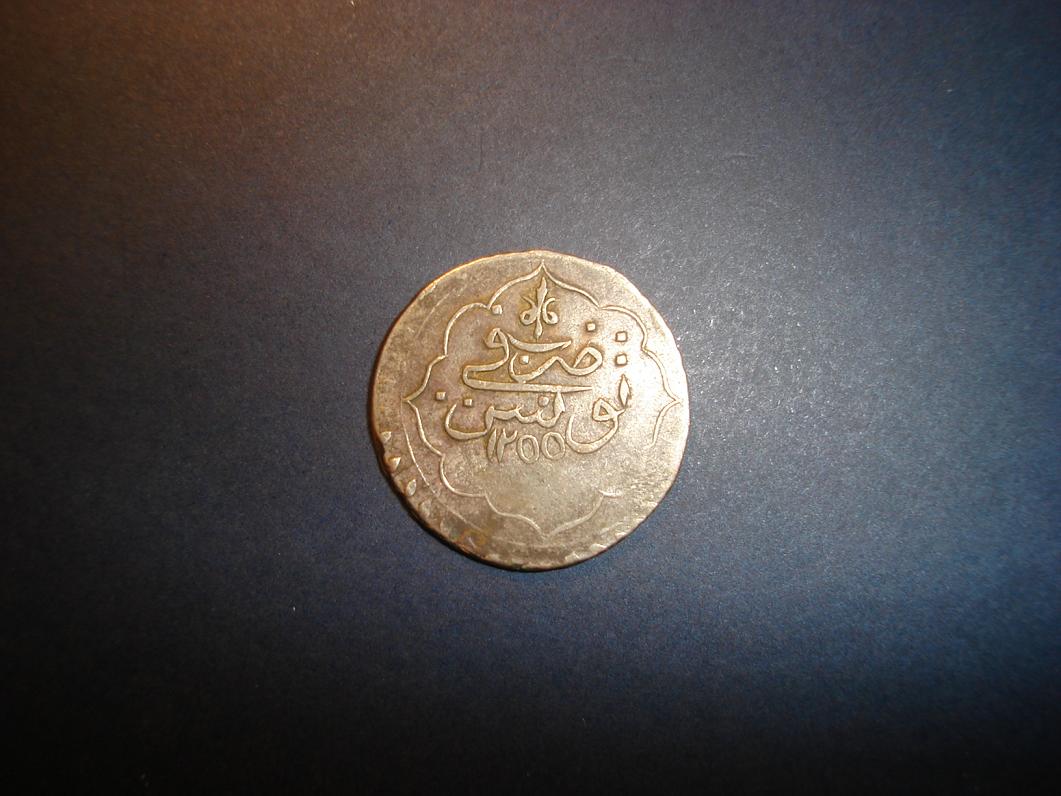
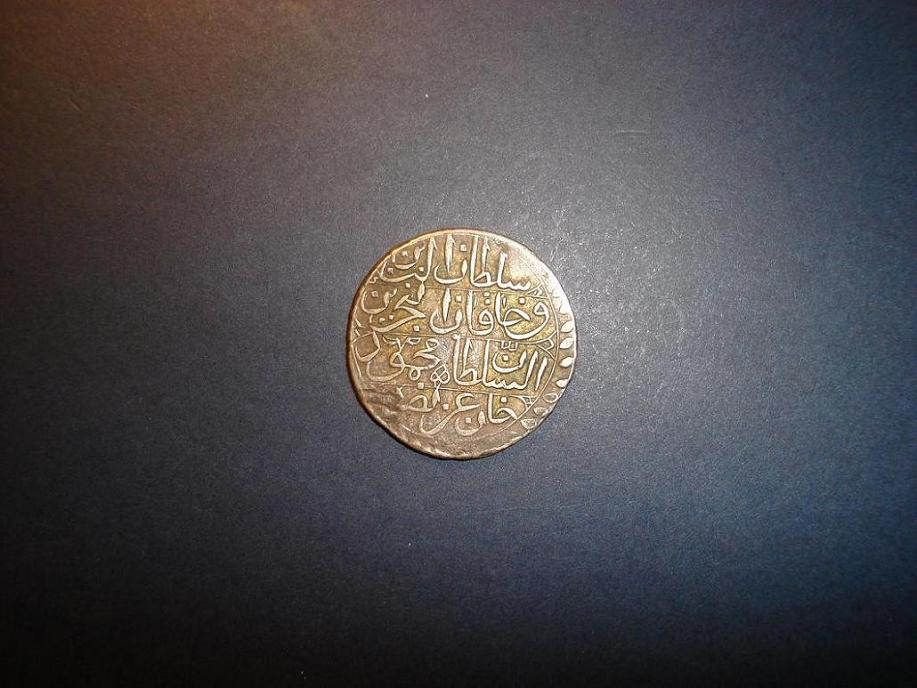
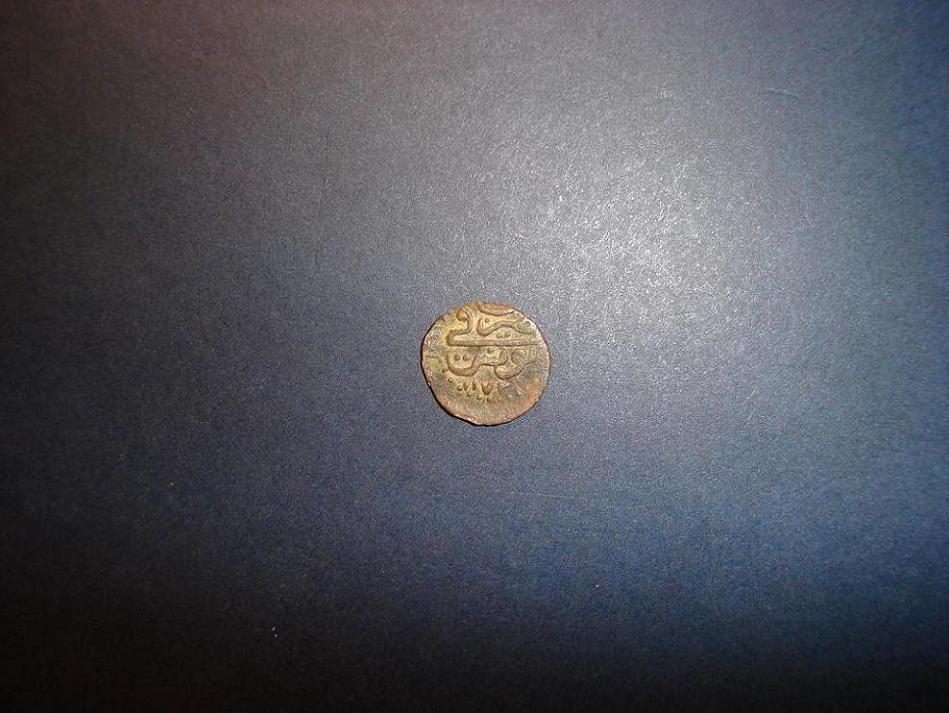
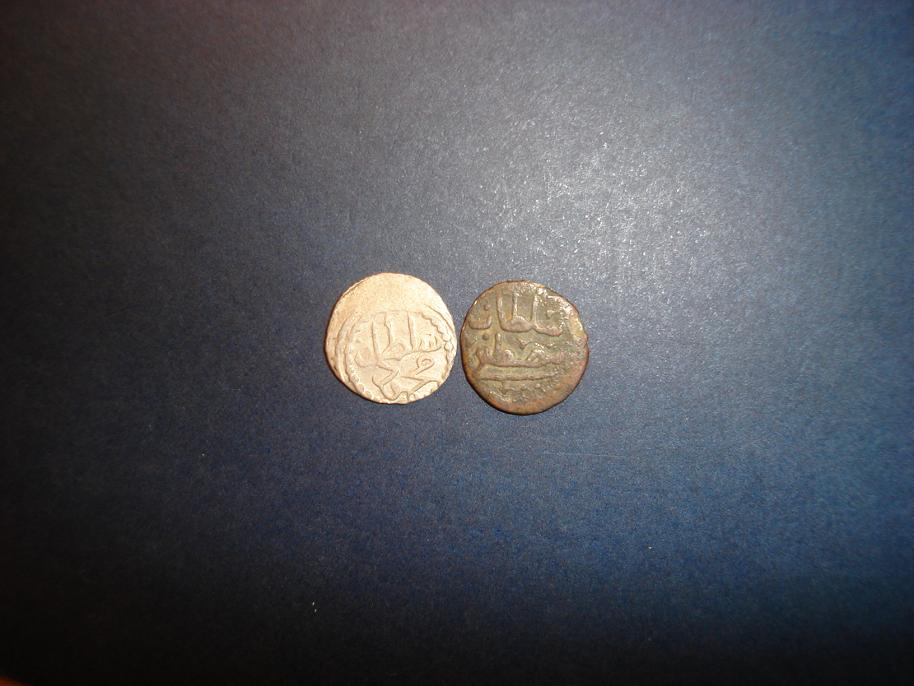
I certainly looks like Tunis mint, Year AH 1188 (= 1774 AD), Ottoman sultan Mustafa III. It'll be made of billon (base silver). All we need to know now is the denomination: half-piastre (should weigh about 7½ grams and be 28mm diameter) and full piastre (about 15 g, 35mm diam.) are recorded for this date and ruler. Halves are scarcer.
Tunis is another generally scarce Ottoman mint, and these particular coins are scarcer than normal - perhaps because Mustafa III actually died in AH 1187. It must have taken awhile for the word to reach distant Tunis.
A fairly scarce coin, but fairly well worn, too. In VG condition, the CV in Krause for the half piastre (KM# 59) is $80, for the piastre (KM# 57) it's $40. I have no idea what the hole will do to the price. Being holed was apparently a common fate for these coins; one-third of the pictures in the 1700's Krause for Tunis show holed coins.
Tunis is another generally scarce Ottoman mint, and these particular coins are scarcer than normal - perhaps because Mustafa III actually died in AH 1187. It must have taken awhile for the word to reach distant Tunis.
A fairly scarce coin, but fairly well worn, too. In VG condition, the CV in Krause for the half piastre (KM# 59) is $80, for the piastre (KM# 57) it's $40. I have no idea what the hole will do to the price. Being holed was apparently a common fate for these coins; one-third of the pictures in the 1700's Krause for Tunis show holed coins.
Don't say "infinitely" when you mean "very"; otherwise, you'll have no word left when you want to talk about something really infinite. - C. S. Lewis

 Tunis1.jpg
 Tunis2.jpg
 01.jpg
 02.jpg
 Tunis-S.jpg
 Tunis-SM.jpg


