[quote]understand what's so important here..(I'm still not sure)/quote]
I've probably made this more confusing then it had to be by introducing the other reverse associated with the same Obverse as the coin on page 324.
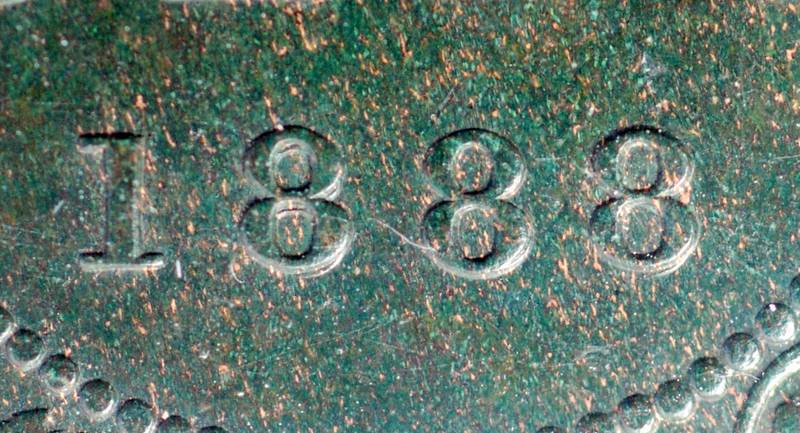
What I was originally trying to do was just show the markers for those that are trying to match the coins from the back of the 2011 Charlton.
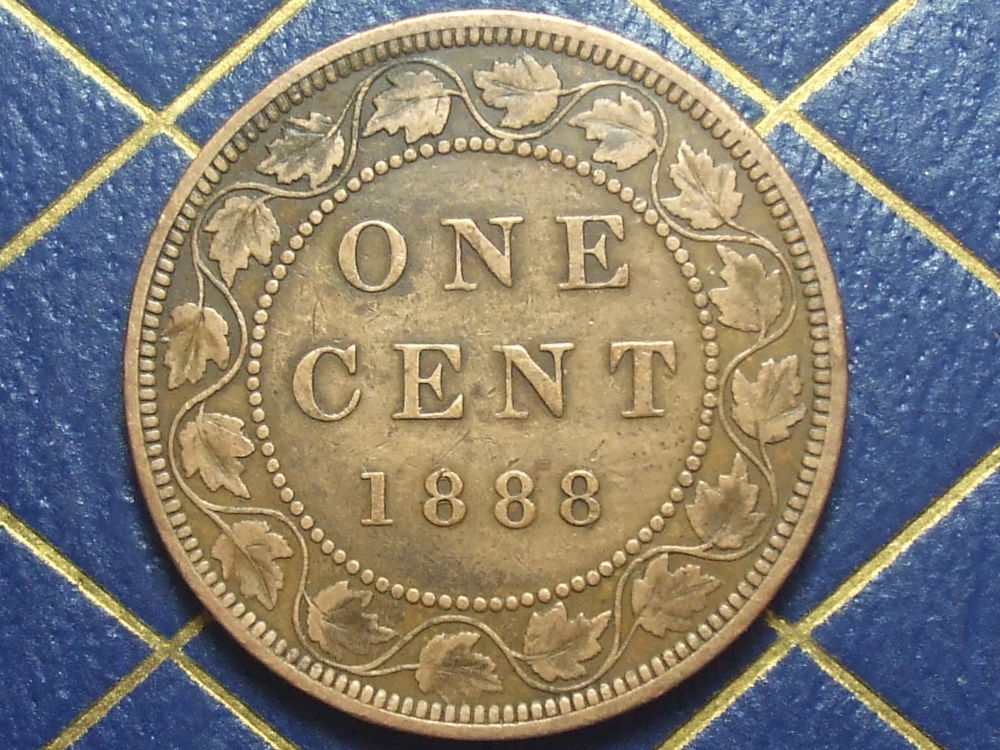
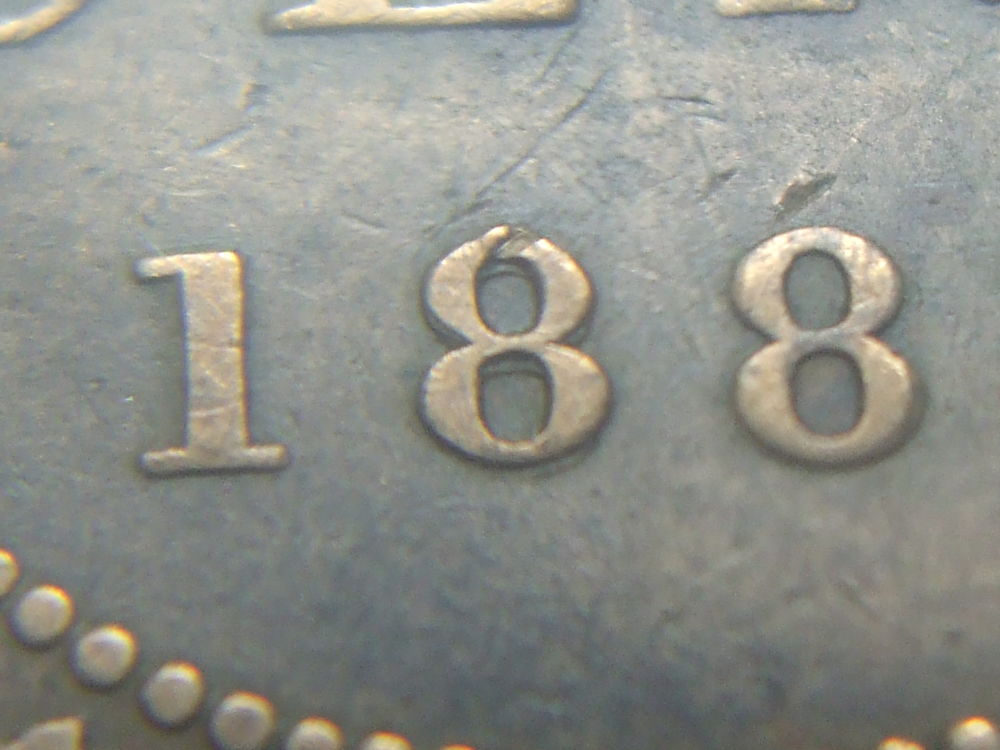
I don't think there's any real importance to the coin on page 324 other then it's the coin they chose for the book. There are many 1888's with all three eights re-punched and several are better then the coin featured.
The coin that fourmick has shown is a better example of re-punched eights.
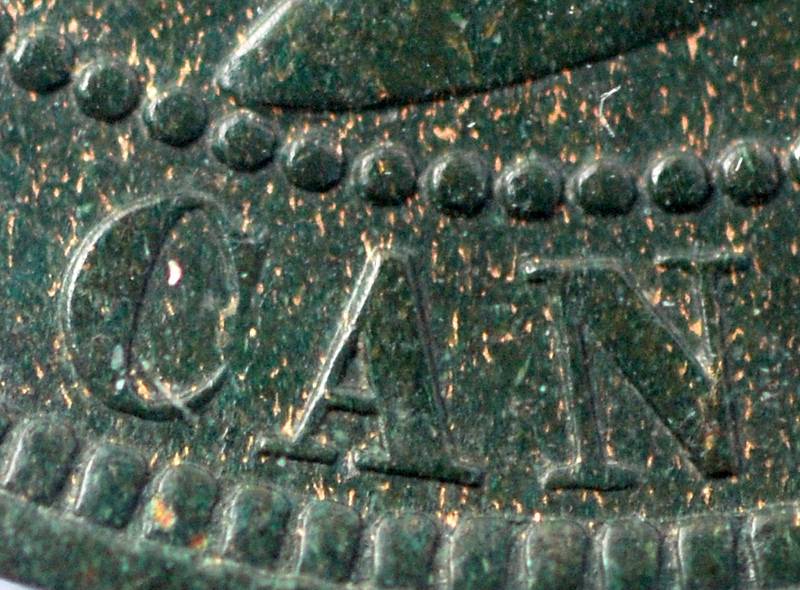
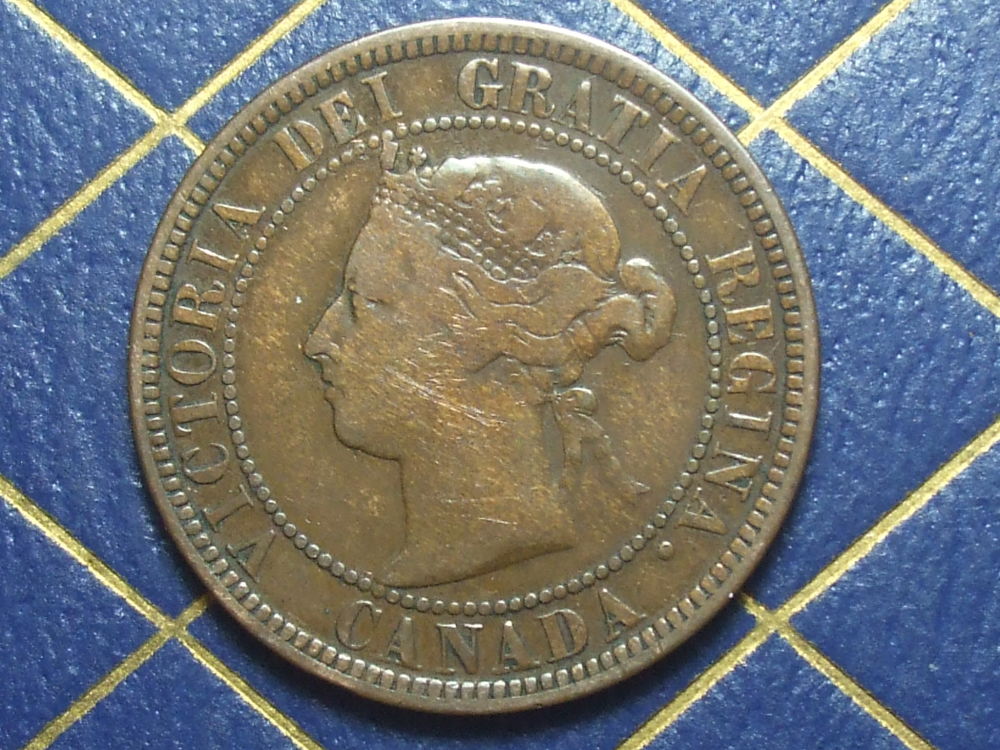
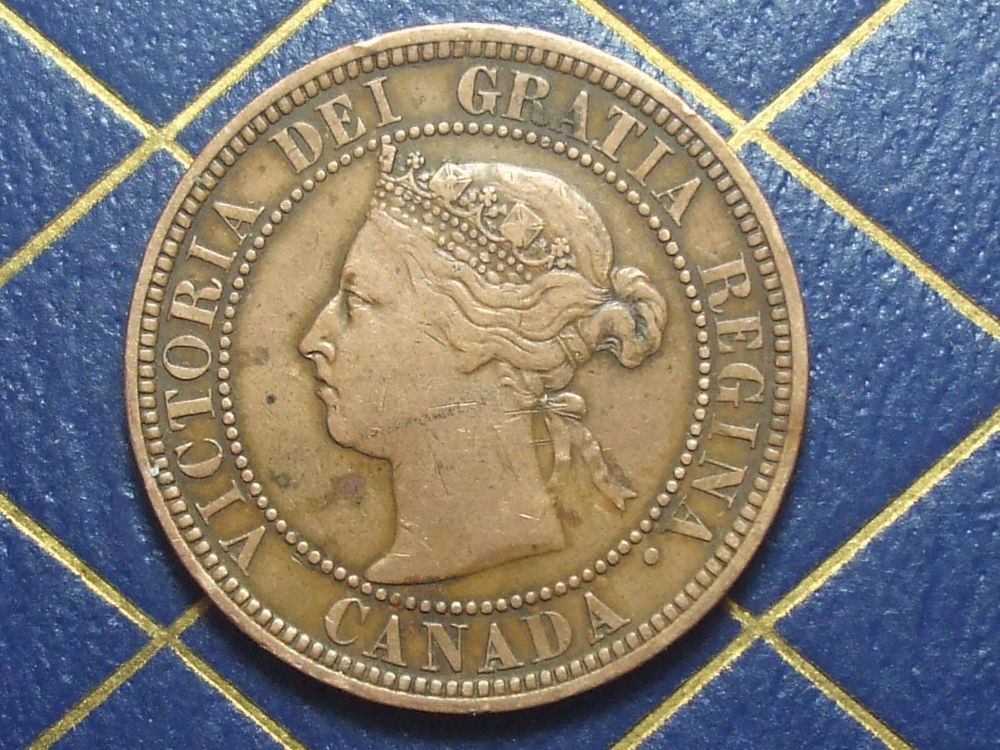
The coin that's in the book will have an obverse die crack at the "C" in Canada the die crack developed while the first reverse was still in use.
This would mean if there's no die crack at the "C" then it's not the same coin as in the book.
With the coins I've found matching page 324 they all have the die crack at leaf two on the reverse as shown in Charlton but I would assume you could find an early die state with no D/C on the reverse but it would still have the obverse die crack.
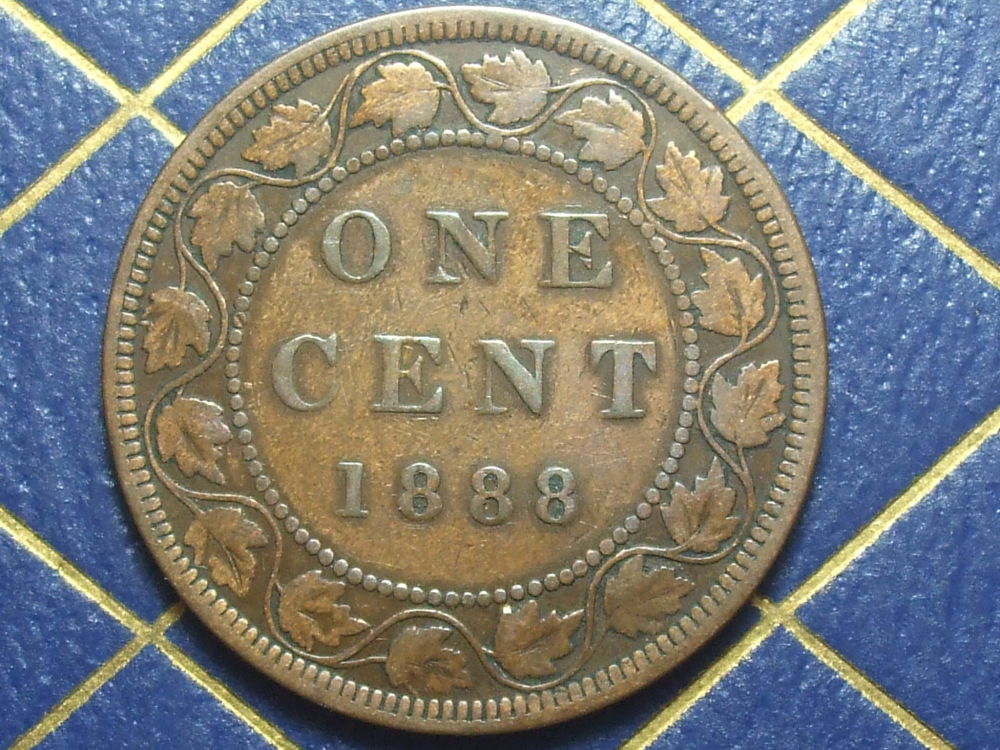
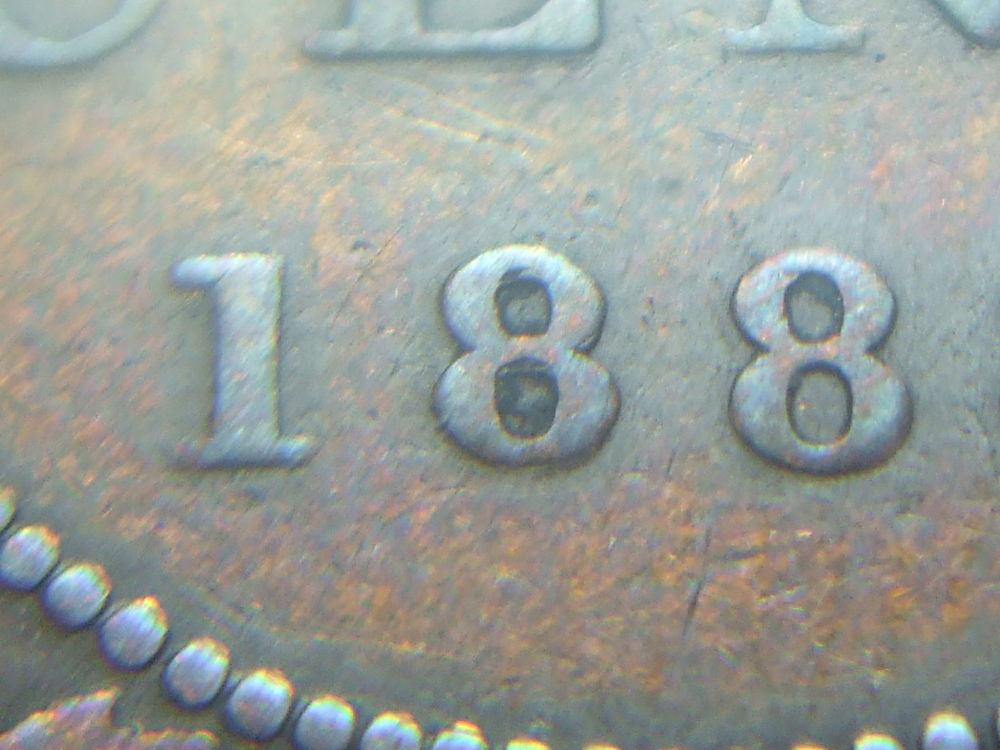
gidjit the two you have shown appear to be correct for the first obverse, the last eight not shown in your close-up pictures should have doubling from the bottom of the eight.
There may also look for a small die crack at leaf #7 near the top of the leaf I can't tell from these pictures if it's there.
Have a very close look at the "C" in Canada on the obverse, it could have the die crack also as it developed while the first reverse was still in use but it would be in it's early formation and may be faint.
Cheers, Bill








 First Page




 Posted 12/03/2015 9:52 pm