











 Posted 12/05/2015 10:15 pm


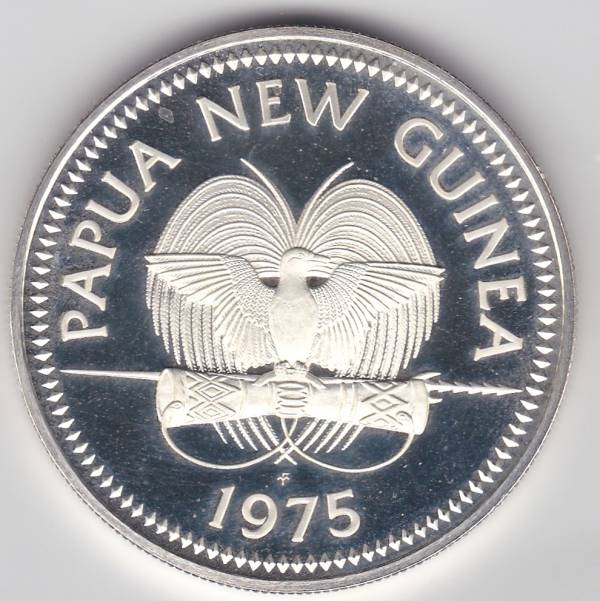
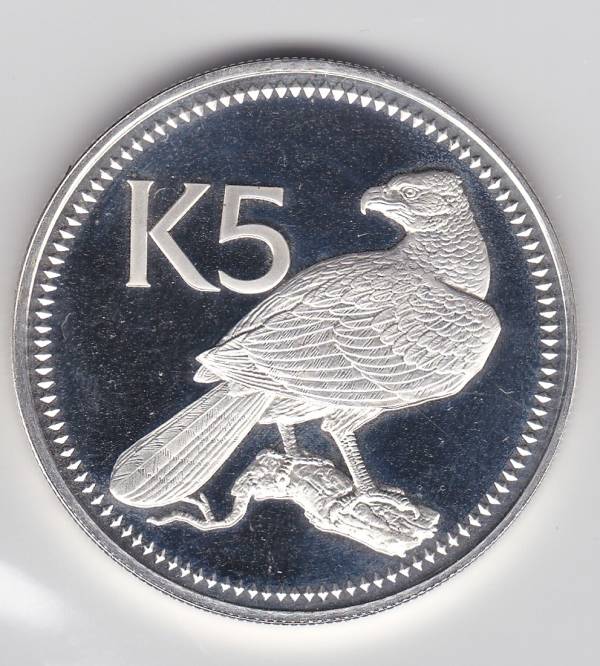
Yep. Learn the "F with a flattened M" monogram; you'll find it on most if not all Franklin Mint coins.
In the 1970s, the quality of Franklin Mint coins was actually quite good. The quality of their packaging, however, was atrocious. These coins were mass-marketed to investors and non-collectors who did not have personal experience in caring for coins, and many people ruined their coins by obeying the instructions on housing and displaying the coins which Franklin Mint included in the box. Especially the coins kept in warm, humid climates such as here in Brisbane; they're frequently very badly corroded from chemical reaction with acids in the plastics used in the packaging. The few high-grade survivors were bought by wise collectors who promptly threw away the Franklin Mint wrappers and kept the coins in 2x2s.
It means, of course, that prices for high grade FM material these days is actually pretty good, while corroded examples are worth melt or below.
In the 1970s, the quality of Franklin Mint coins was actually quite good. The quality of their packaging, however, was atrocious. These coins were mass-marketed to investors and non-collectors who did not have personal experience in caring for coins, and many people ruined their coins by obeying the instructions on housing and displaying the coins which Franklin Mint included in the box. Especially the coins kept in warm, humid climates such as here in Brisbane; they're frequently very badly corroded from chemical reaction with acids in the plastics used in the packaging. The few high-grade survivors were bought by wise collectors who promptly threw away the Franklin Mint wrappers and kept the coins in 2x2s.
It means, of course, that prices for high grade FM material these days is actually pretty good, while corroded examples are worth melt or below.
Don't say "infinitely" when you mean "very"; otherwise, you'll have no word left when you want to talk about something really infinite. - C. S. Lewis


