| Author |
 Replies: 10 / Views: 1,372 Replies: 10 / Views: 1,372 |
|
|
New Member
United States
35 Posts |
As I understand it Mechanical Doubling is caused by loose parts in the coining press. These loose parts allow the die to shift and/or bounce slightly causing a doubling distinctly different from a true doubled die. I have a problem with that, that I can't understand. How can a die shift and/or bounce slightly but only affect certain letters of the same word. The die pattern is fixed whether it is perfect or doubled. If it shifts or bounces because something is loose how can individual letters in one word still come out perfect while other letters in the same word appear to be doubled? I don't think the perfect letters are capable of adjusting themselves for looseness or bounce. Seems mechanically impossible to me. Some photos of a reverse I came across today. "United States oF A" was perfect, then trouble started. Same thing with the bottom. The "ON" of ONE was fine then trouble started. Appears to have almost cleared up by the time you hit T in "CENT" I just don't get how that is possible letter to letter in the same word if it is Mechanical Doubling. Maybe this isn't, I don't know. 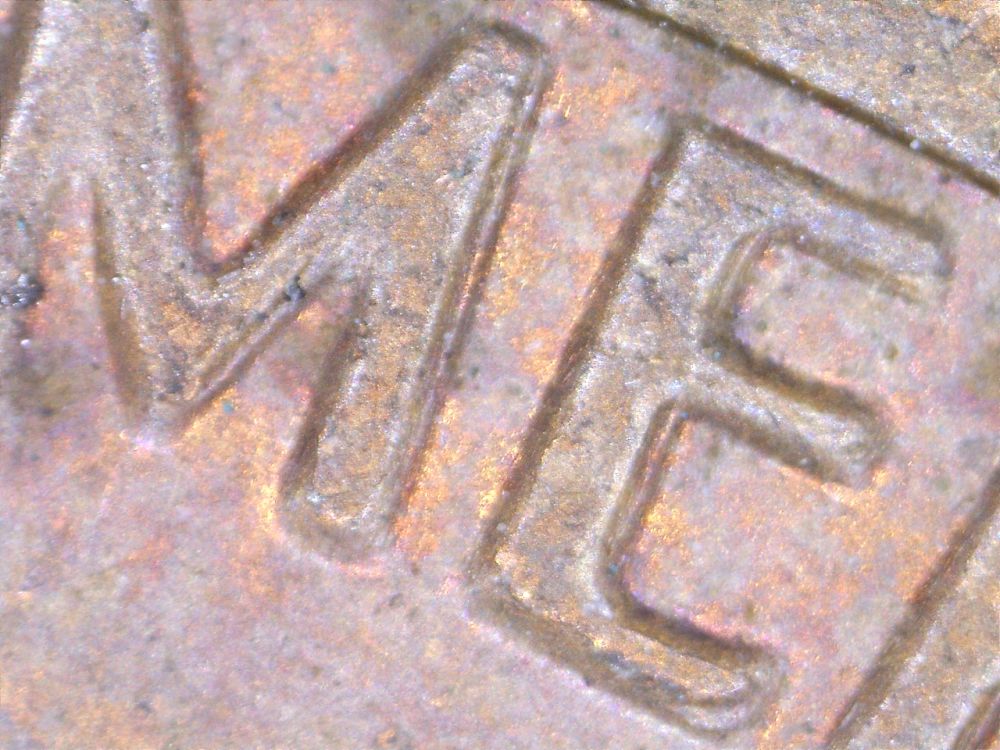 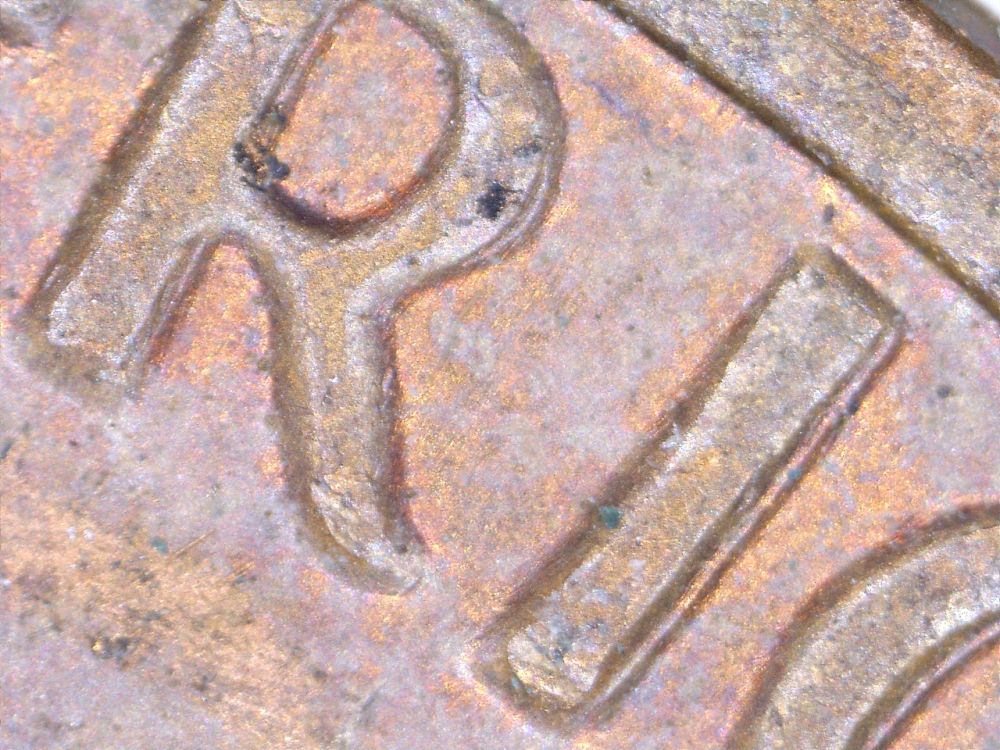 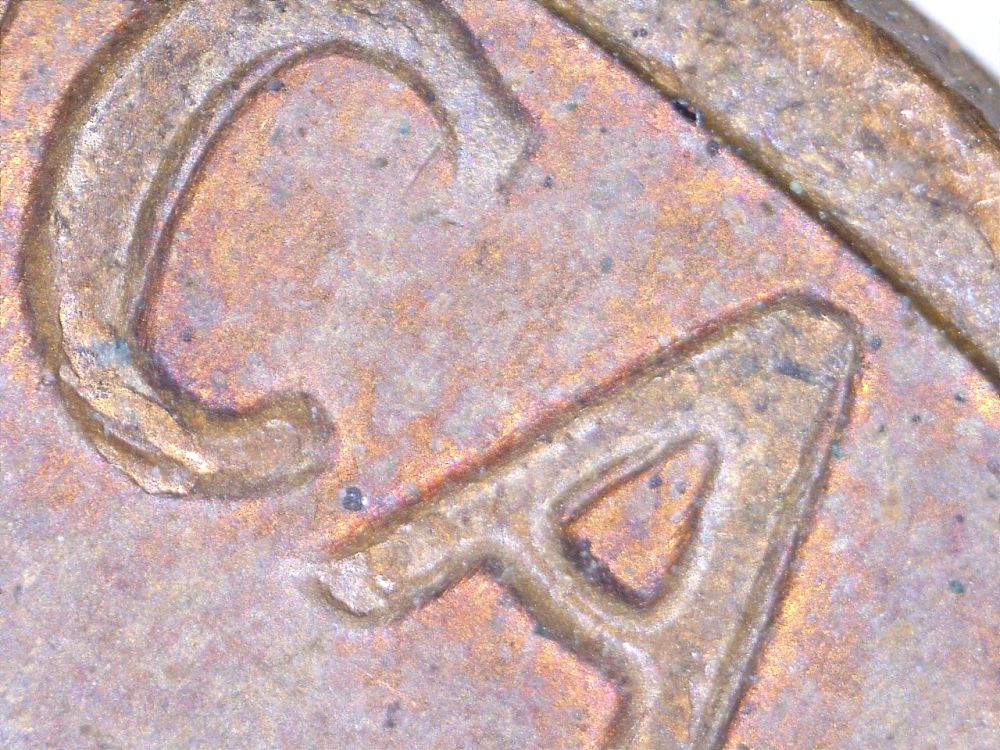 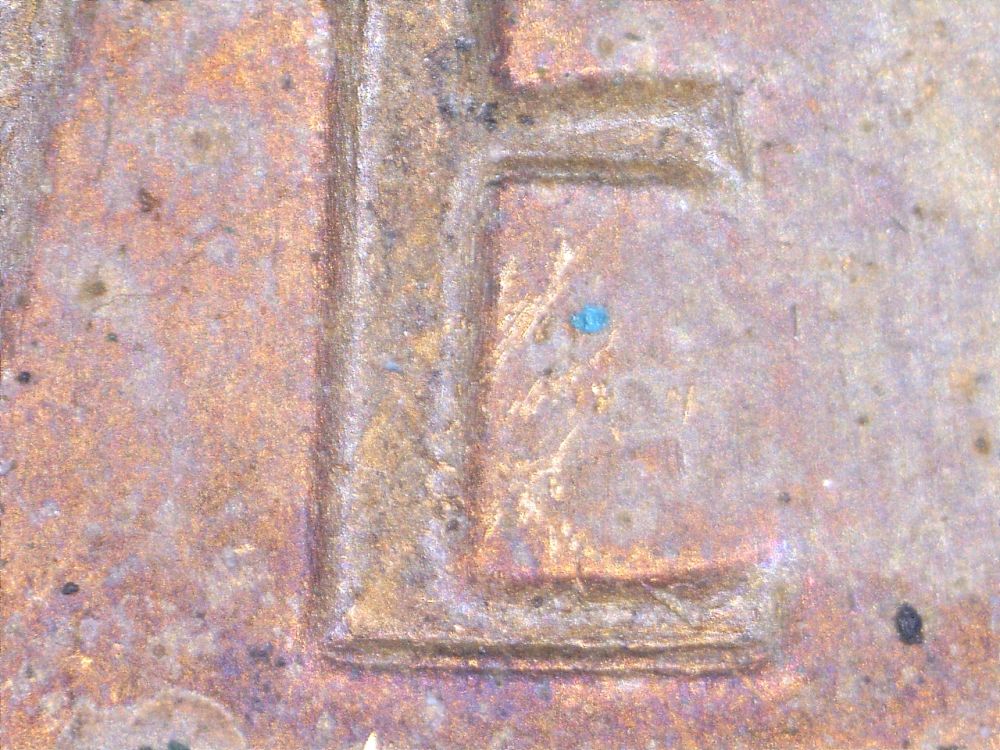 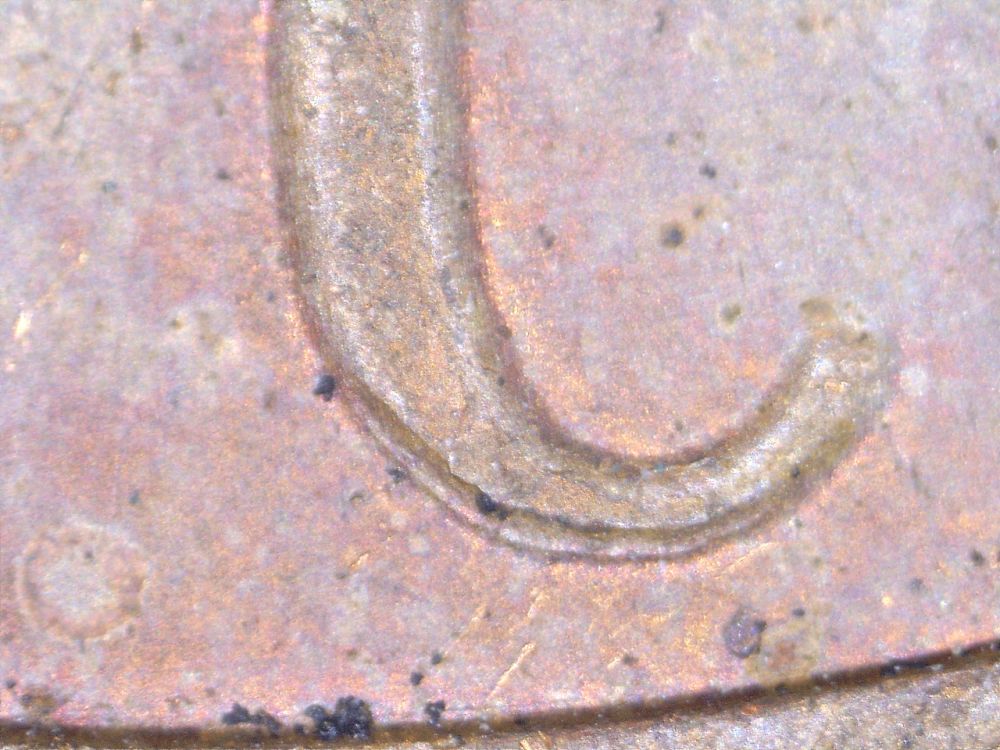 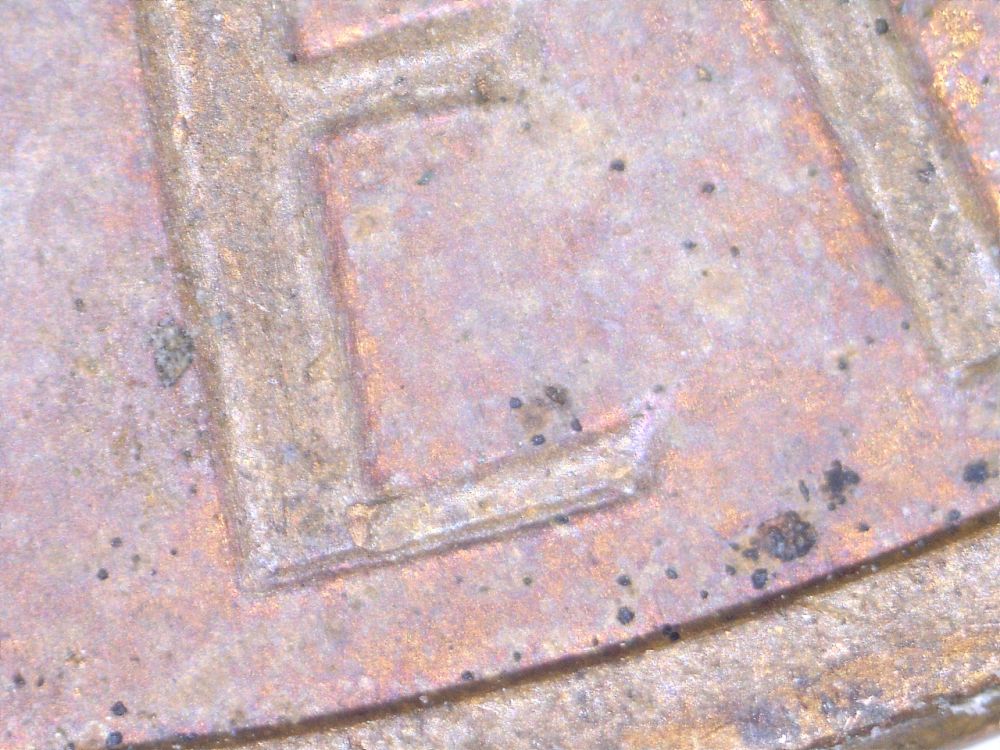 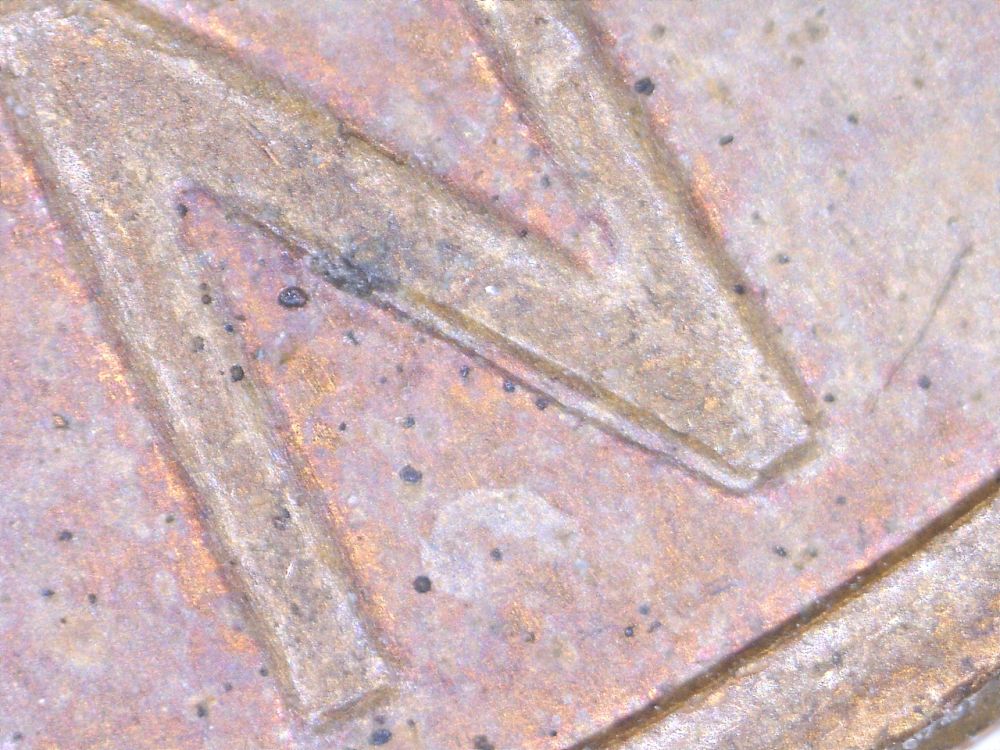 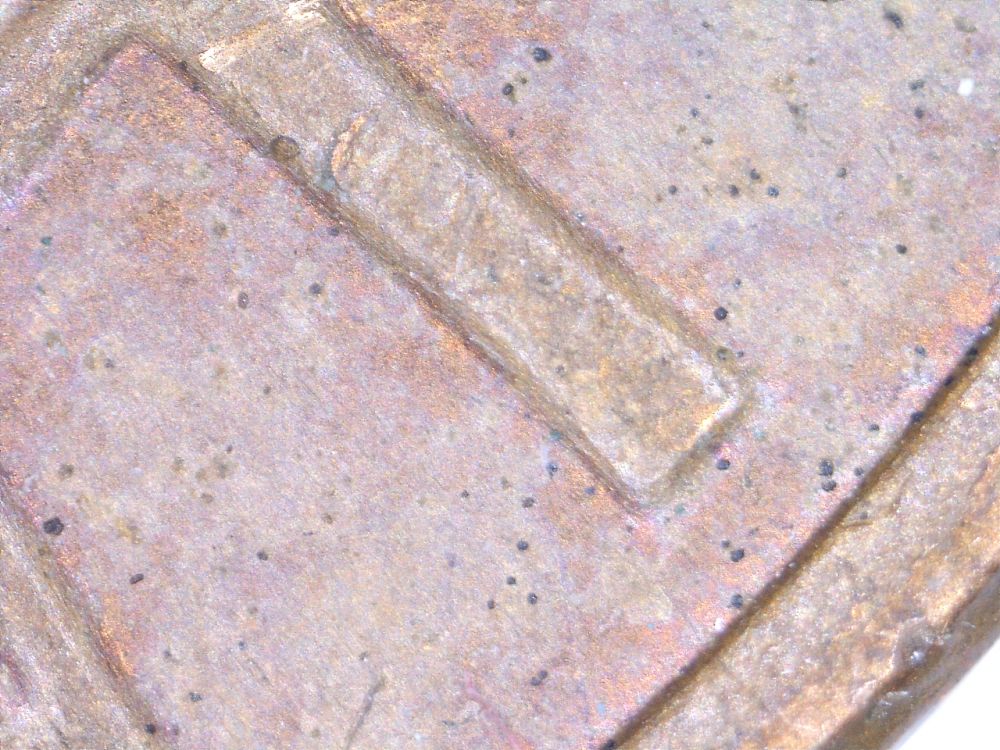 |
|
|
|
Pillar of the Community
United States
3360 Posts |
 to CCF. Thanks for asking your question! I want to hear a good answer to it also! |
|
Pillar of the Community
United States
3656 Posts |
Same here, all I seem to come up with is the MD - gets so frustrating.
Welcome to CCF you'll get a lot of great information and better yet education on coins, processes and it is a lot fun.
|
|
New Member
 United States
35 Posts |
Hey thanks guys. CC I just love this place as a newbie. What an awesome job somebody did putting this together.
|
|
Pillar of the Community
United States
2775 Posts |
Quote:
How can a die shift and/or bounce slightly but only affect certain letters of the same word. The die pattern is fixed whether it is perfect or doubled. I agree if not damaged or altered the pattern on the die is fixed, but the die(s) movement and strike force generated is not. Numerous variables come into play which I started to list, but then remembered I'm not a physics major and thought added more confusion than help. I'll just add a link below to a post that coop gave an example of MD on six 1955d cents a few months ago. Six different coins from the same (obverse) die run, showing different degrees of MD on the devices. Thought was interesting. Thanks, Doug. https://goccf.com/t/245603&SearchTerms=md,exampleEdited by Halo1st
01/15/2016 3:18 pm
|
|
New Member
United States
35 Posts |
That was interesting Doug thank you. What I thought of today was how I've watched a super slow motion video of something like a bullet entering a gel block and saying holy crap, look at how those shock waves run. Something we would never know existed without slowmo technology. I'm sure it is similar for a loose die. If we could see it in slowmo we would be saying "ohhh, now I get it". The rest of this is not at Doug, just thoughts. But I do have a disagreement with the coin community at large on these errors being worthless. I know because I am new I am on the edge of the circle of knowledge trying to get to the center but common sense tells me something is wrong with dismissing these errors. The first thing I began learning coming into this hobby was the grading system. As I learned about various mint errors I couldn't help but wonder why are there so few excepted as compared to the grading scale. If a true doubled die is MS70 for arguments sake I don't understand why a Machine Doubling isn't a MS60. I look at it this way. If a mint is 3,000,000 coins into a run and something loosens up causing errors for 3,000 coins before they stop the presses and fix it, why are those 3,000 coins worthless, because they are machine doubled, versus doubled die? It doesn't make sense to me how these are handled looking in from the outside. |
|
Bedrock of the Community
United States
12437 Posts |
It is generally accepted that Machine Doubling is not an error at all and some will even refer to it as machine doubling damage to reflect its true nature. However, I am confused why you are bringing grading into the discussion  A coin's grade and error status are independent of each other. |
|
New Member
United States
35 Posts |
I guess it is my ignorant perspective biokemist6, ignorant in a good way I mean. As in fresh. What I am trying to convey is how does it make sense to have so many grades that reflect circulation or no circulation but we take an ax to the head when it comes to die errors. That term " Machine Doubling damage", as far as I am concerned, is a brother of a "doubled die" error. Totally different causes, I get that. But they are both a part of the same machine. A big part of me wants to know who made that call to only except errors on the very final piece of the whole machine. Was it an individual, a club? Was there politics involved, maybe money to be made or lost? I want to go to the source and understand the motive on why it ended up this way. |
|
Pillar of the Community
United States
1915 Posts |
Doubled dies are on the working die before it ever strikes a single coin. It happens when the hubbing of the working die is slightly off causing the doubling effect. Machine doublng is also referred to as "ejection doubling", because it happens during the ejection process from the die. True doubled dies will have the same doubling on every coin it strikes until it is polished away or the die is changed. Machine Doubling can happen at anytime during the minting stage and will not be the same from the first coins to the last of a particular die. Much like chips and cracks, which only seem to get bigger the longer they are ignored. The word "variety" is actually wrong to use by itself. The actual term is "die variety" because the anomoly exists on all the coins made with that particular die. Cracks, chips, and Machine Doubling are just natural occurances throughout the life of a working die. Edited by seal006
01/15/2016 8:29 pm
|
|
New Member
United States
35 Posts |
Thank you seal. I came back this morning to post that I found a lot of what I was looking for. One of the coin books I got last week but hadn't had a chance to check out yet actually has what I was looking for! There is a section that lists all the things that can go wrong and how they may or may not affect the value and to what degree. Sorry for any inconvenience fellas but your info was helpful and much appreciated.
|
|
Pillar of the Community
United States
2752 Posts |
Error coin writer and researcher.
|
| |
Replies: 10 / Views: 1,372 |
|










 Posted 01/14/2016 5:00 pm


