American Numismatic Society - As Powerball mania sweeps the nation, I thought it would be interesting to explore the longer history of lotteries in America with a look back to the eighteenth century. For a run-down of the particulars about how they operated, Ainsworth Rand Spofford, who served as the official Librarian of the United States, wrote a useful introduction to the subject you can read here. By way of a short summary, the practice of holding lotteries to raise money for local governments and private entities was brought by English colonists to North America in the seventeenth century. The Third Virginia Charter of 1612 granted the Virginia Company of London a license to conduct yearly lotteries to raise funds for supplies for early colonists. Spofford goes on to note that the award for what seems to have been the first proper lottery to take place in colonial America in 1720 was rather unusually for a brick house in Philadelphia rather than a cash prize.
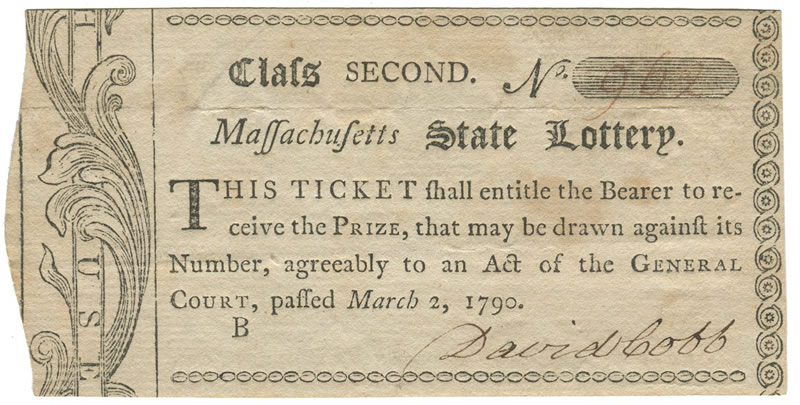
As an essentially speculative venture, lotteries bred a certain amount of attendant trouble as they were easy to manipulate and in some cases the holders simply neglected to have a drawing and made off with the money altogether. Abuses such as this led to a swath of legislation, but both private and public lotteries proliferated. The more reputable ventures were authorized by local governments and fronted by prominent citizens, frequently with the aim of funding some worthwhile public project. As Spofford notes, it was looked upon as a kind of "voluntary tax" for public works, with the added benefit for subscribers of potentially getting a windfall.
Read the Entire Article 









 Posted 01/22/2016 11:24 am


