| Author |
 Replies: 18 / Views: 3,675 Replies: 18 / Views: 3,675 |
|
Valued Member
United States
129 Posts |
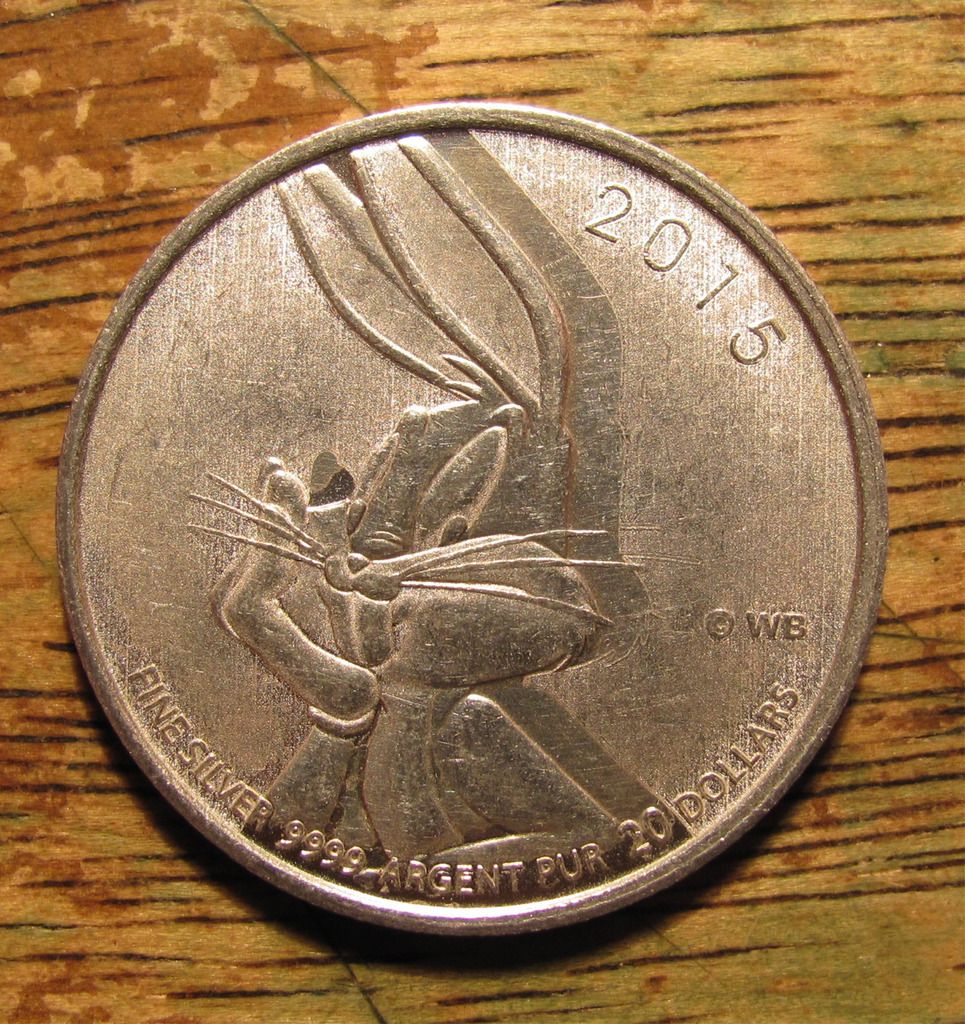
With the price of silver over $10 for years now and gold in the $1000's Why isn't the 1 ounce silver eagle a $10 coin and the gold 1oz at least a $500 coin?
|
|
|
|
Valued Member
Panama
137 Posts |
Why does the face value matters to you? are you ever going to spend any of those coins?
|
|
Moderator
 United States
195347 Posts |
These are bullion coins, so the face value is intentionally low to discourage spending. As far as I know, the only reason why they have a face value is so that they appeal to coin collectors.
Also, the one ounce American Gold Eagle coin is fifty dollars face, not twenty. The Double Eagle gold coin from the pre-1933 era is twenty dollars.
|
|
Rest in Peace
United States
17900 Posts |
Face value assigned to almost all bullion issues from numerous countries have little if any connection to the metal content value.
The only reason they have any face value is so that collectors, as well as metal investors, will have an interest in purchasing them.
And has been stated, unless you plan on spending them or receiving them in payment to avoid the $10,000 federal report limitation, why is it important?
|
|
Valued Member
 United States
129 Posts |
Just curious....I see some other countries have their coins set at higher values sometimes and wondered why the US coins were set so low. Just because a coin is set at a higher face value doesn't mean it should be spent. You guys wouldnt want to see other denominations of face values? |
|
CCF Master Historian of Commemorative Coins
United States
12537 Posts |
The simple answer: the denominations and weight for each US bullion coin were specified in the legislation approved by Congress and signed into law by the president.
The long (hopefully better) answer:
The legislation passed by Congress for the silver and gold American Eagle bullion programs was meant to give individuals a convenient way to own and invest in precious metals as long as it was done at no cost to the US Government. In fact, a profit from the sale of the coins was expected with the surplus proceeds going to help reduce the national debt.
To help ensure this "no cost" provision, the law authorizing the coins specifies that the Secretary of the Treasury shall sell the coins "to the public at a price equal to the market value of the bullion at the time of sale, plus the cost of minting, marketing, and distributing such coins (including labor, materials, dies, use of machinery, and promotional and overhead expenses). Note that the price formula does not include the addition of a coin's face value/denomination.
So, without the face value of each coin added to its selling price, Congress had to ensure that the denomination of each coin would never be higher than its intrinsic value (i.e., the value of the silver or gold it contained).
Why is this important?
Let's say the denomination for the one-ounce gold coin was to be set at $500 instead of $50. If the spot price of gold fell to $440 per ounce (like it was in late 2004 through mid-2005!) and the cost of production, marketing, distribution, etc. totaled $10 per coin, the Treasury, by law, would have to sell the one-ounce gold coins for $450. At a face value of $500, the Treasury would be forced into the business of selling $500 coins at a 10% discount - not a good business model for the US Government!
While gold at $440 an ounce is unlikely any time soon, it is within recent memory. The chances, however, for gold at $40 an ounce are infinitesimally low. So, by setting the denomination for the one-ounce gold coin at $50, Congress essentially ensured that the intrinsic value of the coin would never fall below its face value and trigger "discount" pricing. The same model is used for the silver American Eagle and the gold fractional bullion coins.
Hope that makes sense!
Collecting history one coin or medal at a time! (c) commems. All rights reserved.
|
|
Moderator
United States
195347 Posts |
I knew you would come along with the details. Thank you!  |
|
Valued Member
United States
129 Posts |
great info commems.....thanks for the info......but would you guys personally like to see other denominations or it doesn't matter to you? Just like paper money different denominations especially higher more rare denominations demand higher premiums. Just wondering peoples views?
|
|
Pillar of the Community
United States
2130 Posts |
I still learn something new everyday on this site...Thanks for that interesting info commems.
|
|
Pillar of the Community
United States
500 Posts |
Enjoyed the post commens! The gold bullion / proof coins range from 5 dollars for the 10th oz up to fifty dollars for the one ounce so they are "different" denominations. and  titan! |
|
Valued Member
United States
129 Posts |
Hey coinfusion Thanks......What about wanting to see a $100 $500 or $1000 coin? I personally think it would be cool!
|
|
Pillar of the Community
United States
500 Posts |
The mint did produce a new 1 ounce coin last year in a $100 fv. As for the $500 and $1000 I'm not sure us "normal" collectors could ever afford to but them. They would have to contain way too much gold for my budget but yes, it would be cool. Like the old $5000 and $10,000 bank notes of the past. Mine is in my deposit box at the bank but here is a stock photo: 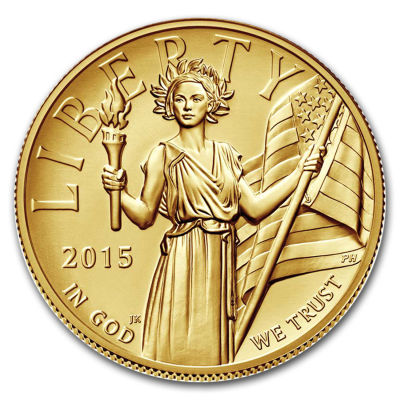 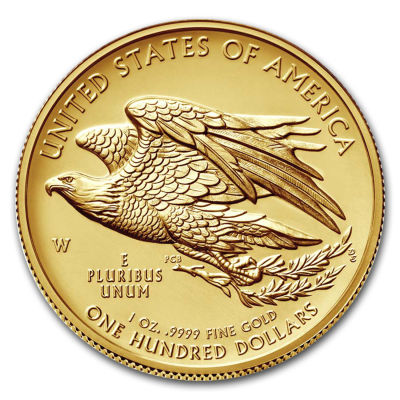 Edited by Coinfusion
01/29/2016 05:51 am
|
|
Moderator
United States
195347 Posts |
A higher denomination coin would need to be large enough to keep its metal value above the face value. That being said, it would be interesting if they created a five ounce gold coin with a $500 or even $1000 face value on it. Not that I would ever be able to own one.  |
|
Bedrock of the Community
United States
10982 Posts |
Also, applying a face value to bullion makes them actual coins and subject to anti-counterfeiting laws and potential enforcement by the U.S. Gov't if copied.
|
|
Pillar of the Community
United States
7390 Posts |
#BringBackTheUnion!
Actually, no. Don't bring back the union lol
|
|
Pillar of the Community
United States
5227 Posts |
|
| |
Replies: 18 / Views: 3,675 |










 Posted 01/28/2016 5:17 pm