Thanks much for the insights on this one
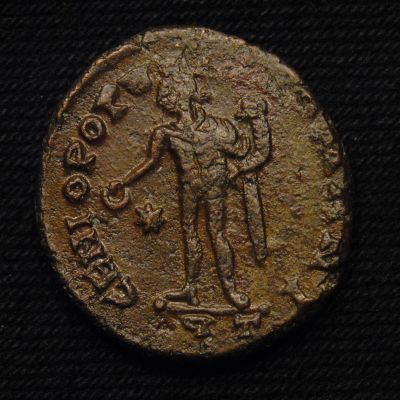
Looking at the mint marking now I am not sure it is not a 'blundered' S.
My first impression was a reversed (blundered) P
Then it began to look like a Q which really would make it a novelty.
When this one came up for auction last month I was determined to snag it and bid considerably more than what I ended up paying.
But it seems to validate the strange Diocletian I bought from the same seller. That coin I also had some difficulty with. I started out thinking it must be fake but slowly came around to believe it to be genuine.
30mm and the alloy appears to be copper/bronze not billon.
The coin has been harshly cleaned (sellers reply was that it was in a very different encrusted state when found and that it had been cleaned by another person who claimed to be an expert)
The 'dirt' was originally brown but since the coin looked like it had been cleaned with steel wool I decided to use a darkening agent to tone down the copper. Within minutes the brown oxidation turned jet black. The only reason for that to occur must be the presence of silver.
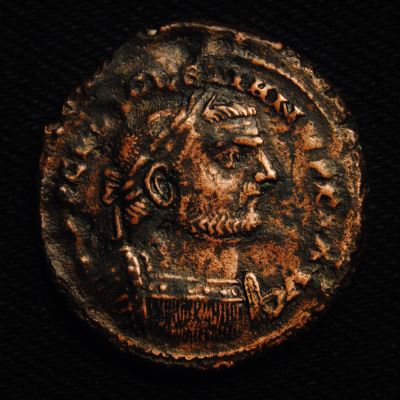
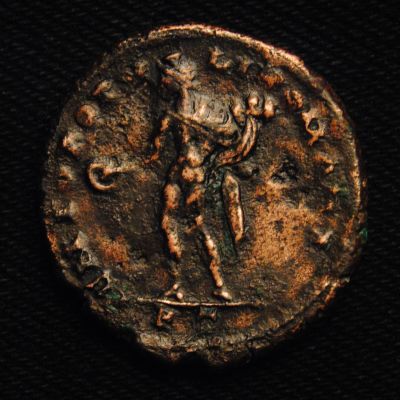
The best explanation (my brother) is that it is overstruck on a 1st century AE As which seems improbable but not impossible !
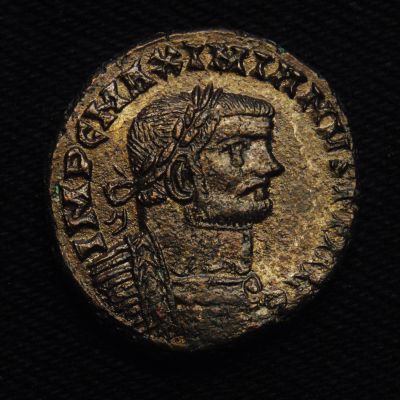
This Maximianus has an odd look about it too. The alloy appears to be billon but seems 'rich' i.e. high silver content. Higher than the 5% which would be typical. Perhaps this is also struck over an earlier coin. It has a definite lumpiness about it that reminds me of an Alexandrian Tet.
Whatever they are I believe they validate each other.
99% of the coins in this hoard were typical (quite beautiful too) and the seller swears these came from the same find.
It has the ring of truth to it











 Posted 02/09/2016 8:11 pm


