










 Posted 02/13/2016 4:46 pm


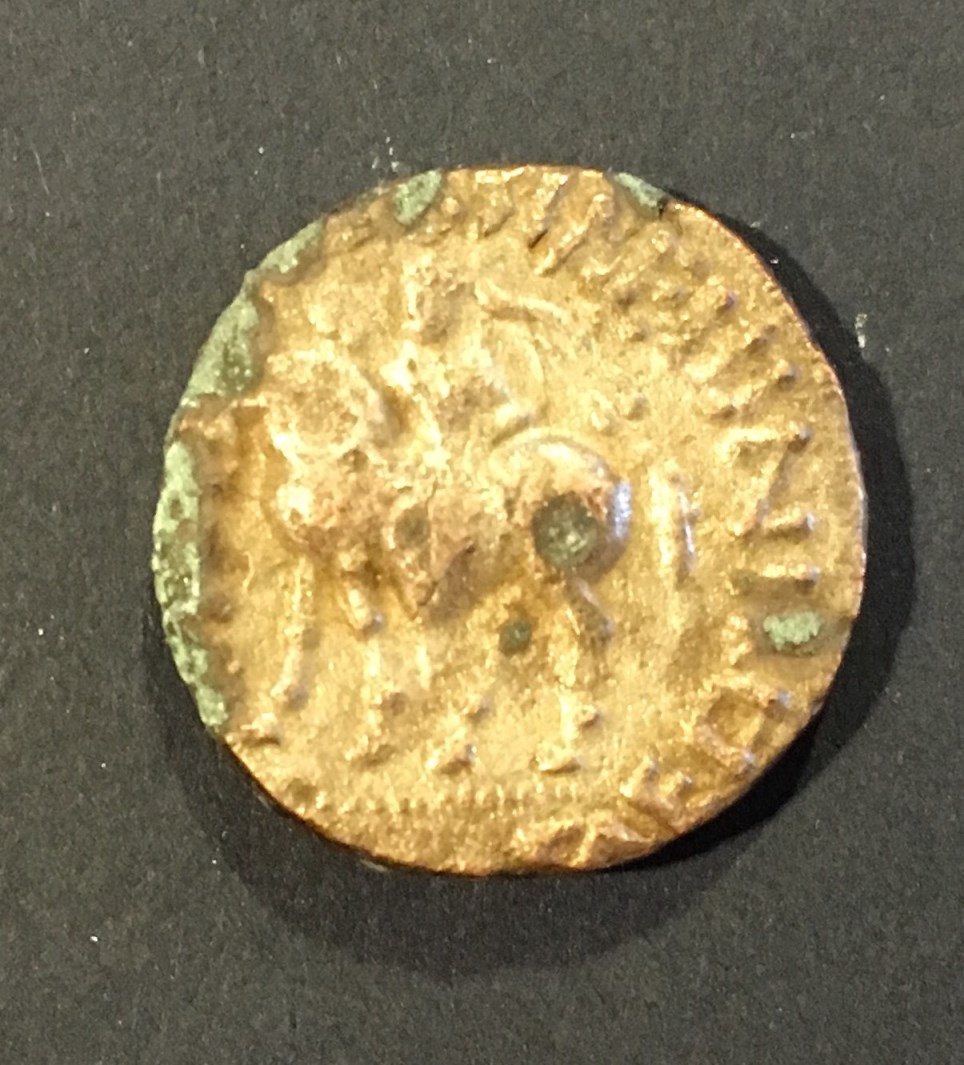
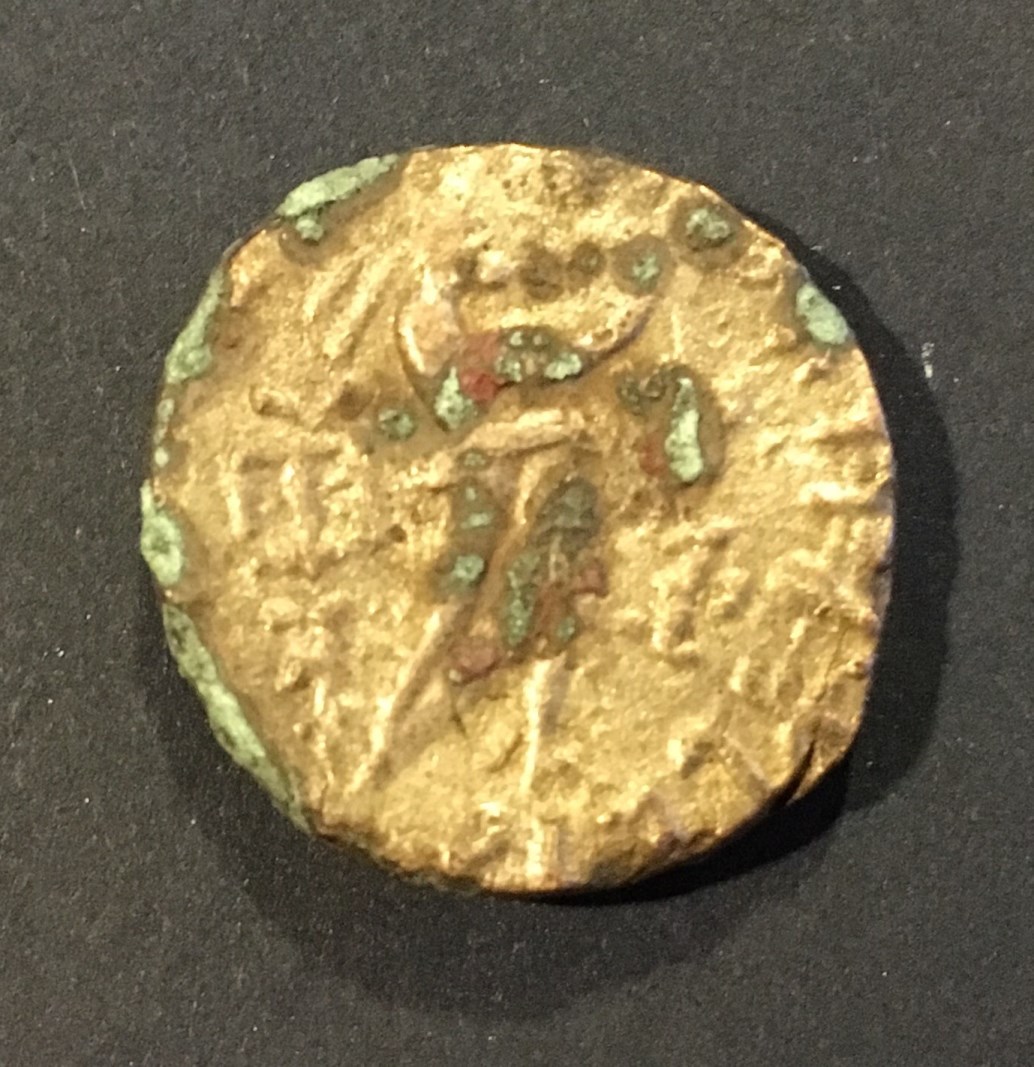
There will always be a risk, no matter what cleaning and preservation methods are used. These are the problems that are faced by museum professionals, who set themselves to the task or cleaning and preserving ancient coins recovered from ground burial.
I would suggest that you do an extensive Google search into those methods. The next problem is to use some judgement and decide which approach would be the best for this particular coin.
Some of the risks involve silver crystallisation and internal degradation which can very considerably weaken the coin.
Modern methods of cleaning such as long term soaking in olive oil can lrad to considerably darkening the coin, and perhaps that is a result you do not want. High pressure water cleaning can be considered but the risk of that, is the coin is already so weakened that you risk the complete loss of the coin, because it could break up.
VerdiCare has also been mentioned in other threads, but that has more application to the treatment of modern machine made coins.
I would suggest that you do an extensive Google search into those methods. The next problem is to use some judgement and decide which approach would be the best for this particular coin.
Some of the risks involve silver crystallisation and internal degradation which can very considerably weaken the coin.
Modern methods of cleaning such as long term soaking in olive oil can lrad to considerably darkening the coin, and perhaps that is a result you do not want. High pressure water cleaning can be considered but the risk of that, is the coin is already so weakened that you risk the complete loss of the coin, because it could break up.
VerdiCare has also been mentioned in other threads, but that has more application to the treatment of modern machine made coins.


