I am a bit more conservative in grading in many cases and I openly disagree with NGC and grade-flation based only on post strike wear.
Mexican 8Rs are quite unlike
US coins as far as grade and its relation to value. The 8R in 1860 was far more crudely struck than US dollar coins of the same period and of course they were struck in large numbers by the large mints.
Collectors who understand this know that other factors must be considered for 8Rs. Population and average grade available are critical. Eye appeal tends to be more important than technical grade except to novice collectors. Also post strike damage in the form of generic chops - pin pricks, small cuts and edge damage caused by ringing on stones are more detrimental because they typically mar Mexican coins reducing the population of more desirable grades. A truly valuable (easy to re-sell) copy of any date will not have distracting damage and will show some luster.
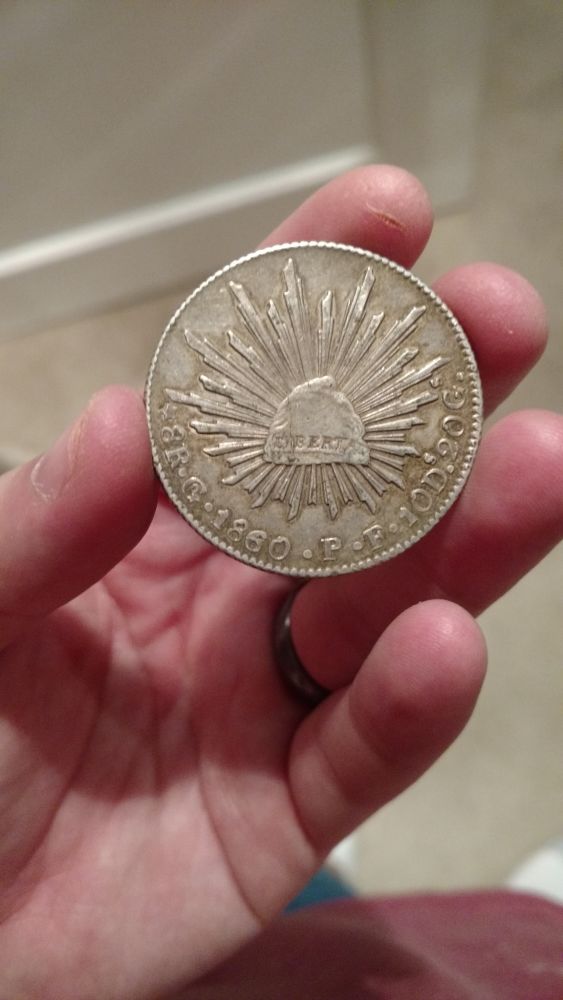
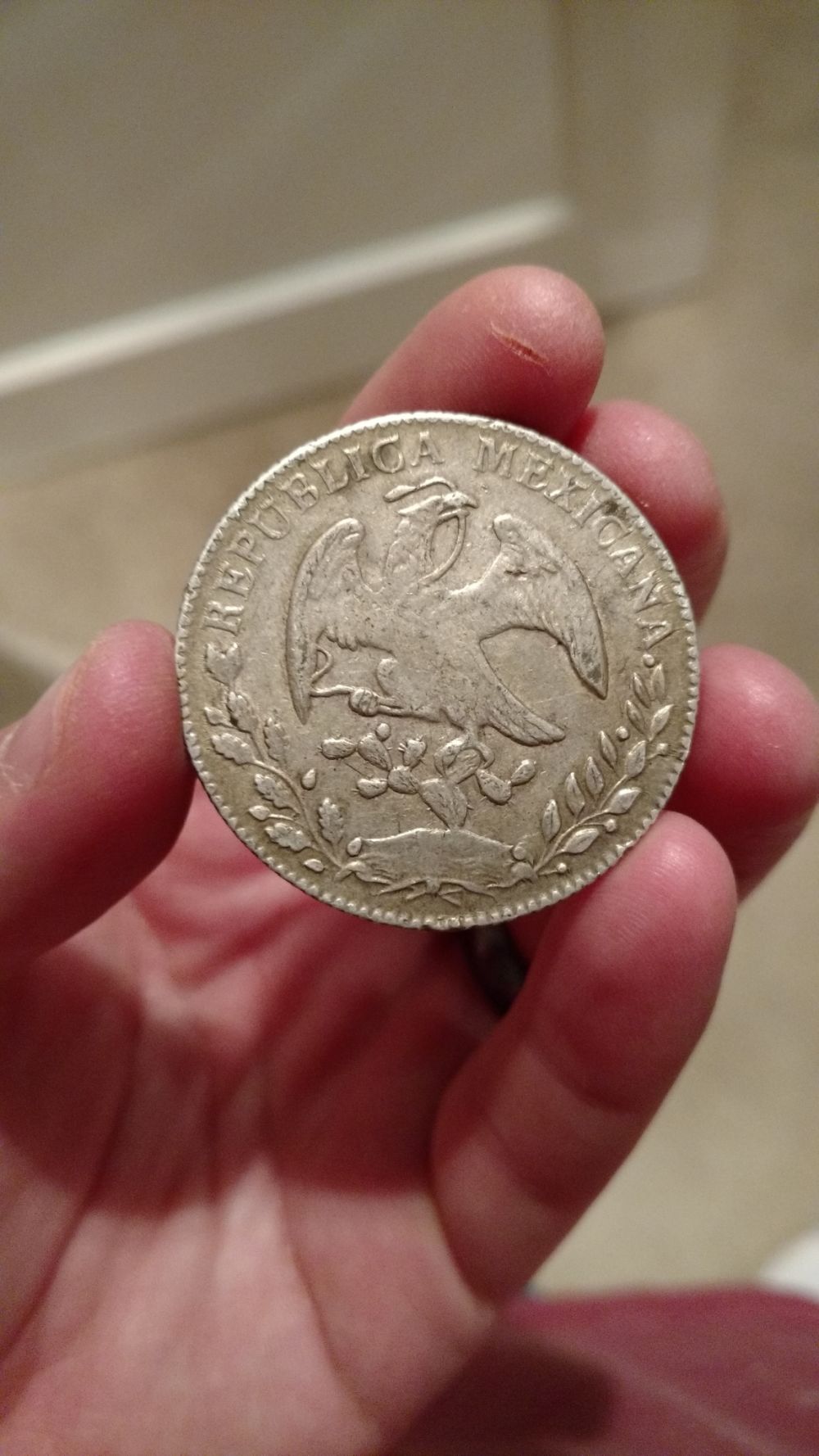
In this case I see VF as high. The 1860 Guanajuato according to Dunigan had a problem with weakly struck eagles but even so the date is common and available in all grades including uncirculated. The eagle design has a reduced profile by 1860, which was introduced to make striking easier unlike the earlier Zacatecas and other issues where the center of the breast was usually unstruck.
So looking at the coin as a whole I see several rim bumps and generic chops that will reduce re-sale value. Since you are located in the US you will find that unless you are in the southwest that common 8Rs (even early dates) usually sell for melt plus a few dollars. I know in the Raleigh, NC area they often end up in junk silver boxes.
I do think that $20 would be a reasonable price to buy the coin, so you got it cheap. Selling it to a dealer will generate about melt at best. Here they sell at 90% of spot in these grades.
If you like it great - don't expect to flip it immediately to double your money.









 Posted 02/16/2016 10:44 am





