I have a couple of glass coins in my collection. They are examples from Thailand and originally used as gaming tokens in the gambling houses. Because of the lack of small change available in the communities, the gambling tokens were used as small change. These glass coins are rather crude around the edges and have a number of bubbles visible with the naked eye in the material. The ones I own are blue, but I have seen various shades from blue, green, brown, orange, yellow, red and almost black. All examples I have seen of the Thai glass gaming tokens are stamped with some sort of character or lettering on both sides.
The second item sometimes sold as a glass coin are glass coin weights from the Islamic Medieval areas. They look like coins and often have a coin denomination on them so the user would know which weight to use when examining the coins. There is often fancy calligraphy on these weights, which I cannot read, but have the understanding that they have names or local rulers or cities impressed on them. While the calligraphy style may be more detailed than the kanji on the Thai gaming tokens, the edges are usually more crude. I do not know the exact method of manufacture, but my notion is that a lump of hot glass of the correct weight was poured on a flat surface (or a surface with an impression) and then a die was pressed into it. This leaves irregular bulging around the edges. Sometimes these bulges are filed but I think it was more for weight than it was aesthetics.
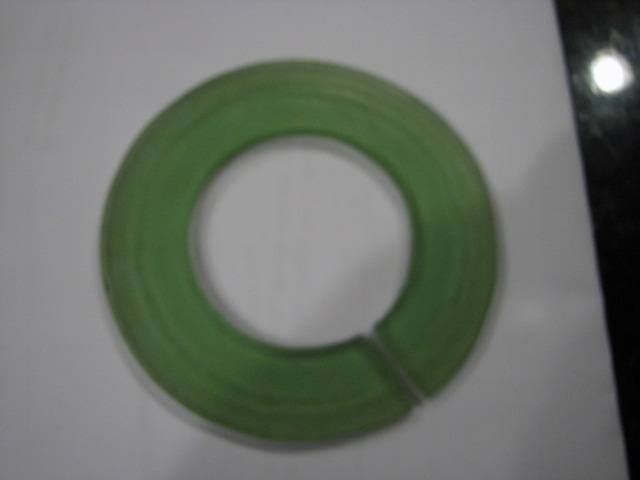
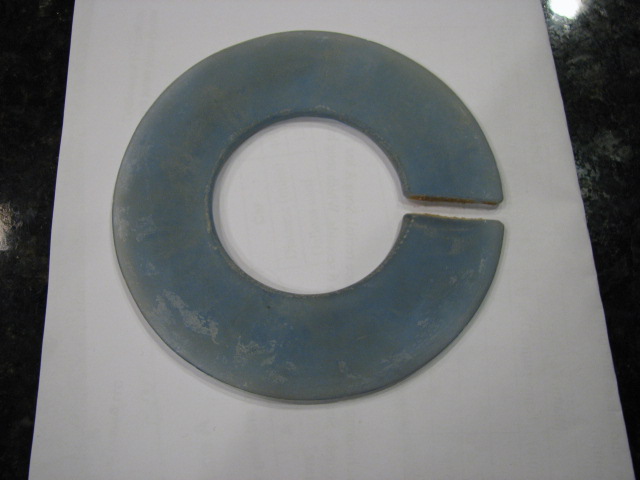
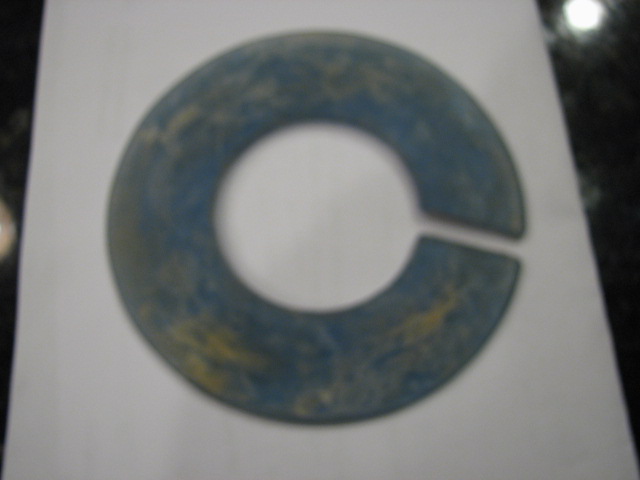
With your examples, they look to be of a much more modern origin. From your pics, they do not seem to have any bubbles in the glass. The edges are very precise and sharp, and the surfaces smooth. The notches in the glass give the impression of being manufactured, as does the ripples in the material of the first pic. While this is something that could be accomplished in the pre-modern era, it would have been more expensive.
As to what they are exactly, I am not sure. I could be wrong, but from the fabric of the items they do not seem to be that old, or to fit the older manufacturing methods that would be used for known items of a similar type. They look like some old automobile signals that I have seen, but not exactly. They also look like some insulators I have seen before, but once again, not exactly. I will continue looking as they are interesting.






 Posted 03/02/2016 07:37 am





