

 Posted 03/07/2016 8:18 pm


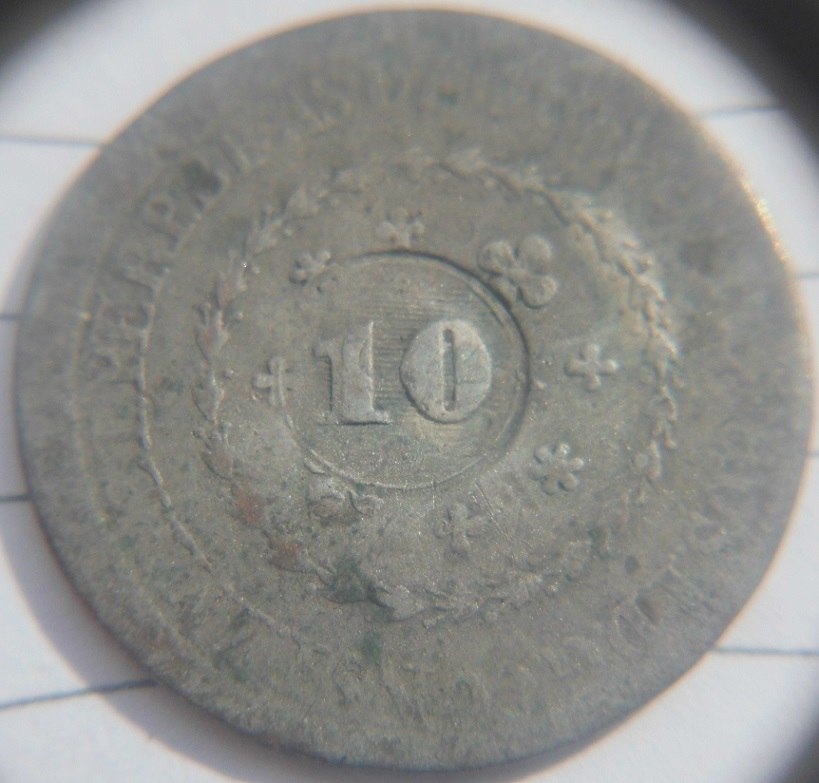
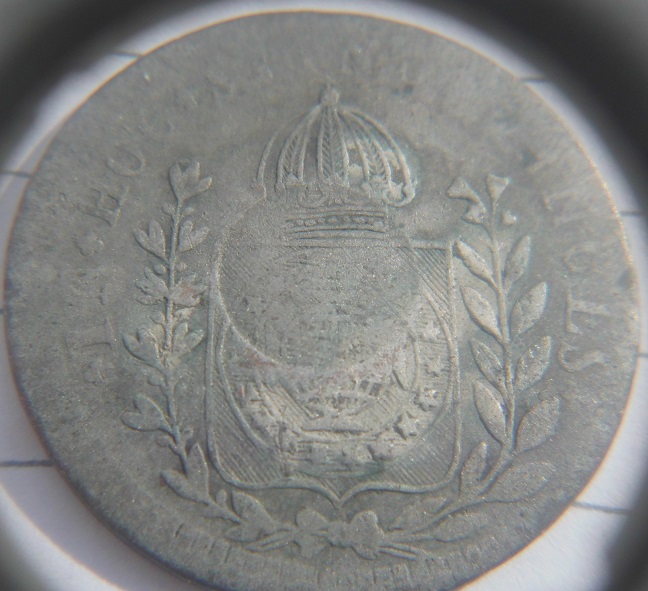
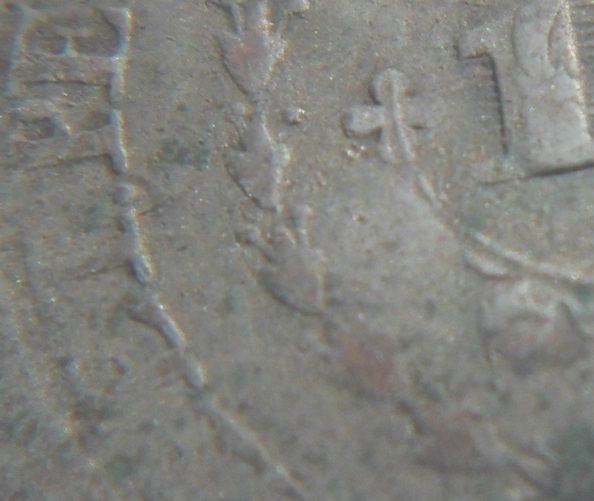
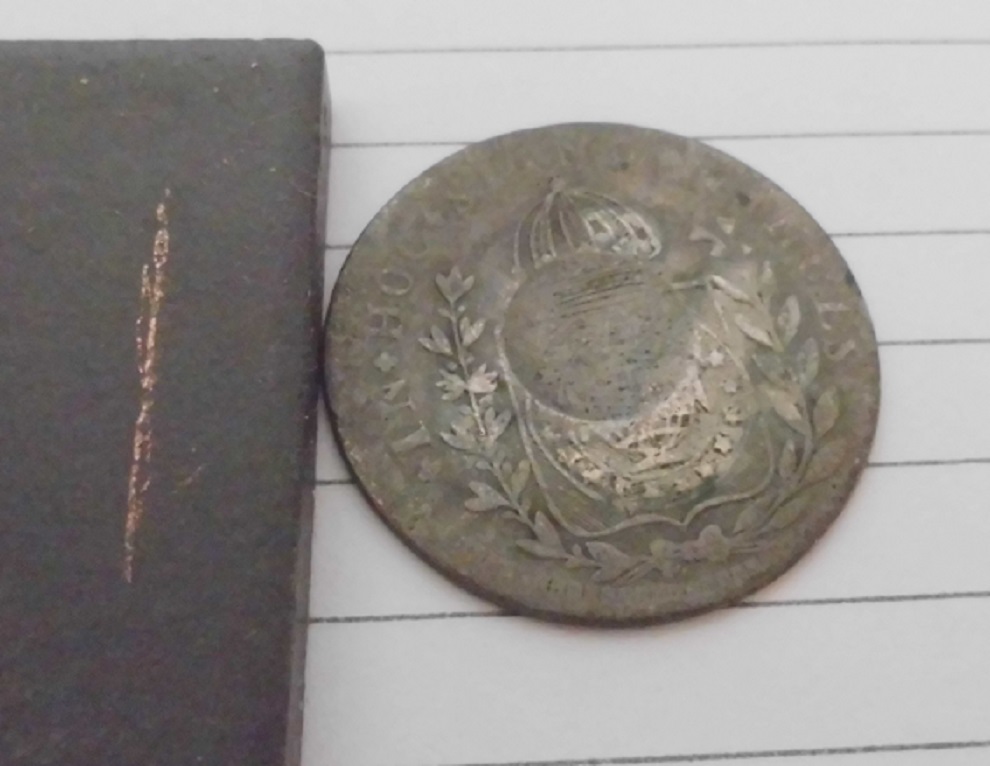
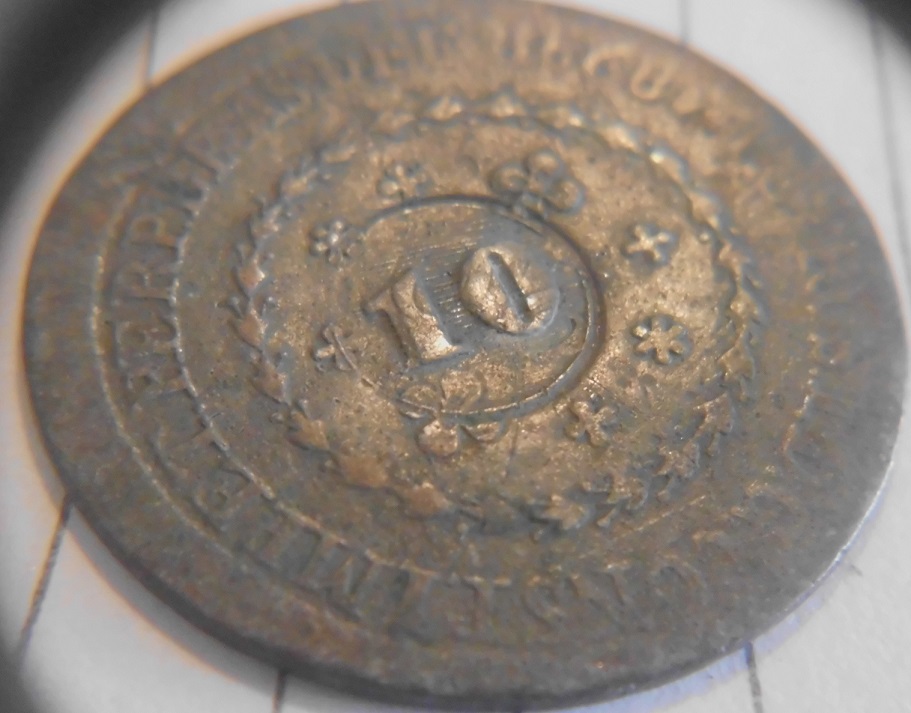
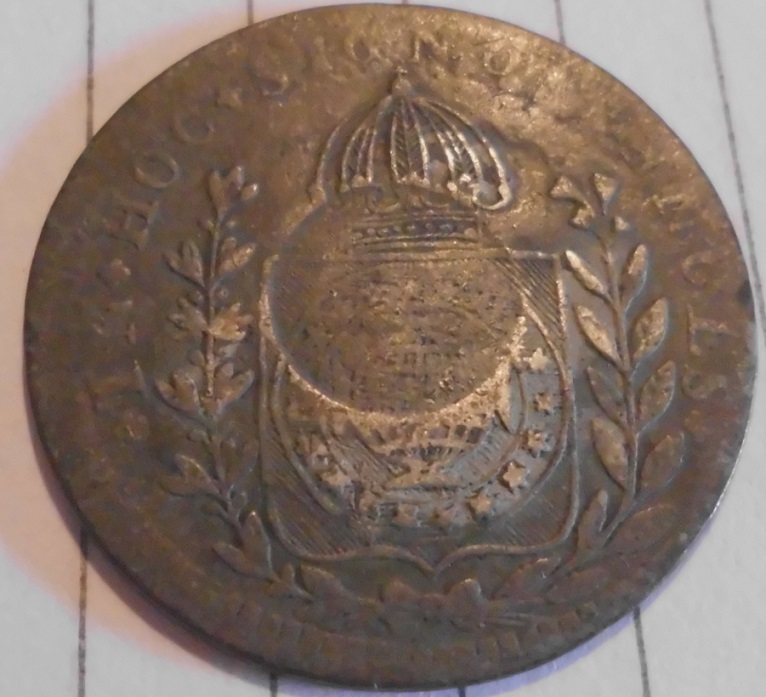
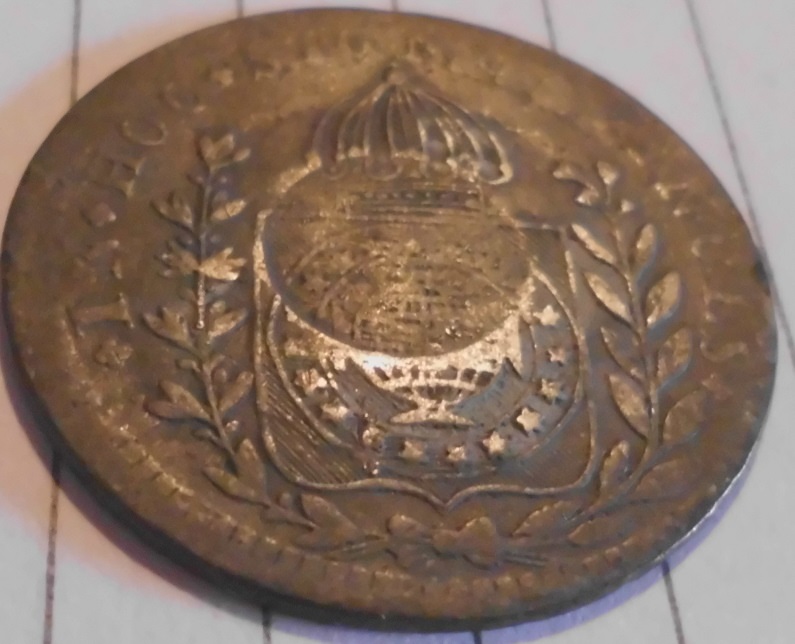
It's not aluminium or if it is, it can't be a contemporary counterfeit. Aluminium was rare and expensive back in 1829. Aluminium would also be much, much lighter, more like 4 grams. Judging from those pics, the coin looks copper to me.
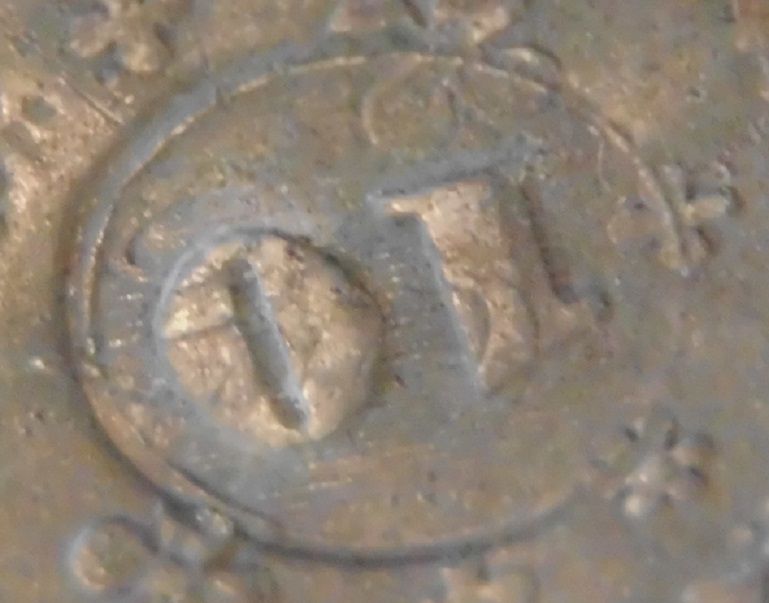
The "ring test" is also not a particularly reliable indicator for a counterstamped coin. The counterstamp changes the shape, and so changes the resonating frequencies of the coin.
This does not mean the coin is genuine. The Krause catalogues note that these pieces were very heavily counterfeited back in the day. Counterfeiting was rife, and the counterfeit quality was more or less the same as the quality of the genuine coins, so basically no-one cared if the coins were counterfeit or not.
Furthermore, when the coins were recalled and countermarked, they didn't go to too much trouble to weed out the counterfeits - only the worst and most lightweight ones. So it's entirely possible that it's a counterfeit coin with a genuine counterstamp.
The "ring test" is also not a particularly reliable indicator for a counterstamped coin. The counterstamp changes the shape, and so changes the resonating frequencies of the coin.
This does not mean the coin is genuine. The Krause catalogues note that these pieces were very heavily counterfeited back in the day. Counterfeiting was rife, and the counterfeit quality was more or less the same as the quality of the genuine coins, so basically no-one cared if the coins were counterfeit or not.
Furthermore, when the coins were recalled and countermarked, they didn't go to too much trouble to weed out the counterfeits - only the worst and most lightweight ones. So it's entirely possible that it's a counterfeit coin with a genuine counterstamp.
Don't say "infinitely" when you mean "very"; otherwise, you'll have no word left when you want to talk about something really infinite. - C. S. Lewis