Coin Community Family of Web Sites Join Thousands of Coin, Bullion, & Money Collectors
Vancouvers #1 Coin and Paper Money Dealer Coin, Banknote and Medal Collectors's Online Mall Shop for APMEX Bullion on eBay!Join Thousands of Coin, Bullion, & Money Collectors Royal Canadian Mint products, Canadian, Polish, American, and world coins and banknotes. Specializing in Modern Numismatics 300,000 items to help build your collection!


Username:
Password:
Save Password
Forgot your Password?


This page may contain links that result in small commissions to keep this free site up and running.

Welcome Guest! Registering and/or logging in will remove the anchor (bottom) ads. It's Free!

Surface Anomalies

To participate in the forum you must log in or register.
Author Previous TopicReplies: 15 / Views: 1,523Next Topic  
Pillar of the Community
Rackster's Avatar
United States
4809 Posts
 Posted 03/13/2016  8:21 pm Show Profile   Bookmark this topic Add Rackster to your friends list Get a Link to this Message Number of Subscribers
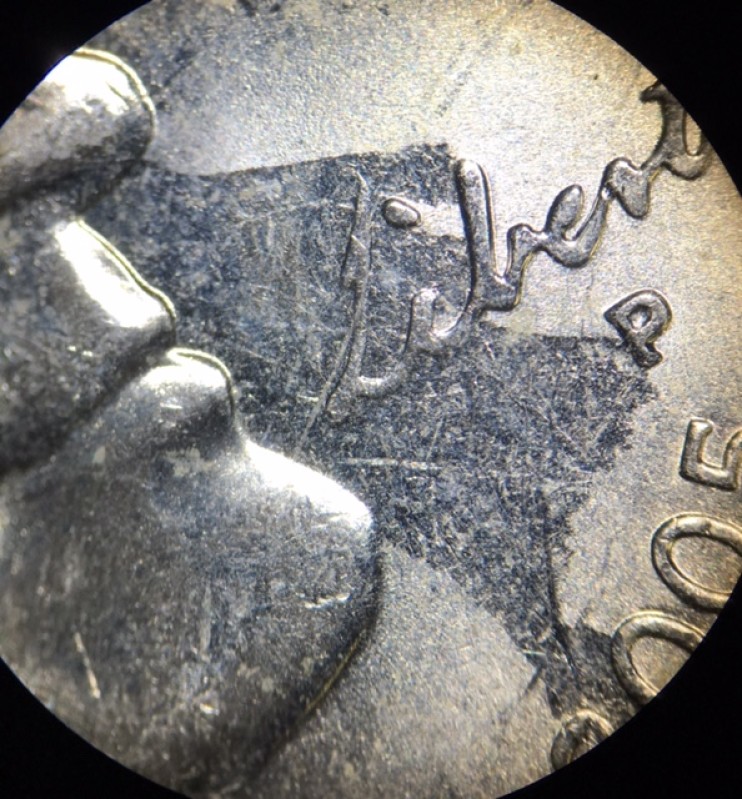
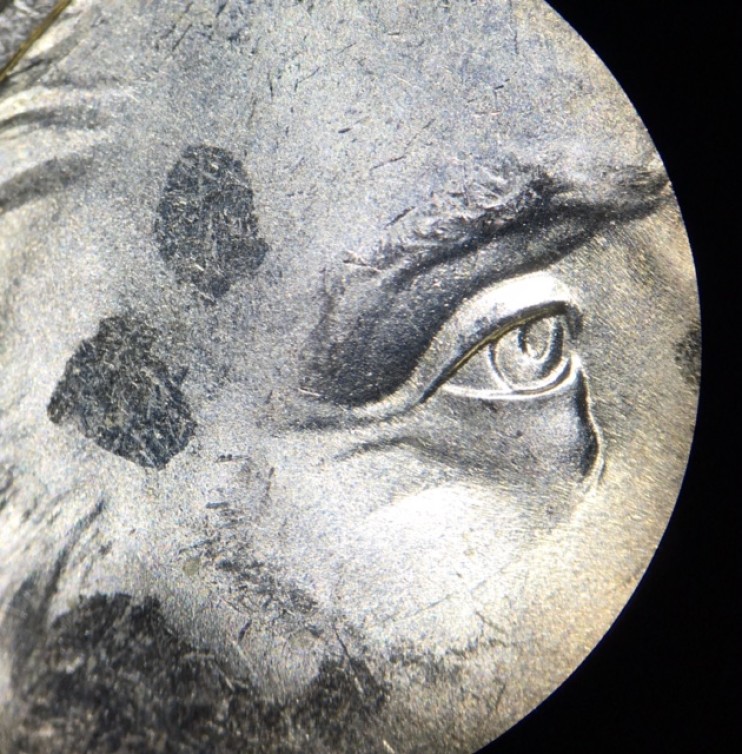
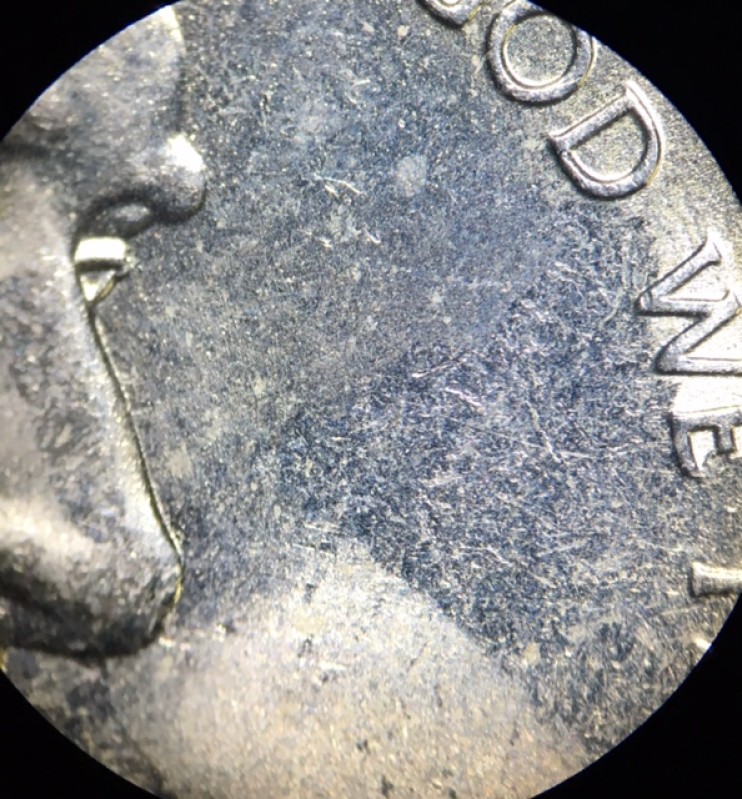
I see tons of these during nickel CRH events. I wondered about the cause, but thinking it's grease. This specimen was a kinder subject coin to take pictures of. So...is this caused by grease?

Surface-Anomalies

Surface-Anomalies

Surface-Anomalies
Pillar of the Community
Pete2226's Avatar
United States
3330 Posts
 Posted 03/13/2016  8:44 pm  Show Profile   Bookmark this reply Add Pete2226 to your friends list Get a Link to this Reply


Pillar of the Community
Rackster's Avatar
United States
4809 Posts
 Posted 03/13/2016  9:00 pm  Show Profile   Bookmark this reply Add Rackster to your friends list Get a Link to this Reply
Hi Pete - have you seen this on modern nickels, say 2004 forward?
Pillar of the Community
thedollarman's Avatar
Canada
4911 Posts
 Posted 03/14/2016  12:01 am  Show Profile   Check thedollarman's eBay Listings Bookmark this reply Add thedollarman to your friends list Get a Link to this Reply
yes it is a strike through. probably a thin layer of water, grease or another liquid. I have found a couple State Quarters like that and I belive that it is a liquid that moves on the die some what since the placement on my two is slightly different in areas.
Feel free to call me Will.
Pillar of the Community
CoinMasters's Avatar
United States
5964 Posts
 Posted 03/14/2016  02:01 am  Show Profile   Bookmark this reply Add CoinMasters to your friends list Get a Link to this Reply
It's Struck Through Grease with grit. Grease and metal flakes and/or dirt.
Edited by CoinMasters
03/14/2016 02:03 am
Bedrock of the Community
coop's Avatar
United States
62064 Posts
 Posted 03/14/2016  02:13 am  Show Profile   Bookmark this reply Add coop to your friends list Get a Link to this Reply
I agree with coin masters on this one. The roughness is from sort of grit on the die. It maybe also oil or grease. Something that holds the grit in place from strike to strike.
Pillar of the Community
Rackster's Avatar
United States
4809 Posts
 Posted 03/14/2016  7:27 pm  Show Profile   Bookmark this reply Add Rackster to your friends list Get a Link to this Reply
Thanks folks. I think the grit theory has merit. Although the subject area looks shinier, I do see a bunch of hairline surface scratches which could suggest grit/movement.

I have noticed that 2007 seems to be the most affected year and both sides of the coin can be affected. Looks kind of like surface chatter.

Thanks again!
Pillar of the Community
CoinMasters's Avatar
United States
5964 Posts
 Posted 03/14/2016  9:43 pm  Show Profile   Bookmark this reply Add CoinMasters to your friends list Get a Link to this Reply
Yes, I see it on the moderns quite a bit, Rackster. They have that huge wide open field, where I see it the most. I suppose it's a good catch all.
Pillar of the Community
Rackster's Avatar
United States
4809 Posts
 Posted 03/14/2016  9:47 pm  Show Profile   Bookmark this reply Add Rackster to your friends list Get a Link to this Reply
Hi CM - it makes me wonder if something changed in the minting process in the early 2000s. Kind of like a mold release/dressing put to the face of the dies creating the irregular shapes. On the freshest coins you can see and uneven field, like waves and indents.
Pillar of the Community
CoinMasters's Avatar
United States
5964 Posts
 Posted 03/14/2016  9:57 pm  Show Profile   Bookmark this reply Add CoinMasters to your friends list Get a Link to this Reply
Yes I think I know what you're talking about. I think it started with the single squeeze. I think it's a very short horizontal movement of the die against the hub, because you can often also see the beginning of trails. There are light and dark areas in a row.
Edited by CoinMasters
03/14/2016 10:03 pm
Pillar of the Community
CoinMasters's Avatar
United States
5964 Posts
 Posted 03/14/2016  10:01 pm  Show Profile   Bookmark this reply Add CoinMasters to your friends list Get a Link to this Reply
The grease with grit is entirely different, it just puts "roughness" in certain areas.
Pillar of the Community
Rackster's Avatar
United States
4809 Posts
 Posted 03/14/2016  10:06 pm  Show Profile   Bookmark this reply Add Rackster to your friends list Get a Link to this Reply
Hmmmm...I was thinking that you and coop detected there was more surface scratching in the shiny fields. It could just be from the circulation damage though.
Bedrock of the Community
coop's Avatar
United States
62064 Posts
 Posted 03/14/2016  10:08 pm  Show Profile   Bookmark this reply Add coop to your friends list Get a Link to this Reply
With the grease/oil on the surface of the planchet, it prevents the surface of the field to be shaped. It is more like the planchet would have look in the raw form along with the grit affect dulling the color.
Pillar of the Community
CoinMasters's Avatar
United States
5964 Posts
 Posted 03/14/2016  10:09 pm  Show Profile   Bookmark this reply Add CoinMasters to your friends list Get a Link to this Reply
No, Rackster the grease/oil with grit makes the roughness. What I'm talking about is a separate anomally.
Edited by CoinMasters
03/14/2016 10:16 pm
Pillar of the Community
CoinMasters's Avatar
United States
5964 Posts
 Posted 03/14/2016  10:14 pm  Show Profile   Bookmark this reply Add CoinMasters to your friends list Get a Link to this Reply

Quote:
Yes I think I know what you're talking about. I think it started with the single squeeze. I think it's a very short horizontal movement of the die against the hub, because you can often also see the beginning of trails. There are light and dark areas in a row.
Pillar of the Community
Rackster's Avatar
United States
4809 Posts
 Posted 03/14/2016  10:19 pm  Show Profile   Bookmark this reply Add Rackster to your friends list Get a Link to this Reply
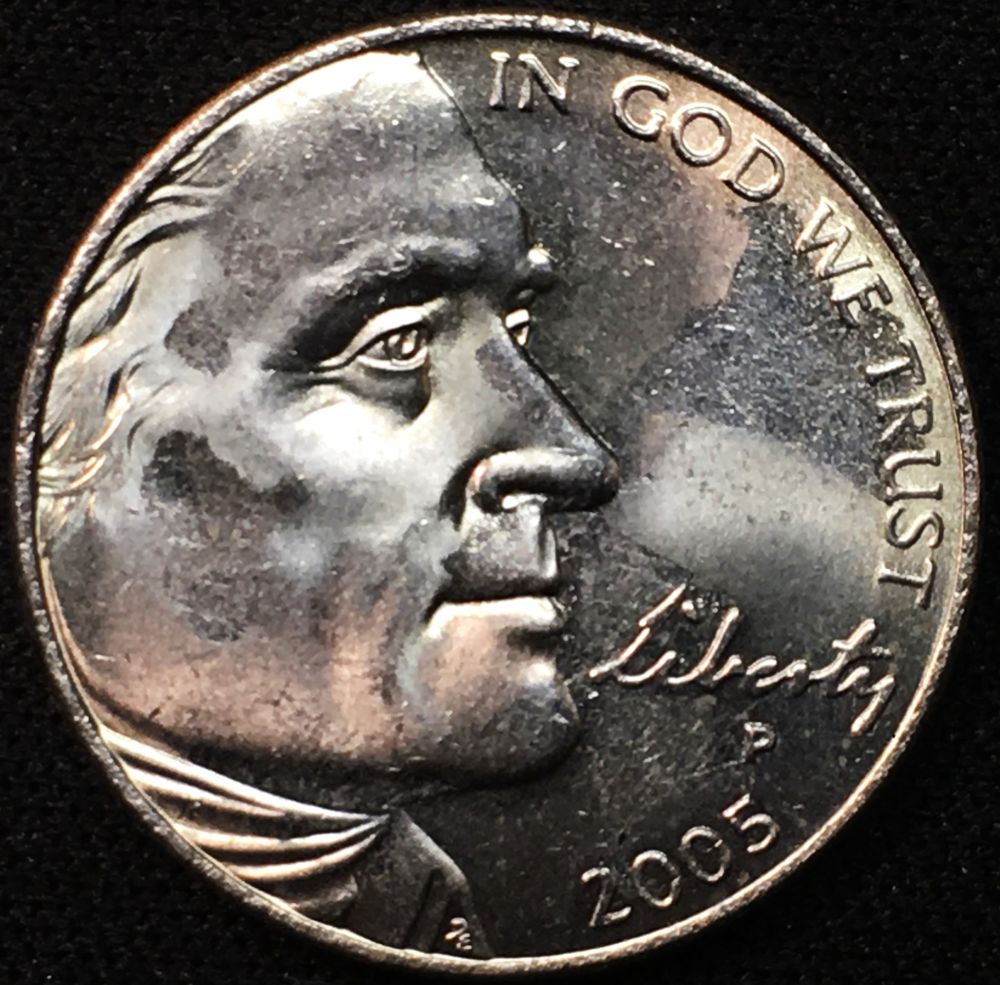
Hi guys - thanks for the explanations. The flow of metal does look affected and although some features are present, they do look weaker than normal. Here's a full obverse shot. The grease affected the temple, the cheek, the bridge of the nose and the fields in front of the forehead/nose and lip/Liberty area. The rest of the coin has the matte finish.
Surface-Anomalies
  Previous TopicReplies: 15 / Views: 1,523Next Topic  

To participate in the forum you must log in or register.


Disclaimer: While a tremendous amount of effort goes into ensuring the accuracy of the information contained in this site, Coin Community assumes no liability for errors. Copyright 2005 - 2026 Coin Community Family- all rights reserved worldwide. Use of any images or content on this website without prior written permission of Coin Community or the original lender is strictly prohibited.
Contact Us  |  Advertise Here  |  Privacy Policy / Terms of Use

Coin Community Forum © 2005 - 2026 Coin Community Forums
It took 0.4 seconds to rattle this change. Forums