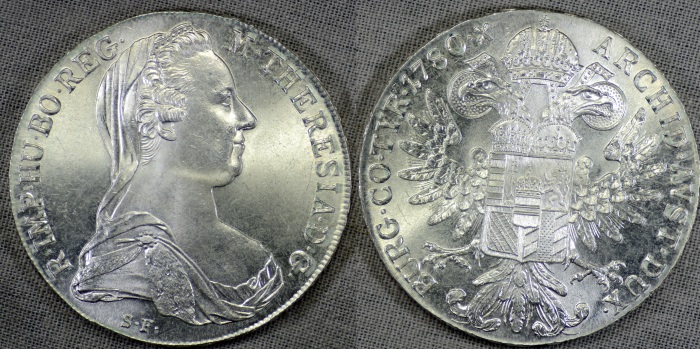
'Numismatics', and consequentially 'numismatic value', is not science and based on very subjective sentiments. In that respect it's a bit like trading on the stock exchange, which is also largely based on sentiments. To do numismatics properly, you probably get further with a book on psychology than on mathematics.
Of course, factors like mintage, coin condition, date, material and even the place where a coin is sold do have impact on its value and are probably the most 'measurable' factors in this field.
As an example of how subjective numismatic value is: for most Americans here, a coin with a mintage of 500.000 pieces is seen as very rare, while to me as a European... I have several coins with a mintage far below that which aren't labeled even 'rare'.
For coin condition (apart from error coins, of course) there are several standards: Americans use a standard with both letters and numbers (higher number is higher quality), Europeans tend to use a standard with letters only (mostly abbreviations), while I in Norway am also used with the local Scandinavian standard where only numbers are used (a lower number is better, so quality 0 is best). However, assigning a condition to a coin is largely subjective, even if done by independent third parties.
(And now I'm leaving out the sudden interest that rises for so-called lowball coins, as that is a market on its own, which defies the classic rule that higher quality is more expensive...)
Date is actually something we don't have impact on, yet it is so decisive for mintage numbers and special varieties like date overstrikes.
Location is, as I found out, impacting heavily on numismatic value. I will give you one example. Muddler purchased an Old Spanish Trail Half Dollar for $1301 (see here:
https://goccf.com/t/251676&whichpage=37 ). Which is a good price given that you buy it in the USA, as the average price on
ebay seems to be around $1300 or more. Would he have bought it in Europe, he could have gotten it for half price. See for example this auction in Sweden:
https://www.numisbids.com/n.php?p=l...1225&lot=294 Condition '01' is a very nice condition, with hardly traces of use. 5400 SEK was about $650 back then. On the other hand, I can buy 'rare' Swedish coins in the US at bullion value where I'd be bankrupt when getting hold of them in Sweden.
Anyway, that contest, the wide range of guesses and the often surprising outcomes show how little science there is in numismatics.
Now for the material. A non-demonetized coin is worth either at least face value or bullion value (we just add 'numismatic value' a a third parameter to make things more interesting). The tension between these two can especially be seen in coins produced with precious metals (bullion coins). However, the price of a troy ounce of a (precious) metal is, in my opinion, also significantly tied to sentiments. For example, the amount of gold in this world is significantly larger than the amount of platinum or palladium, and all are in heavy demand for several applications. Yet, the price of one troy ounce of gold is about double that of the other two. Why? Mostly sentiments. Technically the price of palladium and platinum should be higher than gold. Be it that gold has been known for centuries (also at times when the other two weren't even discovered yet) as a safe means of trade and something that always retains a certain value, a sentimental status the other two don't have.
So yes, bullion coins are worth two types of sentiments, where other coins are worth just one.






 Posted 05/10/2016 12:37 am