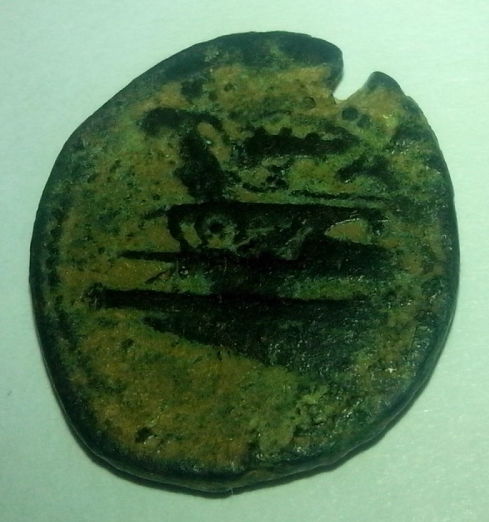
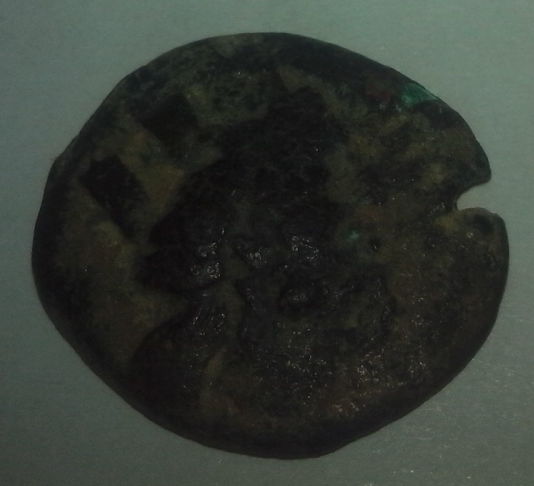
One of my favorite parts of collecting random world coins is the novelty of the different designs, and especially working to ID a coin that has a legend in non-Latin characters. While the vast majority of coins have just a handful of languages, I think there is certainly a potential to put together an extensive collection of coins based on the writing script used on the coin. I will have to dig to see what I have to show off, but I did a little research and organized a list of current and obsolete writing systems for this purpose:
Scripts definitely used as a functional language on circulating coins
Latin
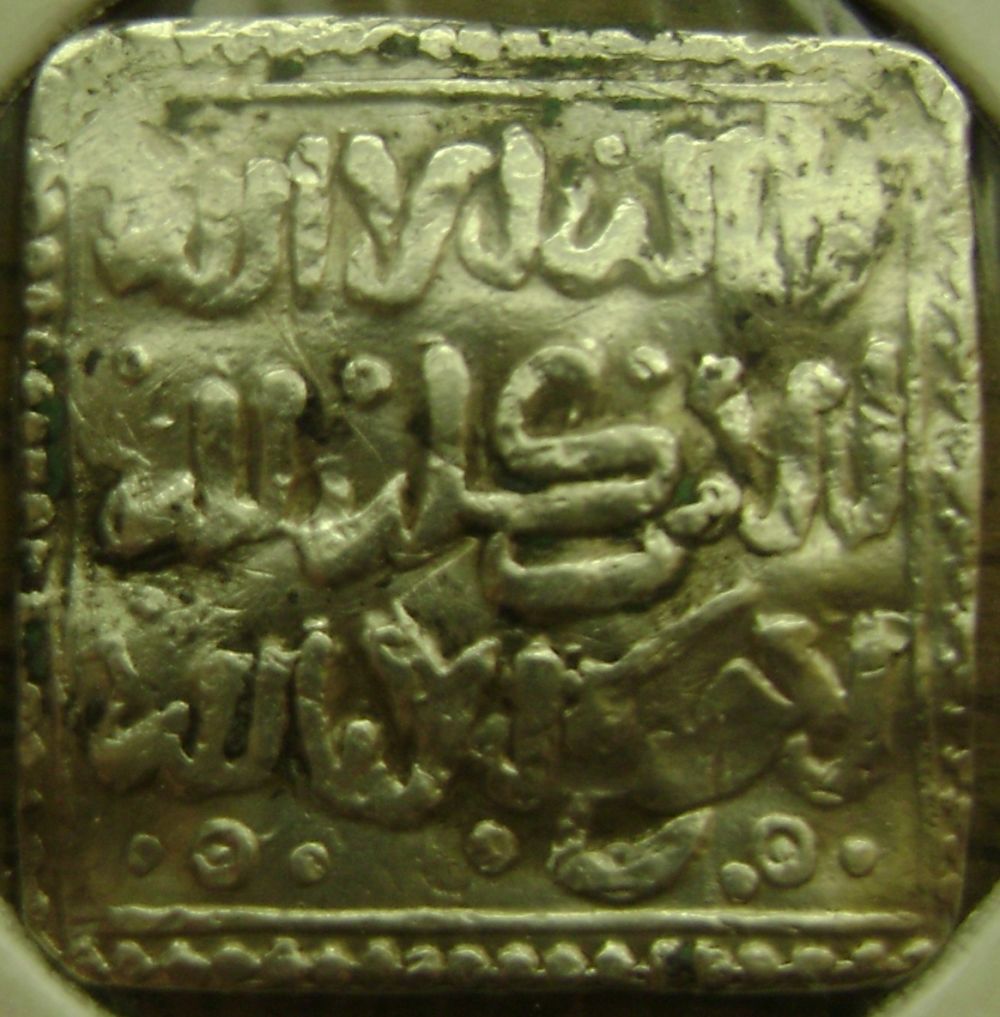
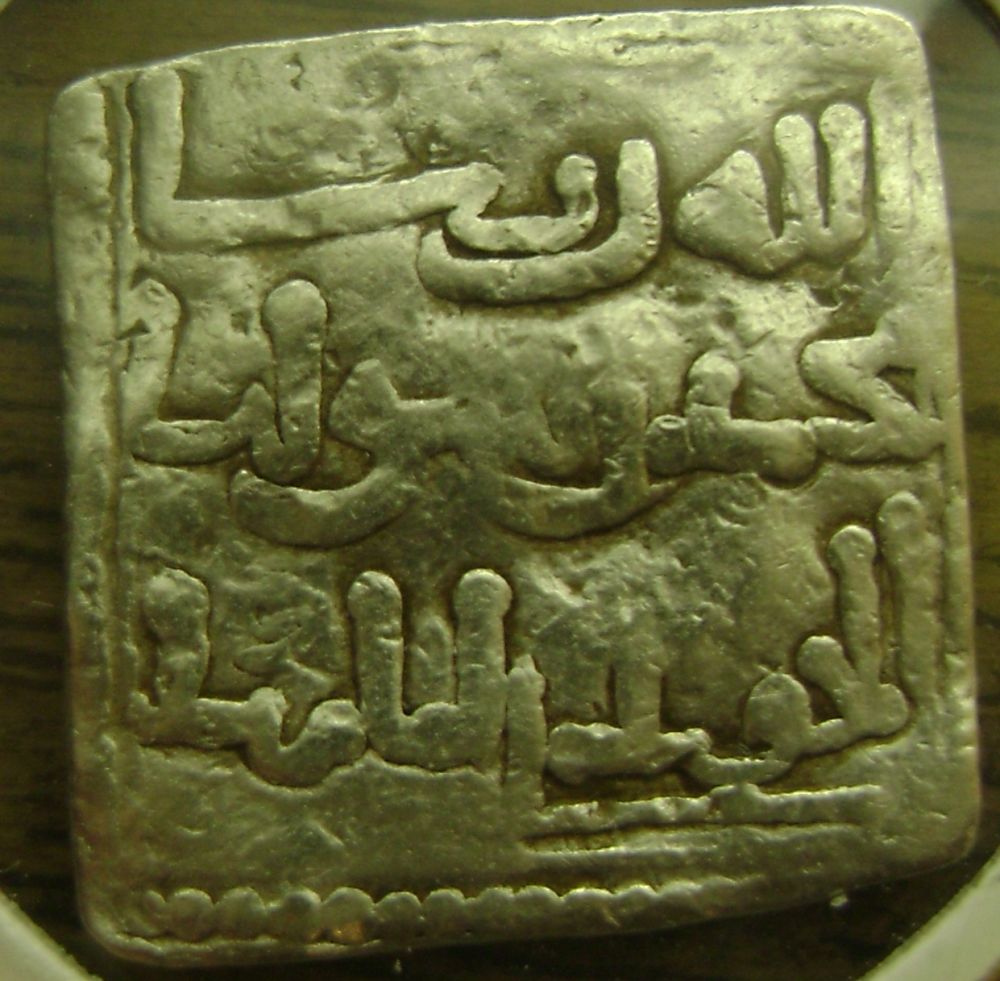
Arabic
Greek
Cyrillic
Chinese (Incl. traditional Japanese, Vietnamese, and Korean)
Devanagari (India and neighbors)
Hebrew
Thai
Korean
Lao
Mongolian
Manchurian
Burmese
Cambodian
Bengali
Ge'ez (Ethiopia and neighbors)
Georgian
Javanese
Tibetan
Armenian
Extinct scripts once used as a functional language on circulating coinage
Aramaic (Incl. archaic Hebrew; both now extinct)
Nabatean (Extinct)
Archaic Chinese
Brahmi (Ancient India)
Languages I've never seen on circulating coins, but may be on commemoratives:
Modern (Uncommon, unorthodox, invented)
Ahom (Functionally extinct; used ceremonially in Assam)
Bamum (Invented in 1896 for use in Cameroon; never caught on)
Balinese (Indonesia)
Bassa (Obscure, rarely in use around Liberia)
Baybayin (Philippines)
Batak (Indonesia, alternate script)
Beitha Kukju (Invented in 1825-45 in Albania)
Blackfoot (Invented in 1883-95 for Canadian Algonquian language)
Borama (Invented in 1933 for Somali language)
Buhid (Philippines)
Caroline Island Script (Invented ca. 1800-1900 in Micronesia)
Canadian Aboriginal Syllabics (Invented 1840s, Canada)
Carrier (Invented 1885 for Canadian Athabaskan language)
Chakma (Variant of Bengali)
Cham (Indian script used in Cambodia/Vietnam)
Cherokee (Invented 1809-24 in US)
Chu-Nom (Vietnam, variant of Chinese with new symbols, seldom used now)
Coorgi-Cox (Invented 2005 to write Kodava language in India)
Coptic (Greek adapted with new letters from old Demotic, used only formally since 1200s AD)
Cree (Invented 1840 in US)
Dehong Dai (Yunnan Province, China)
Deseret (Invented 1800s as alternate to Latin for English)
Dives Akuru (Maldive islands until late 1700s)
Elbasan (Invented in Albania, 1700s)
Eskayan (Invented ca. 1900 for indigenous Philippine language)
Fraser (Invented 1915 for Lisu language in China/Burma)
Gondi/Gond (Invented 1928/re-invented 2010 for Gondi language in India)
Grantha (Variant script in India)
Gujarati (India)
Gumukhi (India)
Hanuno'o (Philippine script)
Inuktitut (Invented late 1800s in Canada)
Kayah Li (Invented 1962 for Kayah Li language in Burma)
Katakana/Hiragana (Informal Japanese)
Kaithi (India and neighbors)
Kannada (India)
Kawi (India and others in South Asia)
Kharosthi (India)
Khmer (Variant Indian script)
Khojki (India)
Kirat Rai (used for Bantawa language in Nepal)
Kpelle (Invented 1930s for central Africa)
Lanna (used in Thailand and Laos)
Lepcha/Limbu/Kirati (Variant scripts used in Tibet/Burma)
Loma (Invented 1930s for Liberia; quickly fell out of use)
Lontara (India)
Malayalam (India)
Mandaic (Uncommon script used in Middle East; descended from Aramaic)
Manipuri (used in Manipur, India)
Mende (Invented 1921, Sierra Leone
Modi (Variant of Devanagari for Marathi language)
Mwangwego (Invented 1977, Malawi, Africa)
N'ko (Invented 1949, Ivory Coast region of Africa)
Naxi (Dongba and Geba scripts, Yunnan / Sichuan province China)
Ndjuka (Invented 1910, Suriname)
Nushu (Hunan province, China; used only by women)
Odia (India)
Somali (Invented 1920s, Somalia)
Pahawh Hmong (Invented 1959, Vietnam)
Pollard (Invented 1905 for several Chinese dialects)
Ranjana (Less common script in India/Nepal)
Rejang (Indonesia)
Samaritan (Rare sister-script to Hebrew)
Santali (Invented 1920s in India for Santali language)
Shan (Thailand and Burma)
Sharda (India)
Sinhala (Sri Lanka)
Soreng Sompeng (Invented 1936, India)
Sourashtra (Invented late 1800s, India)
Soyombo (Invented 1686 as fusion of Sanskrit and Mongolian)
Sudanese (Indonesia)
Syriac (Middle East, intermediate form between Aramaic and Arabic, used as ritual language)
Tai Dam (Thailand, Laos)
Takri (India)
Tamil (India)
Telugu (India)
Thaana (Invented early 1700s, Maldives)
Todhri (Invented late 1700s, Albania)
Tolong Siki (Invented 1989-1999 for Kurukh language, India)
Tigalari (India)
Tifinagh (Northern Africa, used by Berber peoples)
Varang Kcrapi (Probably invented, used for Ho language in India/Bangladesh)
Yi (China, used for Yi language since Tang dynasty)
Ancient/Extinct (Used by societies that did not coin money with writing on it, or used Latin or Greek)
Archaic Greek (Linear A, Linear B, Cypriot, Lycian, Lydian)
Archaic Latin
Carian (Anatolia, 1st c. BC)
Carpathian Basin Rovas (Hungary, 600-1000 AD)
Caucasian Albanian (Died out in late middle ages)
Celtiberian (Spain, ca. 100BC)
Cuneiform (Used in Middle East; Sumer, Akkadia, Babylon, Persia)
Elamite (Persia, used 3rd millennium BC)
Egyptian Demotic
Egyptian Heiroglyphs
Egyptian Heiratic
Etruscan (Italy, ca. 600BC - 400AD)
Glagolitic (Invented in Eastern Europe, used ca. 800-1100 AD)
Gothic (Europe, ca. 350-1600 AD)
Jurchen/Khitan/Tangut (Variants of Chinese)
Khazarian Rovas (Runic alphabet in Aral Sea area used until about 900 AD)
Luwian (Anatolia, 1300-600 BC)
Mayan (Central America, ca. 250 BC - 1200 AD; rarely until 1600; subsequently lost)
Meroitic (Related to Egyptian heiroglyphic / demotic)
Middle Persian (ca. 200-600 AD)
Ogham (Ireland, ca 100-800 AD)
Old Permic (used for Komi language, Russia, ca. 1400-1600)
Orkhon (Turkey, ca. 700 AD)
Pallava (India, ca. 200-700 AD)
Phags-Pa (Mongolia, used by Khanate 1260, extinct by 1352)
Phoenecian (Mediterranean, 1000 BC - fizzled out by 100 AD)
Phrygian (Balkans, 800 BC - 400 AD)
Psalter (Used for Pahlavi script, ca 600 AD, Northwest China)
Proto-Canaanite (Very early alphabet in the middle east)
Punic (North Africa, antiquity until 300 AD)
Rongo Rongo (Easter Island, extinct by 1850s; became extinct before Europeans found anyone able to translate, never deciphered)
Runic (Northern Europe, ca. 500-1300 AD)
Sabaean (Middle East, 500-0 BC)
Siddham (India, intermediate form between Brahmi and Sanskrit)
Tocharian (China, related to Brahmi and extinct by 800 AD)
Voynich (Europe, 1400s; Probably a fantasy language or complex cipher)
Maybe jbuck or another admin can assist with using this list as a tracker; I would love to see how many we can mark off as a community!
Off the top of my head, I know for a fact that I have coins with legends in:
Latin
Arabic
Greek
Cyrillic
Chinese
Manchu
Ge'ez
Thai
Lao
Tibetan
Devanagari
Cambodian
Brahmi
Aramaic
Nabatean
While I work to get organized again, go ahead and show off what you have! Especially if you have coins with scripts using uncommon letters or symbols, or unusual writing styles (e.g. cursive, seal script, Morse code etc)









 Posted 05/13/2016 5:19 pm



 )
)