| Author |
 Replies: 37 / Views: 7,871 Replies: 37 / Views: 7,871 |
|
|
|
Pillar of the Community
 Canada
2784 Posts |
|
|
Pillar of the Community
Canada
2784 Posts |
well I have purchased a piece of Edmund optical glass 70/30%. it will arrive soon. this glass is quite expensive. so the glass will reflect 30% of the light. that is shone at it. I will do some photos of coins. once I have the plate of glass.
|
|
Pillar of the Community
 United States
4051 Posts |
rocky...if you use "asymmetric" glass, you should make it so it is most reflective of the light toward the coin. This minimizes the stray light going through the glass that has to be absorbed. It also reduces the light that is coming back from the absorbers which can reflect up to the camera. Mounted this way, only 30% of the incident light is transmitted to the absorbers, and only 30% of the light coming from the absorbers is reflected to the camera.
|
|
Pillar of the Community
United States
9395 Posts |
Is there some advantage to using 30/70 glass instead of 50/50 glass? I finally got my diffuse-axial setup working well enough (light source uniform enough) to use it with slabbed coins, and automatically assumed that 50/50 glass (from Edmund) was the way to go.
|
|
Pillar of the Community
2087 Posts |
50/50 gives the most light. Quote:
rocky...if you use "asymmetric" glass, you should make it so it is most reflective of the light toward the coin. This minimizes the stray light going through the glass that has to be absorbed. It also reduces the light that is coming back from the absorbers which can reflect up to the camera. Mounted this way, only 30% of the incident light is transmitted to the absorbers, and only 30% of the light coming from the absorbers is reflected to the camera. I as I read the quoted post it is incorrect, or at the very least misleading. 1st point : The beamspliter reflects, and transmits. As Rocky has described it, the maximum reflectance is 30%. The way RMPSRMPS has written his post can give the impression that the beam spliter reflects either 30% or 70% depending on how you orient the mirror,which is not correct. What Rmpsrmps might have been meaning is that you have to ensure the reflective side of the glass is facing the coin( at a 45 Degree angle of course). To do that: get a tooth pick( Edmund's support told me to use a ball point) and touch the point to the glass. If the points of the toothpick and its reflection are "touching" then that is the side you face toward the coin. If there is a gap then that is the back side of the beam splitter. 2ndly 30% of the light bean is reflected to the coin( the other 70% is wasted/sent to the absorbers). Of the light reflected from the coin 70% is transmitted to the camera. As a result a maximum of 21% (70% of 30%)of the original illumination reaches the camera , of course in reality it will be less than 21%( A 70(r)/30(t) will give the same result). With a 50/50 beam spliter the maximum is 25%(50% of 50%). The only advantage I can see to using a 30(r)/70(t) would be price. For pictorial explanation see the bottom of this page: https://www.edmundoptics.com/optics...s/#resourcesEDIT: I purchsed my first beam splitter from ebay. I discovered once I purchased one new that ebay is not a good idea. The reason being is the reflective coating is easily damaged/removed( don't clean it with cleaning fluid and never use a cloth ( it you can avoid it). My ebay example had lost most of the reflective coating before it got to me... I didn't realize that until I purchased one direct from Edmunds and discovered the huge difference( this edit only applies to plate beam splitters)in performance. My beam splitter is permanently mounted in place to avoid dust and dirt getting on to the reflective side. When stored the axial rig is covered to protect it. All that said I rarely use my axial lighting rig now. With both the Sony A7rII and the Oly OMD-EM10II the distortion(s) produced by light passing through the beam splitter noticeably reduces resolution( at pixel peeping levels). For on line images that is not too much of an issue but, it is problematic when producing full sized prints Edited by austrokiwi
07/13/2017 03:04 am
|
|
Pillar of the Community
United States
9395 Posts |
Quote:
The only advantage I can see to using a 30/70 would be price For the 60x85mm size I'm using, the prices for 70/30, 50/50, and 30/70 all seem to be the same. BTW, it's too bad they don't have something like 75x105mm, which would work better with the largest coins. Diffuse axial lighting is one of the most reliable ways to get an acceptable coin photo, especially for shiny coins. The only coins it fails completely with are dark coins in slabs, and coins with spotty toning. |
|
Pillar of the Community
2087 Posts |
Quote:
BTW, it's too bad they don't have something like 75x105mm, which would work better with the largest coins.
I use a 128mm X 175mm (Its edmunds) they have a variety of sizes. The larger the more expensive. Seems the prices have changed since I last looked. A 50/50 used to cost more than a 30/70 and cost over $170.00 now they are the same price and only cost $156. |
|
Pillar of the Community
United States
4051 Posts |
AK...you are right, my concept was incorrect. I was actually thinking these had an asymmetric characteristic, but they do not. My concept was to use 70% reflective glass to minimize the amount of light passing through the glass that must be absorbed by the system to keep it from re-reflecting up to the sensor. However, now it's not clear to me if there is any general benefit either direction, since even though less light passes through, more of what comes from the "dark" side is reflected up. I'll need to think more about this...Ray
Contact me for photographic equipment or visit my home page at: http://macrocoins.com |
|
Pillar of the Community
Canada
2784 Posts |
|
|
Pillar of the Community
United States
4051 Posts |
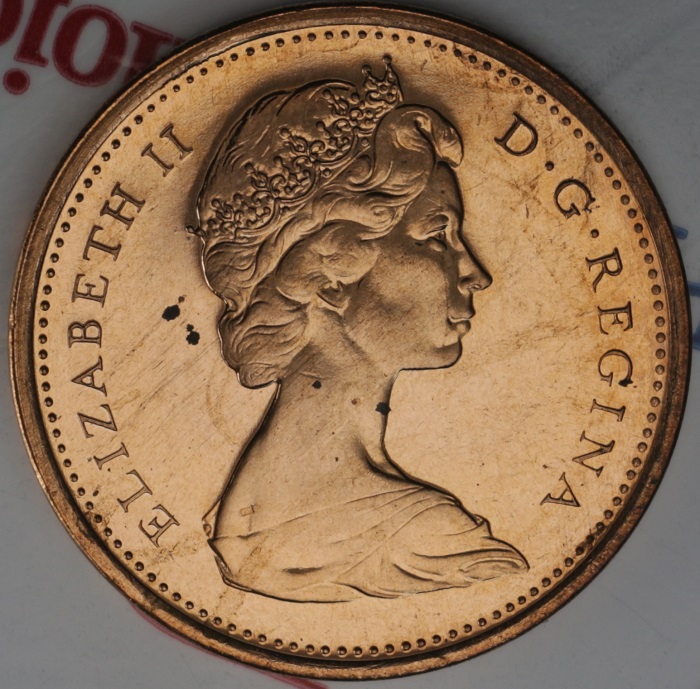
rocky...the 2nd image is what I usually see from axial lighting tests I've done.
Contact me for photographic equipment or visit my home page at: http://macrocoins.com |
|
Pillar of the Community
Canada
2784 Posts |
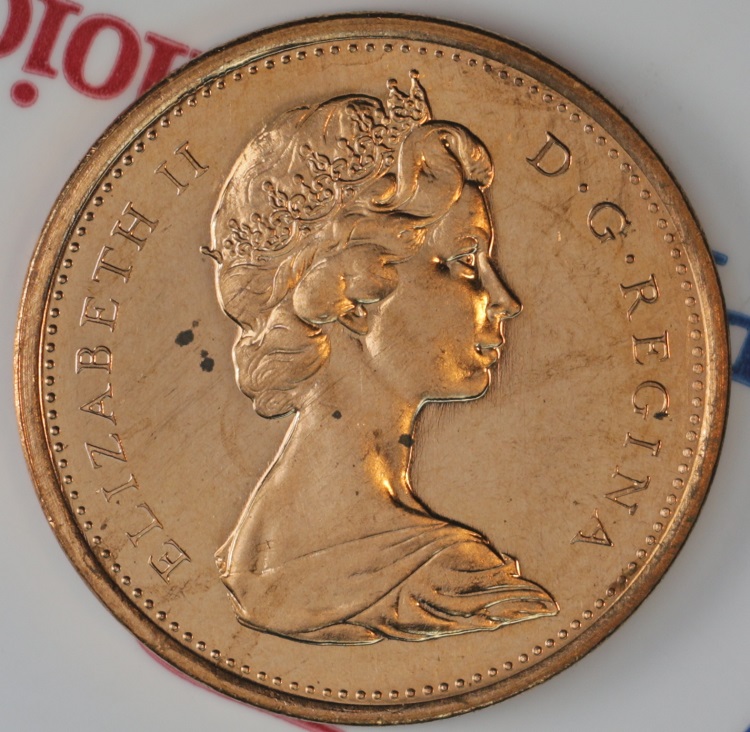
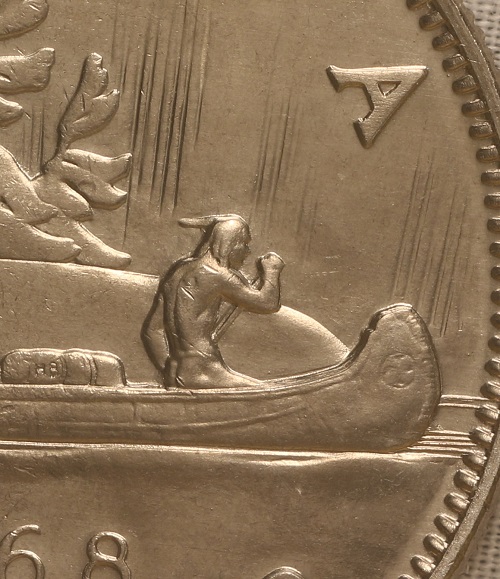
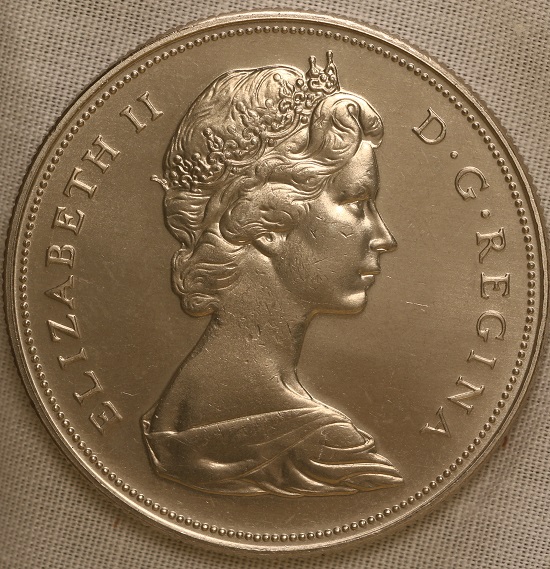
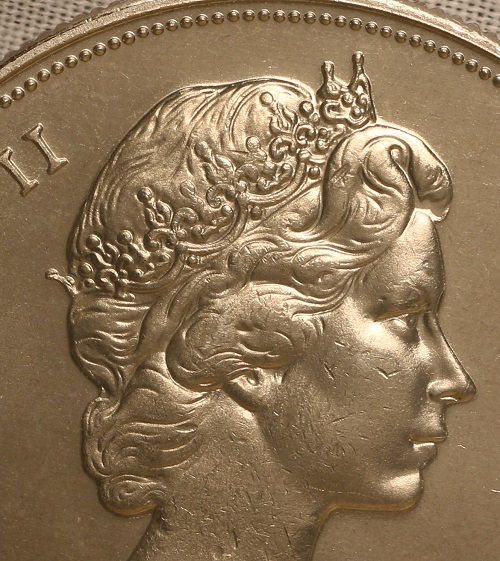
i understand ray I see you have to cut all outside light. this is wonderful glass it works. ray the people who sold me. the replacement lens for my microscope objectives. I have a piece of optical glass coming in from them today. the glass is 1 mm thick. I will see if I like that better. but so far. I like the old picture frame glass better. here is 2 images with the only light on the glass and coin from a lamp. 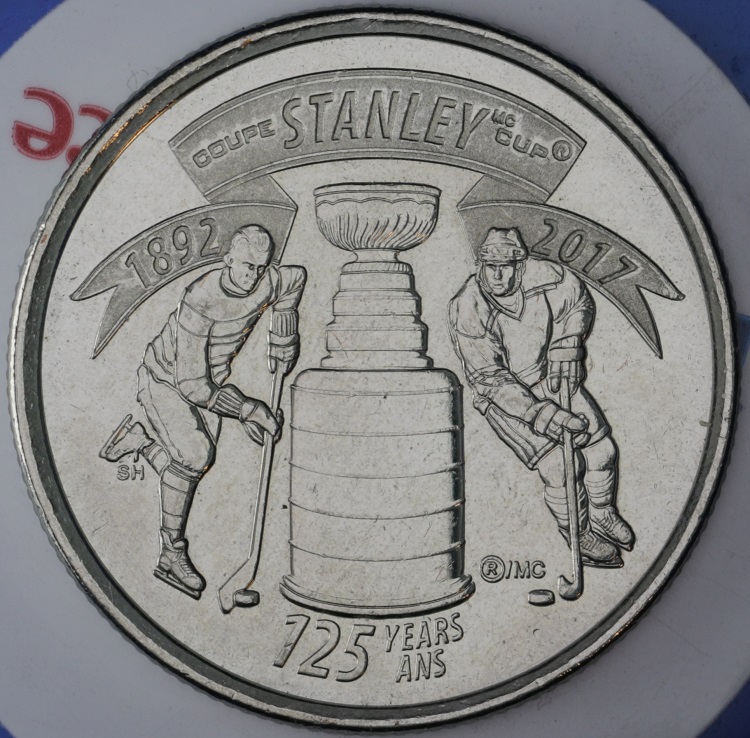 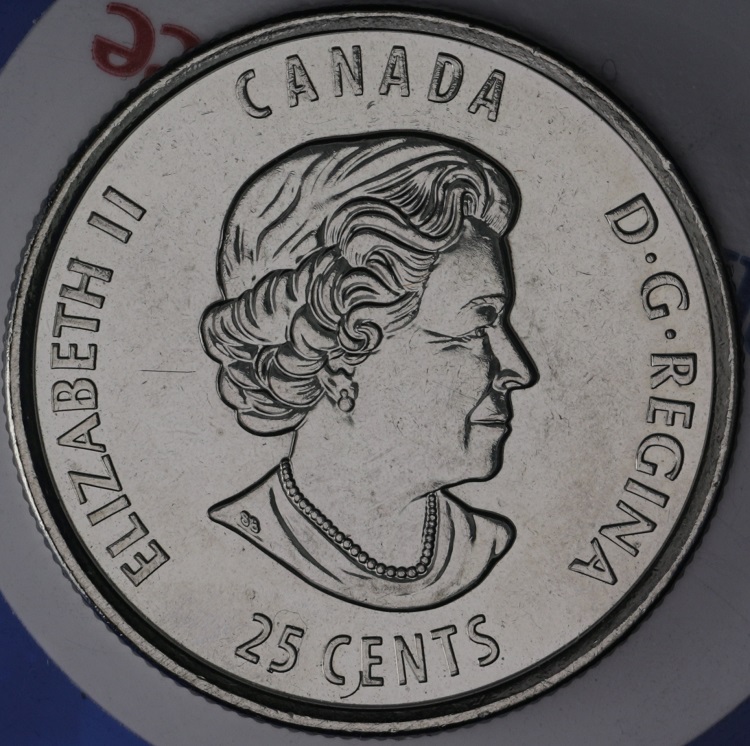 |
|
Pillar of the Community
2087 Posts |
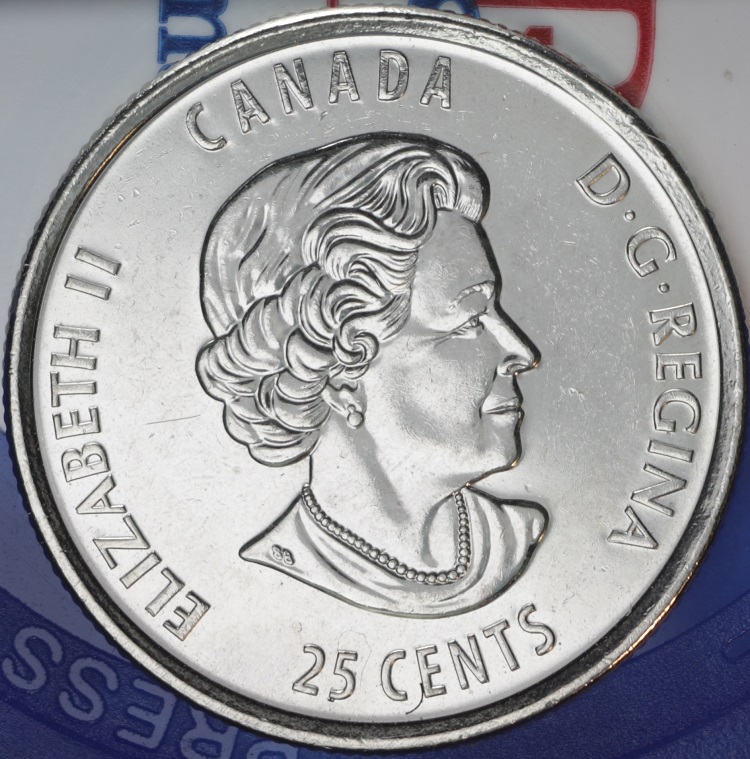
The following photograph illustrates why I rarely use axial lighting now. The lighting in this case was a 40 LED microscope ring light. The ring light was fitted to a Minolta CE-Rokkor 80mm F.F5.6 ( reversed) via the following adapters: 28mm -42mm step up ring, M42 -m39 adapter. This set up sees the light being projected in a manner that gives the appearance of axial lighting, but absent the distortion producing glass. Just a caution about the photograph. It is a Jpeg produced from a 16 bit Tiff file. The Jpeg was reduced substantively( more than 90%), as a result the image no where near the quality of the original. I use a 4k calibrated( monthly) monitor and the difference between the original and this image is shocking meaning this image is of embarrassingly poor quality. If any one wants to see a slightly reduced Jpeg ( the tiff is too large for Photobucket) PM me and I will try to send you a Link to photobucket( this forum no longer allows photo-bucket images to be posted) Edit: I uploaded the full tiff image to my google drive. Use this link if you wish to download ( file size is too large for previewing on line) it however, take note the file size is 241mb. The link: https://drive.google.com/file/d/0B0...?usp=sharing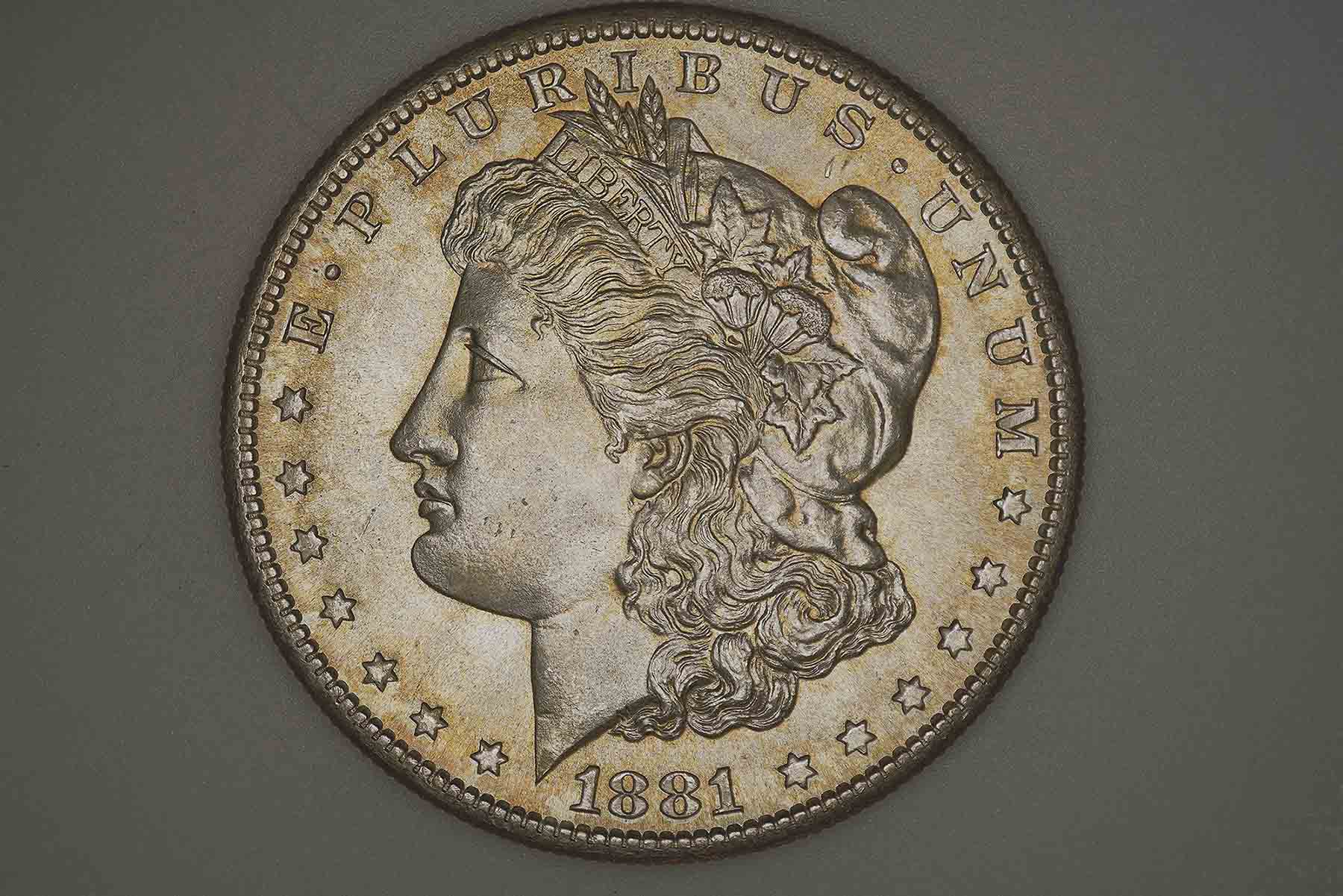 Edited by austrokiwi
07/21/2017 12:18 pm
|
|
Valued Member
United States
110 Posts |
kiwi:
Is there a typo error in this post?
Is it a 24.1 Mb or a 241 Mb Tiff file?
|
|
Pillar of the Community
2087 Posts |
241MB. Its not a typo. the sony A7rII produces 128mb Raw (14 bit)files. When I edit them in capture one pro I convert them to 16 bit Tiff files. Usually they are also 128MB however, the image is a stack produced by zerene stacker, and The only save option ( I don't like Jpeg) for tiff is 8 bit or 16 bit. I used the 16bit which resulted in the image being 241MB. 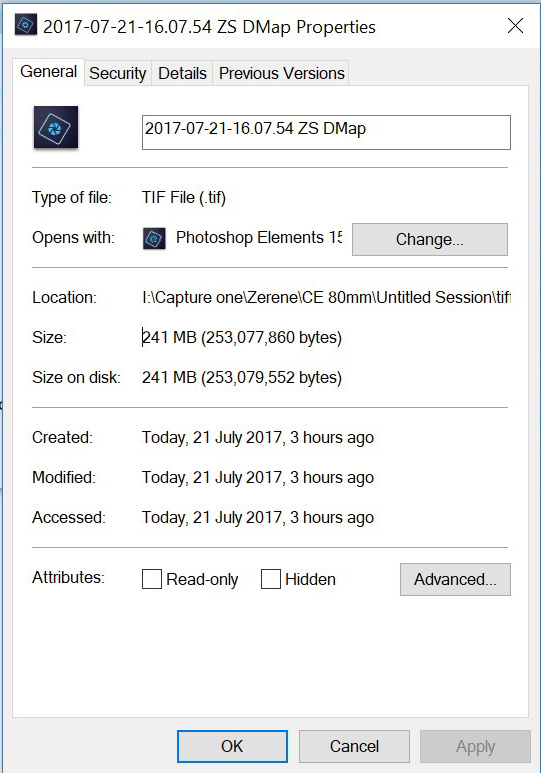 Edited by austrokiwi
07/21/2017 2:04 pm
|
|
Valued Member
United States
110 Posts |
Wow!
I'd like to see the image, but the largest TIFF file that I has successfully transported on my Email server is 22 Mb.
|
| |
Replies: 37 / Views: 7,871 |








 First Page

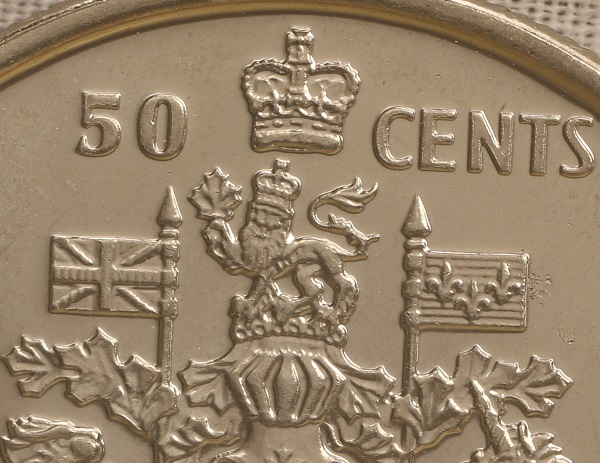
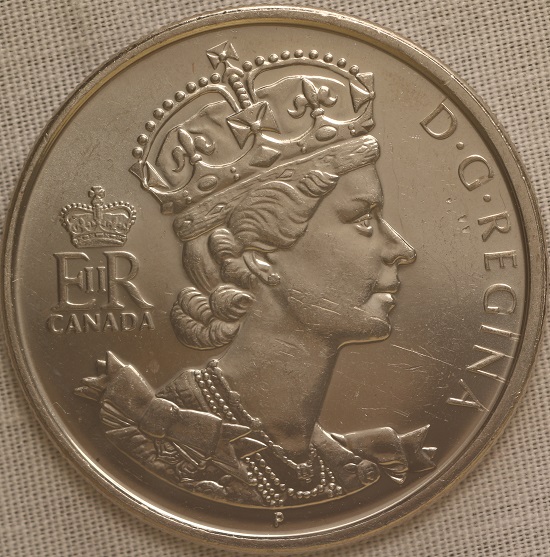
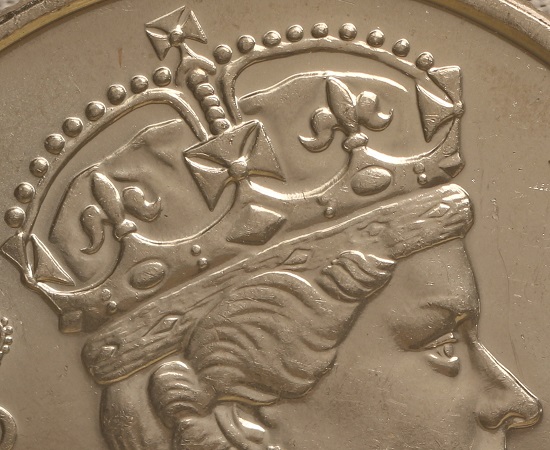
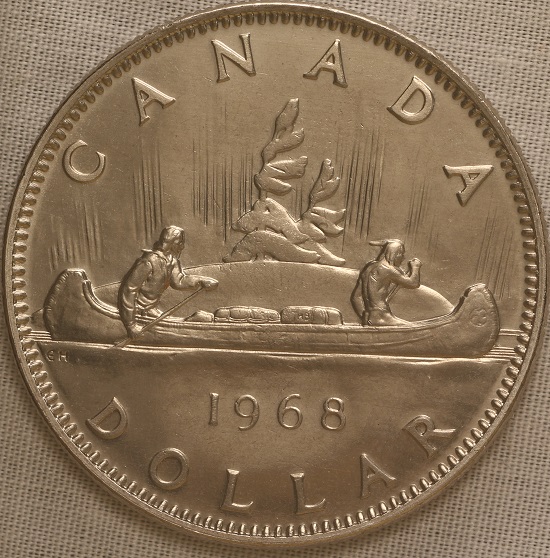

 Posted 07/12/2017 1:15 pm