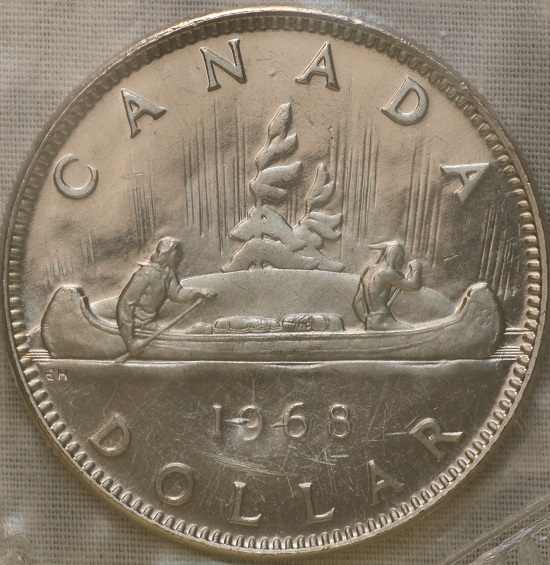
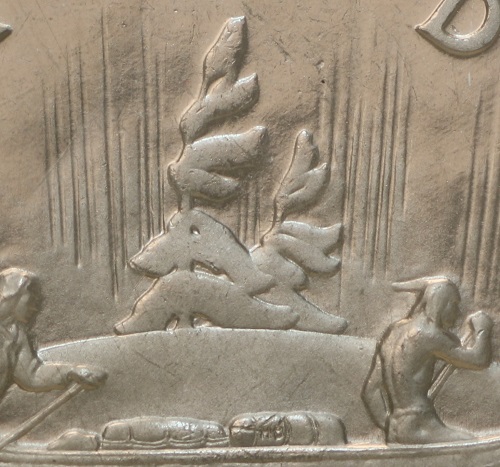
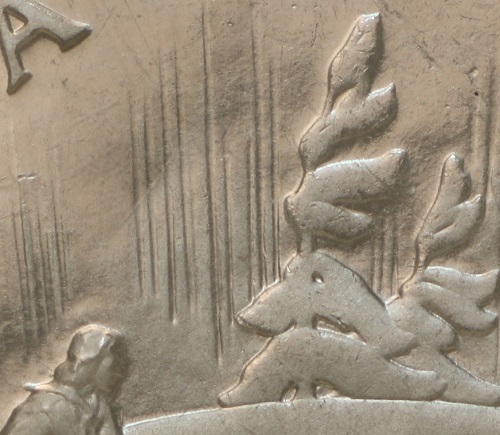
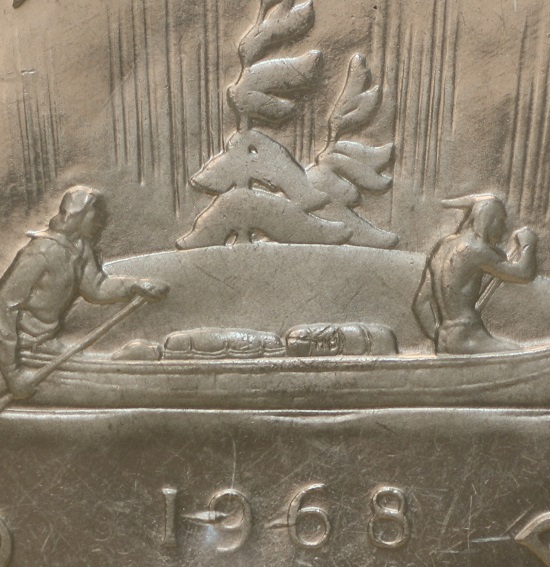
Hi Rocky. Yes some nickel Uncirculated sets up until about the mid 70s may contain one or more absolutely stunning "Cameo" (frosty) coins, where the effigy is frosted and the background is mirror-like. That's opposed to the much more common type - all brilliant (mirrored), aka brilliant over brilliant, where the term BU - Brilliant Uncirculated - is also derived from.
An original collection is apt to contain more Cameo examples because over time the best ones have likely been picked out whenever the sets go up for sale. The cameos grade higher than BU and are definately sought after and therefore worth more. And yes, cameo coins are created through the coin being minted with a new die, the beginning of the pack, so to speak. There's really no rhyme nor reason to what denomination of cameo coins a set might contain, whatever happened to have been packaged together at the time I suppose. And as they are rather uncommon, the mint never advertised the sets to be anything but BU.
Here's a good example of a Heavy Cameo that has been graded. In general, the depth of Cameos are rated/measured in degree from Cameo to Heavy Cameo to Ultra Heavy Cameo.
161200717661And you can notice the difference in value between lower and higher PL 1968 dollars. The higher grades will have a cameo effigy.
http://www.coinsandcanada.com/coins...ar-1953-1986As for the matte finish, perhaps someone can explain that better than me but it's totally different than anything ever issued in nickel Uncirculated Sets. Matte 1937 dollars are not mirror-like, the sheen of the finish is sort of muted and flat as opposed to polished or frosty/cameo.
Adding: I notice as I was typing away you posted some pics of the reverse of your examples. Frosting (cameo) is usually far more noticeable on the obverse side of a coin.
One thing to remember, the matte coins you refer to were silver, not nickel, and were minted intentionally as such.
Edited by wildflowerAB
06/28/2016 10:38 am




 Posted 06/28/2016 01:37 am