| Author |
 Replies: 7 / Views: 1,283 Replies: 7 / Views: 1,283 |
|
|
Valued Member
Canada
210 Posts |
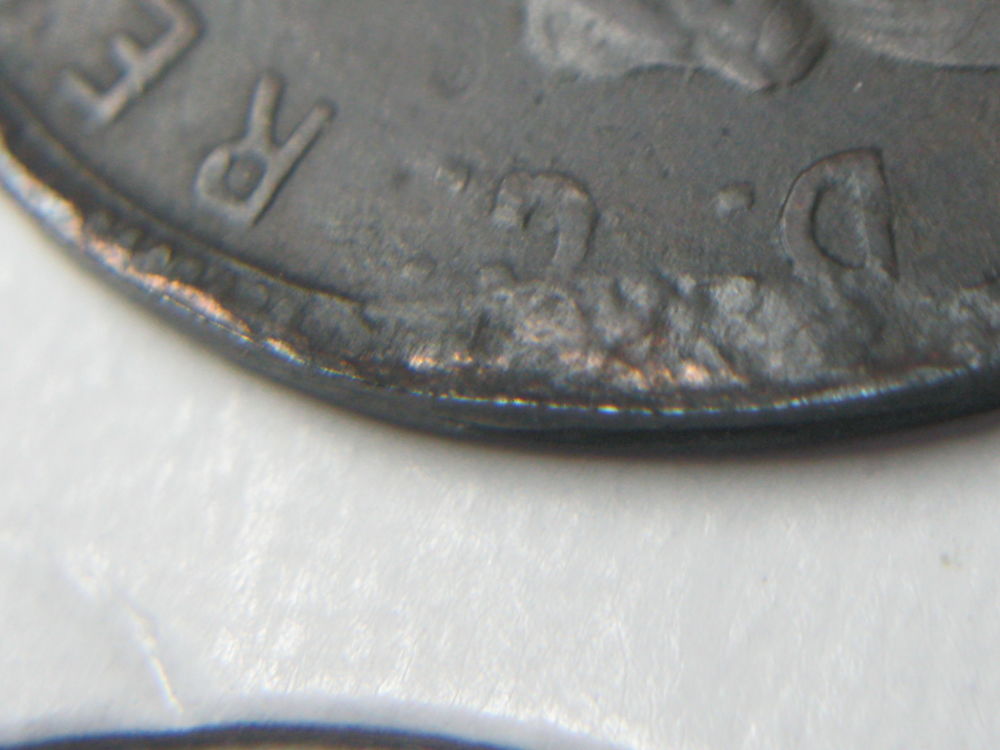
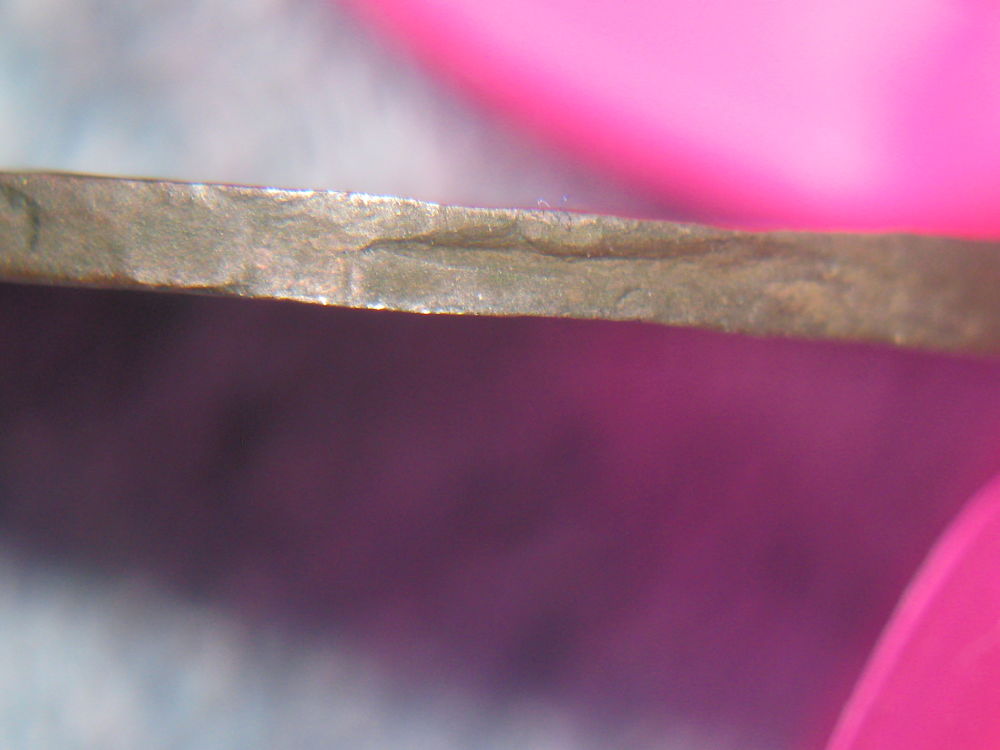
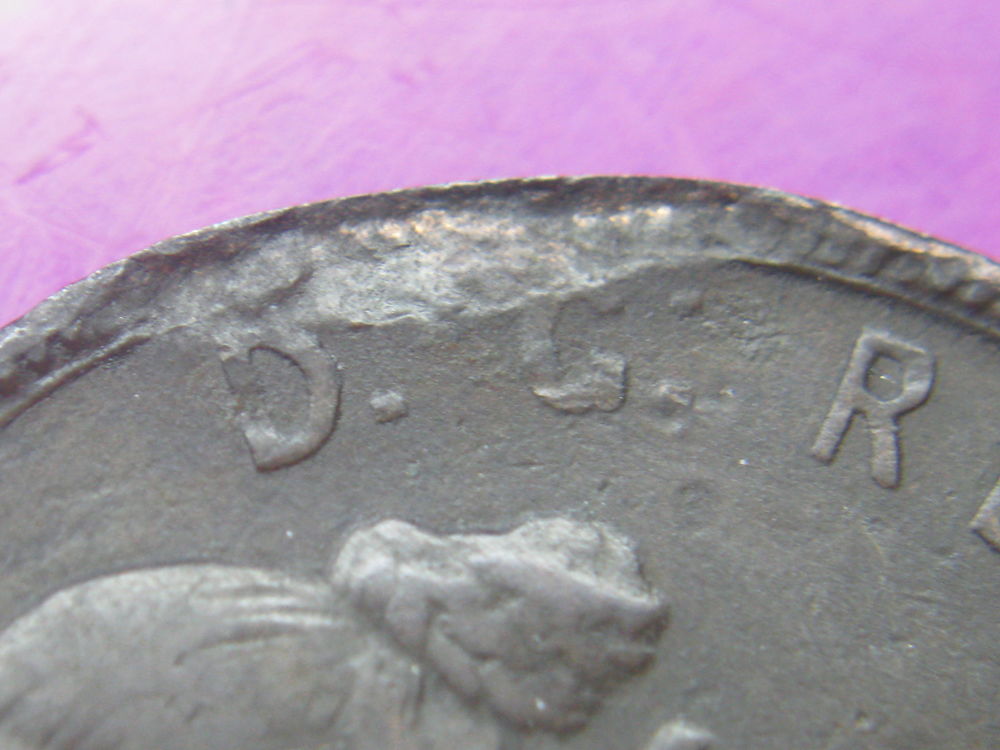
"Hey guys, I could use an opinion on this one. Just picked up a 1880 Newfoundland penny regular date. Could it be a Old ragged clip, or maybe a faulty planchette?I would not want to dismiss a coin as PMD, if it`s a legit error, Also,  would weighing it make a better determination? The knee jerk response would be PMD, but I`m hoping! Any answer would help, Thanks in advance! 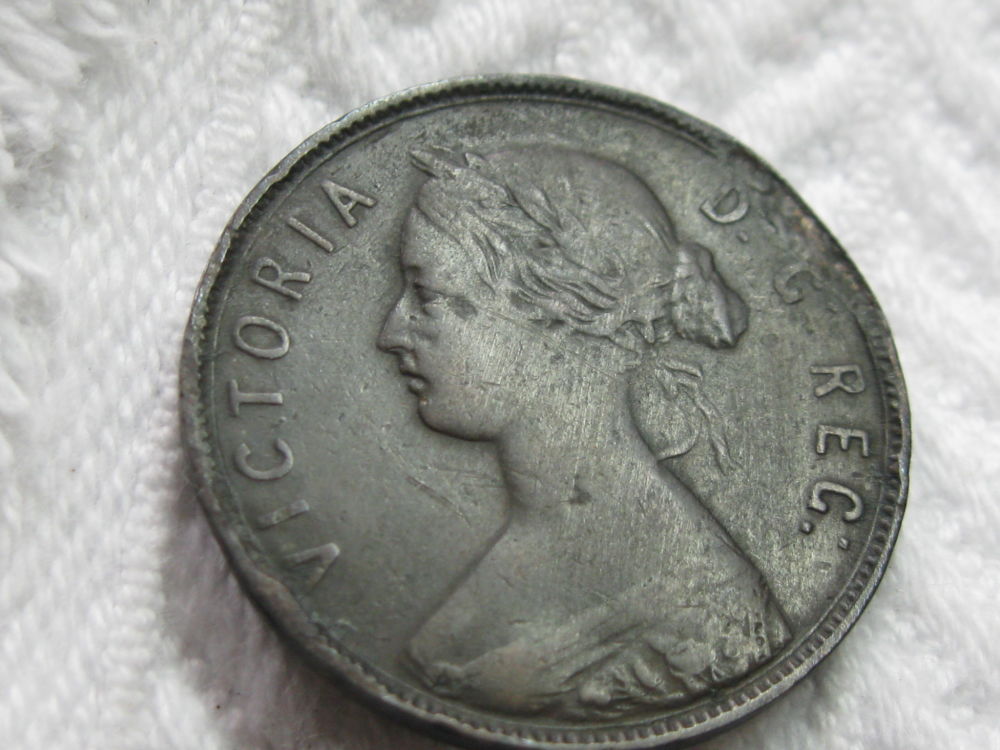 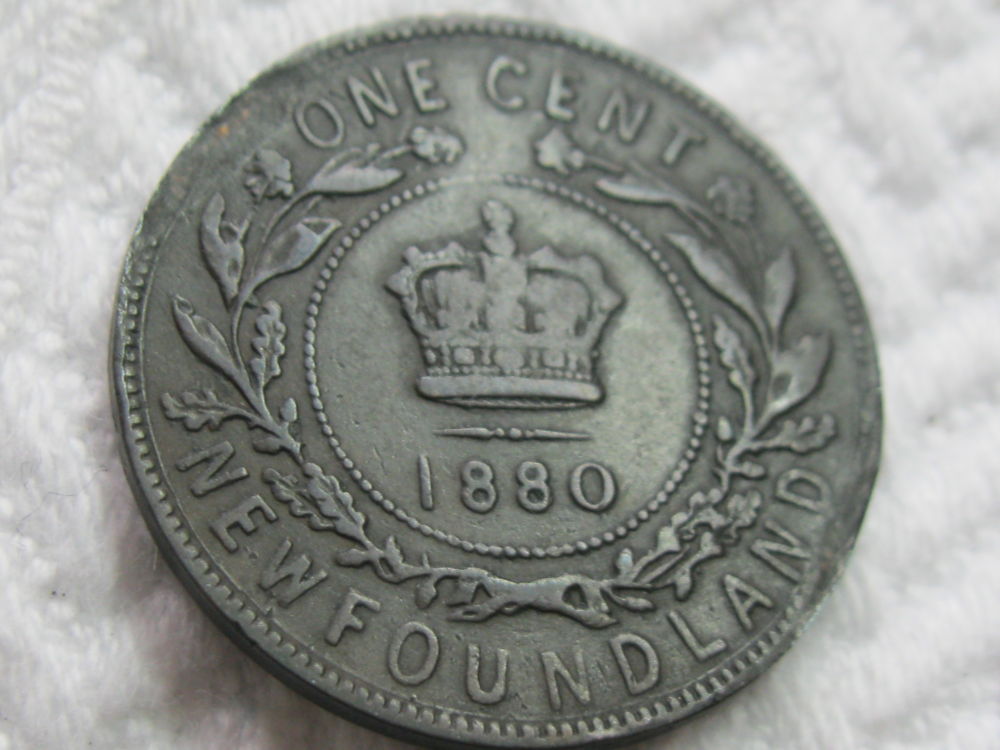 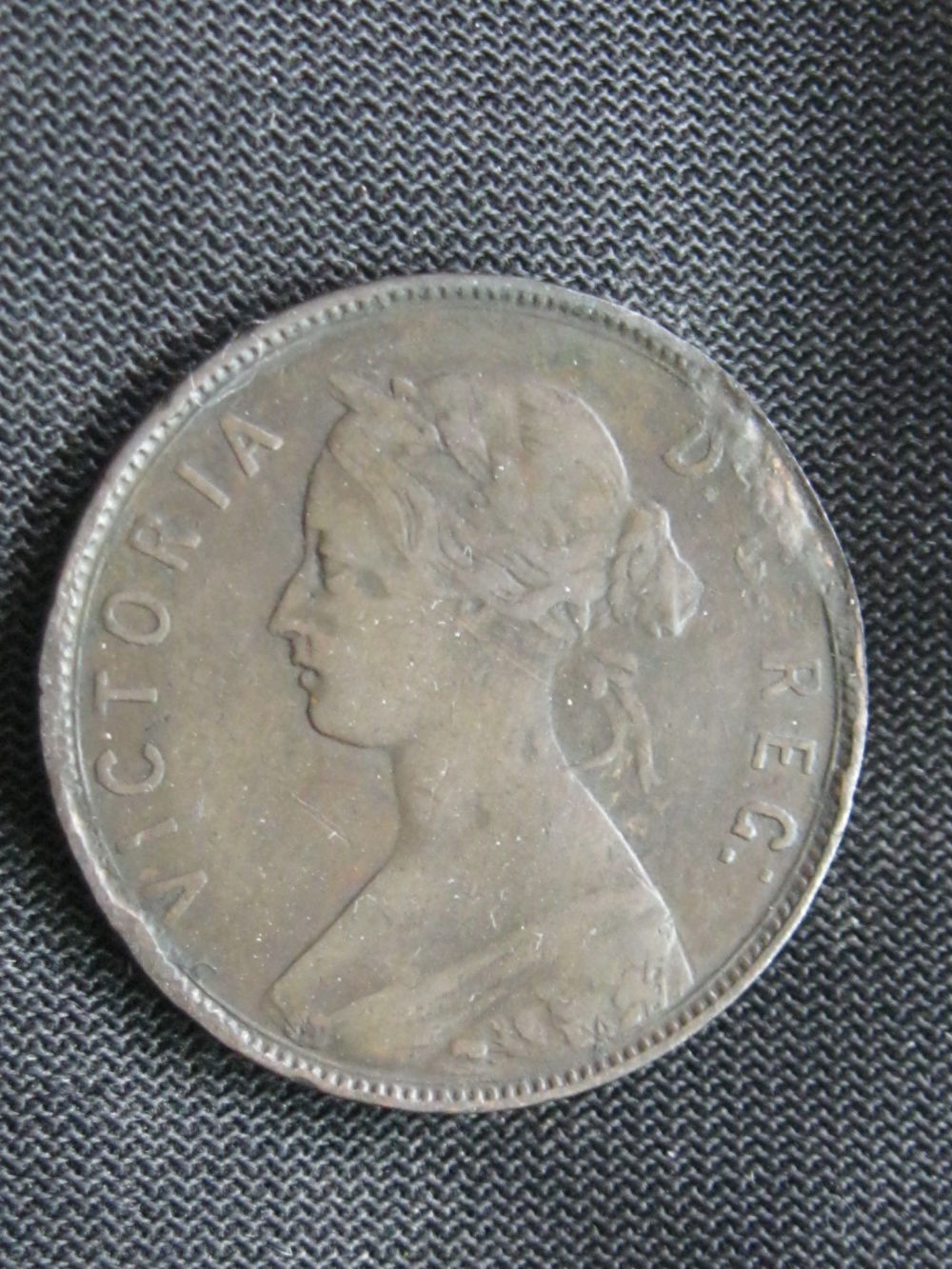 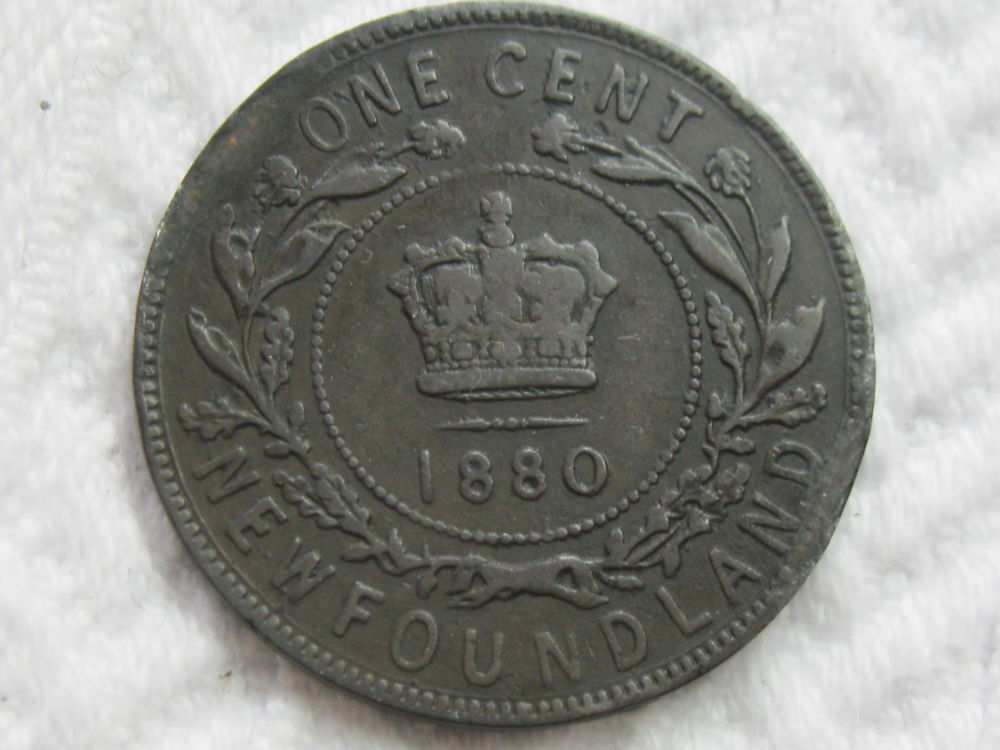 |
|
|
|
Pillar of the Community
Canada
1747 Posts |
I hate to say it but it might have too much wear on it to tell, it might have had an issue with the planchet, but now the wearing around the area (at least to me) is hiding any details
|
|
Valued Member
 Canada
210 Posts |
Would have been nice error in a higher condition, ok, thank you for your quick response. ace_ftw !
|
|
Pillar of the Community
Canada
4912 Posts |
definitely some form of planchet flaw..i can't tell if it some kind of thin area like a tapered planchet or or maybe a piece of the planchet chipped off before the strike. whatever happened to the planchet though was there before the blank's rim was upset since you can (i think) see the raised edge on the unstruck area. no matter what though, this coin was struck on an incomplete planchet of some kind since you can see a blakesy effect.
Feel free to call me Will.
|
|
Valued Member
Canada
210 Posts |
Yes, it does "rim up" inside the missing area, also, I too noticed a blaksy effect, which confused the heck of of me, because that 1s not usually associated with a planchet flaw! "Tnx, Dollorman,
|
|
Pillar of the Community
 Canada
9902 Posts |
My knee jerk reaction is PMD. There appears to be raised areas near the D and G, and the N and D. Metal should flow into the void rather than up from it. The coin appears to out of round,humping out at the C T area, rather than inwards. "Dipping" is not considered cleaning...
-from PCGS website
|
|
Valued Member
Canada
210 Posts |
|
|
Valued Member
Canada
257 Posts |
I would tend to agree with ace
Its very tough to see if there's actually any proof of a flaw...
Even the fact that the damage is directly across from each other (on a clock face) could be an indicator in either case.
|
| |
Replies: 7 / Views: 1,283 |
|










 Posted 07/21/2016 12:17 pm