| Author |
 Replies: 12 / Views: 2,327 Replies: 12 / Views: 2,327 |
|
|
New Member
United States
48 Posts |
|
|
|
|
New Member
 United States
48 Posts |
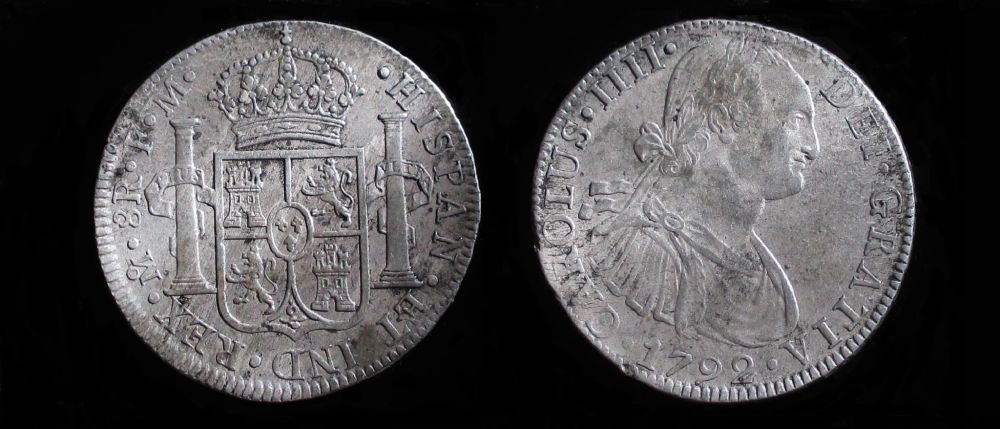
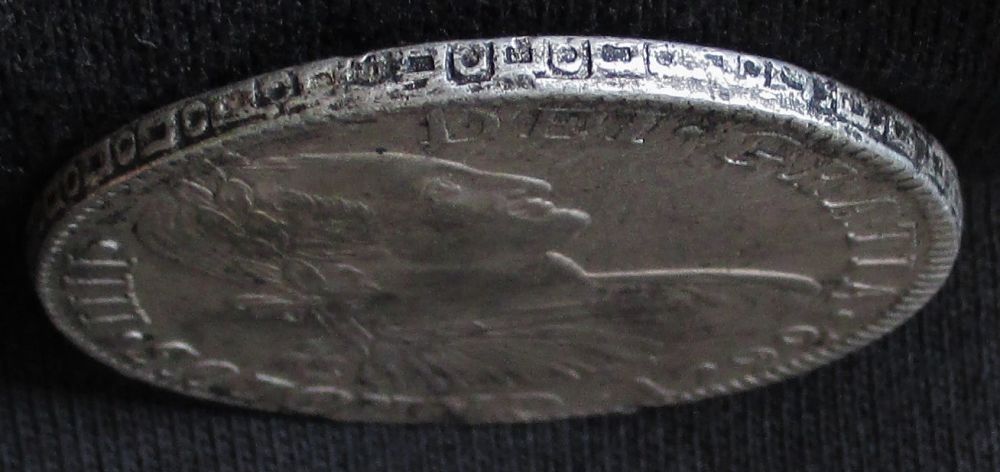
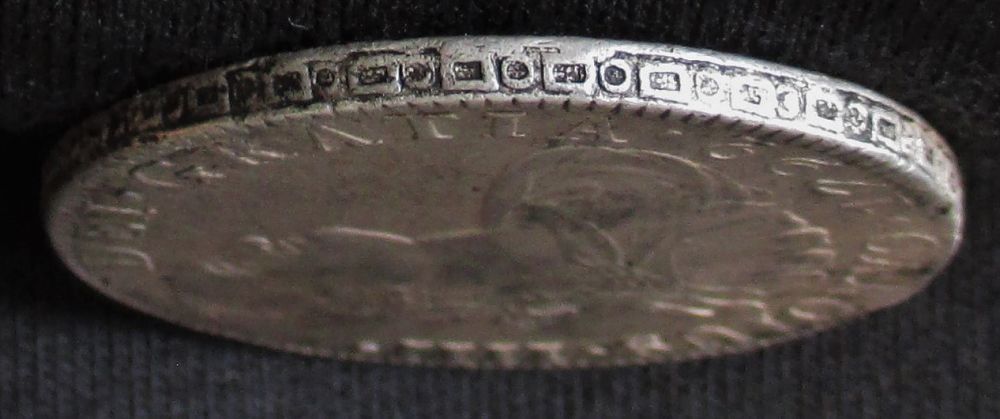
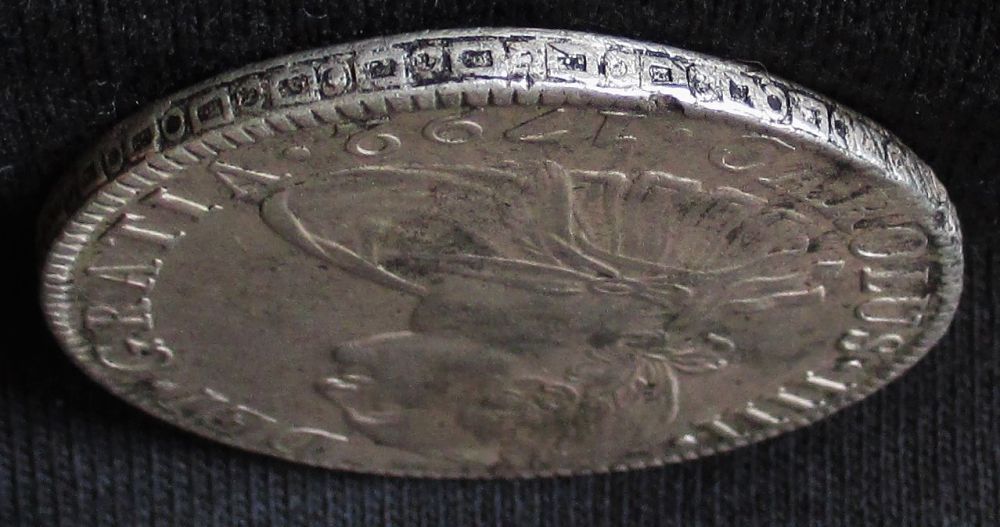
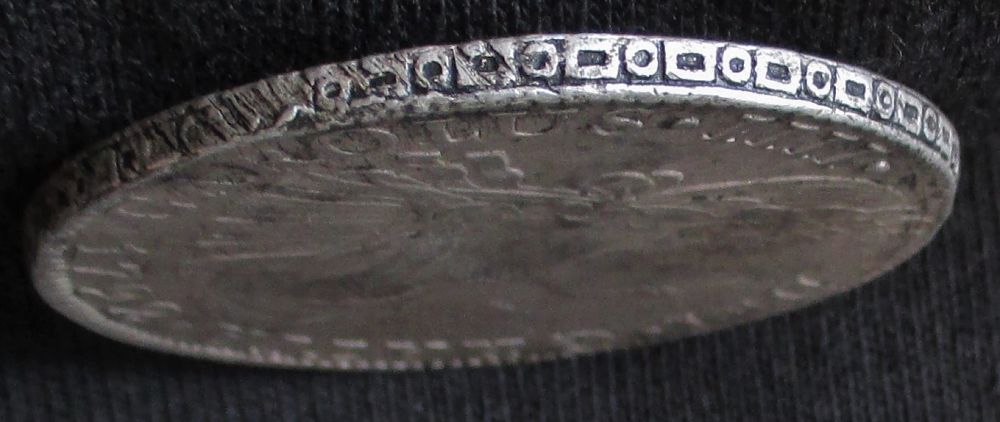
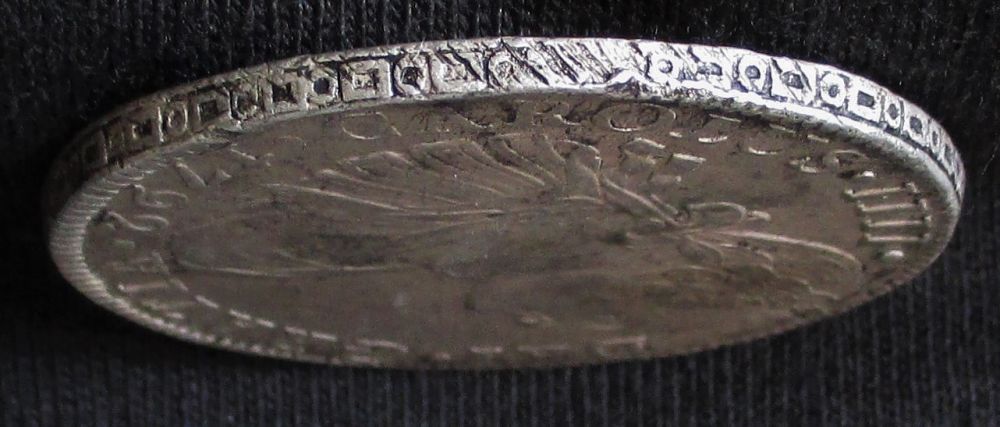
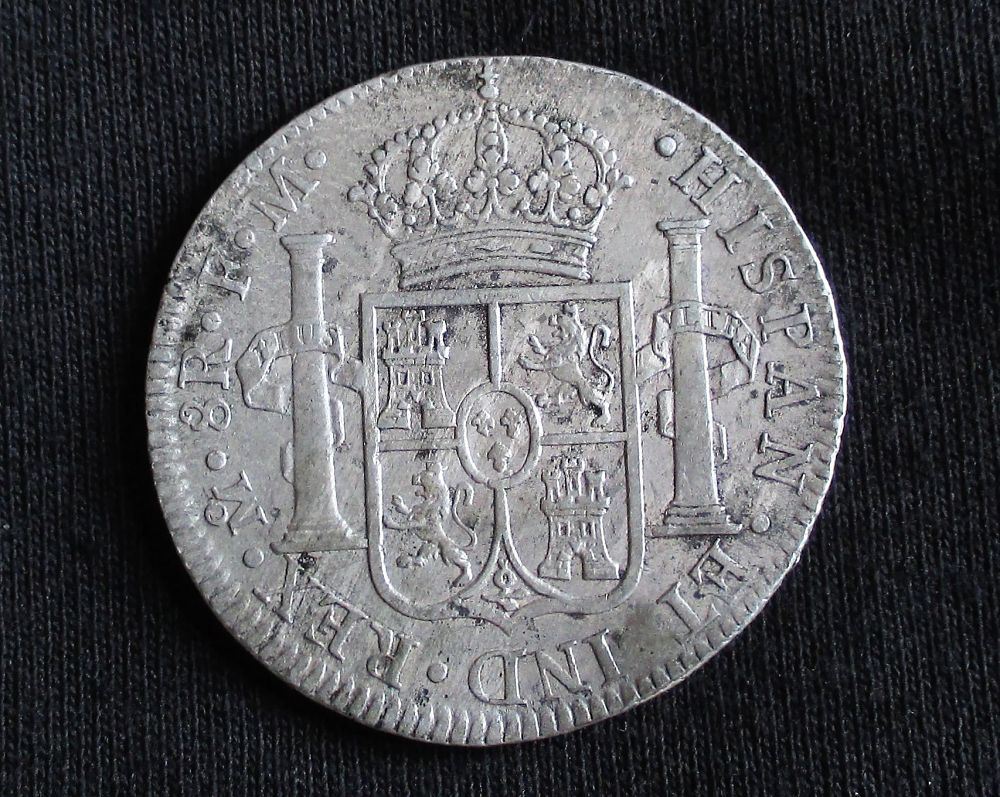
Also I'm curious if not a bit concerned about the tight parallel lines running along the reverse diagonally and have no idea what caused them.
|
|
Moderator
 United States
56855 Posts |
 to CCF. Just wondering what kind of camera you are using,great pics. John1  |
|
New Member
United States
48 Posts |
Thank you, John1. I used a Canon PowerShot ELPH115 IS for these photos. I've enjoyed this 16mp point-and-shoot camara for several years now after having lugged around an all metal and glass Pentax Spotmatic SLR film rig for more than a decade while learning the finer points of photography as a hobby.
|
|
Pillar of the Community
United States
4883 Posts |
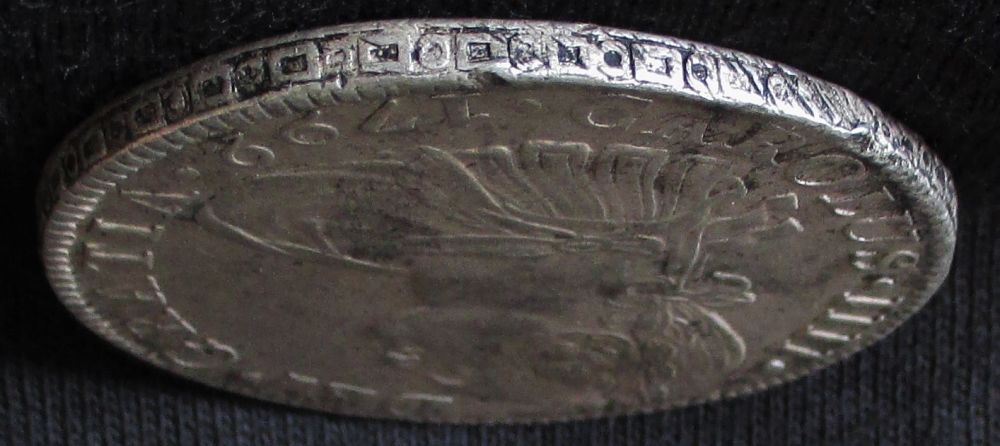
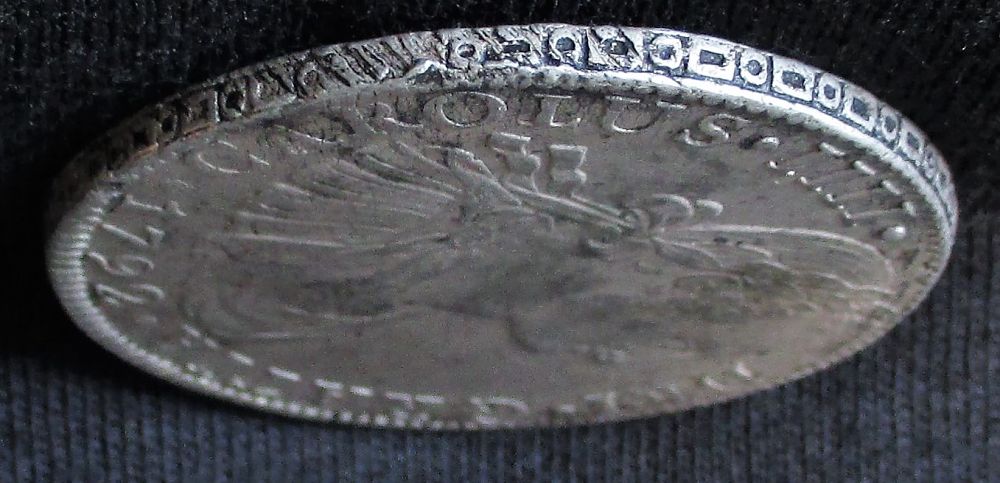
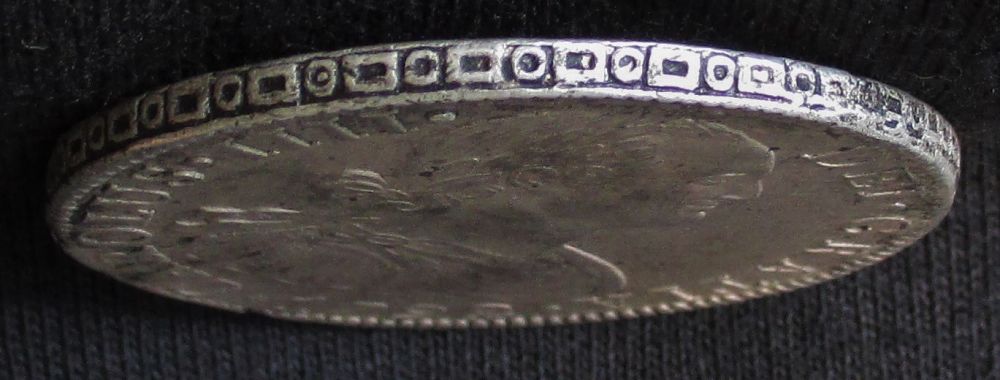
First off, welcome. It's so risky buying these raw on ebay. Not an obvious modern frogery, and the weight is acceptable, but what I'm not seeing are the clear overlaps in the edge pattern that I'd like to. Determining its specific gravity might be in order. Colligo ergo sum
|
|
New Member
United States
48 Posts |
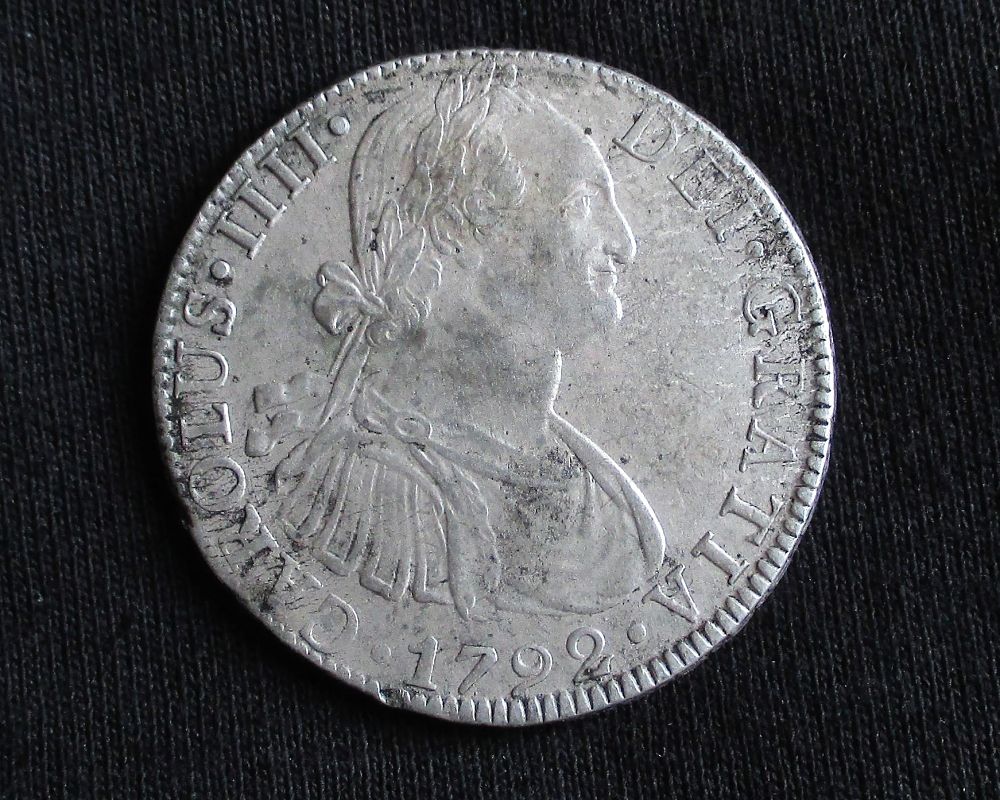
I believe looking at bust side, the overlaps are in the areas of 1-3 o'clock position, and partly under the scratches between 7-9 o'clock.
|
|
New Member
United States
48 Posts |
Ok back with specific gravity test results. Also tested 1922 Peace dollar and a 1889 Morgan as controls. Coin / Dry Weight / Submerged / S.G. Peace / 26.80g / 2.56g / 10.47 Morgan / 26.73g / 2.55g / 10.48 Pillar / 26.98g / 2.60g / 10.38 |
|
Pillar of the Community
United States
5362 Posts |
I believe the coin is one of the numerous made for China "Restrikes" that were made of silver over 85% pure and of correct weight. The diagonal marks are typical of those usually seen on this class of coin. These are also the variety that test as containing less than 0.2% of gold. These coins with very little gold can not have been made in Mexico City before 1850 - just NOT possible.
The S.G. of the two 900 fine coins is a bit high at 10.47 and 10.48 but they are consistent one with the other. The third coin SG = 10.38 if done at the same time and in the same way on the same apparatus indicates a difference of about the expected order of magnitude for one of the made for China restrikes. They were on average 85% - 90% silver. The reason they had to be over 85% was that they had to pass SG testing by the Chinese which was limited by the scale capability to 10 points (5 points either side of 900 fine).
Since this coin fits the parameters of a Chines trade coin based on visual clues and seems of have a specific gravity that supports the same contention - I would assign it to Class 2 Contemporary Circulating Silver Counterfeit. The XRF test would most likely confirm this result since there are more post 1850 survivors of the class than pre-1850 survivors.
XRF is the next test I suggest if you want to be sure.
|
|
New Member
United States
48 Posts |
What grade and value would best fit this coin? And if I decided to resell it I'd like to know more to be as fair in description as possible. I do like the historical aspect of a high quality 19th century counterfeit series sanctioned by our government to profit from foreign trade.
Edited by Diirizzyl
07/26/2016 09:14 am
|
|
New Member
United States
48 Posts |
Thank you, Swamperbob for the reply. I've spent most of the last several days reading threads back to 2008 on everything related to these coins and all of your ultra detailed responses. So much information to absorb! I'm going to visit a few coin and jewelry shops in my area to see if I can find a decent priced xrf test for Au content.
|
|
New Member
United States
48 Posts |
**UPDATE** I got the coin tested today at a coin shop in my area after much reluctance on the store owner's part. It was only after I articulated info I've absorbed from all the posts here on this forum about late 19th to early 20th century forgeries produced for trade with China by private companies did he gain enough curiosity to test the coin. It was as Swamperbob called it, 94-95% silver with copper and trace lead. No gold, so not likely an authentic Mexico City minted coin. I wonder now what kind of value for the common collector does this coin hold beyond its melt value? I'd still like to someday own an authentic Mexico City 8 reales, but definitely now feel much reservation about buying one, especially online, and find myself picking out suspicious details from photos I come across all the time now on ebay. Maybe I'll find a good one at a coin show. There are a couple close to me coming up soon. Thank you everyone for the information you've shared here regarding the portrait 8 reales history! Edited by Diirizzyl
07/31/2016 5:02 pm
|
|
Pillar of the Community
United States
4883 Posts |
My first reaction is that the silver purity is much higher than might be expected, and out of line with your previous specific gravity measurement. I'm not sure as to what conclusion to draw, though, other than it certainly wasn't struck in 1792.
Colligo ergo sum
|
|
New Member
United States
48 Posts |
Well I forgot the exact silver percent he said, but it was definitely somewhere between 90-95%
I didn't catch what he said and when I asked if he had something I could write the percents down with he said he'd rather I didn't and I decided not to press the matter further.
It was nice of him to test the coin when he said he only usually used his machine for his purchasing purposes.
Also I should mention that my specific gravity test wasn't made using the strictest of scientific protocol. I was as careful as I could be using filtered tap water, synthetic twine and a $60 Jennings digital scale.
Edited by Diirizzyl
07/31/2016 6:26 pm
|
| |
Replies: 12 / Views: 2,327 |
|









 Posted 07/25/2016 05:24 am





