| Author |
 Replies: 21 / Views: 4,331 Replies: 21 / Views: 4,331 |
|
Valued Member
Canada
210 Posts |
Here is a recent purchase, a 1961 cent, with what I would call a super example, (almost too good), of a Struck Through Grease error,am I wrong? Please let me know why you think so, also, I suspect it to be a Chinese counterfeit, because of the very low price I paid. please let me know your thoughts on this, since Chinese counterfeits have now been seen in the Canadian error"market.When I receive the coin, I will do further checks, such as the edge smoothness, and weight. 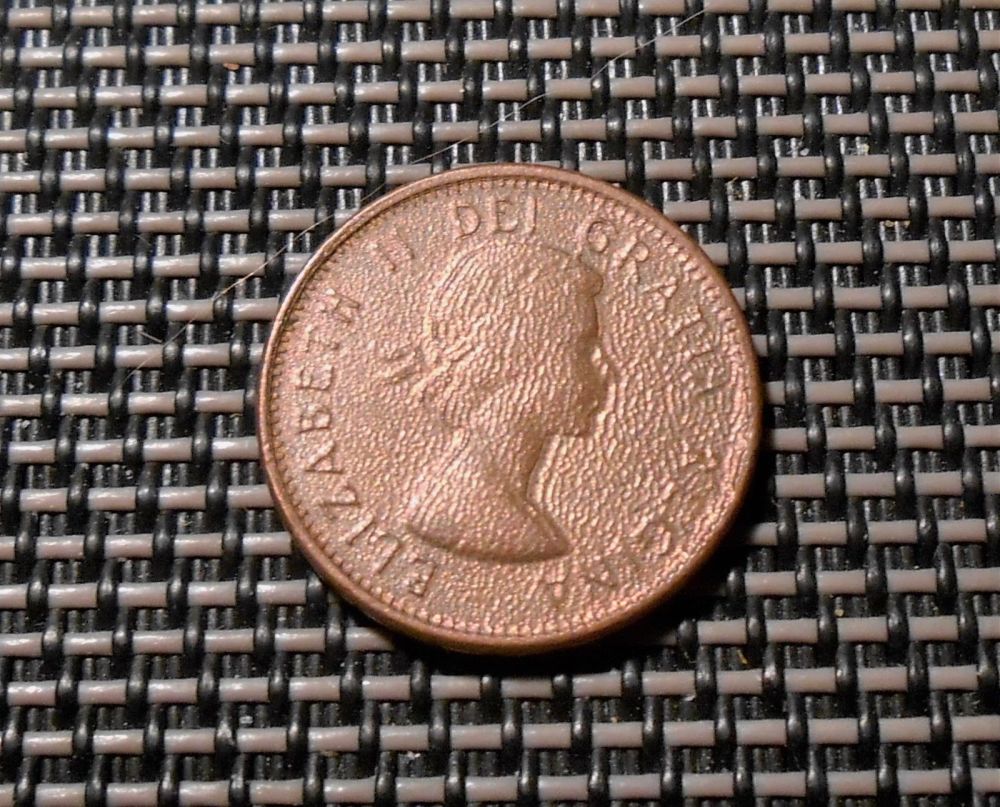 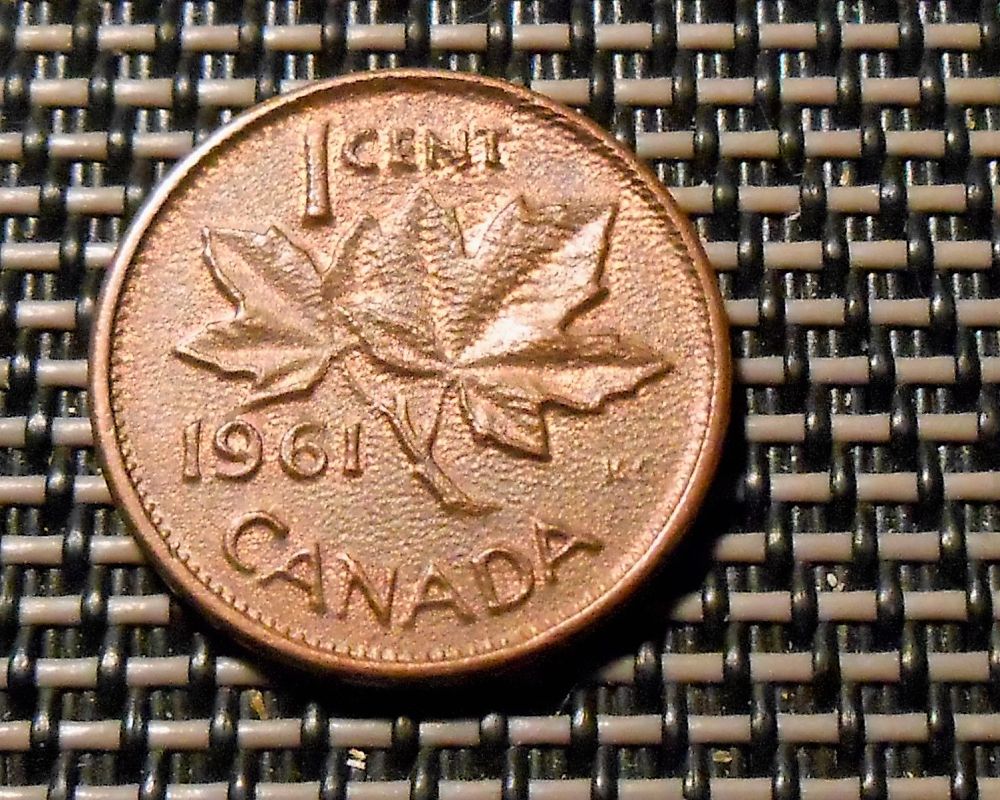 Edited by KoolKat
08/07/2016 3:00 pm
|
|
|
|
Pillar of the Community
Canada
581 Posts |
I'm going to say, sadly it is not struck through anything. Looks like either a pitted (dug up) coin, an acid bath gone wrong, or a washing machine/dryer coin.
Others will hopefully be able to shine more light on this coin :)
All the best,
Kev
|
|
Pillar of the Community
Canada
695 Posts |
I have read in a coin publication that this effect can be achieved using a wire brush on a grinder. I've never tried it, but it sounds reasonable. Definitely PMD in any case. |
|
Moderator
 Canada
10478 Posts |
Post mint damage... try weighing it, it should be a tad light.
"Discovery follows discovery, each both raising and answering questions, each ending a long search, and each providing the new instruments for a new search." -- J. Robert OppenheimerContent of this post is licensed under a Creative Commons Attribution-NonCommercial 3.0 Unported License. See: http://creativecommons.org/licenses...0/deed.en_USMy eBay store
|
|
Valued Member
 Canada
210 Posts |
wire brush? grinder? I don`t see those kind of marks. All I did was compare this type of surface to the stock photos of rippled coins , on other coin sites, as well as reading older posts here, at this forum, to try and make a conclusion, on whether it is an actual " Struck Through Grease" error. So, in my opinion, the coin looks like a rippling error, so far.. SPP Ottawa, could you please elaborate on why you dismiss this coin so fast? What exactly makes you so convinced that it`s Post mint damage? I intend on weighing the coin, when I get it in hand, should it prove out to be light in any way, or if the outer edge is effected, I will know for sure. thanks. |
|
Pillar of the Community
Canada
5343 Posts |
Looks like an acid treated coin
|
|
Valued Member
Canada
210 Posts |
I`ve seen acid treated coins, they lack detail on the legends, the legends on this 61 coin don`t seem to be missing any metal, also, if you look at the edges you will notice there is no "effect there, acid would eat the edges,as well wouldn`t it? these ones are smooth. Why does it look so similar to the rippled 57 penny on the "Coins and Canada site? it could be it`s twin! LOL
|
|
Pillar of the Community
Canada
1984 Posts |
Whatever it is, this is the same I think. If the link doesn't work, search the forum on "odd 1942 Cent". I still have this one. https://goccf.com/t/108894 |
|
Valued Member
Canada
210 Posts |
Great thread, Small cent guy, very interesting effect, on pennies, I wonder if anyone`s ever seen that on larger denomination? Thanks guys, for all your input!
|
|
Pillar of the Community
Canada
1487 Posts |
Rolled in a rock tumbler.
|
|
Pillar of the Community
 Canada
9909 Posts |
Perhaps the coin suffered more than a single indignity.
The pinkish colour, and lack of patina, especially prominent in the obverse pic, sure makes the coin look like it was freshly treated to an acid bath.
"Dipping" is not considered cleaning...
-from PCGS website
|
|
Moderator
Canada
10478 Posts |
Quote:
SPP Ottawa, could you please elaborate on why you dismiss this coin so fast? Because there is nothing on the dies that even comes close to that pattern, and most certainly is not a strike-though (strike-through on both sides are uncommon, except maybe for grease/oil). The rippled effect you get from a capped die strike is complete different... I have lots of examples of coins like this, seen lots of examples... it can be created by a harshly whizzing brush, or even a blow torch. A few more examples: https://goccf.com/t/110075https://goccf.com/t/256030https://goccf.com/t/227316Mike Diamond also provided a similar explanation here, and other members have posted their extreme examples in that thread: https://goccf.com/t/68438Quote:
This coin was altered outside the Mint. Exactly how it's done is subject to debate. Traditionally it's been linked to the use of a rotating brush. Two points here: 1. Collecting coin errors means embarking upon research to do so successfully. Did you even try to use the CCF search engines to research your question? Several people gave you the answer, but that does not mean we need to do your homework... 2. Instead of trying to figure out what this is, try to imagine the coin striking process, and how something like this could happen to a normal planchet, struck by high pressure dies within the striking chamber. If you can't then chances are it is not a legit striking error. "Discovery follows discovery, each both raising and answering questions, each ending a long search, and each providing the new instruments for a new search." -- J. Robert OppenheimerContent of this post is licensed under a Creative Commons Attribution-NonCommercial 3.0 Unported License. See: http://creativecommons.org/licenses...0/deed.en_USMy eBay store
|
|
Valued Member
Canada
210 Posts |
Well, you are the experts, and did not intend on causing any trouble, I just wanted a little more explanation. You all have your opinions, which I respect, but I have mine.What would this world be if everyone agreed with everyone? Sorry, I`m still not convinced by the explanations given on the coin! I just cant see a grinder, wire brush, acid, or even a blowtorch do whats on my coin, not good enough. All your examples are NOT a match to my coin.the only examples that match, are Small cent guy`s , and the 1957 rippled penny on Coins and Canada.Thanks for your input.
|
|
Pillar of the Community
Canada
5343 Posts |
There is a reason this coin sold for a very low price
|
|
Pillar of the Community
Canada
1747 Posts |
Kool Kat, what do you think the error is? how do you think this was caused? SPP makes one perfect point, how could your coin come out of the die press like that?
the divets (craters) on the coin do not match up with anything on the die surface.
the only thing this could be struck through is a wet sponge.
|
|
Pillar of the Community
Canada
2632 Posts |
I agree its not a blow torch wire brush or acid. If it was struck through anything then I would say..not a sponge but hydraulic fluid. The high grade fluid used in a press is capable of moving metal as it tries to escape the force of the strike. Frankly hydraulic fluid is seldom if ever mentioned on error websites and I'm not sure why as its in every press and a leak would easily cover both dies if leaking from above the hammer. Now I'm ready for my CCF floggin..  ..have at er. |
| |
Replies: 21 / Views: 4,331 |




 Posted 08/07/2016 7:10 pm





