| Author |
 Replies: 13 / Views: 2,096 Replies: 13 / Views: 2,096 |
|
|
Pillar of the Community
United States
2408 Posts |
Are RCM Marketing tactics working? It would seem so. 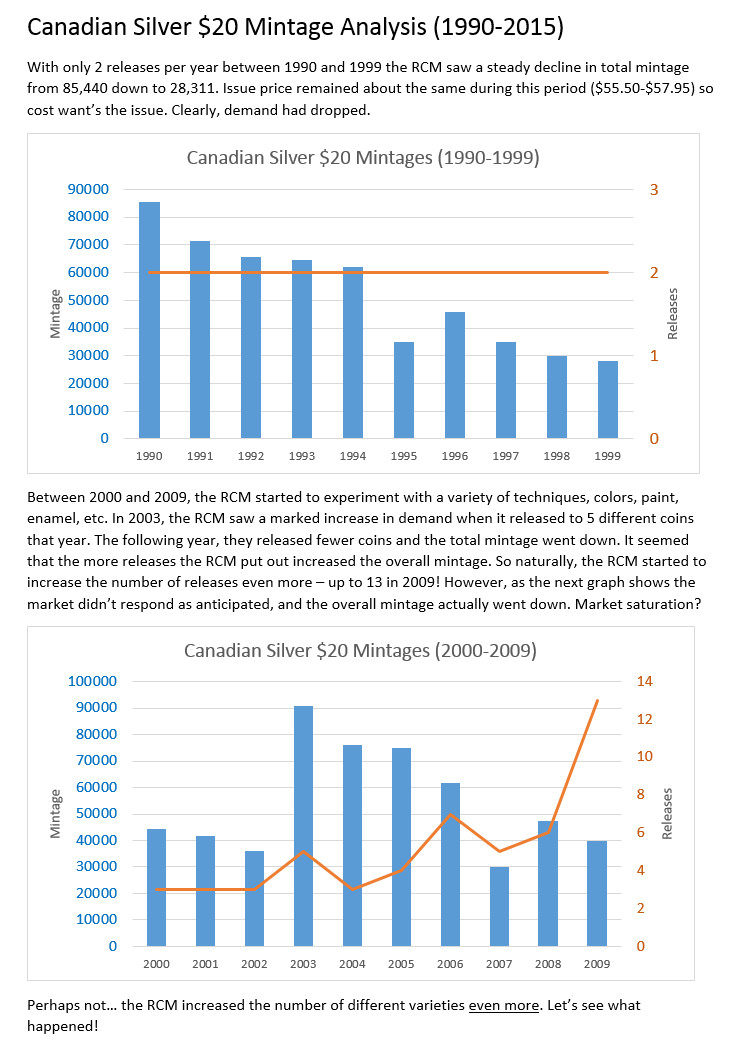  Data shows that the RCM is doing the right thing. Despite our "occasional" complaints about too many releases, it would seem that they are doing pretty well. How long will this trend continue? Edited by canadian_coins
09/03/2016 8:59 pm
|
|
|
|
Pillar of the Community
Canada
2845 Posts |
Canadian_coins, your analysis of $20 NCLT is very interesting. The number of $20 releases since beginning about 2012 is almost mind boggling and as I recall this coincided with RCM changing from quarterly to monthly releases. Ideally, continuing with lower mintages and greater releases would seem to be a viable solution. However a great unknown comes into play. Only if # of collectors are increasing to the same scale would this be feasible, but otherwise if it's the same buyers just buying more.... It's my theory that too much buying tends to quickly lead to collector burnout within a few short years, especially when themes become repetitive, resulting in exit and sell - which in turn devalues past releases and discourages current collectors. RCM continuing to increase prices works against them as well, the higher the price, the more room to fall. Churning more and more new collectors as more and more existing depart ultimately becomes a losing proposition. In any solid business model, retaining existing customers should be the primary focus. For whatever reason, RCM appears to mainly dwell on aggressive marketing tactics and sell, sell, sell. Edited by wildflowerAB
09/03/2016 9:55 pm
|
|
Pillar of the Community
 United States
2408 Posts |
Thank you for your inputs wildflowerAB.
I didn't analyze the other denominations because the $20 seemed like the right NCLT to investigate. However I suspect that the same observation can be made at large.
Electronic marketing, social media and ease of access to information coupled with potential quick profits have changed the landscape dramatically. I think gender might have played a role here. Why?
Because we have moved in an era of artistic appeal, of something that is different and unique. Pretty. Glittering. Vibrant. Colorful. Meaningful.
Let's face it, circulation coins are masculine: technical and downright boring. Here comes along the modern NCLTs and data shows that indeed... we now have a whole new segment of "collectors".
This is actually quite interesting to observe.
|
|
Pillar of the Community
Canada
2845 Posts |
I agree, I'd also expect trends for other denominations to be quite similar. The downfall in the '90s is further indication of the significant transition in collectors over time. The peak in terms of Cdn coin collecting is said to have been during the '60s, also evidenced by the vast amount of Uncirculated Sets sold during that decade. But by the 90s those longtime collectors began to sharply dwindle away, mostly because of age, and fewer and fewer new collectors were awaiting to take their place.
|
|
Pillar of the Community
United States
2408 Posts |
wildflowerAB, speaking of new collectors...
I will not live long enough to see this, but... one can imagine a future where conventional "money" is completely replaced by electronic money. Good or bad, this science fiction roadmap is perhaps inevitable. There could be pockets of resistance here and there, but in the end, all will fall in. Governments, businesses, people.
A few years ago someone argued that it would be impractical to pay for a newspaper with a debit or credit card, thus the need for cash. Well, guess what? Newspapers have been replaced with iPads. Somehow, the future finds its way.
Fast forward 50, 100 years to a world where there is no need for coins. You'd probably see a steady decline in new coin collectors and at best the coin market would stagnate. At worse, the market would completely collapse because all serious collectors would rush to sell in order to protect their investments.
The countless caribous, beavers and loonies will no longer be of any interest to anyone. As collectors jettison their stash these coins will be so abundant that perhaps only rare varieties will matter.
So this brings us back to NCLTs.
In a futuristic world like this, NCLTs might fare better because they will offer something that people can relate to. A theme and a place in time that is more than just a "date". Since NCLTs aren't meant to be spent they might actually survive the transition.
|
|
CCF Master Historian of Commemorative Coins
 United States
12637 Posts |
@canadian_coins: Very interesting analysis, thanks much for sharing!
I enjoyed looking through the graphs and digesting the data each presented. My kind of post! I always enjoy "deep dives" into the coins I collect.
A question.
Do you think the fact that the $20 coins issued during the 1990s were all part of an ongoing series (commemorating aviation achievements and pioneers) was a major factor behind the decade's declining sales? If so, I wonder what the data would have looked like if the same number of issues had been released but with more theme variety?
I tend to think that long-running NCLT series have a hard time maintaining momentum whether it is due to "fatigue" among those who started the series or because new collectors do not want to jump in midstream. The 1990s saw two consecutive series of aviation-related $20 coins and your charts clearly show the distinct decline in sales between the 10 coins of Series One (1990-1994) and Series Two (1995-1999).
Thanks again for the though-provoking post!
Collecting history one coin or medal at a time! (c) commems. All rights reserved.
|
|
Valued Member
Canada
192 Posts |
Thank you Canadian Coins for the terrific breakdown, formatting and graphs and all! Thanks also to WildflowerAB for the interesting conversation you two are having. Wow, 57 $20 coins in 2014? At least I know when I 'waste' my money with RCM I'm keeping lots of people employed! :) |
|
Pillar of the Community
Canada
2845 Posts |
You're welcome NeoSpec. Canadian_coins obviously put a lot of effort into compilation of this data and as a number-cruncher myself, the speculation in terms of analysis of it is equally interesting. Quote:
In a futuristic world like this, NCLTs might fare better because they will offer something that people can relate to. A theme and a place in time that is more than just a "date". Since NCLTs aren't meant to be spent they might actually survive the transition.
Perhaps a cash register might be the thing to save?  But I agree, a cashless society is approaching some day and I think it will occur by international big box chains gradually refusing to accept cash as inflation marches on while the largest denomination is never increased beyond $100, as spending power of the dollar continues to erode. Already we need more than 8 of them, when one would have sufficed in 1960. Or 41 $20s, instead of 5. http://www.bankofcanada.ca/rates/re...-calculator/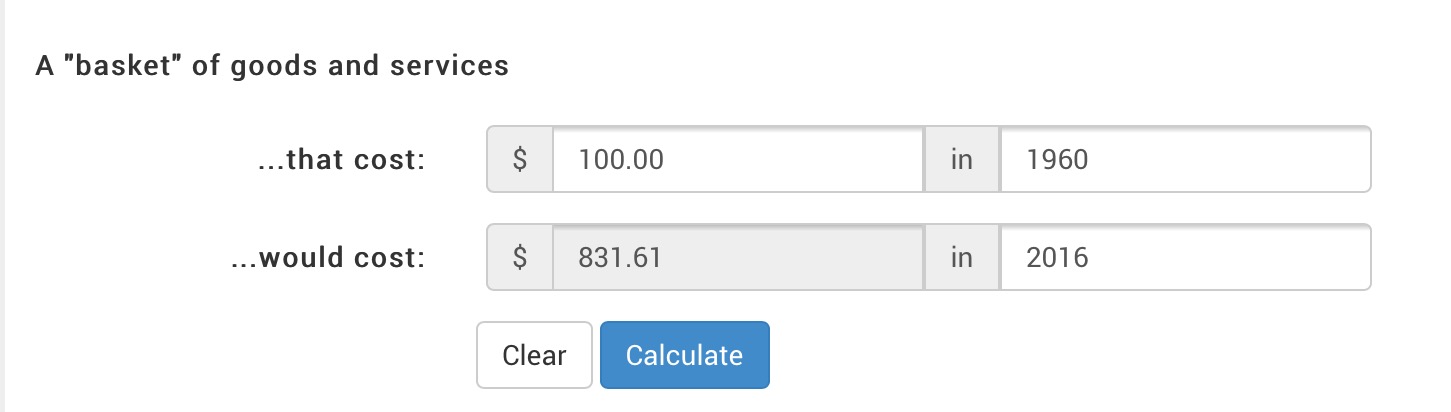 To Commems comment, during the '90s the sale of other popular RCM products such as the Silver Dollar and Proof Sets also significantly decreased. In my opinion it was an important turning point by RCM to seek to attract a new segment of younger collectors. My RCM account notes that my first online order was in 2008. The Internet was also an important selling tool because prior to that it was either coin shop or mail order. Does anyone know what year RCM's website was created? 2008 or was it earlier? The reason I wonder is because RCMs sales surely should have sharply increased about the same time. |
|
Pillar of the Community
United States
2408 Posts |
Quote:
Thanks again for the though-provoking post! My pleasure commens. Like Isaac Asimov one said "People who think they know everything are a great annoyance to those of us who do." The fatigue was palpable in the mid-90's in terms of coins collecting in general. Coin shows were stagnant. There was very little to talk about. Along with the late 80's these years were the ultimate "boredom" of numismatics. The bobby was perplexing. Came the TPGs - but that's a different topic... The emergence of the web in 2000's created an affluence of opportunities for smaller sellers and buyers. The buying power had shifted (with some caveats of course). This was a good thing, and still is. Back to commens question, I think the RCM could not have done it differently because times were different. One or two NCLT releases per year were perilous enough. They did the right thing. BTW - For what it's worth: NCLTs of the 80-90's are of superior quality. |
|
Pillar of the Community
United States
2408 Posts |
Commems, the RCM could not do differently back then. These were the dark ages for numismatics. The Ultimate boredom IMO. But NCLTs cannot be singled out. Case in point: Say you invested $1 in 1948? 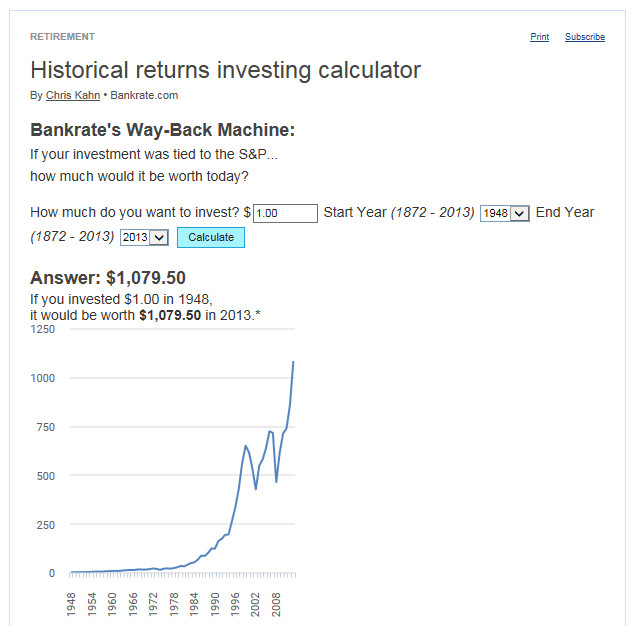 This would buy you a nice AU-55 1948 dollar today. But then if you sold and re-invested the amount in 1969... 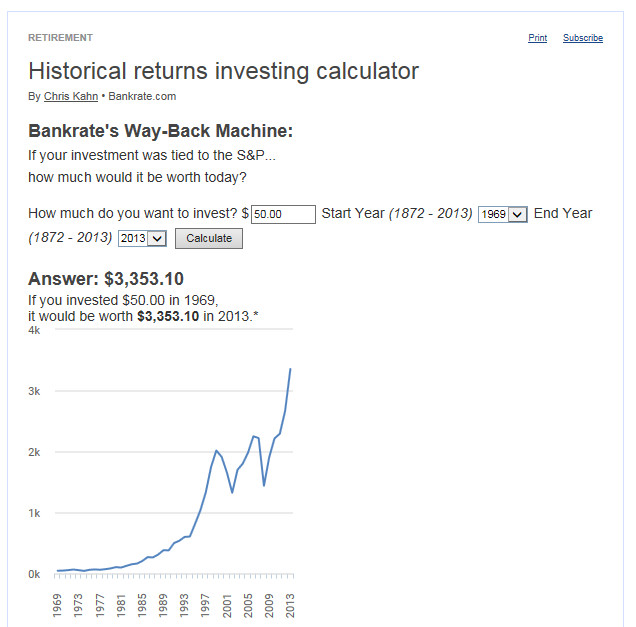 As of today, this 1948 dollar is highest ebay coin on sale. You would lose... http://www.ebay.com/itm/1948-Coin-M...AOSwXrhXmj09Now imagine a dollar invested in 1947 or 1949... Edited by canadian_coins
09/05/2016 11:44 pm
|
|
Pillar of the Community
Canada
2845 Posts |
And instead, if in 1948 that person had bought a dollars worth of gold at $34 /ounce, a couple of small nuggets I suppose, at today's gold price, that dollars worth would have grown to about $2600, still less than had it been invested. But of course interest rates were far higher for most of that period than they are now.
|
|
Valued Member
Canada
192 Posts |
Okay, it's probably far too simplistic, but don't about half of "investements" fail to meet the S&P index, while there is also spread on the upper side as well? Anybody looking for certainty will end up on an infinite journey or at some point fooling themselves. It's fascinating to look back at this data and extrapolate what would have worked best, don't get me wrong, but I'd say if you like the object personally and have the money to "spare" (i.e. not needed for food, rent or utilities and the like) just get it and enjoy it.
If you ever "need" the monetary value back from your investment, chances are it will have devalued. On the plus side, you're never getting a dime or even a penny back on many of your other luxury expenditures (i.e. dinner out, movie, bed and breakfast or spa...) so if I should ever need to unload some or all of my collection I expect to be thankful for both the time I was able to enjoy it, as well as whatever meagre returns I might get from the disbursement.
|
|
Pillar of the Community
Canada
2845 Posts |
Quote:
.....I'd say if you like the object personally and have the money to "spare" (i.e. not needed for food, rent or utilities and the like) just get it and enjoy it.
If you ever "need" the monetary value back from your investment, chances are it will have devalued.
 On the circulation side of things, it's been well proven numismatics should not be considered an investment because the hobby been around for decades. in the case of NCLT, it has attracted new coin enthusiasts. However I'd say the investment aspect does not belong on the table because the total quantity of NCLT is virtually unlimited. It's ever increasing because RCM never stops producing it. It has no opportunity to become rare as more and more are manufactured each year, themes become repetitive, new issues soon become old and get added to the total NCLT pool that continues to grow and grow. Nothing is to stop RCM from minting another Ladybug, this time resting on a maple leaf. But another round of 1948 SDs will not occur. Enjoy it for what it is, but best to consider it money spent to avoid disappointment. |
|
Pillar of the Community
United States
2408 Posts |
Quote:
But another round of 1948 SDs will not occur. No need. Plenty are being discovered every day... |
| |
Replies: 13 / Views: 2,096 |
|







 Posted 09/03/2016 10:27 pm


