| Author |
 Replies: 10 / Views: 9,998 Replies: 10 / Views: 9,998 |
|
|
New Member
United States
48 Posts |
|
|
|
|
Pillar of the Community
Canada
2187 Posts |
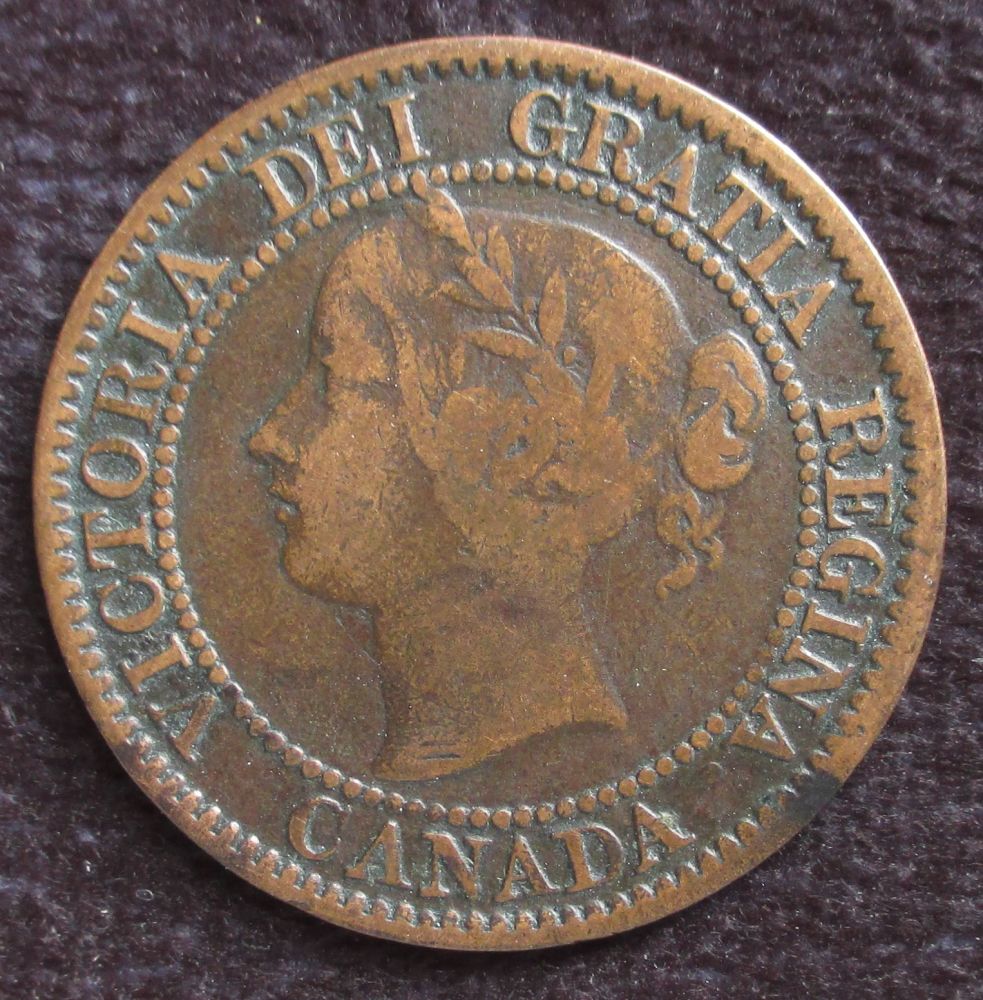
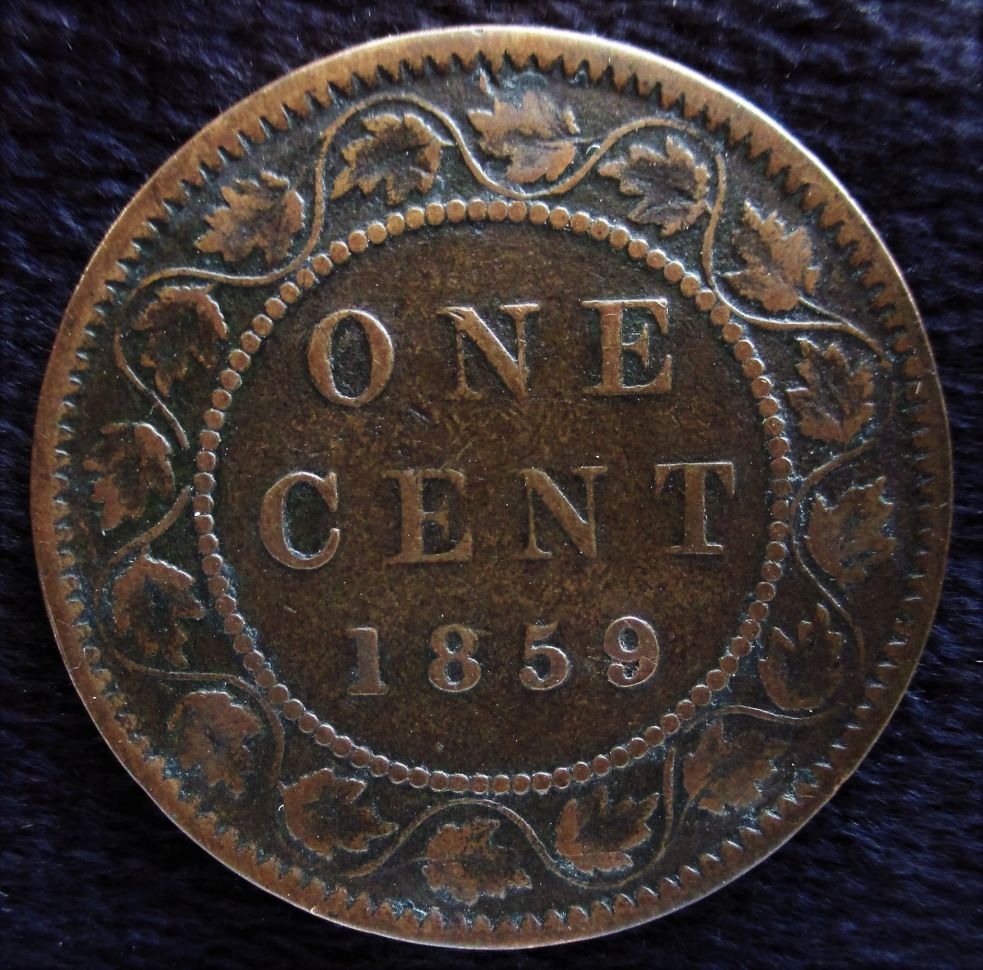
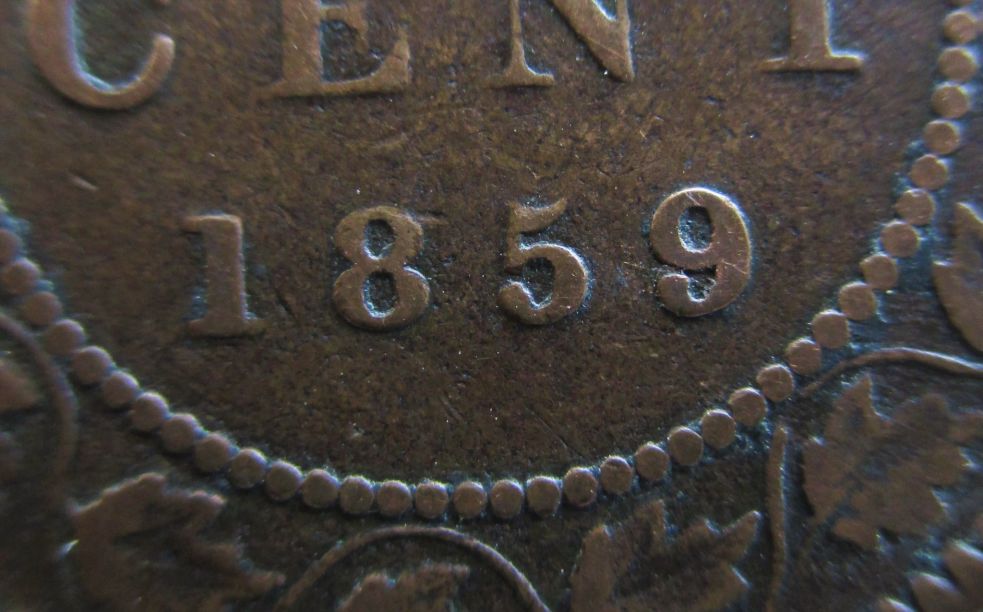
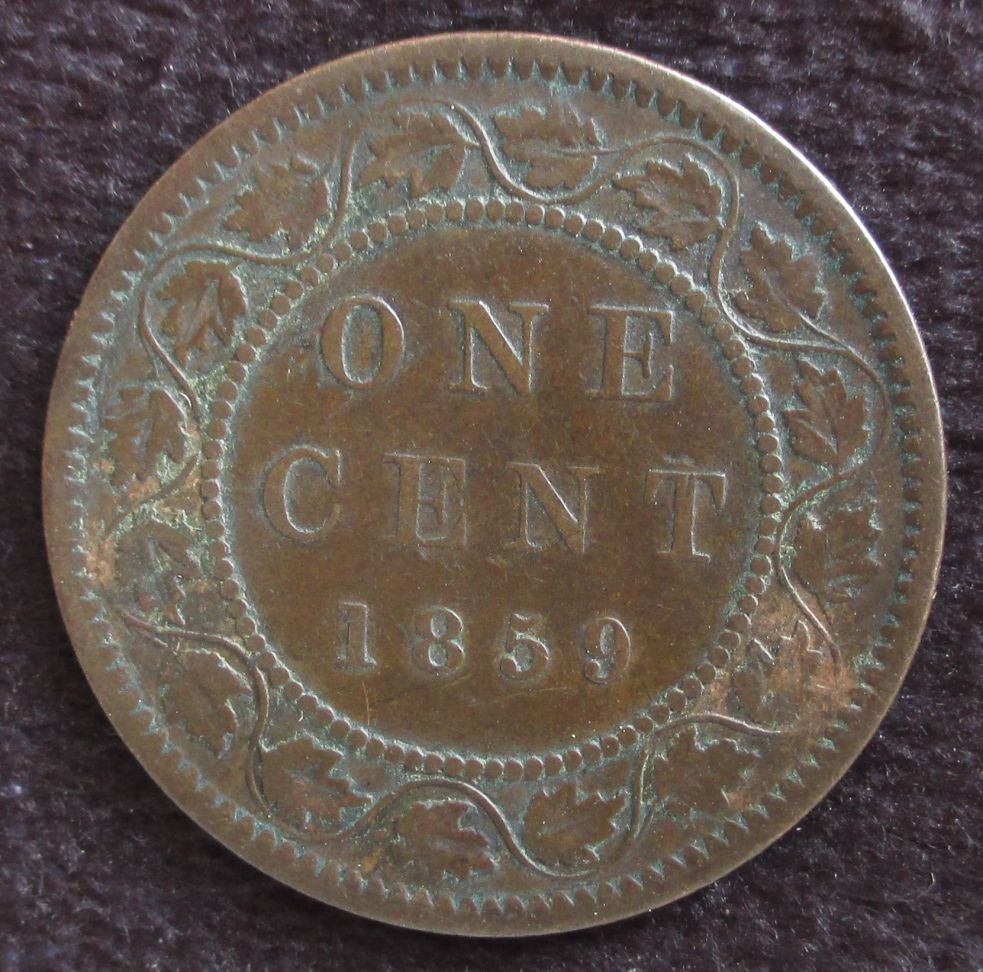
THe wide nine is a 9 over 8 I believe. As for the second one, could you zoom in on the date. Certain doublings on the 9 are considered a known variety and have some value. As for your 9 over 8, it carries a very small premium. You m ight get 10-20$ on ebay |
|
Pillar of the Community
United States
1101 Posts |
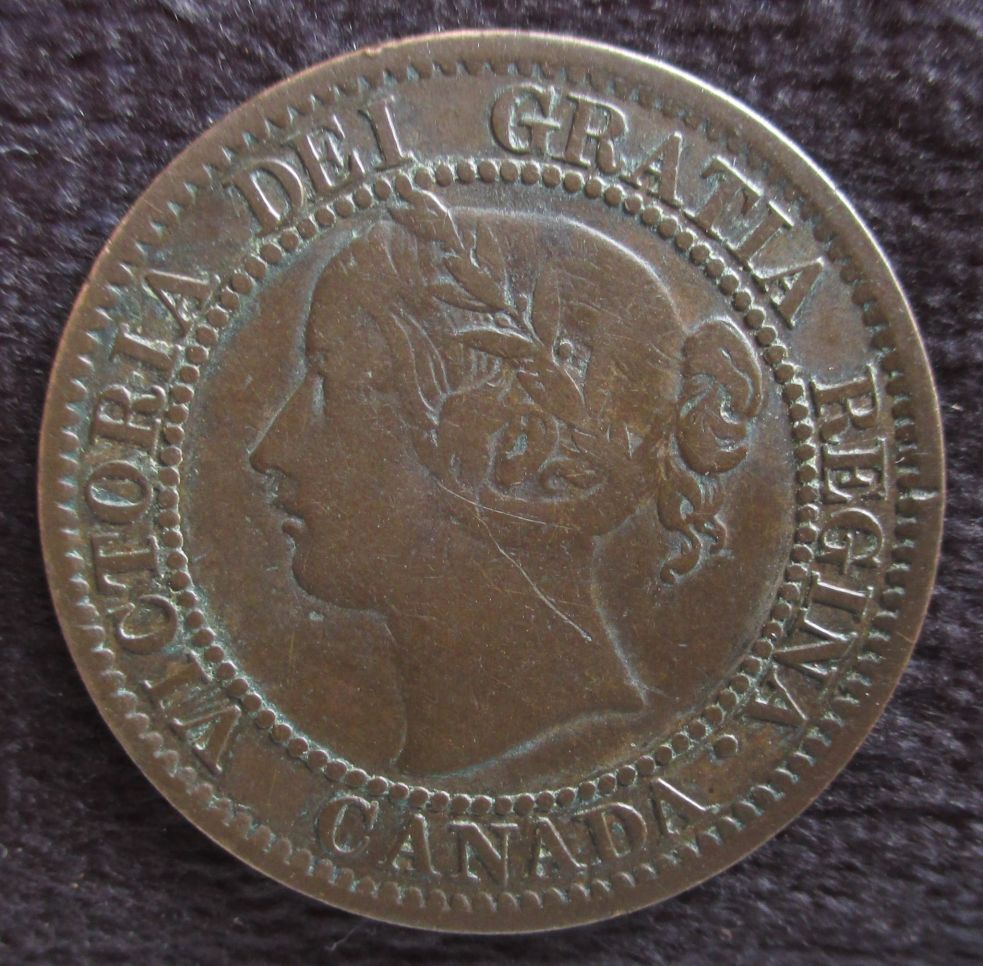
Your second coin is a narrow 9. I can't see any obvious features ( die cracks, repunched letters, clogs ) visible in the photographs you posted. The coin is lower grade and pretty dirty, so there may be some features that would help you identify it under the dirt. You can compare it to coins on Dr. Haxbys website ( vickycents.com ) and maybe find a match. It's always fun to try, and you may learn a lot about 1859's in the attempt.
|
|
Pillar of the Community
 Canada
5653 Posts |
Early on before there were semi-proper names for varieties (at least 40 years ago), your first coin was called a "wide 9". It is now called a 9/8(and has been for decades) ... a different font 9 was punched into 13-14 left-over 1858 working dies for 1859-dated coins. They used a larger font 9 because it supposedly completly obliterated the underlying 8, but none were done to perfection. You could always see the underpunch 8 in the gap between the tail and the upper loop ... and usually on/in the upper loop as well. The new 1859 Reverse working dies had a narrow 9 that was in the same font as the other digits.
|
|
New Member
 United States
48 Posts |
Additional images of narrow 9 date.   |
|
New Member
United States
48 Posts |
So I'm guessing my overdate is the more interesting of the two coins?
|
|
Pillar of the Community
United States
1101 Posts |
The narrow 9 variety is more interesting to me, but that is only because I collect them by die pairs, and don't collect the wide 9/8 varieties. It does appear to be in Dr. Haxby's reverse group E (because of the vine loop at leaf 7), but there just aren't enough features visible in the photographs to identify the actual die pair. It's always fun to try, though. Thanks for posting the pictures.
Edited by Phil310
09/12/2016 1:13 pm
|
|
Pillar of the Community
Canada
2187 Posts |
Quote:
So I'm guessing my overdate is the more interesting of the two coins? The overdate will get you a bit more money if you sell it. But like Phil said, the narrow 9 is interesting because there were so many die pairs and figuring out which ones belong to this coin is a fun challenge. |
|
New Member
Canada
1 Posts |
My 1st post. I found one of these while metal detecting. It's holed and not great shape but discernible. Wish I knew how to post a pic cause I could use some help with this one. It's thin, thinner than some of my early 1900 large cents. Lighter as well. Is it true that brass ones are slightly smaller but slightly heavier than the copper? I'm gonna use a measuring tool if that's the case. As well as a digital scale. Found. Civil war snake buckle today too in Canada!
|
|
Pillar of the Community
Canada
5653 Posts |
The 1858 and 1859 cents were almost 1/3 thinner than the British half-penny, which has the same diameter. The Brit Royal Mint used the presses and machine implements for the half penny to mint the Canadian (then a Province) cents. People didn't like them (they thought that they were fake or worth less) so, in the next mintage year of 1876, they made them the same size, weight and diameter as the Brit half pennies and everyone was happy. The Canadian populace was used to using foreign coinage and Colonial & bank tokens much larger/heavier than the new Provincial cents. Because the '58 & '59 planchets were so much thinner and the Canadian bronze coins were harder than copper planchets, they chewed up the dies during the minting process as well. The Reverse intricate design with the leaves/vines also affected the die life. That's the reason that there are so many 1859 varieties .. some Obverse dies were married to 4-5 or more Reverse dies, because the reverse dies broke so often. If you found an 1859 metal detecting, there is no way that you can measure anything to determine if it's brass. Any circulated coin weighs less than it did when minted due to wear. The Provincial cents were, as I said, 1/3 thinner than any made after... so that 100 of them would weigh a pound and each of them was 1 inch in diameter. Merchants could use them as a measuring tool. Don't bother weighing your find .. I'm 99.9% sure that it's bronze. Edited by okiecoiner
07/04/2018 03:17 am
|
|
Moderator
 United States
196100 Posts |
Quote:
My 1st post.  to the Community, Kgb! |
| |
Replies: 10 / Views: 9,998 |
|











 Posted 09/04/2016 07:35 am


