


 Posted 01/15/2017 2:42 pm


Wow... this forum is amazing :)
Bob, thanks a lot for your observations and such a quick reply.
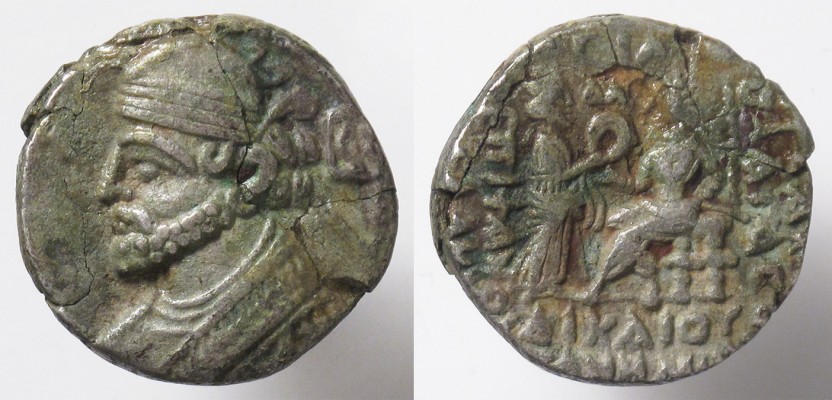
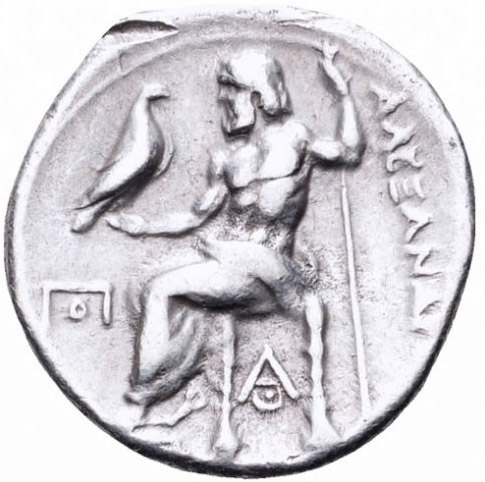
I have played a bit with an image editor and the reverse seems to match the sample you posted (Although your coin is in better condition)
How can someone (again a newbie question) distinguish lamination from silver plating? Because of the layer thickness itself?
Bob, thanks a lot for your observations and such a quick reply.
I have played a bit with an image editor and the reverse seems to match the sample you posted (Although your coin is in better condition)
How can someone (again a newbie question) distinguish lamination from silver plating? Because of the layer thickness itself?
Edited by DirtyHarry
01/15/2017 2:46 pm
01/15/2017 2:46 pm