











 Posted 01/25/2017 4:36 pm


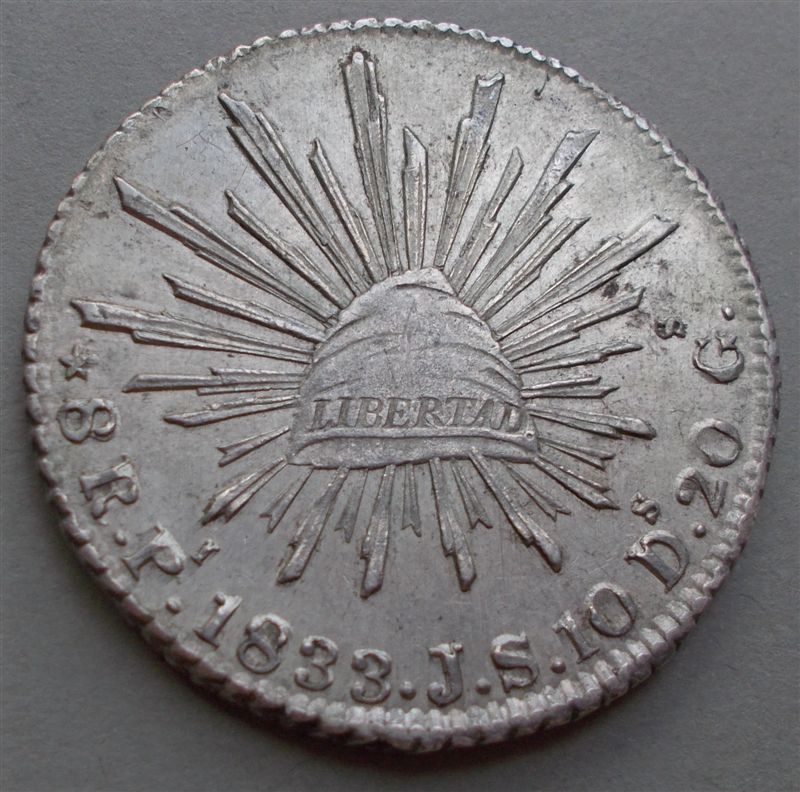
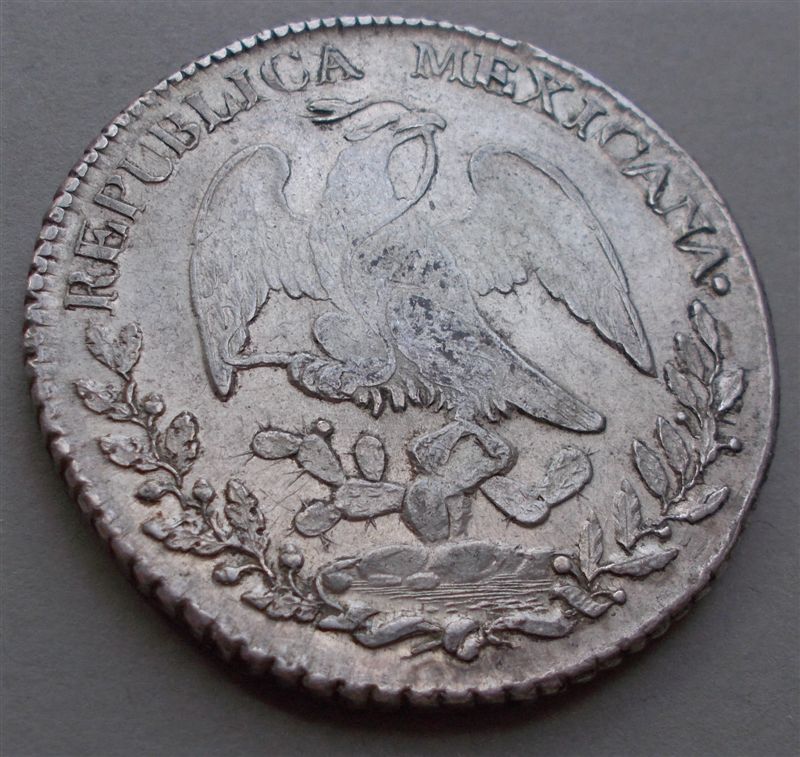
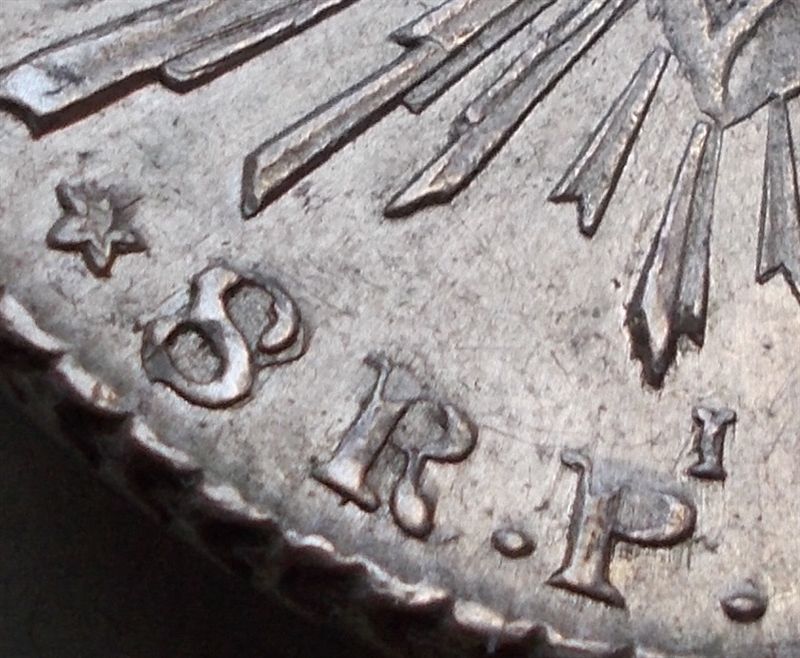
The coin is very well struck and more or less typical of Potosi at the period. The dies were produced individually with numerous punches required. The use of King Punches was far more limited at Potosi perhaps due to press size. The mint was run by the government and like most tended to use lower quality machinery. There was no pressing demand for volume so in the early years planchet preparation was usually well done. As volumes began to increase - planchet quality decreased. This can be anticipated in most cases.
I am unaware of any proof of the theory that planchets were cast. It does not sound correct based on my observations. It is far more likely in my opinion that any appearance of casting was due to the mint using smaller fillet molds. Thinner fillets would be easier to roll and laminate quickly.
The production of planchets from relatively thin silver ingots (Fillets) was standard in all mints but the process was adjusted for local conditions. After these small ingots were cast they had to be rolled to the correct thickness - then they were smoothed by lamination (drawing the strip through a slot) - then cut (punched) and finally edged. If you start with a thinner fillet some of the bubbles do not get rolled out completely. If you skip the lamination step the problem would result in poorer planchet surfaces. In my opinion, at times some of the steps seem to have been speeded up to increase planchet production.
If they actually cast planchets - there should be edge evidence of a sprue and vent which are never seen. In addition the variations in weight due to casting there should be more not fewer adjustment marks visible on the planchets.
I think stories about cast planchets likely came as the result of the out of round coins noted in the 1835-1837 time frame.
Why the coins were so out of round is not a settled discussion. The usual theory attributes these to worn blanking punches. However, I have also wondered if perhaps edge filing was done to adjust planchets before they were edged. Either is possible and it would require examination of near MS coins in large numbers to determine the truth.
I am unaware of any proof of the theory that planchets were cast. It does not sound correct based on my observations. It is far more likely in my opinion that any appearance of casting was due to the mint using smaller fillet molds. Thinner fillets would be easier to roll and laminate quickly.
The production of planchets from relatively thin silver ingots (Fillets) was standard in all mints but the process was adjusted for local conditions. After these small ingots were cast they had to be rolled to the correct thickness - then they were smoothed by lamination (drawing the strip through a slot) - then cut (punched) and finally edged. If you start with a thinner fillet some of the bubbles do not get rolled out completely. If you skip the lamination step the problem would result in poorer planchet surfaces. In my opinion, at times some of the steps seem to have been speeded up to increase planchet production.
If they actually cast planchets - there should be edge evidence of a sprue and vent which are never seen. In addition the variations in weight due to casting there should be more not fewer adjustment marks visible on the planchets.
I think stories about cast planchets likely came as the result of the out of round coins noted in the 1835-1837 time frame.
Why the coins were so out of round is not a settled discussion. The usual theory attributes these to worn blanking punches. However, I have also wondered if perhaps edge filing was done to adjust planchets before they were edged. Either is possible and it would require examination of near MS coins in large numbers to determine the truth.


