| Author |
 Replies: 10 / Views: 1,391 Replies: 10 / Views: 1,391 |
|
|
New Member
United States
4 Posts |
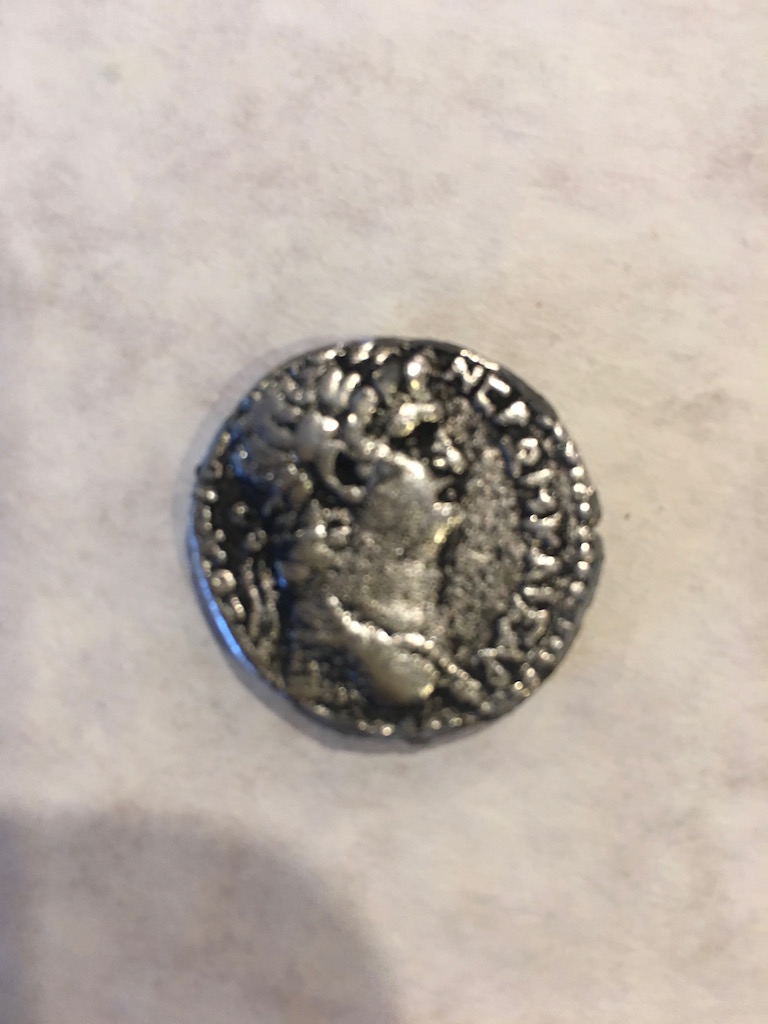
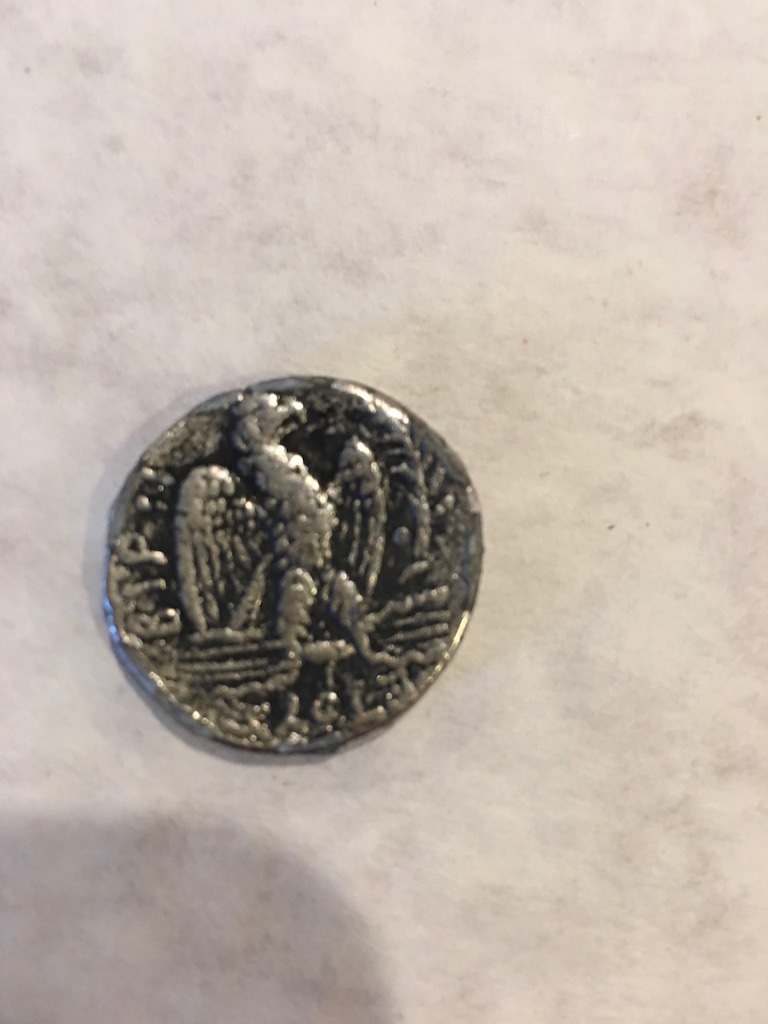
Hello, all. I need help identifying this coin. Best I can tell, it's of the Emperor Nero, but I'm getting pretty well stuck getting any further. Anyone recognize what this is? Thanks, Ron 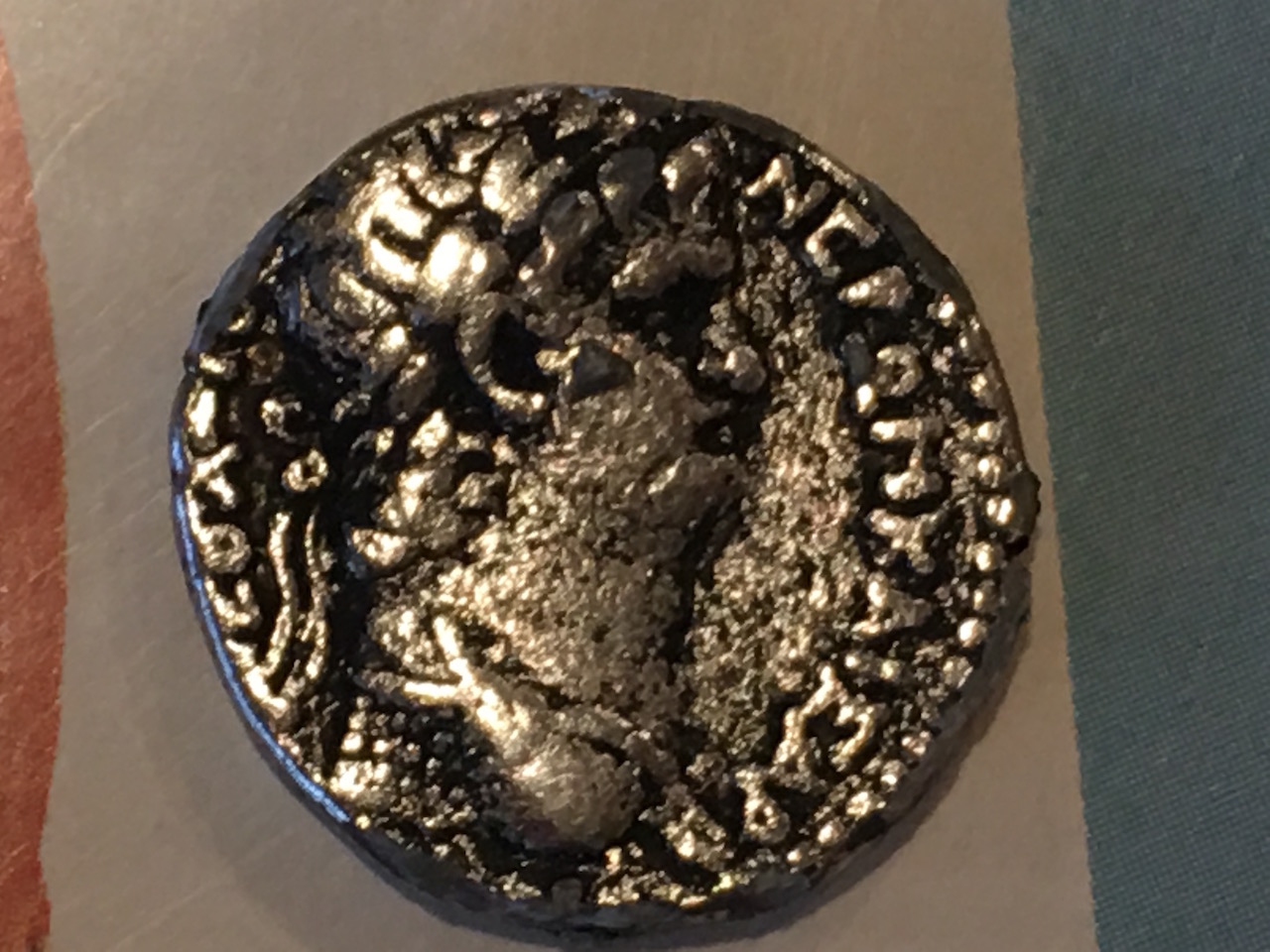 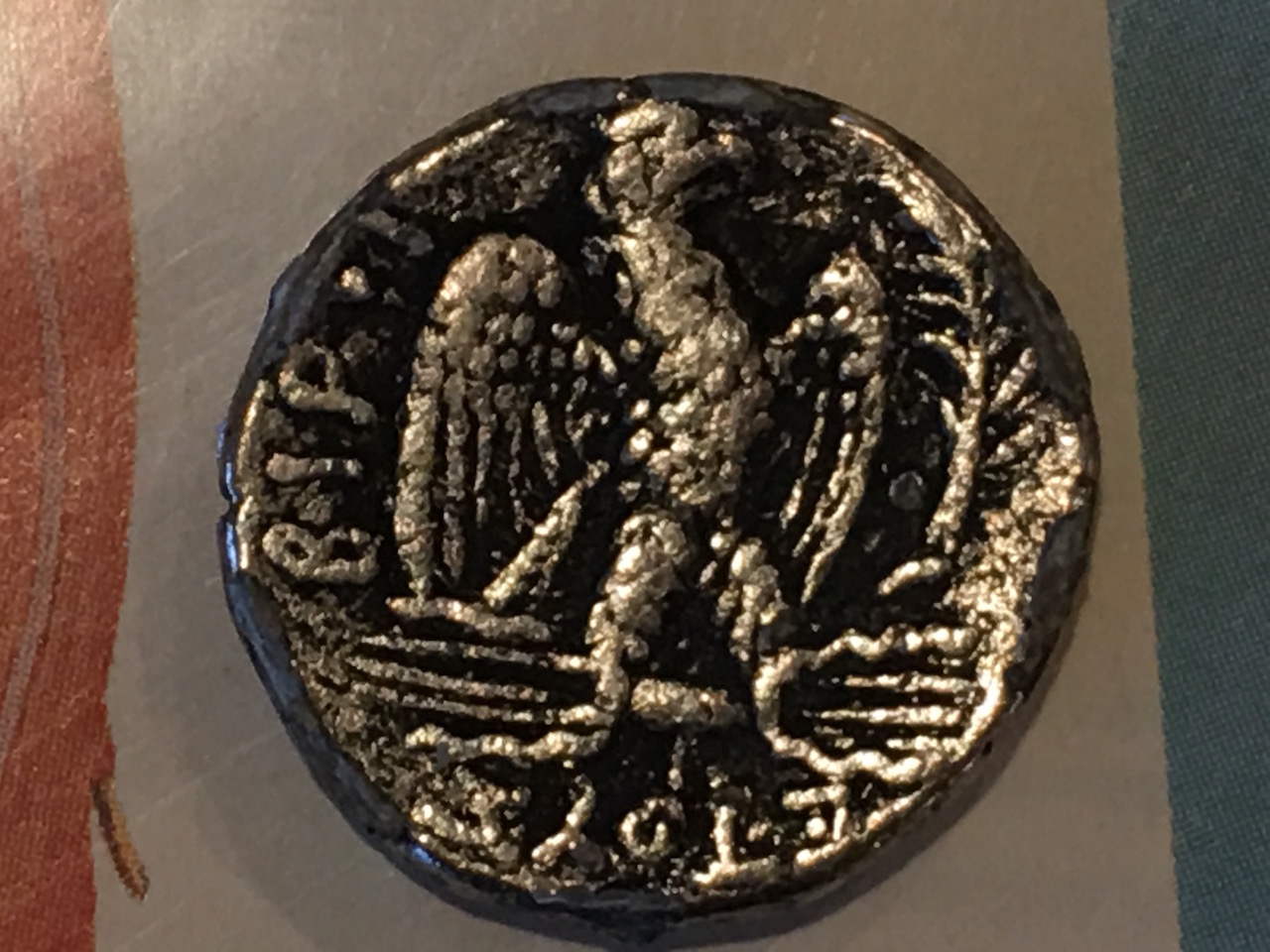 |
|
|
|
Moderator
 United States
23731 Posts |
 to the community The coin appears to be an AR (silver) tetradrachm of Nero from the Antioch mint. Reference RPC 4188. |
|
New Member
 United States
4 Posts |
Thank you, echizento. That was fast! Knew someone here would have an idea. Found this in a lot of vintage pins and buttons from an estate sale. I don't think it's a fake. Assuming it isn't, given the condition, got a rough ballpark what it might be worth?
|
|
Moderator
United States
23731 Posts |
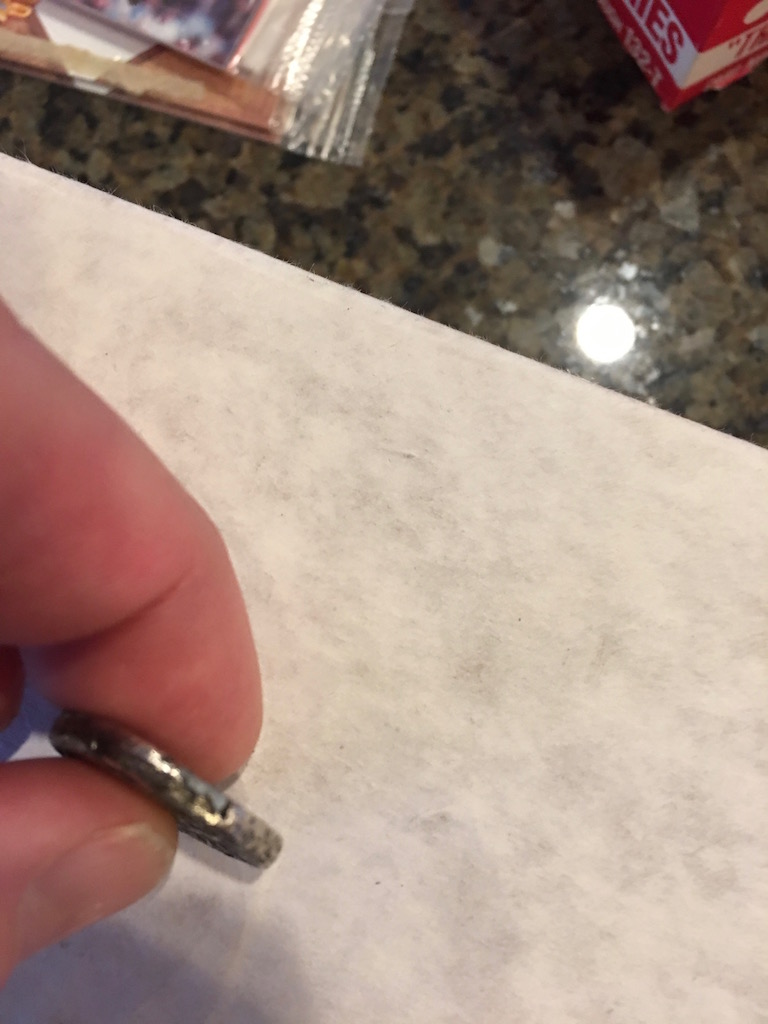
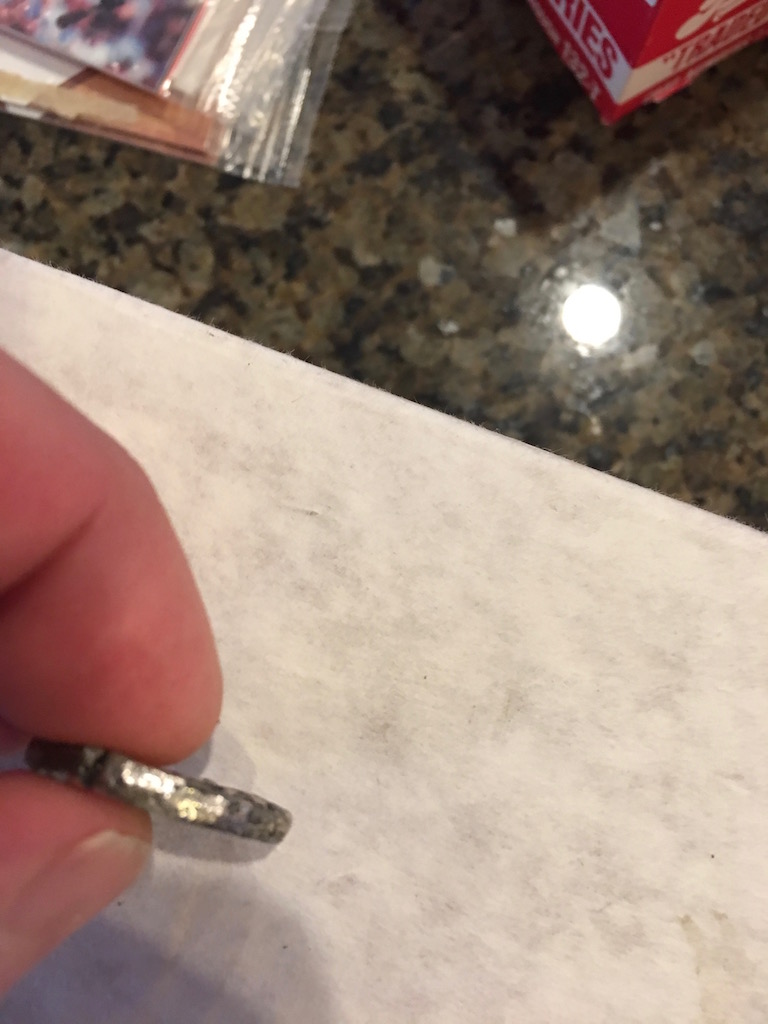
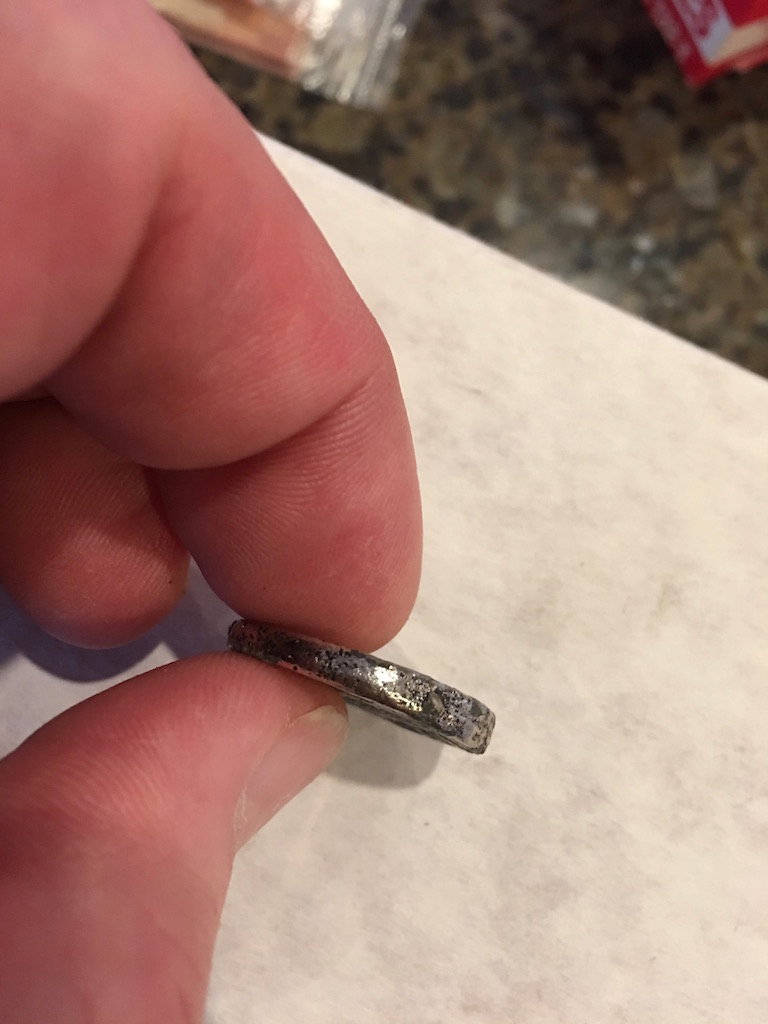
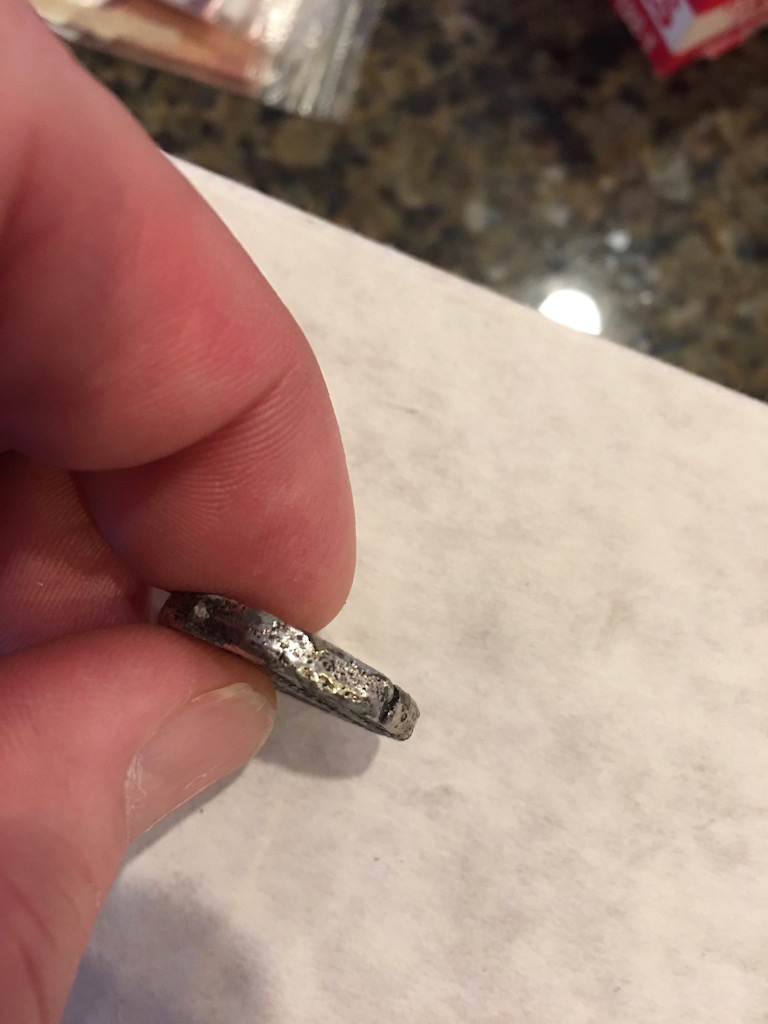
If possible could you take a picture of the edge? These coins are faked and yours is a bit rough so an edge picture might help determine if real or not. Assuming your coin is genuine here are examples for sale on Vcoins. https://www.vcoins.com/en/Search.as...signed=False |
|
Pillar of the Community
United States
1047 Posts |
Hi ctlaltdelete, Unfortunately your coin is a poorly made modern cast fake. Soft soapy looking surfaces, fake patina, and likely the edges have been filed down to hide the casting seam. Here is another fake of this coin with matching dies. 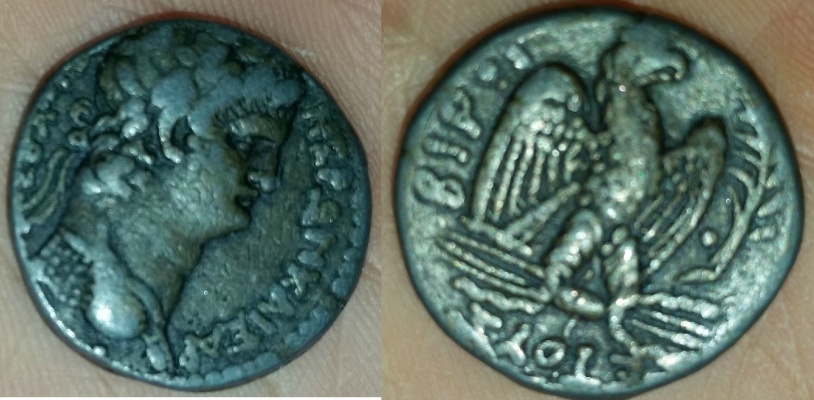 Edited by Biancasdad
01/24/2017 3:19 pm
|
|
New Member
United States
4 Posts |
|
|
Rest in Peace
United States
17900 Posts |
It is a caste fake and thank you for doing your due diligence prior to listing it for sale.
|
|
Bedrock of the Community
Australia
21792 Posts |
I agree with Biancasdad.
I would have made almost exactly the same comments.
Normally, when an ancient coin has been struck, there are small radial cracks. When examining inside the cracks with a 10x loupe, obvious metal splitting stress can be observed. This sort of stress detail has very sharp surfaces inside the crack, which is impossible to be reproduced with any type of casting (even centrifugal pressure casting), simply because with casting, the metal is not under splitting stress inside the crack.
Cast coins do not show this type of splitting tensile metal stress inside the crack.
I maintain a reasonably extensive collection of fake ancient coins, just to be familiar with the products of various faking methods.
Almost all of my fake ancient coins have come in public auction job lots, where the lot has specifically and intentionally been described as a fake coin lot.
|
|
New Member
United States
4 Posts |
You're welcome and thank you for all your replies. Fakes are a problem in my hobby, too (vintage baseball cards). In this case, I, fortunately, didn't get ripped off as it was found in a bag of junk that cost next to nothing! I guess it's off to the silver scrapper with this one!
|
|
Moderator
United States
34564 Posts |
@ctlaltdelete, first welcome to CCF. Second, that is a bummer about the fake coin. By the way, thank you for having a good attitude about this. So many times, we get someone who breezes in here with an obvious fake and then takes offence when we try to educate them about what they actually have. Finally, I hope that your piece is at least a silver alloy so you get something in return.
"If you climb a good tree, you get a push."
-----Ghanaian proverb
"The danger we all now face is distinguishing between what is authentic and what is performed."
-----King Adz
|
|
Moderator
United States
23731 Posts |
I was afraid it wasn't genuine.
|
| |
Replies: 10 / Views: 1,391 |
|










 Posted 01/24/2017 3:03 pm