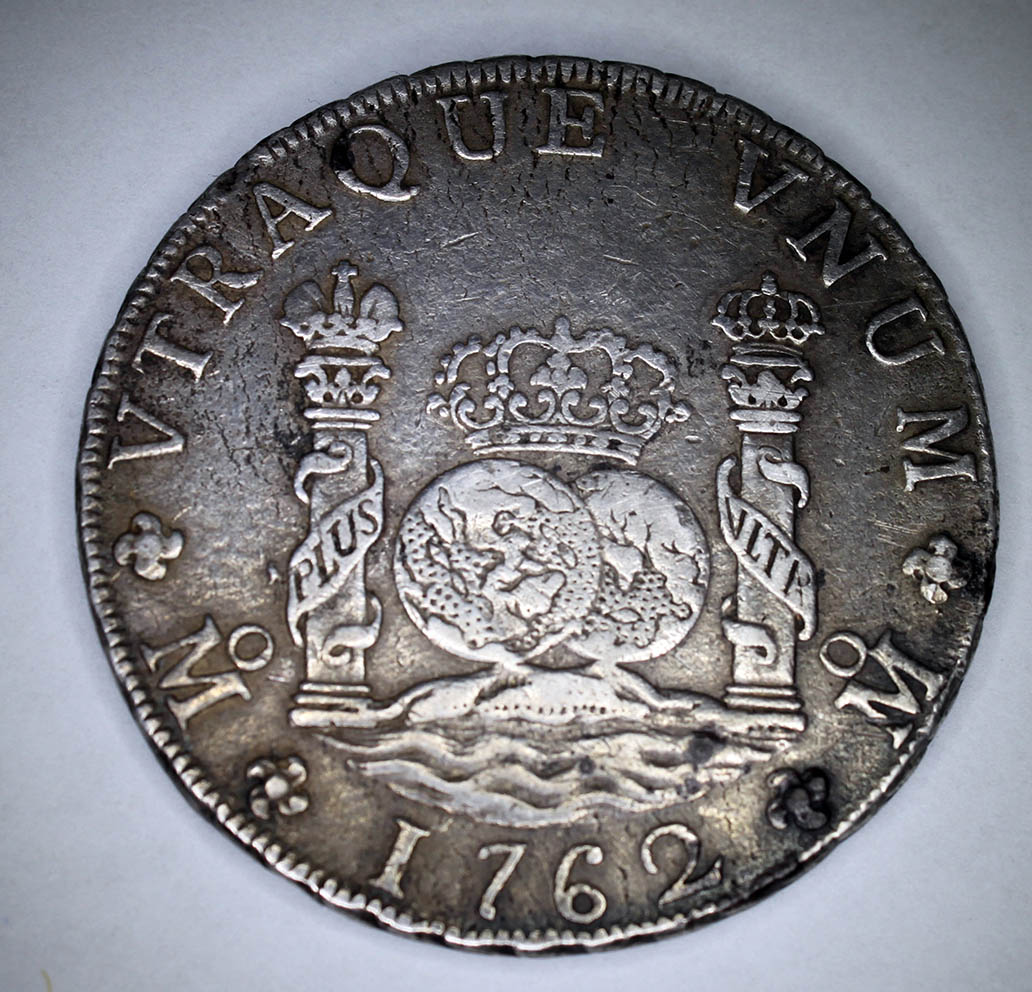
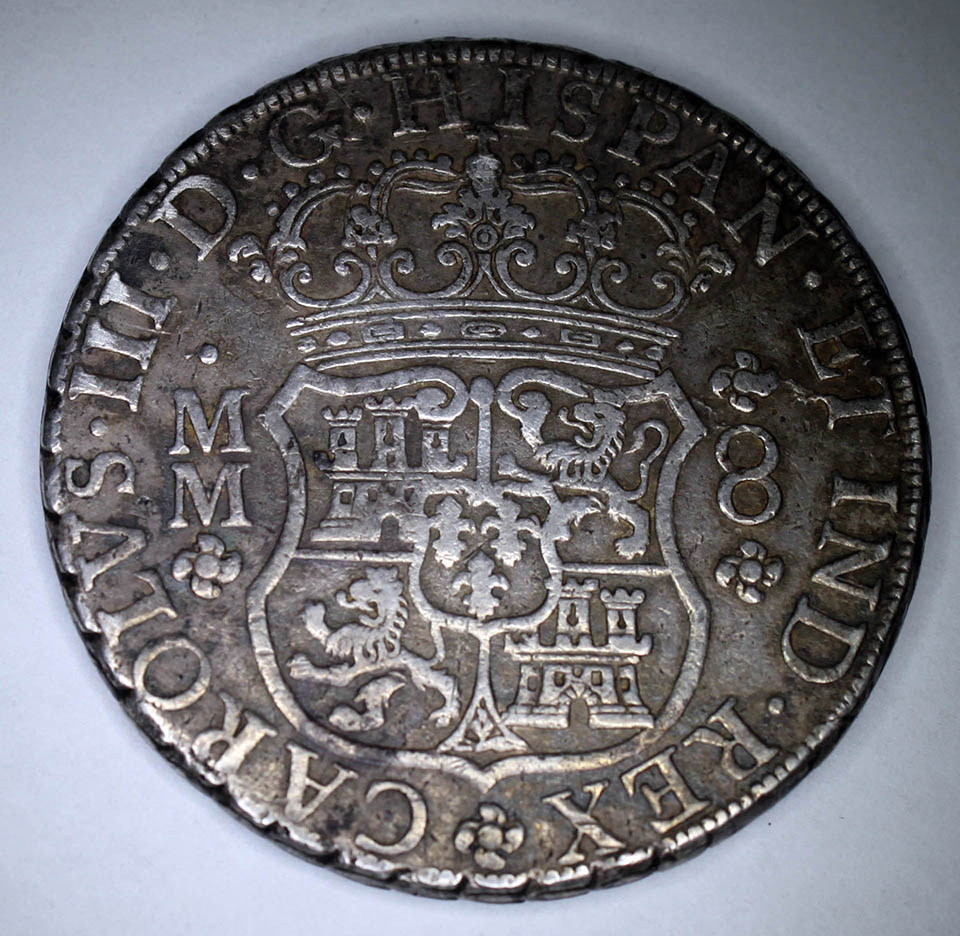
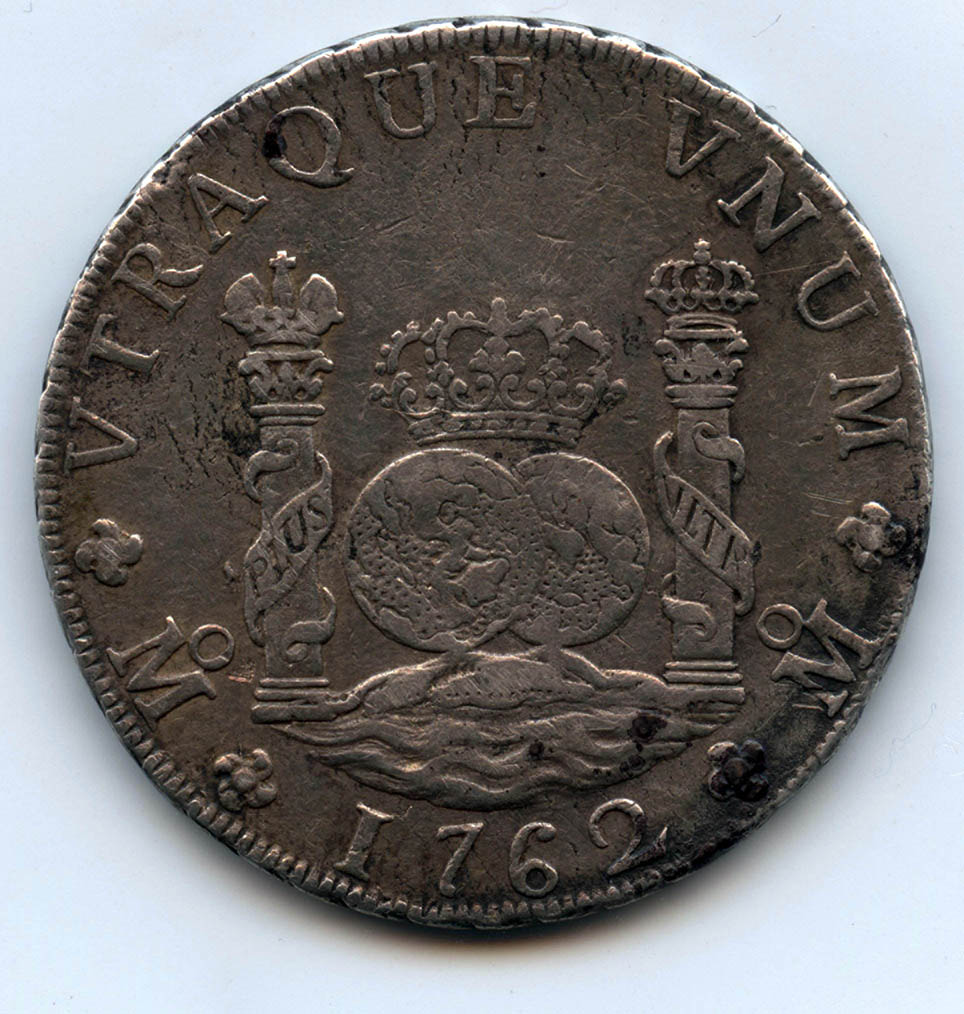
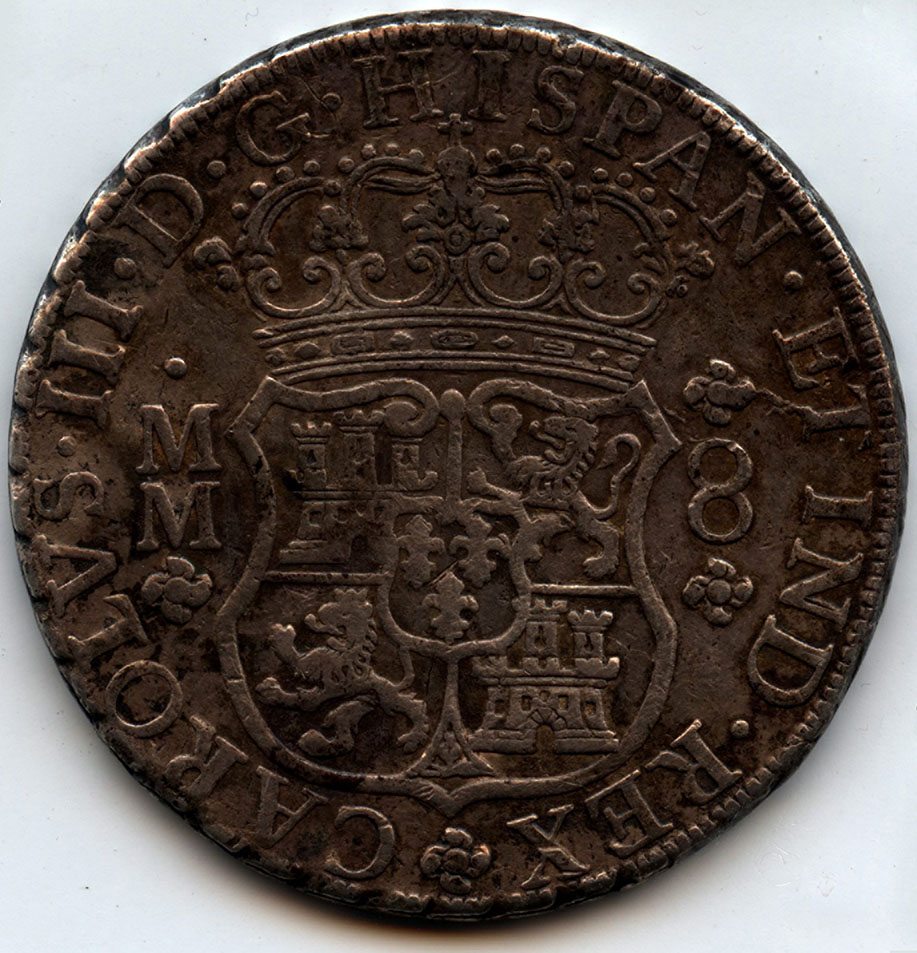
elzorch I tend to agree with realeswatcher that the coin here looks genuine. I do not see wear that would account for over 0.4 grams of weight loss so the coin must have been just slightly underweight to begin with. The fine parallel surface cracks appear to be due to cold lamination before the coin was struck.
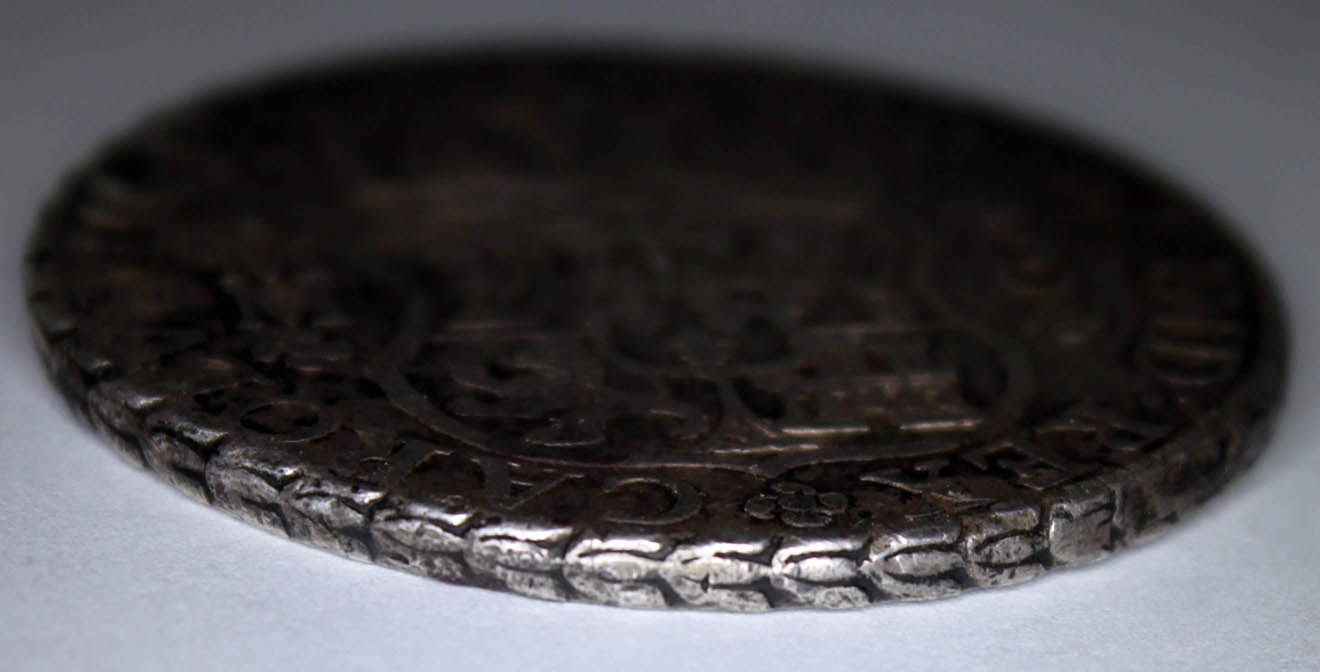
I would love to see more of the edge design in particular just to the right of where the first picture becomes distorted. The segment aligned with the E in REX seems very odd and I can not see any segments to the right of that point.
There should be two overlaps in the edge design that are oriented 180 degrees apart.
I would also suggest density testing and XRF to confirm the alloy and the presence of gold as a trace contaminant.
Regarding counterfeits and forgeries, I share your father's interest. I specialize in contemporary circulating counterfeits but I also own a great many numismatic forgeries. I follow the lead of Charles Larson who divides fakes into two different categories - Contemporary Circulating Counterfeits (CCC) and Numismatic Forgeries (NF) because the difference is critical to most collectors of fakes. A CCC was made to circulate alongside a genuine coin in circulation whereas a NF was made to defraud collectors. Both are frauds but the reasons they were made are different. Collectors tend to pay more for CCC types than NF types.
Can you show some of your father's fake collection?
I would be interested to see if he had any new and interesting issues.











 Posted 02/21/2017 6:23 pm


